When Will Car Loan Rates Drop?
Explore the drivers behind current auto loan rates and get expert insights on potential declines amid economic shifts.
Car loan interest rates in 2026 remain elevated compared to pre-pandemic levels, with averages for new vehicles around 6.8-7% APR for popular terms like 48-60 months. While some lenders offer starting rates as low as 3.39%, most borrowers face higher figures influenced by credit profiles and market conditions. This guide examines the key forces shaping these rates, projections for future declines, and actionable steps to minimize costs.
Current Landscape of Auto Financing Costs
As of April 2026, the auto loan market shows a wide range of rates depending on lender, vehicle type, and borrower qualifications. New car loans typically carry lower rates than used ones, with 60-month new car averages at 6.96% and used at higher marks like 7.41% for 48 months. Credit unions often lead with competitive offers: Navy Federal starts at 3.89% for short-term new auto loans (12-36 months), rising to 7.39% for 85-96 months. Similarly, Texans Credit Union lists 4.59% for both new and used up to 36 months.
Big banks and online platforms vary: Capital One begins at 5.00% for 60-month new loans, while PNC hits 7.69% with autopay for private-party purchases. PenFed stands out at 3.39% for new cars via TrueCar, and Southeast Financial at 3.50% without such services. These disparities highlight the importance of shopping around.
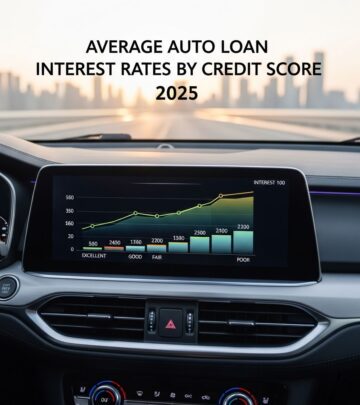
| Credit Score Range | Avg New Car APR | Avg Used Car APR |
|---|---|---|
| Excellent (800+) | 6.81% | 7.92% |
| Very Good (740-799) | 6.83% | 7.59% |
| Good (670-739) | 8.22% | 10.75% |
| Fair (580-669) | 19.15% | 21.13% |
| Poor (<580) | 22.11% | 23.82% |
This table from recent market data illustrates how credit scores dramatically affect rates, with excellent credit unlocking sub-7% options while fair or poor scores push costs above 19%.
Economic Forces Driving Today’s Rates
Several interconnected factors keep auto loan rates high. The Federal Reserve’s benchmark rate, held steady after multiple hikes to combat inflation, directly impacts borrowing costs. Lenders price auto loans as a spread over this federal funds rate, typically adding 3-5% for risk and profit. Inflation, though cooling, lingers around 2.5-3%, prompting caution from central bankers.
- Supply Chain Echoes: Semiconductor shortages and lingering effects from global disruptions have stabilized but left vehicle inventories tight, supporting higher prices and financing needs.
- Consumer Debt Levels: Rising household debt, including credit cards and mortgages, makes lenders wary, leading to tighter underwriting.
- Vehicle Affordability: Average new car prices exceed $48,000, stretching loan terms to 72+ months and increasing total interest exposure.
Texas regulations cap certain motor vehicle rates, offering an 18% alternative under specific codes, but most loans fall under competitive market pricing.
Forecast: Signs Pointing to Potential Rate Reductions
Economists anticipate gradual declines in auto loan rates through late 2026 and into 2027, contingent on Fed actions. If inflation sustainably hits the 2% target, the Fed could cut rates by 25-50 basis points per meeting starting mid-year. This would flow to consumer loans within 1-3 months. Historical patterns show auto rates lagging Fed moves by about 60 days.
Recent trends support optimism: Bankrate notes averages dipping slightly to 6.83% for 48-month new cars. Credit unions like Navy Federal and Texans maintain low entry points (3.89%-4.59%), signaling competitive pressure. However, persistent wage growth or renewed supply issues could delay drops.
Comparing Top Lenders for Optimal Deals
To illustrate options, here’s a snapshot of standout providers:
| Lender | Best For | Starting APR | Terms | Min Amount |
|---|---|---|---|---|
| PenFed | New cars via TrueCar | 3.39% | 36-84 mo | Varies |
| Southeast Financial CU | Short loans | 3.50% | 12-84 mo | Up to $100k |
| Navy Federal | New autos short-term | 3.89% | 12-36 mo | Not specified |
| Texans CU | Used vehicles | 4.59% | 0-36 mo | $5k min |
| Capital One | Overall flexibility | 5.00% | 24-84 mo | $4k+ |
Data compiled from lender sites shows credit unions dominating low-rate tiers, often requiring membership.
Steps to Secure Lower Rates Right Now
Don’t wait for market shifts—proactive moves can shave points off your rate:
- Boost Your Credit Score: Pay down debt to under 30% utilization; scores above 740 qualify for prime rates.
- Shorten Loan Term: Opt for 36-48 months to access rates like 3.89-4.59%, trading higher payments for less interest.
- Shop Multiple Quotes: Prequalify with 3-5 lenders; platforms aggregate offers starting at 3.39%.
- Consider Refinancing: If rates drop 1%+, refinance existing loans, noting fees like $50 at some credit unions.
- Leverage Discounts: Autopay reductions (e.g., 0.25-0.50%) or loyalty perks lower effective APRs.
New vs. used: Same rates apply at some lenders like DCU (4.99% starting), but used often edges higher by 0.5-1%. Private sales via PNC start higher at 7.69%.
Risks of Waiting vs. Buying Now
Holding off risks missing inventory deals or driving in an unreliable vehicle, but entering at peak rates inflates costs. Calculate: On a $30,000 loan at 7% over 60 months, you pay ~$6,228 interest; at 5%, it’s $4,152—a $2,076 savings. Use calculators from sites like LendingTree to model scenarios.
Geopolitical tensions or election outcomes could sway Fed policy, adding uncertainty. Balance personal needs against projections.
Frequently Asked Questions
What credit score do I need for the best auto loan rates?
Scores of 740+ unlock averages under 7%; 800+ gets the lowest like 6.81% for new cars.
Are credit unions better for car loans?
Yes, often starting 1-3% lower (e.g., 3.50-4.59%) than banks, though membership is required.
How soon after Fed cuts will auto rates fall?
Typically 1-3 months, as lenders adjust pricing.
Should I buy new or used for lower rates?
New often qualifies for better rates (6.81% vs. 7.92% avg for excellent credit), but used can match at select lenders.
What’s the impact of loan term on rates?
Shorter terms (12-36 mo) offer lowest APRs like 3.89%, rising for 72+ months to 5.99%+.
Key Takeaways for Smart Borrowing
Monitor Fed announcements and shop aggressively. With rates potentially easing later in 2026, those with strong credit stand to benefit most from today’s competitive low-end offers. Always verify current terms, as they fluctuate.
References
- Compare the Best Auto Loan Rates in April 2026 — LendingTree. 2026-04. https://www.lendingtree.com/auto/
- Auto Loan Rates & Financing in 2026 — Bankrate. 2026-03-25. https://www.bankrate.com/loans/auto-loans/rates/
- Auto Loan Rates for New & Used Cars — Navy Federal Credit Union. 2026. https://www.navyfederal.org/loans-cards/auto-loans/auto-rates.html
- Auto Loan Rates | New, Used, Refinance — Texans Credit Union. 2026-02-02. https://www.texanscu.org/rates/auto-loans
- Current Motor Vehicle Rate Chart — Texas Office of Consumer Credit Commissioner (.gov). 2026. https://occc.texas.gov/industry/motor-vehicle-sales-finance-mvsf/rate-charts/
Similar Articles








Read full bio of Sneha Tete