When to Do a Balance Transfer to Pay Off Credit Card Debt
Strategic timing and planning for balance transfers can save thousands in interest and accelerate your debt payoff journey.

Credit card debt can feel like an endless cycle of minimum payments and accumulated interest. If you’re carrying balances on multiple cards or struggling with high interest rates, a balance transfer might be the financial relief you’re looking for. However, balance transfers aren’t a one-size-fits-all solution. Knowing when and how to execute a balance transfer strategically is crucial to maximizing your savings and getting out of debt faster.
Understanding Balance Transfers: The Basics
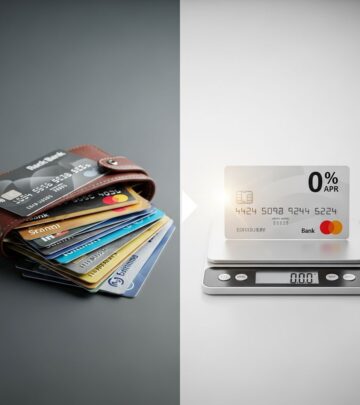
A balance transfer involves moving your outstanding credit card debt from one or more cards to a new credit card, typically one offering a promotional interest rate. Most balance transfer cards offer a 0 percent introductory APR for a set period, often ranging from 12 to 21 months. This promotional period gives you a window of opportunity to pay down your principal without accruing additional interest charges.
The primary advantage of a balance transfer is straightforward: it provides financial breathing room by temporarily eliminating interest charges on your transferred balance. This means more of your monthly payment goes toward reducing the actual debt rather than enriching your credit card company through interest fees.
When Balance Transfers Make the Most Sense
You Have Multiple High-Interest Credit Cards
If you’re juggling balances across several credit cards with varying interest rates, consolidating them onto a single balance transfer card can simplify your financial life significantly. For example, if one card charges 10 percent interest and another charges 15 percent, transferring both balances to a 0 percent promotional card eliminates the interest burden entirely during the intro period.
You Can Create a Solid Payoff Plan
The most critical factor determining whether a balance transfer is right for you is your ability to pay off the transferred balance within the promotional period. If you can commit to an aggressive repayment schedule and have a realistic path to eliminate the debt before regular interest rates kick in, a balance transfer is an excellent choice. Using a credit card payoff calculator helps you determine exactly how much you need to pay monthly to reach your goal.
Your Credit Score Qualifies You
Balance transfer cards typically require good to excellent credit to qualify for the best promotional rates and terms. If you have a strong credit score and can secure a card with a lengthy 0 percent promotional period and low transfer fees, the potential savings justify applying.
You’re Committed to Stopping the Spending Cycle
A balance transfer only works if you treat it as a strategic debt elimination tool, not an opportunity to accumulate more debt. If you’ve struggled with overspending in the past, a balance transfer combined with disciplined budgeting can help break the cycle. However, if you’re likely to run up balances on your old cards again, a balance transfer addresses only part of your problem.
Red Flags: When Balance Transfers Aren’t Your Best Option
You Can’t Pay Off the Balance Before the Promo Ends
If paying off your entire balance within the introductory period isn’t realistic, a balance transfer may backfire. Once the promotional period expires, the interest rate jumps significantly, potentially creating an even worse situation than your original cards. In such cases, you might need to transfer again, incurring additional fees and damaging your credit with multiple hard inquiries.
Transfer Fees Exceed Your Savings
Most balance transfer cards charge a one-time fee, typically between 2 and 5 percent of the transferred amount. Before proceeding, calculate whether the interest you’ll save during the promotional period exceeds this upfront cost. For small balances or short promotional periods, the fee might eliminate your potential savings.
Your Credit Score Is Poor
If your credit score is damaged, you may not qualify for favorable balance transfer offers. Cards available to people with lower credit scores often come with higher transfer fees or shorter promotional periods, reducing the benefit. In this situation, focusing on improving your credit before applying makes more sense.
You Have Only One Card with a Small Balance
If you’re dealing with debt on just one card, a balance transfer might be unnecessary. Negotiating a lower interest rate directly with your current issuer or exploring other debt reduction strategies could be more efficient.
Strategic Timing: When to Apply for a Balance Transfer
Act Early, Not Desperately
The best time to apply for a balance transfer is when you still have financial stability and a decent credit score, not when you’re drowning in debt and missing payments. Lenders are more likely to approve your application and offer favorable terms when your credit profile is strong.
Plan Before High-Interest Debt Accumulates
If you notice interest charges beginning to compound or you’re only paying minimums, that’s the signal to explore a balance transfer immediately. The longer you wait, the more interest accumulates, reducing your payoff window and making the balance transfer less effective.
Coordinate with Your Financial Goals
Align your balance transfer timeline with other financial priorities. If you’re planning a major purchase or need emergency savings, ensure your monthly budget can accommodate aggressive balance transfer payments while maintaining these other goals.
Creating Your Balance Transfer Payoff Plan
Calculate Your Required Monthly Payment
Determine the exact monthly payment needed to eliminate your transferred balance before the promotional period ends. Divide your balance by the number of months in the introductory period, then aim to pay that amount or more each month.
Choose Your Debt Repayment Strategy
Two proven methods complement balance transfers effectively:
- Debt Snowball Method: Pay off your smallest balance first, building momentum with quick wins. Once eliminated, apply that payment to the next smallest debt. This psychological approach works well for people who need motivation from visible progress.
- Debt Avalanche Method: Target the highest interest rate debt first, then work down. This approach saves more money overall but requires more discipline as early wins are smaller.
Stop Charging on Old Cards
The most critical mistake people make with balance transfers is continuing to accumulate debt on their original cards. Once you transfer a balance, treat those cards as temporarily closed for new purchases. Focus entirely on paying down the transferred balance during the promotional period.
Maximizing Your Balance Transfer Benefits
Choose a Low-Fee Card
Compare balance transfer cards based on their transfer fees, promotional period length, and regular APR after the promotion ends. A card with a 3 percent fee and an 18-month 0 percent period might save you more than a card with a 1 percent fee but only a 12-month period.
Understand the Fine Print
Before applying, thoroughly review the card’s terms. Know exactly when the promotional period ends, what the regular APR will be, whether there are annual fees, and any limitations on the promotional rate.
Leverage Multiple Strategies
Combine your balance transfer with proven debt payoff methods. You could transfer your balance while simultaneously using the snowball or avalanche method to attack remaining debts on other cards, attacking your debt from multiple angles.
Monitor Your Progress
Regularly review your balance and timeline. If you’re ahead of schedule, accelerate payments to eliminate the debt even faster. If you’re falling behind, adjust your budget immediately rather than waiting until the promotional period is nearly expired.
The Real Impact: Benefits Beyond Interest Savings
While interest savings are the primary benefit, balance transfers offer additional advantages. By consolidating multiple payments into one, you reduce financial overwhelm and simplify budgeting. Successfully paying off transferred debt on schedule improves your credit score by lowering your credit utilization ratio and demonstrating responsible payment behavior.
Perhaps most importantly, a strategic balance transfer gives you psychological momentum. Breaking the cycle of high-interest debt payments creates mental space to focus on building savings, investing for retirement, or pursuing meaningful financial goals that credit card interest otherwise prevents.
Common Mistakes to Avoid
- Ignoring the expiration date: Without a clear payoff timeline, you’ll face a jarring interest rate increase when the promotional period ends.
- Transferring too much: Only transfer what you can realistically pay off. If your balance exceeds what you can manage, you’re just postponing the problem.
- Applying for multiple cards simultaneously: Each application triggers a hard inquiry that temporarily lowers your credit score. Space applications out if needed.
- Forgetting about fees: Factor transfer fees into your calculation. A 3 percent fee on a $10,000 transfer is $300 that comes out of your payoff budget.
- Missing payments: One missed payment during the promotional period can void your 0 percent APR and trigger penalty rates.
Frequently Asked Questions
Q: How long does a balance transfer take to complete?
A: Most balance transfers complete within 5-14 business days, though some can take up to 21 days. Contact your new card issuer for a timeline.
Q: Can I transfer balances between cards from the same bank?
A: Generally, no. Most banks don’t allow you to transfer balances to cards from the same issuer. You’ll need to use a different bank’s card.
Q: What happens if I can’t pay off the balance before the promo period ends?
A: You can transfer the remaining balance to another 0 percent promotional card, though this incurs another transfer fee and more hard inquiries on your credit. Alternatively, the interest rate reverts to the card’s regular APR.
Q: Does a balance transfer hurt my credit score?
A: The hard inquiry and new account temporarily lower your score, but if you pay on time and lower your overall credit utilization, your score typically recovers and improves within a few months.
Q: Can I do a balance transfer with a 0 percent credit card offer?
A: Some cards offer 0 percent on both purchases and balance transfers, while others offer it only on one category. Always verify the terms before applying.
Q: Should I pay off my balance transfer early?
A: Yes. Paying off early saves money and eliminates the risk that unexpected circumstances might prevent full payoff before the promotional period expires.
References
- How To Manage Debt With A Balance Transfer Card — Bankrate. 2024. https://www.bankrate.com/credit-cards/balance-transfer/zero-percent-balance-transfer-consolidation/
- 5 Strategies for Paying Off Credit Card Debt — Baird Wealth. 2022. https://www.bairdwealth.com/insights/wealth-management-perspectives/2022/08/5-strategies-for-paying-off-credit-card-debt/
- Free Your Budget: How to Eliminate Credit Card Debt for Good — USPS Federal Credit Union. 2024. https://uspsfcu.org/balance-transfers-how-to-eliminate-credit-card-debt/
- 8 Smart Ways to Maximize a Balance Transfer — MACU. 2024. https://www.macu.com/must-reads/credit-cards/8-smart-ways-to-maximize-a-balance-transfer-fined
- Credit Card Balance Transfer: How to Pay Debt Quickly — The Everygirl. 2024. https://theeverygirl.com/credit-card-balance-transfer/
- How Do Credit Card Balance Transfers Help Slash Debt? — Schuyler County Credit Union. 2024. https://www.sccu.com/articles/personal-finance/how-do-credit-card-balance-transfers-help-slash-debt
- Balance Transfer Strategies You Should Use — GE Credit Union. 2022. https://www.gecreditunion.org/learn/education/resources/money-minutes/april-2022/top-3-balance-transfer-strategies-you-should-use
Similar Articles








Read full bio of medha deb