When to Dispute Credit Card Charges
Discover legitimate scenarios where disputing a credit card charge protects your finances and rights under federal law.
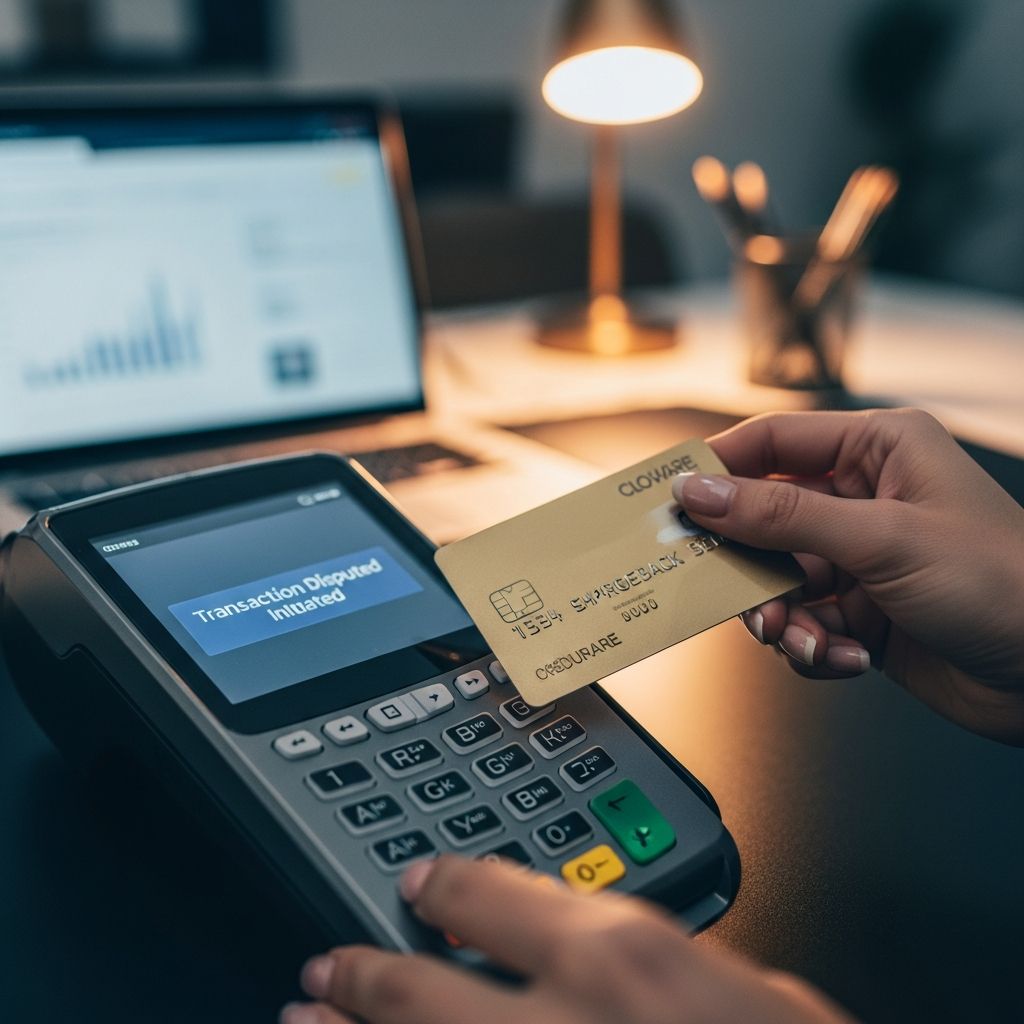
Disputing a credit card charge is a powerful consumer tool protected by federal law, allowing you to challenge unauthorized or incorrect transactions without immediate payment obligation. The
Fair Credit Billing Act (FCBA)
mandates that issuers investigate disputes within specific timelines, often resulting in refunds or reversals when valid.Understanding Your Legal Protections
Credit card disputes fall under the FCBA, which safeguards against billing errors, unauthorized use, and certain merchant failures. You must initiate disputes within
60 days
of the statement date showing the charge to qualify for full protections. Issuers have 30 days to acknowledge receipt and up to 90 days for resolution, during which you can withhold the disputed amount plus related finance charges.This framework ensures fairness, as issuers must provide written explanations if denying claims and allow appeals with additional evidence. Even paid charges can be disputed, though refunds depend on the outcome.
Common Valid Grounds for Disputes
Not every dissatisfaction warrants a dispute; focus on scenarios with clear legal backing. Below are key categories where success rates are high.
Unauthorized Transactions
If a charge appears without your approval, such as due to theft or fraud, dispute immediately. Federal law limits liability to $50 for unauthorized use if reported promptly, often $0 with zero-liability policies. Provide police reports or affidavits for stronger cases.
Billing and Math Errors
Double charges, incorrect amounts, or computational mistakes qualify. For instance, if a $100 purchase bills as $200, issuers must correct it upon proof like receipts.
Non-Delivered Goods or Services
When merchants fail to ship items or provide services after payment and you’ve attempted resolution, disputes apply—provided the charge hasn’t been fully paid. Include tracking details showing non-delivery.
Defective Products or Poor Services
For items not as described or services not rendered adequately, after good-faith merchant contact, pursue chargebacks. Evidence like photos, communications, or return refusals bolsters claims.
Subscription and Recurring Issues
Unauthorized renewals or failures to cancel subscriptions justify disputes. Cancellation confirmations or terms violations support reversals.
Merchant Closure or Non-Response
If a business shuts down or ignores refund requests post-purchase, card networks like Visa or Mastercard facilitate chargebacks through issuers.
Other Recognized Errors
Charges for items not accepted (e.g., canceled orders) or ATM fees without service also qualify under FCBA.
| Dispute Reason | Key Evidence Needed | Typical Timeline |
|---|---|---|
| Unauthorized | Police report, no recognition | 60 days from statement |
| Billing Error | Receipts, statements | 60 days |
| Non-Delivery | Tracking, emails | 60-120 days |
| Defective Item | Photos, merchant comms | 60 days |
Step-by-Step Guide to Filing a Dispute
Follow these structured steps for optimal results, combining digital speed with written confirmation for legal safeguards.
- Act Quickly: Contact the merchant first if possible—many resolve informally, speeding up processes.
- Notify Issuer: Call immediately, then follow with written notice within 60 days to the billing inquiries address (not payments).
- Gather Documentation: Compile receipts, emails, photos, and statements.
- Submit Formally: Use online portals (e.g., Chase, Capital One apps) or mail certified letters with FTC sample templates.
- Track Progress: Issuers acknowledge in 30 days; full resolution in 90. Monitor via apps.
- Appeal if Needed: If denied, submit new evidence within 10-60 days depending on issuer.
For digital submissions, always mail a follow-up to ensure FCBA coverage. Pending charges can’t be disputed until posted, typically 1-3 days.
Timelines and Expectations
Adhering to deadlines is critical:
- 60 days: From statement date for FCBA protection.
- 30 days: Issuer acknowledgment.
- 90 days: Resolution, extendable for international.
- 120 days: Some networks for full cycle.
Temporary credits often appear during investigation; outcomes may reapply partial charges.
Potential Outcomes and Next Steps
Successful disputes remove charges and fees. Denials include written reasons and appeal rights. If unresolved, escalate to CFPB or state AG. Merchants can counter with evidence, potentially reinstating charges via representment.
Tips for Successful Disputes
- Document everything meticulously.
- Be specific in descriptions.
- Avoid disputing minor amounts unnecessarily to preserve issuer goodwill.
- Check card terms for enhanced protections.
- For fraud, freeze cards immediately.
Frequently Asked Questions (FAQs)
Can I dispute a charge after paying it?
Yes, but refunds await resolution.
What if 60 days have passed?
Some issuers allow later for fraud, but FCBA protections lapse.
Do debit cards have similar rights?
Limited; Regulation E applies differently.
How long until I see a provisional credit?
Often immediate upon filing, pending investigation.
Can merchants win back the charge?
Yes, via representment with compelling evidence.
State-Specific Considerations
While FCBA is federal, states like California add rules, such as 1-year windows for quality disputes if unpaid. Always verify local AG guidance.
Mastering disputes empowers financial control. By recognizing valid claims and following protocols, consumers recover billions annually from erroneous charges.
References
- How to Dispute a Credit Card Charge — Experian. 2023. https://www.experian.com/blogs/ask-experian/how-to-dispute-credit-card-charge/
- How do I dispute a charge on my credit card bill? — Consumer Financial Protection Bureau. 2023. https://www.consumerfinance.gov/ask-cfpb/how-do-i-dispute-a-charge-on-my-credit-card-bill-en-61/
- Credit Cards – Disputing A Charge — California Department of Justice. 2023. https://oag.ca.gov/consumers/general/credit-cards-dispute-charge
- Disputing a Charge — Chase. 2023. https://www.chase.com/personal/credit-cards/dispute
- Credit card dispute process — Capital One. 2023. https://www.capitalone.com/help-center/fraud-disputes/dispute-credit-charge/
- How to Dispute a Charge and Check the Status of Your Claim — Bank of America. 2023. https://www.bankofamerica.com/help/how-to-dispute-a-charge/
- Using Credit Cards and Disputing Charges — Federal Trade Commission. 2023. https://consumer.ftc.gov/articles/using-credit-cards-and-disputing-charges
Similar Articles








Read full bio of medha deb