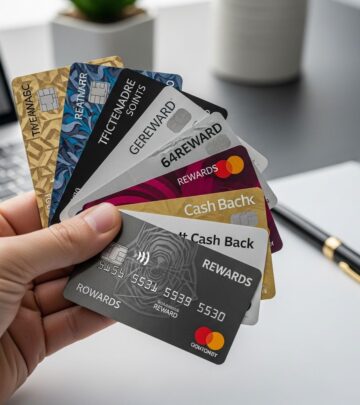
When To Add A Second Credit Card: 5 Smart Rules
Discover strategic moments to apply for an additional credit card and boost rewards while managing risks effectively.

Deciding to apply for a second credit card involves balancing potential advantages with inherent risks. For many, an additional card enhances financial flexibility when timed correctly, but poor timing or mismanagement can lead to setbacks. This guide examines optimal scenarios for expansion, key factors to evaluate, and strategies for success.
Strategic Reasons for a Second Card
Financial experts highlight several situations where introducing a second card proves beneficial. Primarily, it allows users to optimize rewards by aligning cards with spending patterns. For instance, one card might excel in travel rewards while another focuses on everyday cash back.
- Reward Optimization: Multiple cards enable earning higher returns across categories like groceries, gas, or dining. Pairing a flat-rate cash-back card with a category-specific one maximizes overall value.
- Emergency Preparedness: A backup card provides security if the primary is declined, lost, or compromised, especially useful during travel where foreign fees vary.
- Debt Management: Balance transfer options on a new card can consolidate high-interest debt, potentially accessing 0% introductory APRs to reduce costs.
These benefits shine brightest for disciplined users with stable finances. According to financial analyses, strategic pairing, such as a general cash-back card with a travel rewards option, delivers substantial value without excessive complexity.
Impact on Credit Health
A second card influences credit scores through multiple channels, offering both opportunities and challenges. Understanding these dynamics is crucial before applying.
| Factor | Positive Effect | Potential Negative |
|---|---|---|
| Credit Utilization | Increases total credit limit, lowering ratio if spending stays constant (aim below 30%). | High usage across cards raises ratio, harming scores. |
| Payment History | Consistent on-time payments across cards strengthen history. | Missed payments on any card damage overall score. |
| Credit Age | Minimal long-term impact if primary account is established. | New account temporarily lowers average age. |
| Credit Mix | Limited boost since both are revolving credit. | Over-diversification unnecessary. |
Lower utilization from added limits signals responsible behavior to lenders, potentially boosting scores over time. However, initial hard inquiries cause temporary dips, and frequent applications exacerbate this.
Potential Drawbacks to Consider
While upsides exist, multiple cards introduce complexities that demand vigilance.
- Management Challenges: Tracking varied due dates, rewards, and fees increases error risk, leading to late fees and interest accrual.
- Overspending Temptation: Expanded limits encourage impulse buys, fostering debt accumulation if not curbed.
- Fee Accumulation: Annual fees stack up, eroding rewards unless offset by usage.
- Score Volatility: Hard inquiries and shorter average account age can drop scores short-term, particularly with rapid applications.
Individuals prone to overspending or with existing debt should pause, as added cards amplify risks rather than mitigate them.
Assessing Your Readiness
Self-evaluation precedes application. Use this checklist to gauge preparedness:
- Do you pay balances in full monthly and maintain low utilization on your current card?
- Is your credit score above 700, indicating strong management?
- Can you articulate a specific benefit, like targeted rewards or backup protection?
- Are you comfortable tracking multiple accounts via apps or statements?
- Does your budget accommodate potential fees without strain?
Affirmative answers across these points suggest readiness. Pre-approval checks minimize inquiry impacts by revealing likely approvals without hard pulls.
Selecting the Ideal Second Card
Choice hinges on lifestyle and goals. Review these elements:
- APRs and Promotions: Seek introductory offers for purchases or transfers, noting end dates and penalty rates.
- Rewards Alignment: Match bonuses to habits—travel for frequent flyers, cash back for routine spends.
- Fees: Weigh annual costs against perks; no-fee options suit casual users.
- Perks: Prioritize travel insurance, purchase protection, or extended warranties if relevant.
Complement your existing card: a no-frills cash-back alongside a premium travel card creates synergy.
Best Practices for Multiple Cards
Success with two cards demands disciplined habits:
- Automate payments to avoid misses.
- Monitor utilization monthly, paying down before statements close.
- Designate cards by category to simplify tracking.
- Review statements quarterly, canceling underused cards after a year.
- Leverage apps for consolidated views of balances and due dates.
Responsible use not only preserves but enhances creditworthiness, opening doors to premium offers.
Frequently Asked Questions
Will a second card improve my credit score?
Potentially yes, via lower utilization and proven payment history, though initial application causes a dip. Long-term gains depend on management.
How many credit cards is too many?
Two to four suits most; beyond risks management overload without proportional benefits. Tailor to needs.
Can I get a second card with fair credit?
Possible, but options limit to higher rates/fees. Build first with responsible use before expanding.
What if I miss a payment on one card?
Impacts all scores; pay minimums promptly and address fully to minimize damage.
Are rewards worth multiple cards?
For strategic spenders yes, amplifying savings. Casual users may suffice with one versatile card.
Final Thoughts on Expansion
Timing a second card around life changes—like increased travel or homeownership—maximizes utility. Prioritize financial stability over novelty to reap rewards without regret. Consult scores regularly and adjust as circumstances evolve for sustained success.
References
- Pros and Cons of Having Multiple Credit Cards — IDFC FIRST Bank. 2024. https://www.idfcfirst.bank.in/finfirst-blogs/credit-card/multiple-cashback-credit-cards-pros-and-cons
- The Pros and Cons of Multiple Credit Cards — SmartAsset. 2024. https://smartasset.com/credit-cards/the-pros-and-cons-of-multiple-credit-cards
- The pros and cons of having more than one credit card — The Week. 2024. https://theweek.com/personal-finance/multiple-credit-cards-pros-cons
- Should I Get a Second Credit Card? — Capital One. 2024. https://www.capitalone.com/learn-grow/money-management/second-credit-card/
- How many credit cards should you have? — The Points Guy. 2024. https://thepointsguy.com/credit-cards/how-many-credit-cards-should-you-have/
- How Many Credit Cards Should I Have? — Equifax. 2024. https://www.equifax.com/personal/education/credit-cards/articles/-/learn/how-many-credit-cards-should-i-have/
Similar Articles








Read full bio of medha deb