When Refinancing Your Home Isn’t Worth It
Explore the hidden pitfalls of home refinancing that could cost you time, money, and equity before you sign on the dotted line.

Refinancing a mortgage promises lower rates or cash access, but it often introduces significant drawbacks that outweigh benefits for many homeowners. Upfront costs, prolonged debt, and financial risks make it a decision requiring careful evaluation.
Upfront Expenses That Eat Into Savings
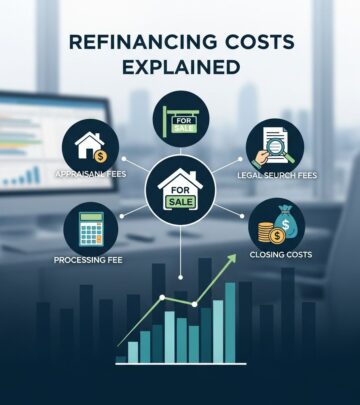
One of the biggest barriers to profitable refinancing is the array of closing costs involved. These fees typically range from 2% to 6% of the new loan amount, covering appraisals, origination charges, title insurance, and more. For a $300,000 loan, this could mean $6,000 to $18,000 out of pocket or rolled into the loan, increasing overall debt.
Homeowners must calculate the break-even point: divide total costs by monthly savings. If rates drop only slightly, it might take years to recoup expenses. Selling before then results in net losses. Experts advise setting aside about $5,000 for these upfront demands, which strains budgets already stretched by homeownership.
Prolonging Your Path to Debt-Free Homeownership
Switching to a new 30-year mortgage resets the repayment timeline, even if you’ve paid down years on the original loan. This extension means more total interest paid over the life of the loan, despite potentially lower monthly payments.
For instance, midway through a 30-year term, refinancing restarts the clock, delaying full ownership by decades. While this eases short-term cash flow, it undermines long-term wealth building by inflating interest expenses. Shorter terms might save interest but hike monthly obligations, risking default if income falters.
Credit Score Disruptions from the Refinance Process
Applying triggers hard inquiries, temporarily dinging credit scores by several points. Opening a new account while closing the old one shortens credit history length, another scoring factor.
Though dips are often minor and recover quickly, they matter for those eyeing other credit needs soon, like auto loans or cards. Multiple lender shopping exacerbates inquiries, compounding the hit.
Cash-Out Refinancing: Draining Your Equity Reserves
Cash-out options let borrowers tap equity for renovations or debt consolidation, but they reduce home equity—the portion you truly own. Pulling $60,000 from $100,000 equity leaves just $40,000, heightening vulnerability to market dips or job loss.
Over-borrowing tempts during home value booms, but declining prices can trap owners underwater, complicating sales or further borrowing. This strategy suits only those with ironclad repayment plans and conservative withdrawal amounts.
Rate Drops Too Small to Justify the Hassle
Not all rate reductions deliver meaningful savings. If current rates barely budge from your existing mortgage, post-fee benefits shrink. Minimal payment drops fail to offset time-intensive processes like paperwork and appraisals.
Refinancing demands re-underwriting: income verification, asset proofs, and property evaluations. This disrupts life without proportional rewards when savings hover under $100 monthly.
The Time-Consuming Nature of the Application
Beyond fees, refinancing mirrors buying a home: weeks or months of documentation, lender communications, and waiting. Delays frustrate, especially amid rising rates or life changes.
Streamlined programs exist for low-risk cases, but most endure full scrutiny. If moving soon, this effort yields zero long-term gain.
Potential for Higher Monthly Payments
Opting for shorter terms cuts interest but spikes payments. A 15-year refinance might save thousands overall yet strain budgets if income doesn’t support 50%+ hikes.
Default risks rise, potentially leading to foreclosure—the ultimate financial setback. Budget buffers are essential before pursuing aggressive paydown strategies.
| Cost Type | Typical Range (% of Loan) | Example ($300K Loan) |
|---|---|---|
| Origination Fee | 0.5-1% | $1,500-$3,000 |
| Appraisal | Flat $300-500 | $300-500 |
| Title Insurance | 0.5-1% | $1,500-$3,000 |
| Total Closing Costs | 2-6% | $6,000-$18,000 |
This table illustrates common expenses, underscoring why quick flips rarely pay off.
Market Timing Risks and Rate Volatility
Rates fluctuate; locking in now might precede deeper drops, leaving refinancers regretting the move. Waiting often proves wiser if trends signal declines.
Over-optimism on future stability ignores economic shifts like inflation or policy changes, amplifying regret.
Assessing Personal Circumstances Before Deciding
Key questions guide choices:
- How long will you stay? Short tenures forfeit cost recovery.
- Can you cover fees without depleting savings?
- Do goals align—lower payments, faster payoff, or equity access?
- Is your credit primed for inquiries?
- Will payments fit post-refinance budget?
Running scenarios via calculators reveals true viability.
Alternatives to Full Refinancing
Consider these lower-risk options:
- Recasting: Lump-sum principal payments with servicer approval to lower payments sans new loan.
- Biweekly Payments: Accelerate payoff, slashing interest without fees.
- HELOCs: Flexible equity lines avoid resetting mortgages.
- Rate-and-Term Refis: Limit to rate drops, dodging cash-out pitfalls.
These preserve equity and minimize disruptions.
Frequently Asked Questions
How long to break even on refinance costs?
Typically 2-5 years, depending on savings vs. fees. Calculate: costs ÷ monthly savings.
Does refinancing always lower payments?
No—shorter terms raise them. Cash-outs often increase debt loads.
Impact on credit score?
Temporary 5-10 point drop from inquiries; history shortens slightly.
Best time to refinance?
When rates drop 0.5-1%+, stay long-term, and costs recoup quickly.
Cash-out safe?
Only if conservative; preserves equity buffer against downturns.
Final Thoughts on Smart Decision-Making
Refinancing suits specific scenarios but pitfalls abound for others. Prioritize calculations, timelines, and goals to avoid costly mistakes. Consulting lenders illuminates personalized math.
References
- Pros & Cons of Refinancing Your Mortgage — CACCU. 2023. https://www.caccu.org/pros-cons-of-refinancing-your-mortgage/
- Pros and Cons of Refinancing Your Home — American Express. 2024. https://www.americanexpress.com/en-us/credit-cards/credit-intel/pros-and-cons-of-refinancing/
- Pros and Cons of Refinancing Mortgages — Chase Bank. 2024. https://www.chase.com/personal/mortgage/education/financing-a-home/pros-and-cons-of-refinancing-mortgages
- The Pros and Cons of Refinancing — Central Bank. 2023. https://www.centralbank.net/personal/home-loans/refinance/pros-and-cons-of-refinancing/
- Pros and Cons of Refinancing — Rocket Mortgage. 2024. https://www.rocketmortgage.com/learn/pros-and-cons-of-refinancing
Similar Articles








Read full bio of medha deb