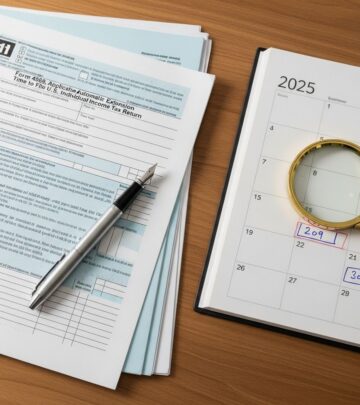
When Are Taxes Due in 2025? Key Deadlines
Complete guide to 2025 tax deadlines, extensions, and penalties for all filers.

When Are Taxes Due in 2025? Deadlines to Know
Tax season can feel overwhelming, especially when you’re unsure about deadlines. As of early April 2025, millions of taxpayers across the United States are racing to meet the federal income tax filing deadline. Understanding when your taxes are due is crucial to avoid penalties and interest charges. This comprehensive guide covers everything you need to know about tax deadlines in 2025, including regular deadlines, state-specific dates, extension options, and what happens if you miss the deadline.
When Is Tax Day 2025?
For most taxpayers in the United States, Tax Day in 2025 falls on Tuesday, April 15. This is the standard deadline for submitting your federal income tax return to the Internal Revenue Service (IRS). On this date, you must either complete your tax filing or request an extension if you need additional time to prepare your return.
It’s important to note that Tax Day isn’t always April 15. The IRS adjusts the deadline when it falls on a weekend or a federal holiday. For example, in 2024, the tax deadline in Maine and Massachusetts was moved to April 17 because April 15 fell on Patriots’ Day, a state holiday. Similarly, in 2023, Tax Day was April 18 instead of the traditional April 15 date. These shifts ensure that taxpayers have a full business day to submit their returns.
State-Specific Tax Filing Deadlines
While April 15 is the federal tax deadline for most Americans, some states have different deadlines, particularly those affected by natural disasters or state-specific relief measures. Understanding your state’s requirements is essential to avoid missed deadlines.
Hurricane Relief and Extended Deadlines
States affected by Hurricane Helene have received special consideration from the IRS. Residents in several states and regions have been granted extended filing deadlines:
- Hawaii residents: April 21
- Delaware residents: April 30
- Georgia and South Carolina: May 1
- Alabama, Florida, Georgia, North Carolina, and South Carolina: May 1 (hurricane relief)
- Parts of Alaska, New Mexico, Tennessee, and Virginia: May 1 (disaster relief)
- Los Angeles County, California: October 15 (disaster relief)
- All of Kentucky and parts of West Virginia: November 3
These extensions are typically automatic and based on your address of record, meaning you shouldn’t need to take any additional action to qualify. The IRS automatically recognizes your eligibility and grants the extended deadline.
What Is the Last Day to File Taxes?
The last day to file your federal income tax return without facing penalties is generally April 15, 2025. However, if you need more time, you have options. To be considered “on time,” you must electronically file your return by 11:59 p.m. on April 15. If you prefer to mail your return, your envelope must be postmarked by April 15 to meet the deadline.
If you cannot meet the April 15 deadline, you can request a filing extension by submitting Form 4868 to the IRS. You don’t need to provide an explanation for why you need an extension—the IRS simply requires that you submit the request on or before the original deadline. If your extension is approved, your new deadline becomes October 15, providing you with a six-month extension to file your return without incurring penalties.
Filing Extensions and How They Work
Filing an extension gives you extra time to prepare your tax return, but it’s important to understand what an extension does and doesn’t do. An extension to file does not extend the time you have to pay taxes you owe. If you anticipate owing taxes, you should pay as much as possible by April 15 to minimize penalties and interest.
State Extension Rules
Extension rules vary by state. Some states require you to submit a separate extension request by the original deadline if you need extra time to file. Other states automatically grant the extension if certain conditions are met, such as:
- You are due a refund
- You pay part of your total tax burden by the deadline
- You already requested a federal extension
Check with your state’s tax authority to understand the specific requirements in your state.
Natural Disaster Relief and Extended Filing Deadlines
The IRS recognizes that natural disasters can make it difficult for taxpayers to meet regular filing deadlines. Individuals impacted by natural disasters are granted additional time to both file and pay their taxes. In 2025, this relief has been extended to several regions affected by recent hurricanes and other disasters. These automatic extensions are based on your address of record, so if you live in an affected area, you should automatically receive the extended deadline without taking additional action.
What Happens If You Miss the Tax Deadline?
Missing the tax filing deadline can result in significant penalties and interest charges. Even if you’re owed a refund, filing late can delay receiving your money. Understanding the penalties can motivate you to file on time or request an extension before the deadline.
Failure-to-File Penalty
The failure-to-file penalty is the more severe of the two primary penalties. If you fail to file your tax return by the deadline, the IRS charges 5% of your due tax amount for each month your return is late, up to a maximum of 25%. This penalty accumulates quickly, so a return filed five months late could result in a 25% penalty on top of the taxes owed.
Failure-to-Pay Penalty
If you file your return on time but fail to pay the taxes you owe, the IRS charges 0.5% of what you owe for each month you don’t pay, also capped at a maximum of 25%. While this penalty accrues more slowly than the failure-to-file penalty, it can still add up significantly over time.
Interest Charges
In addition to penalties, the IRS charges interest on any unpaid taxes. Interest compounds daily and is calculated based on the federal short-term rate, making it important to pay your taxes as soon as possible.
Quarterly Estimated Tax Payments
Self-employed individuals, independent contractors, gig workers, and anyone with income not subject to tax withholding must make quarterly estimated tax payments throughout the year. These payments are due on specific dates:
- Q1 (January 1 – March 31): Due April 15
- Q2 (April 1 – May 31): Due June 15
- Q3 (June 1 – August 31): Due September 15
- Q4 (September 1 – December 31): Due January 15 of the following year
For 2025, the final quarterly estimated tax payment is due January 15, 2026. Failing to make these payments can result in penalties and interest charges.
Business Tax Filing Deadlines
Different types of business entities have different tax filing deadlines. Understanding which deadline applies to your business is crucial for compliance.
Partnership and S-Corporation Deadlines
Partnerships, including multi-member LLCs and S-Corporations, typically have a tax filing deadline of March 15 for calendar year filers. A six-month extension to September 15 can be requested using Form 7004. If March 15 falls on a weekend or holiday, the deadline is moved to the next business day.
C-Corporation Deadlines
C-Corporations filing on a calendar year basis have a deadline of April 15, the same as individual filers. An extended deadline of October 15 can be obtained by filing Form 7004.
Fiscal Year Businesses
If your business operates on a fiscal year basis, your return is typically due by the 15th day of the third or fourth month following the close of your fiscal year, depending on your business entity type. For example, if your business uses an April 1 to March 31 tax year, your return would be due by June 15 instead of March 15.
Electronic Filing Deadlines
The IRS continues to accept electronically filed returns after the official deadline of April 15, though filing late will result in penalties if you owe taxes. Electronic filers have until 11:59 p.m. on April 15 to submit their returns. This means returns submitted at 12:00 a.m. on April 16 would be considered late.
Mail-In Filing Deadlines
If you prefer to mail your tax return rather than filing electronically, your envelope must be postmarked by April 15 to be considered timely. This postmark date is crucial—the IRS will not accept a return based on when it arrives, only when it was mailed. For this reason, many tax experts recommend electronic filing, which provides immediate proof of submission.
Key Deadlines Summary Table
| Deadline Type | Due Date | Notes |
|---|---|---|
| Federal Income Tax Returns | April 15, 2025 | Automatic extension available to October 15 |
| Partnership & S-Corp Returns | March 15, 2025 | Extension to September 15 available |
| C-Corporation Returns | April 15, 2025 | Extension to October 15 available |
| Q1 Estimated Tax Payment | April 15, 2025 | For self-employed individuals |
| Q2 Estimated Tax Payment | June 15, 2025 | For self-employed individuals |
| Q3 Estimated Tax Payment | September 15, 2025 | For self-employed individuals |
| Q4 Estimated Tax Payment | January 15, 2026 | For self-employed individuals |
| Disaster Relief Deadline | May 1 – Nov 3, 2025 | Varies by location and disaster |
Frequently Asked Questions About Tax Deadlines
Q: What if April 15 falls on a Saturday or Sunday?
A: If April 15 falls on a weekend, the deadline is automatically extended to the next business day (typically Monday). If it falls on a federal holiday, the deadline moves to the next business day after the holiday.
Q: Can I get an extension without explaining why?
A: Yes. You can request a filing extension using Form 4868 without providing any reason. The IRS approves extensions routinely without requiring explanation, extending your deadline to October 15.
Q: Does an extension also extend my payment deadline?
A: No. An extension to file does not extend the time to pay taxes owed. You should pay any estimated taxes due by April 15 to avoid interest and penalties, even if you have an extension to file.
Q: How much are the penalties for missing the deadline?
A: The failure-to-file penalty is 5% per month (up to 25%), while the failure-to-pay penalty is 0.5% per month (up to 25%). Interest also accrues daily on unpaid taxes.
Q: What if I live in a disaster-affected area?
A: If you live in an area that received disaster relief, your extension is automatic based on your address of record. You should not need to take any action to qualify, and the IRS will recognize your extended deadline.
Q: When does tax season typically begin?
A: Tax season typically begins in late January or early February when the IRS starts accepting returns. The exact date varies each year based on system preparations and IRS announcements.
Important Tips for Meeting Tax Deadlines
To ensure you meet your tax obligations on time, consider these important tips:
- File early: Filing early gives you time to address any issues before the deadline approaches.
- Use electronic filing: E-filing is faster, more accurate, and provides immediate confirmation of receipt.
- Request an extension if needed: If you can’t file by April 15, submit Form 4868 before the deadline to avoid penalties.
- Pay estimated taxes on time: If you’re self-employed, make quarterly estimated tax payments to avoid large balances due at tax time.
- Keep records: Maintain all receipts, statements, and documentation to support your tax return for at least three years.
- Monitor state deadlines: Some states have different deadlines than the federal government, so verify your state’s requirements.
Conclusion
Understanding tax deadlines is essential for every taxpayer. While April 15, 2025, is the standard federal deadline for most Americans, various exceptions exist based on location, business type, and circumstances. Filing on time or requesting an extension before the deadline helps you avoid significant penalties and interest charges. Whether you’re an individual filer, self-employed professional, or business owner, mark your calendar, prepare your documents, and take advantage of available extensions if needed. For the most current information about your specific tax situation, consult with a qualified tax professional or visit the IRS website.
References
- When Are Taxes Due in 2025? Deadlines to Know — Money Magazine. 2025. https://money.com/when-are-taxes-due/
- Internal Revenue Service Tax Deadlines and Extensions — U.S. Department of the Treasury. 2025. https://www.irs.gov/
- Every Tax Deadline You Need To Know — TurboTax by Intuit. 2025. https://turbotax.intuit.com/tax-tips/tax-planning-and-checklists/important-tax-deadlines-dates/
- Need Tax Help? 11 Questions You’re Too Stressed to Google — Money Magazine. 2025. https://money.com/tax-help-common-questions-2025/
- When Are State Taxes Due? Here Are the 2025 Deadlines — Nasdaq. 2025. https://www.nasdaq.com/articles/when-are-state-taxes-due-here-are-2025-deadlines
Similar Articles








Read full bio of medha deb