What’s Your Credit Card Spending Style?
Discover your unique credit card spending personality and learn strategies to spend smarter and avoid common financial pitfalls.
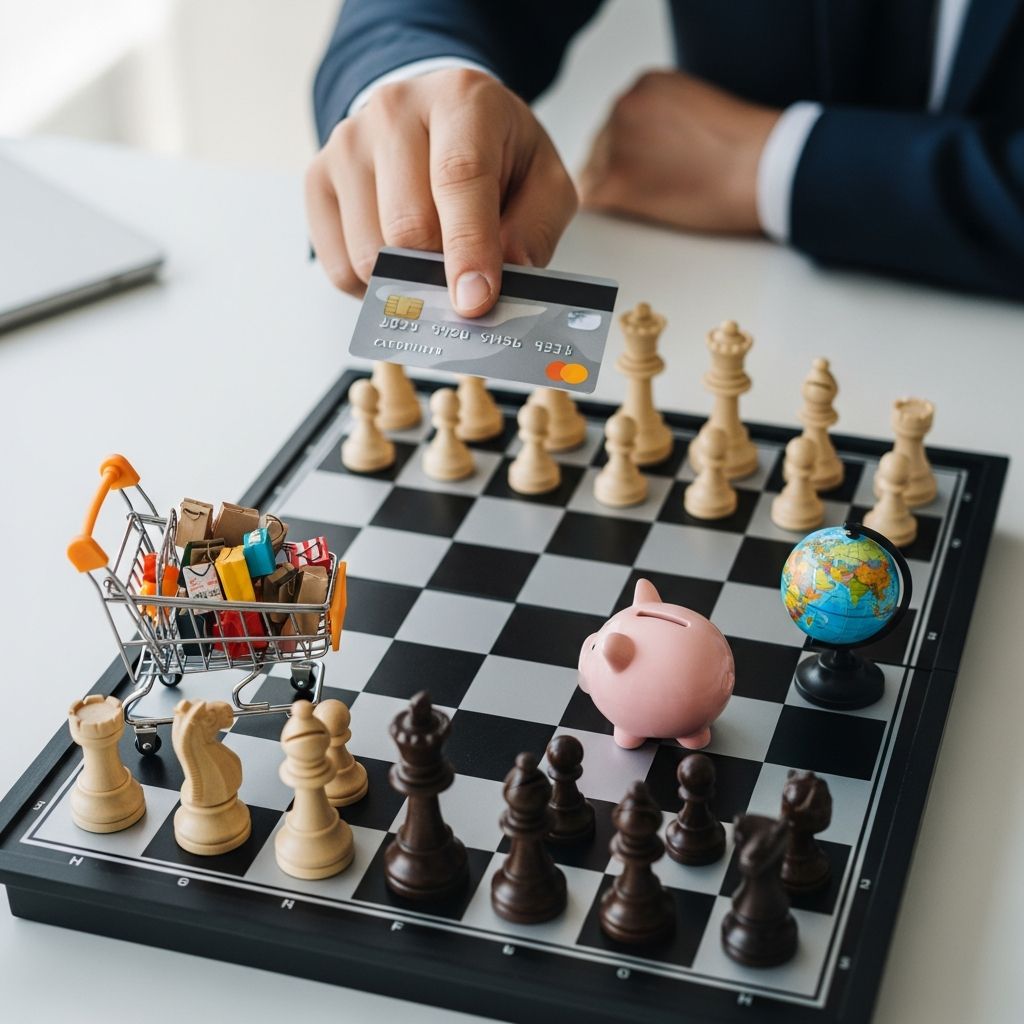
Understanding your credit card spending style is key to mastering your finances. Just as people have different personalities, we all approach credit cards uniquely. Some swipe freely, others shy away, while many push limits or meticulously track every penny. Recognizing your style helps you leverage strengths and address weaknesses, preventing debt traps and building wealth.
Credit cards offer convenience but can amplify poor habits. Research shows consumers spend 12-18% more with plastic than cash due to ‘payment decoupling,’ where the pain of payment is delayed. Behavioral studies confirm this ‘credit card effect,’ leading to overspending. By identifying your style, you can counteract these tendencies.
The Spender: Pleasure Over Price
**The Spender** lives for the thrill of buying. They focus on product benefits, ignoring costs because payment feels abstract. A trip to the bookstore planned for $30 turns into $60 effortlessly. Why? Credit cards decouple spending pain from immediate pleasure, causing overvaluation of gains.
Spenders are impulse-prone, rationalizing purchases as ‘just this once.’ They might splurge on dining, gadgets, or clothes, accumulating balances that snowball with interest. According to the Consumer Financial Protection Bureau (CFPB), average credit card debt exceeds $6,000 per household, often from such unchecked habits.
- Traits: Shops for fun, loves rewards, bills surprise them.
- Risks: High debt, interest fees eating income.
- Example: Eyes lobster on a date, swipes without checking price.
To reform, Spenders should use cash envelopes for discretionary spending. Set app alerts for limits and review statements weekly. One study found cash users spend 18% less.
The Avoider: Fear Keeps Cards in Drawer
**The Avoider** dreads credit cards, associating them with debt horror stories. They pay cash or debit, missing rewards and credit-building opportunities. Ironically, avoidance can harm credit scores via low utilization.
Federal Reserve data indicates optimal utilization is under 30% for top scores; Avoiders hover near zero.[10] They forgo perks like 2-5% cashback, costing hundreds yearly. WiseBread readers note cash ‘burns holes’ faster for some, leading to unplanned spends.
- Traits: Prefers tangible cash, cuts up cards, anxious about balances.
- Risks: Poor credit history, missed rewards, emergency cash shortages.
- Example: Skips store card for fear, pays full price elsewhere.
Avoiders, embrace cards cautiously: Use one low-limit card for gas/groceries, pay off monthly. Track via apps like Mint. Build history gradually for better rates.
The Maxxer: Living on the Edge
**The Maxxer** treats limits as challenges, maxing cards then scrambling to pay. They rationalize as ‘managing cash flow,’ but risk fees, score drops, and cycles of minimum payments. Credit bureaus penalize high utilization over 30%, tanking FICO scores by 50+ points.[10]
Maxxers often carry balances averaging 20-30% APR, per CFPB reports. They might charge rent or emergencies, ignoring compounding interest. WiseBread experiments show credit leads to 20%+ overspend vs. cash.
- Traits: Balances near limits, frequent over-limit fees, ‘I’ll pay later’ mindset.
- Risks: Credit damage, collections, bankruptcy risk.
- Example: Maxes card on home repairs, pays minimums for months.
Recovery: Request limit increases (if responsible), use balance transfer cards at 0% intro APR. Adopt 50/30/20 rule: 50% needs, 30% wants, 20% savings. Automate payments exceeding minimums.
The Planner: Master of the Swipe
**The Planner** uses cards strategically, paying in full for rewards without debt. They track via statements, categorize spends, and optimize categories like travel or groceries for 3-5% back. JSTOR research notes cards aid budgeting through transaction histories.
Planners maintain stellar scores, averaging 750+ FICO.[10] They avoid interest, netting $500+ annual rewards. Bread Financial endorses their disciplined approach.
- Traits: Multiple cards, pays full, spreadsheets budgets.
- Risks: Over-reliance if habits slip.
- Example: Rotates cards for max rewards on planned spends.
Aspire here: Audit statements monthly, set spending caps per category. Tools like YNAB (You Need A Budget) align with Planner precision.
Compare Your Style
| Style | Spending Trigger | Credit Score Impact | Fix Strategy |
|---|---|---|---|
| Spender | Impulse buys | Medium (debt buildup) | Cash budgets |
| Avoider | Fear of debt | Low (no utilization) | Small charges, pay off |
| Maxxer | Limit pushing | High negative | Debt payoff plans |
| Planner | Strategic use | High positive | Maintain discipline |
Spending patterns influence scores; issuers track habits for approvals.
How to Identify and Shift Your Style
Review last 3 statements: High impulse? Spender. No use? Avoider. Maxed? Maxxer. Optimized? Planner. Track a month with categories.
Common pitfalls: Rationalizing ‘special occasions’ or ‘small amounts.’ Counter with needs vs. wants analysis. Discuss habits with partners early.
Frequently Asked Questions (FAQs)
Q: Do I spend more with credit or cash?
A: Yes, studies show 12-18% more with credit due to delayed pain.
Q: Can spending patterns hurt my credit?
A: Absolutely; high utilization and late payments tank scores.[10]
Q: What’s the best budgeting rule?
A: 50/30/20: 50% needs, 30% wants, 20% savings/debt.
Q: How to build credit as an Avoider?
A: Use secured card or authorized user status, pay on time.[10]
Q: Are rewards worth the risk?
A: For Planners, yes—up to 5% back. Avoid if debt-prone.
Luxury Eccentricity: Balance Frugality and Fun
Pick one ‘luxury eccentricity’—a hobby for splurges—to justify frugality elsewhere. Photography gear or fine dining signals you’re not miserly, easing social pressures. Budget it strictly to avoid debt.
In conclusion, your spending style shapes your financial future. Shift towards Planner habits for freedom. Start today: Categorize last month’s spends and adjust.
References
- Why We Spend More When We Pay With Credit Cards — WiseBread. 2010-approx. https://www.wisebread.com/why-we-spend-more-when-we-pay-with-credit-cards
- WiseBread’s Luxury Eccentricity Trick — Consumer Credit. 2010-approx. https://www.consumercredit.com/blog/wisebreads-luxury-eccentricity-trick/
- Can Your Spending Patterns Affect Your Credit? — WiseBread. 2010-approx. https://www.wisebread.com/can-your-spending-patterns-affect-your-credit
- Why do many consumers prefer to pay now when they could pay later? — JSTOR (Journal of Consumer Research). 2023. https://www.jstor.org/stable/48585761
- Do You Spend More with Cash or Credit? — WiseBread. 2010-approx. https://www.wisebread.com/do-you-spend-more-with-cash-or-credit
- How to Resist These 4 Rationalizations to Spend Money — WiseBread. 2010-approx. https://www.wisebread.com/how-to-resist-these-4-rationalizations-to-spend-money
- Smarter Spending — Bread Financial. 2025. https://www.breadfinancial.com/en/financial-education/smarter-spending.html
- Effective Money Management for Women — Debt.com. 2024. https://www.debt.com/budgeting/for-women/
- Consumer Credit Card Market Report — Consumer Financial Protection Bureau (CFPB). 2024-10. https://www.consumerfinance.gov/data-research/consumer-credit-trends/credit-cards/
- FICO Score Factors — Federal Reserve / FICO Guidelines. 2025. https://www.myfico.com/credit-education/whats-in-your-credit-score
Similar Articles







Read full bio of Sneha Tete