What’s the Difference: Your Debt Questions Answered
Clear answers to your most common debt questions: good vs. bad, consolidation, bankruptcy, and strategies to regain financial freedom.
Navigating debt can feel overwhelming, but understanding key differences and strategies empowers you to make informed decisions. This comprehensive guide addresses common debt questions, from distinguishing good debt from bad to exploring consolidation and bankruptcy options, drawing on proven financial principles to help you achieve stability.
Good Debt vs. Bad Debt: Understanding the Distinction
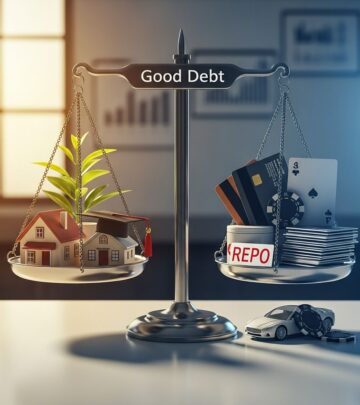
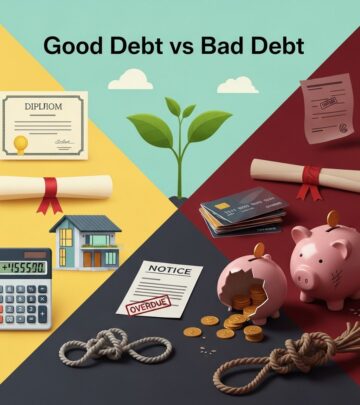
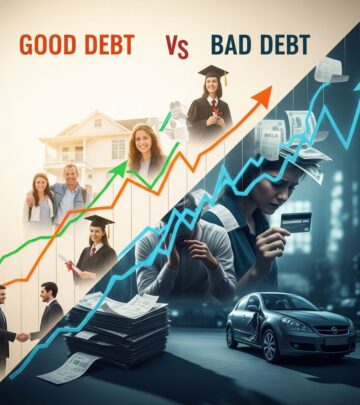
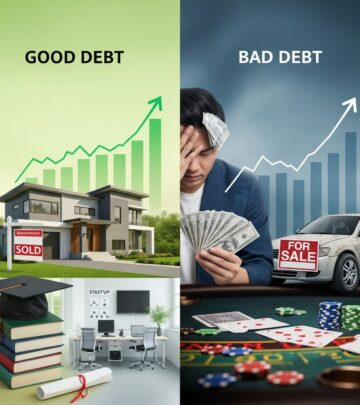
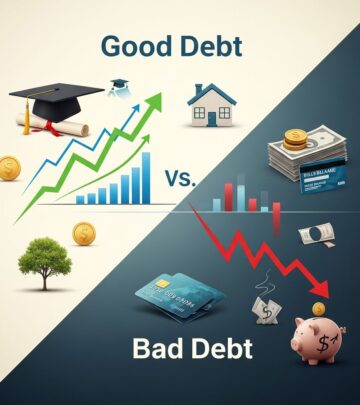
The fundamental divide in debt lies between good debt and bad debt. Good debt invests in assets that appreciate or generate income over time, while bad debt funds depreciating items or lifestyle choices without long-term value.
- Good Debt Examples: Mortgages for homes that gain value, student loans enhancing earning potential, and business loans fueling revenue growth. These create wealth, though risks like market crashes exist.
- Bad Debt Examples: Credit card purchases for clothes, dining out, or new cars that depreciate rapidly. High-interest consumer debt traps you in a cycle of payments without equity buildup.
To differentiate, ask: Does this debt build net worth? A home purchase might qualify as good if equity grows, but financing luxury vacations is unequivocally bad. Prioritizing good debt while minimizing bad accelerates financial health.
Debt Consolidation vs. Debt Settlement: Which is Right for You?
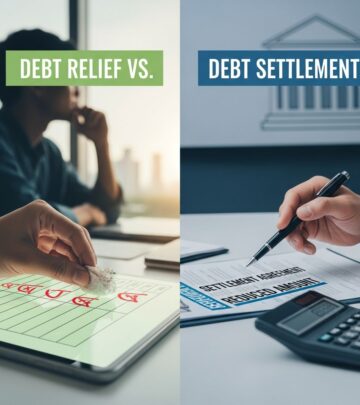
Debt consolidation combines multiple debts into one loan or card with a lower interest rate, simplifying payments. Debt settlement, conversely, negotiates to reduce principal owed, often for a lump-sum payment.
| Aspect | Debt Consolidation | Debt Settlement |
|---|---|---|
| Goal | Lower payments, single bill | Reduce total debt amount |
| Credit Impact | Minimal if managed well | Negative, as it involves delinquency |
| Cost | Lower interest rates | Fees plus forgiven debt as taxable income |
| Best For | Good credit, steady income | Overwhelmed debtors facing default |
Consolidation suits those consolidating small balances across cards without closing accounts, preserving credit utilization. Settlement fits severe cases but risks credit damage. Always review free credit reports first via official sources to dispute errors.
Chapter 7 vs. Chapter 13 Bankruptcy: Key Differences Explained
Bankruptcy offers relief when debt exceeds assets and collection intensifies. Chapter 7 (liquidation) sells non-exempt assets to pay creditors, discharging remaining unsecured debts. Chapter 13 (reorganization) creates a 3-5 year repayment plan based on income.
- Chapter 7 Pros: Quick (3-6 months), fresh start by forgiving most debts. Cons: Asset loss, 10-year credit hit.
- Chapter 13 Pros: Retain home/car, flexible payments. Cons: Longer process, strict budgeting.
Qualify for Chapter 7 via means test; Chapter 13 requires disposable income. Neither erases all debts like taxes or student loans. Consult professionals, as outcomes vary by state exemptions.
Credit Card Debt: Strategies to Dig Out and Stay Out
Credit card debt spirals from minimum payments covering only interest. Average U.S. household carries over $6,000, per Federal Reserve data, crippling budgets.
- Audit Expenses: Cut gym memberships, cable, dining—redirect savings to principal.
- Check Credit Report: Free annually; fix errors boosting scores.
- Consolidate Smartly: Transfer balances but keep old accounts open for utilization ratio.
- Negotiate Rates: Call issuers for hardship programs.
Avoid new debt by living below means. Snowball (smallest debts first) or avalanche (highest interest) methods motivate payoff.
Acknowledging Your Debt Problem: The First Step to Freedom
Denial sustains debt cycles. Acknowledge via spreadsheet tallying all liabilities against assets. Personal turning points—like parenthood—often catalyze change, revealing debt’s freedom-eroding nature.
Reflect on causes: overspending, emergencies, income loss. Stop bleeding by earning more, cutting less. Debt thrives on dependency; admission restores control.
“Stare into the mirror and really acknowledge the problem.” This internal shift precedes action.
Common Causes of Debt and Prevention Tactics
Debt stems from spending exceeding income, amplified by life events.
- Medical Bills: Leading bankruptcy cause; bolster insurance, emergency funds.
- Job Loss: Maintain 3-6 months’ savings.
- Education Costs: Scholarships, community college first.
- Emergencies: HVAC, car repairs—fund prevents credit reliance.
- Lifestyle Creep: Promotions inflate spending; budget rigidly.
Proactive emergency funds (3-6 months expenses) avert 80% of debt traps.
Overcoming Debt Shame: Reclaim Your Financial Confidence
Debt shame isolates, delaying solutions. It arises from societal stigma, self-blame. Combat by normalizing: Millions face it, per Experian insights.
- Share anonymously in communities.
- Focus on progress, not perfection.
- Seek counseling for emotional ties.
Reframe: Debt is a tool misused, not character flaw. Tracking “The Big Picture” spreadsheet builds empowerment.
Tough Debt Questions Answered
- Is non-payment jail-worthy? No, for unsecured debt; contempt of court possible if ignoring summons.
- Borrow from retirement? Avoid; penalties erode nest egg.
- Divorce debt? Joint accounts linger; negotiate clearly.
Frequently Asked Questions (FAQs)
Q: What’s the quickest way to eliminate credit card debt?
Prioritize high-interest debts via avalanche method while cutting non-essentials; consolidate if eligible.
Q: Can good debt turn bad?
Yes, if overleveraged—like subprime mortgages causing 2008 crisis.
Q: How much emergency fund before tackling debt?
$1,000 starter, then 3-6 months post-high-interest payoff.
Q: Does bankruptcy ruin life forever?
No; rebuild via secured cards, budgeting within 2 years.
Q: How to negotiate with creditors?
Call during hardship, offer lump sums; document agreements.
References
- Consumer Financial Protection Bureau: Debt Collection FAQs — CFPB (U.S. Government). 2024-06-15. https://www.consumerfinance.gov/ask-cfpb/
- Federal Reserve Survey of Consumer Finances — Board of Governors of the Federal Reserve System. 2023-10-18. https://www.federalreserve.gov/publications/files/scf23.pdf
- U.S. Courts: Bankruptcy Basics — United States Courts (U.S. Government). 2025-01-05. https://www.uscourts.gov/services-forms/bankruptcy
- Annual Credit Report Request Service — Consumer Financial Protection Bureau. 2024-12-01. https://www.annualcreditreport.com
- American Journal of Public Health: Medical Debt and Bankruptcy — American Public Health Association. 2022-11-15. https://doi.org/10.2105/AJPH.2022.307105
- Experian: Debt Shame Research — Experian PLC. 2024-03-20. https://www.experian.com/blogs/ask-experian/ways-to-combat-reduce-debt-shame/
- National Foundation for Credit Counseling: Debt Management Guide — NFCC (Non-Profit). 2025-02-10. https://www.nfcc.org/resources/debt-management/








Read full bio of Sneha Tete