What’s My Car Worth: Complete Valuation Guide For Sellers
Unlock the true market value of your vehicle with proven strategies, tools, and tips to maximize your sale price confidently.

Determining the right price for your used car is crucial for a successful sale. Factors like mileage, condition, location, and market demand all play key roles in establishing a fair value. This guide explores reliable methods to appraise your vehicle, prepare it for buyers, and close the deal profitably.
Key Factors Influencing Your Car’s Value
Your vehicle’s worth isn’t arbitrary; it’s shaped by several measurable elements. Understanding these helps set realistic expectations and avoid under- or over-pricing.
- Mileage: Lower mileage generally means higher value, as it indicates less wear. Aim to compare against averages for your model year.
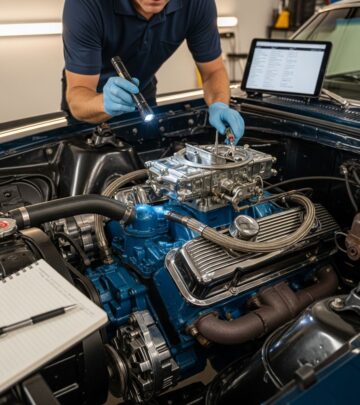
- Condition: Both mechanical reliability and cosmetic appeal matter. Minor repairs can boost value significantly.
- Make and Model Popularity: High-demand vehicles like reliable sedans or SUVs hold value better than niche models.
- Age and Features: Newer cars with modern tech, safety features, or low emissions command premiums.
- Market Trends: Regional demand, fuel prices, and economic conditions fluctuate values seasonally.
Track these via tools that aggregate real sales data for precision.
Top Tools for Accurate Car Valuation
Leverage free online resources from trusted automotive experts to get instant estimates. These platforms use vast databases of recent transactions.
| Tool | Best For | Key Features |
|---|---|---|
| Kelley Blue Book (KBB) | Private sales and trade-ins | VIN-based estimates, condition adjusters, local market data |
| Edmunds | Detailed appraisals | True Market Value, style-specific pricing, negotiation tips |
| CARFAX or NADA | History-integrated values | VIN checks, accident impact on price, dealer offers |
Input your VIN, mileage, zip code, and condition details for tailored results. Cross-reference multiple sites for a price range, typically varying by 10-15%.
Preparing Your Vehicle to Maximize Value
A well-presented car sells faster and for more money. Invest time in these steps to elevate its appeal.
Exterior Enhancements
- Wash and wax thoroughly to restore shine.
- Repair small dents, scratches, or chips professionally if cost-effective.
- Replace worn tires, bulbs, or wipers for safety impressions.
- Remove personal decals or magnets cleanly.
Interior Refresh
- Vacuum, shampoo carpets, and condition leather.
- Eliminate odors with deep cleaning or ozone treatments.
- Clear out all personal items and organize storage.
- Polish dashboards, mirrors, and controls.
Professional detailing costs $100-300 but can increase offers by 5-10%. A pre-sale inspection from a mechanic reveals issues upfront, building buyer trust.
Comparing Sales Options: Private vs. Dealer
Choose based on effort versus payout. Private sales often yield highest returns but require more work.
| Method | Pros | Cons | Avg. Payout |
|---|---|---|---|
| Private Party | Highest price, control over process | Time-intensive, safety risks, haggling | 10-20% above trade-in |
| Trade-In | Convenient, instant offer | Lowest payout, limited negotiation | Baseline value |
| Dealer Buyout | Quick cash, no listing | Moderate offers, condition scrutiny | Mid-range |
| Online Platforms | Wide reach, easy listings | Fees, scams possible | Competitive |
Private sales suit patient sellers; use sites like Autotrader for secure exchanges.
Crafting an Effective Sales Listing
Attract serious buyers with detailed, honest ads. Highlight strengths transparently.
- Photos: 20+ high-res images from all angles, including engine, odometer, interior close-ups, and videos.
- Description: List specs, recent maintenance, VIN for history checks, and unique selling points like new parts.
- Pricing: State asking price above your minimum, note ‘negotiable’ or ‘firm,’ justify deviations from book value.
- Payments: Specify cash, certified checks, or secure transfers; avoid personal checks.
Post on multiple platforms: marketplaces, classifieds, and local groups for maximum exposure.
Negotiation Strategies for Top Dollar
Buyers expect haggling; prepare to defend your price with data.
- Research comparables in your area to counter lowballs.
- Start firm but flexible; know your walk-away number.
- Emphasize value-adds like service records or extras.
- Be ready to walk if offers undervalue your prep efforts.
Average negotiations drop 5-15%; aim high initially.
Essential Paperwork for a Smooth Transfer
Gather documents early to avoid delays. Requirements vary by state, so verify locally.
- Title: Signed over with sale price, odometer reading, date.
- Bill of Sale: Details parties, VIN, price, terms; notarize if required.
- Odometer Disclosure: Federally mandated for accuracy.
- Service Records & History Report: Prove maintenance and transparency.
- Release of Liability: File with DMV post-sale to avoid future responsibility.
- Warranty Info: Transfer or disclose ‘as-is’ status.
If financed, obtain payoff letter from lender first. Use DMV templates for compliance.
Safety Measures During Test Drives and Meetings
Protect yourself in private transactions.
- Meet in public, daylight locations like police stations.
- Verify buyer ID; bring a friend.
- Accompany on test drives; use temporary tags if needed.
- Confirm payment clears before handing keys/title.
- Use escrow for large sums or online platforms’ protections.
Remove plates post-sale and notify DMV immediately.
Frequently Asked Questions
How do I get the most money for my car?
Clean thoroughly, price competitively using KBB/Edmunds, sell privately with strong marketing, and negotiate backed by data.
What’s the difference between trade-in and private sale value?
Private sales fetch 10-30% more due to dealer margins, but involve more effort.
Do I need a vehicle history report to sell?
Not required, but providing one builds trust and justifies price.
How long does a private sale take?
Typically 2-6 weeks, depending on pricing and market.
What if my title is lost?
Apply for a duplicate via DMV before listing.
Final Steps After the Sale
Complete the transaction securely: transfer title, exchange payment/keys, file release of liability, cancel insurance, and update registration. Keep records for taxes if applicable.
References
- How to Sell Your Car — CARFAX. 2025. https://www.carfax.com/selling/how-to-sell-car
- How to Sell a Car: 10 Steps for Success — Kelley Blue Book. 2025. https://www.kbb.com/car-advice/how-to-sell-a-car-10-steps-for-success/
- How to Sell a Car Privately — Progressive. 2025. https://www.progressive.com/answers/how-to-safely-sell-car/
- Selling a Car: What You Should Know — Motus. 2025. https://www.motus.com/blog/what-to-know-when-selling-a-car/
- Vehicle Title Transfer Requirements — U.S. Department of Transportation (via DMV.org references). 2024. https://www.dmv.org
Similar Articles








Read full bio of medha deb