What’s Better: Less Debt or More Savings?
Discover whether prioritizing debt reduction or building savings offers greater financial security and long-term peace of mind.
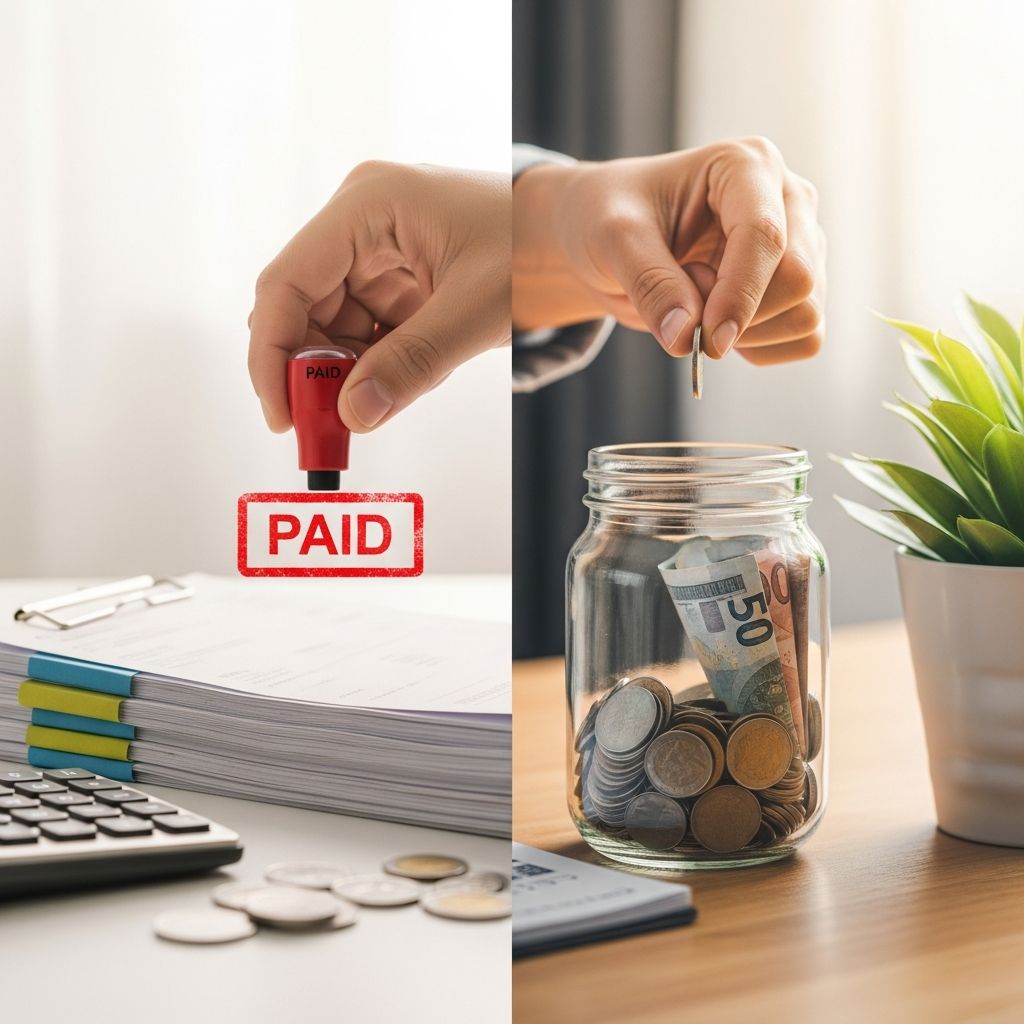
Navigating personal finance often involves tough choices, especially when deciding between paying down debt or building savings. High-interest debt like credit cards can drain your resources, while a robust emergency fund provides security against unexpected expenses. This article examines both approaches, their advantages and drawbacks, and strategies to balance them effectively for optimal financial health.
Understanding the Debt vs. Savings Dilemma
The core question—less debt or more savings?—arises because both are essential yet competing priorities. Financial experts generally recommend tackling high-interest debt first, as it acts like a negative return on your money. For instance, credit card rates often exceed 20%, far outpacing typical savings account yields of 4-5%. However, without savings, life’s surprises can force reliance on more debt, perpetuating a cycle.
Consider a typical scenario: You have $10,000 in credit card debt at 18% interest and $2,000 in savings. Monthly minimum payments barely dent the principal, while interest accrues rapidly. Redirecting funds to savings feels safe but allows debt to grow. Conversely, aggressive debt payoff ignores risks like job loss or medical bills.
Benefits of Prioritizing Less Debt
Reducing debt offers immediate and compounding advantages, freeing up cash flow and reducing financial stress.
- Stress Relief: Eliminating debt payments alleviates anxiety. Studies show financial worry impacts mental health, with debt as a primary stressor.
- Cash Flow Freedom: No more monthly payments means more disposable income for savings, investments, or lifestyle improvements.
- Interest Savings: Paying off a $20,000 car loan early at 3% over 60 months saves over $1,500 in interest. High-interest debts yield even greater savings.
- Future Security: Debt-free status strengthens your net worth, enabling faster wealth-building through retirement contributions or homeownership.
Debt snowball or avalanche methods accelerate this: Snowball targets smallest balances for quick wins, while avalanche hits highest rates first, maximizing interest savings.
Drawbacks of Focusing Solely on Debt Reduction
While powerful, over-prioritizing debt has pitfalls.
- Short-Term Cash Crunch: Extra payments reduce liquidity, potentially requiring spending cuts or reliance on credit for emergencies.
- Limited Interest Savings on Some Loans: Mortgages front-load interest; late payoffs save little.
- Credit Score Impact: Closing installment loans early can shorten credit history or alter utilization ratios, sometimes lowering scores.
| Debt Type | Pros of Early Payoff | Cons of Early Payoff |
|---|---|---|
| Credit Card (Revolving) | High interest savings; improves score | Utilization may spike if not managed |
| Auto Loan (Installment) | Quick cash flow gain | May hurt credit mix |
| Mortgage | Psychological win | Minimal interest savings late-term; opportunity cost vs. investments |
Advantages of Building More Savings
Savings act as a financial buffer, preventing debt accumulation during hardships.
- Emergency Protection: Experts recommend 3-6 months of expenses saved. This covers job loss or repairs without new debt.
- Opportunity Capture: Liquid funds enable investments or big purchases without loans.
- Compound Growth: High-yield accounts grow money over time, offsetting inflation.
- Peace of Mind: A safety net reduces impulse borrowing.
Start small: Automate transfers to savings post-paycheck, treating it like a bill. Windfalls like tax refunds boost it faster.
Downsides of Prioritizing Savings Over Debt
Delaying debt payoff lets interest compound destructively.
- Escalating Costs: 18% credit card debt grows faster than 5% savings earn.
- Missed Debt Benefits: Low-interest debts like mortgages may offer tax deductions or leverage for investments.
- Procrastination Risk: Savings focus can indefinitely postpone debt action.
Hybrid Approach: Balancing Debt and Savings
The optimal strategy balances both. Follow this six-step guide:
- Build Mini Emergency Fund: Save $1,000 first for basics.
- High-Interest Debt Blitz: Pay off anything over 7% aggressively.
- Full Emergency Fund: Aim for 3-6 months expenses.
- Low-Interest Debt: Pay steadily while growing savings.
- Invest: Contribute to retirement accounts.
- Optimize: Refine based on life changes.
For example, use partial savings to chip at credit card debt without depleting the fund entirely.
Real-World Examples and Calculations
Suppose $5,000 credit card debt at 20% interest, $500 savings, $4,000 monthly take-home.
- Debt-First: Pay $2,000/month: Debt gone in 3 months, saves ~$500 interest. Then build savings rapidly.
- Savings-First: Save $2,000/month: 2-month fund, but debt interest adds $333/month.
- Hybrid: $1,000 to debt, $1,000 to savings monthly: Balanced progress.
Over 12 months, debt-first nets higher wealth due to interest avoidance.
Practical Tips to Implement
– Track Everything: Use budgets to allocate funds precisely.
– Boost Income: Side gigs fund both goals.
– Grocery Savings: Cut food bills by 20% via meal planning.
– Automate: Set recurring transfers.
– Review Credit: Improve score for better rates.
Frequently Asked Questions (FAQs)
What should I prioritize if I have high-interest debt and no savings?
Build a $1,000 starter emergency fund first, then attack high-interest debt (>7%) aggressively while maintaining minimum payments on others.
Is it ever okay to save while carrying low-interest debt?
Yes, for debts under 4-5% (e.g., mortgages), as investment returns may exceed the rate. Ensure emergency savings first.
How much should my emergency fund cover?
3-6 months of essential living expenses, adjusted for job stability and family size.
Does paying off debt always improve my credit score?
Not necessarily; installment loans paid early may lower scores by reducing credit mix or history length.
What’s the snowball vs. avalanche method?
Snowball: Smallest debts first for motivation. Avalanche: Highest interest first for savings.
Conclusion: Tailor to Your Situation
Neither extreme—zero debt or max savings—is universally superior. High-interest debt demands priority, but never at the expense of all liquidity. Assess your rates, risk tolerance, and goals. Most thrive with a hybrid: Secure basics, eliminate costly debt, then amplify savings and investments. Track progress quarterly and adjust. Financial freedom comes from intentional balance.
References
- Paying Off Debt Early: Pros and Cons — Nevada State Bank. 2022-11-01. https://www.nsbank.com/personal/community/two-cents-blog/2022-11-01-paying-off-debt-early/
- Financial Literacy Month — Money Management International. Accessed 2026. https://www.moneymanagement.org/blog/financial-literacy-month
- What’s Better: Less Debt or More Savings? — Wise Bread. Accessed 2026. https://www.wisebread.com/whats-better-less-debt-or-more-savings
- Should you save, invest or pay down debt? — Bread Financial. Accessed 2026. https://www.breadfinancial.com/en/financial-education/responsible-saving/save-vs-invest-vs-pay-down-debt.html
- Nine Ways to Keep New Year’s Financial Resolutions — Truliant Federal Credit Union. Accessed 2026. https://www.truliantfcu.org/learn/saving-and-budgeting/nine-ways-to-keep-new-years-financial-resolutions
Similar Articles








Read full bio of Sneha Tete