Store Closing Sales: What You Should Know
Unlock massive savings at store closing sales while avoiding common traps that could cost you more than you save.
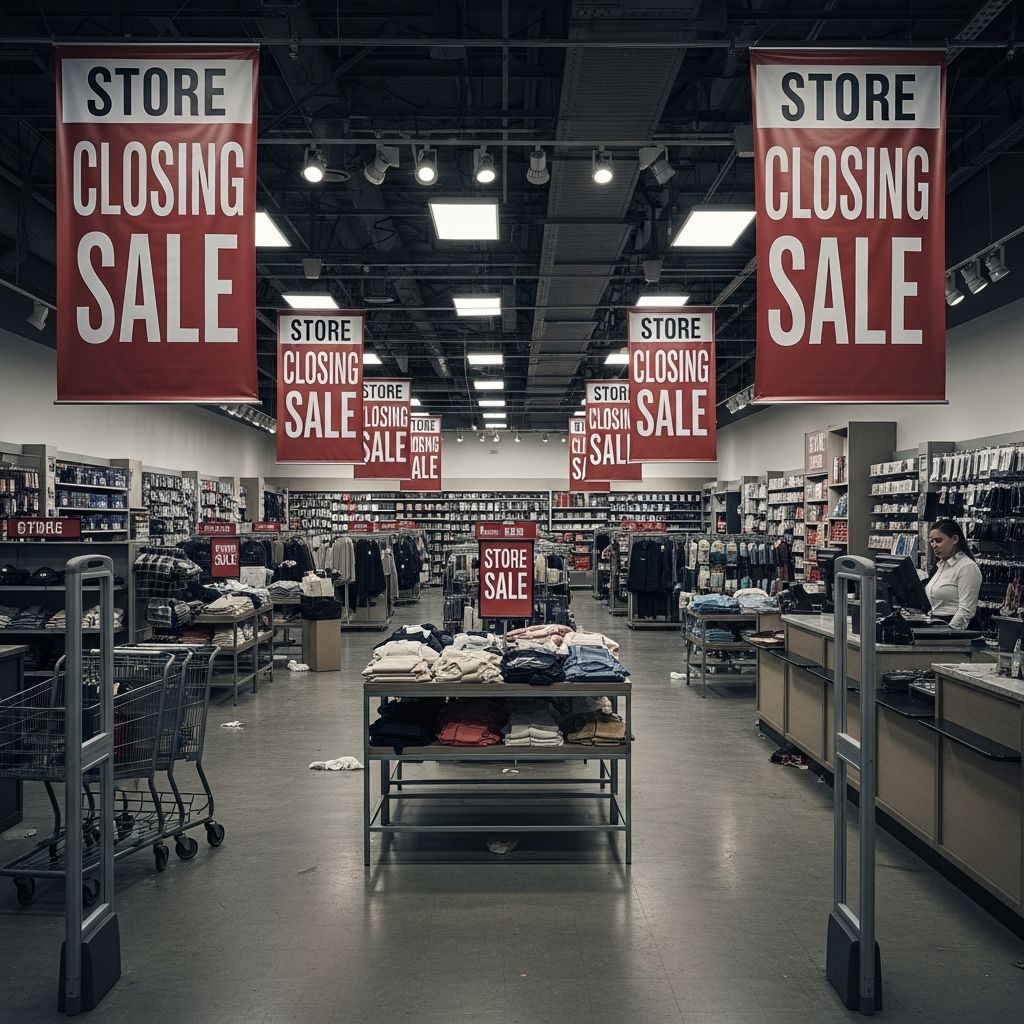
Store closing sales promise deep discounts as retailers liquidate inventory before shutting down. However, these events often come with hidden catches that can turn bargains into bad deals. Understanding the mechanics of liquidation sales helps shoppers secure genuine value while sidestepping common pitfalls.
Store Closing Sales Aren’t Always What They Seem
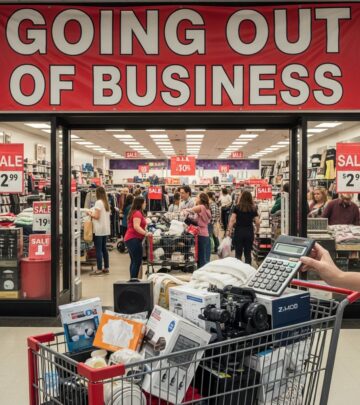
Many “going out of business” signs are marketing ploys rather than true closures. Retailers facing financial pressure or rebranding frequently hire liquidation companies to run sales that inflate original prices before slashing them, creating an illusion of massive savings. In reality, you might pay more than at competing stores.
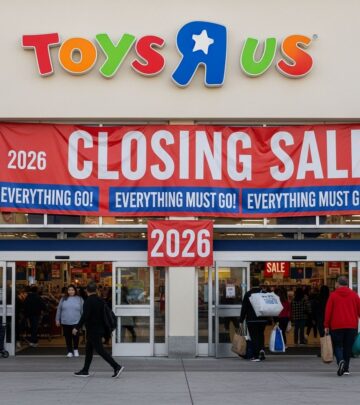
Authentic store closing sales occur when chains like Circuit City, Borders, or Blockbuster genuinely shutter locations due to bankruptcy or lease expirations. These differ from routine clearance events because the store won’t reopen under the same name or ownership. Always verify if the parent company confirms permanent closure via official announcements.
- Check corporate websites or press releases for bankruptcy filings or location-specific closure lists.
- Avoid sales where signs say “Up to 70% Off” without specifying baselines—compare prices at nearby outlets.
- Liquidators like Hilco or Gordon Brothers manage most big sales; research their involvement for red flags.
Discounts Start Small and Ramp Up Slowly
True store closing sales begin conservatively, often with 10-20% off signs to draw crowds early. Discounts escalate weekly—30% in week two, 50% by month-end—as inventory dwindles and pressure mounts to empty shelves. Patience pays: the best deals emerge in final weeks when remaining stock must go.
Expect phased markdowns:
| Week | Typical Discount | Inventory Focus |
|---|---|---|
| 1-2 | 10-30% | Full stock; seasonal items first |
| 3-4 | 30-50% | Popular sizes/sizes sell out |
| 5+ | 50-90% | Odds and ends; fixtures sometimes |
Track progress by noting date-specific signage (e.g., “Week 5: 60% Off Everything”). Early birds snag sizes/brands they want, but latecomers score deepest cuts on leftovers.
Everything Must Go… Except the Good Stuff
Prime inventory—best-sellers, current styles, desirable sizes—vanishes first. What’s left? Odd sizes, discontinued colors, floor models, or damaged goods marked down to move. Fixtures, shelving, and displays often join the sale late, but everyday shoppers rarely need store racks.
- Prioritize needs over wants; measure furniture precisely before buying.
- Inspect electronics for missing accessories or demo-unit wear.
- Apparel shrinks to irregular sizes/colors; stock up on versatile basics if they fit.
Return Policies Disappear
Standard return windows evaporate during liquidations. No refunds, exchanges, or even store credit—sales are final to prevent inventory recirculation. Warranties on appliances/electronics transfer if manufacturer-backed, but retailer guarantees void upon closure.
Test items rigorously:
- Plug in appliances; run software on computers.
- Try clothing/shoes for fit and fabric quality.
- Examine jewelry/watch mechanisms on-site.
Buyer beware: without recourse, imperfect purchases become costly mistakes.
No Raining Checks or Holds
Popular items sell out lightning-fast, with no backorders, rain checks, or layaways. “Hold for you?” requests fall on deaf ears—first come, first served rules absolute. Arrive early for high-demand categories like tools, bedding, or small appliances.
Pro tip: Scout multiple closing locations in the chain; inventory varies by store performance.
Payment Options Shrink
Cash and debit cards dominate; credit cards may incur fees (2-3%) as liquidators avoid processing costs. Checks often rejected due to fraud risks, and financing/layaway programs end early. Bring ample cash for big hauls to dodge surcharges.
Cash Registers Jam, Lines Stretch
Understaffed registers and outdated systems create checkout chaos. Peak weekends see hours-long lines; opt for weekdays or pre-dawn openings. Self-checkout? Rare in liquidations. Patience (or abandon carts if waits exceed 30 minutes).
Quality Takes a Hit
Rushed handling leads to damaged boxes, frayed tags, and mystery items without packaging. Stores prioritize volume over upkeep—swept floors hide hazards. Wear sturdy shoes; watch for trip wires from removed fixtures.
Parking Becomes a Nightmare
Overflow crowds fill lots instantly. Circle blocks or use public transit; carpool to minimize vehicles. Late-afternoon visits post-rush yield calmer hunts.
Final Days: Fixtures and Fittings
In closing’s endgame (last 7-10 days), shelves, counters, lighting, and signage sell cheap. Businesses snag these for startups, but consumers find limited use (e.g., home bars from checkout stands). Skip unless you have space/need.
Tax Still Applies
Sales tax hits every purchase, unchanged by discounts. Factor it into budgets—e.g., 50% off $200 item + 8% tax = $108 total. No exemptions during liquidations.
Online Goes Dark Early
Websites shut down weeks before physical stores, ending e-commerce deals. Brick-and-mortar remains your sole option; monitor corporate news for timelines.
Best Categories for Deals
Certain departments shine:
- Tools/Hardware: High demand, low damage; 70-90% off common.
- Bedding/Linens: Sizes flexible; stock multiples.
- Books/Music: Remaindered titles cheap.
- Cosmetics: Unopened testers bargain-priced.
- Avoid: Mattresses (hygiene issues), perishables, custom orders.
Smart Strategies for Success
- Research: Confirm genuine closure; map locations.
- Timing: Visit mid-week, post-Week 3 for balance of selection/deep cuts.
- List: Target needs only; stick to budget incl. tax/fees.
- Inspect: Everything—function, condition, completeness.
- Cash Up: Exact change speeds lines.
- Transport: SUV/van for bulk; helpers for heavy lifts.
Frequently Asked Questions (FAQs)
Are all store closing sales legitimate?
No. Many chains use liquidation firms for temporary sales without actual closures. Verify via official bankruptcy filings or parent company statements.
When do the deepest discounts happen?
Typically weeks 5-8, as inventory hits rock bottom. However, popular items sell out earlier.
Can I return closing sale purchases?
Rarely. Policies state “all sales final.” Test thoroughly before buying.
Do gift cards work?
Usually until near the end, but balances don’t transfer post-closure. Spend early.
Are credit cards accepted?
Often with fees; cash preferred to avoid surcharges.
Tips from Savvy Shoppers
Experienced deal-hunters share wisdom:
- Avoid opening weekend frenzy; go weekdays.
- Bring a tape measure, flashlight, extension cord for testing.
- Price-check against Amazon/Walmart apps.
- Buy multiples of consumables like batteries, ink if steeply discounted.
- Donate unsellables to charity for tax write-offs.
Store closing sales reward preparation and realism. Focus on verifiable needs, embrace finality of purchases, and time visits wisely for optimal savings.
References
- Retailer Bankruptcy and Store Closing Data — U.S. Courts (PACER). 2024-01-15. https://www.uscourts.gov/services-forms/bankruptcy
- Consumer Guide to Liquidation Sales — Federal Trade Commission (FTC). 2023-11-08. https://consumer.ftc.gov/articles/shopping-liquidation-sales
- Retail Insolvency Trends — PwC United States. 2025-06-20. https://www.pwc.com/us/en/industries/consumer-markets/library/retail-insolvency.html
- State Sales Tax During Liquidations — U.S. Census Bureau. 2024-03-12. https://www.census.gov/programs-surveys/sales-tax.html
- Guide to Warranty Transfers — Consumer Product Safety Commission. 2023-09-05. https://www.cpsc.gov/Business–Manufacturing/Repairs-Modifications-and-Warranties
Similar Articles








Read full bio of Sneha Tete