Statute Of Limitations On Debt: A Complete Guide
Understand debt statutes of limitations: timelines, state variations, and strategies to protect your rights from collectors.

The
statute of limitations
on debt is the legal time limit during which a creditor or debt collector can sue you to collect an unpaid debt. This period typically ranges from3 to 6 years
but varies by state, debt type, and other factors. Once expired, the debt becomestime-barred
, preventing lawsuits, though collectors may still contact you informally.What Is the Statute of Limitations on Debt?
The statute of limitations sets a deadline for creditors to file a lawsuit for unpaid debts, promoting fairness by requiring timely action and protecting consumers from indefinite liability. It applies to most consumer debts like credit cards, medical bills, and personal loans but not taxes or federal student loans.
- Key Purpose: Balances creditor rights with debtor protections under laws like the Fair Debt Collection Practices Act (FDCPA).
- Time-Barred Debt: After expiration, no court judgment can be sought, but the debt remains on credit reports up to 7 years and collectors can attempt non-legal collection.
How Does the Statute of Limitations Clock Start?
The clock generally begins from the
date of last activity
, such as your most recent payment, missed payment, or written acknowledgment. In some states, it starts when the debt becomes due (first missed payment); in others, from the last payment.| Trigger Event | Description | Example States |
|---|---|---|
| Missed Payment | Clock starts on first delinquency. | Many states per CFPB guidance. |
| Last Payment | From date of most recent payment. | California (4 years). |
| Written Acknowledgment | Admitting debt in writing restarts clock. | Most jurisdictions. |
Consult state-specific laws or a lawyer, as moving states or contract terms can affect the applicable law.
Statute of Limitations by Type of Debt
Different debts have varying statutes based on contract type (written, oral, open-ended). Credit cards often fall under open accounts (3-6 years), while written contracts may extend to 4-10 years.
- Credit Card Debt: Typically 3-6 years; California: 4 years from last payment.
- Medical Debt: Often 3 years, treated as oral or service contracts.
- Auto/Personal Loans: 4-6 years under written contracts.
- Judgments: Longer enforcement (e.g., Maryland: 12 years).
Statute of Limitations on Debt by State
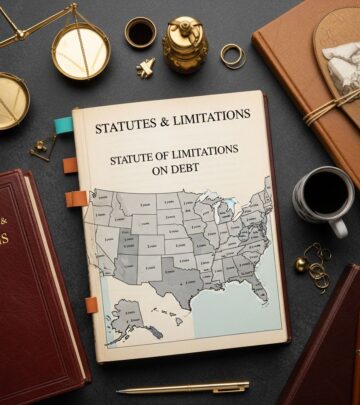
Statutes vary widely by state. Use the state where you live or named in your credit agreement.
| State | Written Contracts | Open Accounts (e.g., Credit Cards) | Oral Agreements |
|---|---|---|---|
| California | 4 years | 4 years | 2 years |
| Maryland | 3 years | 3 years | 3 years |
| Texas | 4 years | 4 years | 4 years |
| General Range | 3-10 years | 3-6 years | 2-4 years |
Texas: 4 years for most debts. Maryland: 3 years (4 for goods). Always verify with official state codes, as laws change.
Does Making a Partial Payment Reset the Clock?
Yes, in most states**, partial payments, new charges, repayment agreements, or written acknowledgments restart the statute. Avoid these actions on old debts without legal advice, as they extend vulnerability to lawsuits.
- Payment: Even small amounts reset from payment date.
- Settlement Offer Acceptance: Can imply acknowledgment.
- Verbal Promises: Usually don’t reset; must be written.
What Happens When the Statute of Limitations Expires?
Creditors cannot sue, providing a strong defense if sued—raise it in court. However:
- Debt remains owed and collectible via calls/letters (disclose time-barred status if asked).
- Stays on credit report 7 years from delinquency.
- Violating FDCPA by suing time-barred debt allows counterclaims.
Debt Collectors and Time-Barred Debts
Collectors can contact you post-expiration but must not threaten lawsuits or misrepresent rights under FDCPA. Demand validation and cite time-barred status in writing to cease harassment.
If sued, respond immediately with statute defense; default judgments are common otherwise.
Can You Get Rid of Time-Barred Debt?
Time-barred debts don’t vanish; negotiate settlements, seek debt management, or consider bankruptcy for relief (consult professionals). Prioritize paying non-time-barred debts first.
Common Myths About Debt Statutes of Limitations
- Myth: Expired debt disappears. Fact: Still owed, just not suable.
- Myth: Collectors stop all contact. Fact: Non-legal collection continues.
- Myth: Federal law sets uniform time. Fact: State laws govern.
Frequently Asked Questions (FAQs)
Q: What is the statute of limitations on credit card debt?
A: Typically 3-6 years, varying by state (e.g., 4 years in California).
Q: Does the statute of limitations stop debt collectors from calling?
A: No, they can call but cannot sue or threaten to sue time-barred debts.
Q: Can partial payment restart the debt clock?
A: Yes, in most states, resetting from the payment date.
Q: How do I find my state’s statute of limitations?
A: Check state civil procedure codes or consult a consumer attorney.
Q: What if I move states—does the law change?
A: Uses your residence state or contract’s governing law.
Protecting Yourself: Action Steps
- Track your debts’ last activity dates.
- Request debt validation in writing.
- Never make payments on old debts without advice.
- If sued, file a defense citing the statute.
- Contact legal aid for free help (e.g., CFPB resources).
Understanding these rules empowers you against aggressive collectors. Always verify with primary sources like state statutes for your situation.
References
- Understanding Debt Statute Limitations — Prodigal Technology. 2023. https://www.prodigaltech.com/ltblogs/understanding-debt-statute-limitations
- Understanding the Statutes of Limitations on Debt Collection — Kazlg. 2024. https://www.kazlg.com/understanding-the-statutes-of-limitations-on-debt-collection/
- Statute of Limitations California Debt — Marshack Hays Wood. 2024. https://marshackhays.com/blog/statute-of-limitations-california-debt/
- Can debt collectors collect a debt that’s several years old? — Consumer Financial Protection Bureau (CFPB). 2024-01-12. https://www.consumerfinance.gov/ask-cfpb/can-debt-collectors-collect-a-debt-thats-several-years-old-en-1423/
- Time limits on debts — Maryland People’s Law Library. 2024. https://www.peoples-law.org/time-limits-debts
- Time-Barred Debts — Texas State Law Library. 2024. https://guides.sll.texas.gov/debt-collection/time-barred-debts
- Statute of Limitations on Debt Collection by State — InCharge Debt Solutions. 2024. https://www.incharge.org/understanding-debt/credit-card/what-is-statute-of-limitations-all-50-states/
Similar Articles








Read full bio of medha deb