What You Need to Know About Car Insurance
Understand how car insurance works, key coverage types, premiums, deductibles, and tips to find the best policy for your needs.

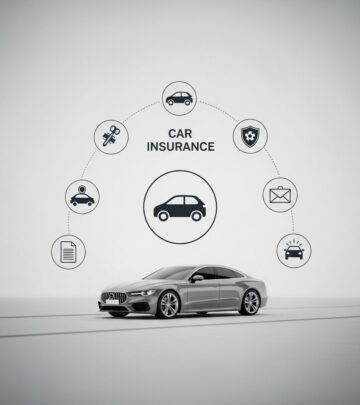
Car insurance is a critical financial safeguard for drivers, protecting against the costs of accidents, theft, and other vehicle-related incidents. Whether you’re a new driver or shopping for better rates, grasping the fundamentals helps you secure adequate protection while managing expenses effectively.
How Does Car Insurance Work?
Car insurance operates as a contract between you and an insurer. You pay regular
premiums
for coverage that reimburses specific damages or losses from covered events. In an incident, you file a claim, and the insurer assesses fault, coverage applicability, and pays eligible amounts after yourdeductible
.Policies typically include a declaration page outlining coverages and limits, the main contract text defining what’s covered, and endorsements for modifications. State laws mandate minimum coverages, such as liability for bodily injury and property damage, to ensure roads remain safe.
What Is a Car Insurance Premium?
The
premium
is your policy cost, paid periodically—monthly, bimonthly, or annually. It reflects risk assessment based on multiple factors:- Driving record: Clean histories yield lower rates; violations or accidents increase them.
- Vehicle type and age: Luxury or new cars cost more to insure than older economy models.
- Location: Urban areas with high theft or accident rates have higher premiums.
- Usage: Frequent drivers face elevated risks.
- Coverage levels: Broader protection means higher costs.
- Credit score: In permitted states, better scores correlate with lower premiums, as they indicate responsibility. Drivers with poor credit may pay up to 105% more for full coverage.
- Deductible amount: Higher deductibles lower premiums.
Recent economic pressures, like inflation in labor and parts, have driven premium increases across auto insurance.
What Is a Deductible?
A
deductible
is your out-of-pocket expense before insurance kicks in. For example, with a $500 deductible and $2,000 repair bill, you pay $500; the insurer covers $1,500. Choosing higher deductibles reduces premiums but raises claim costs. Lenders often require collision and comprehensive with deductibles to protect financed vehicles.Types of Car Insurance Coverage
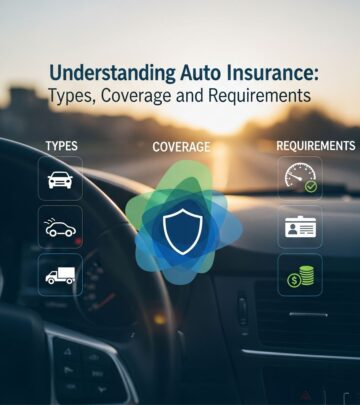
Standard policies bundle coverages addressing various risks. Minimum requirements vary by state; North Dakota mandates $25,000 property damage liability per accident, $25,000/$50,000 uninsured motorist bodily injury, and $30,000 basic no-fault. Common types include:
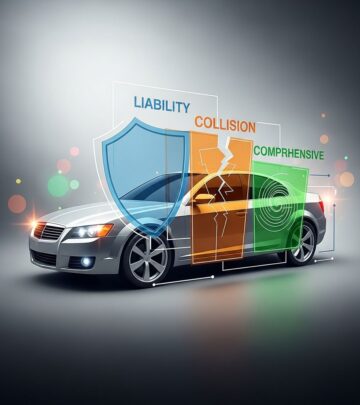
- Liability: Covers injuries and property damage you cause to others, including legal fees. Essential minimum everywhere.
- Collision: Repairs your vehicle after crashing into another car or object, regardless of fault.
- Comprehensive: Handles non-collision damage like theft, fire, vandalism, hail, or animal strikes.
- Medical Payments/Personal Injury Protection (PIP/No-Fault): Pays medical bills and lost wages for you and passengers, fault-irrespective. $30,000 minimum in some states.
- Uninsured/Underinsured Motorist: Protects against drivers lacking sufficient insurance. Must match uninsured limits in places like North Dakota.
- Towing and Roadside Assistance: Reimburses emergency towing.
- GAP: Covers loan balance minus actual cash value on total losses.
- Death and Dismemberment: Provides benefits for severe injuries.
Rideshare drivers need at least $1 million in combined coverage, plus state-minimum uninsured/underinsured and PIP.
| Coverage Type | What It Covers | Mandatory? |
|---|---|---|
| Liability | Damage/injuries to others | Yes (state minimums) |
| Collision | Your vehicle in crashes | No |
| Comprehensive | Theft, weather, vandalism | No |
| PIP/No-Fault | Medical for you/passengers | Yes in some states |
| Uninsured Motorist | Uninsured drivers’ impacts | Yes (varies) |
How Coverage Levels Affect Premiums
Higher limits and add-ons increase premiums but offer better protection. Full coverage (liability + collision + comprehensive) suits financed vehicles, while minimum liability suffices for older paid-off cars. Credit-based pricing in many states means excellent credit drivers save significantly.
Factors Insurers Consider for Premiums
Beyond basics, insurers categorize risks:
- Preferred: Clean record (3+ years), good credit—lowest rates.
- Standard: Average drivers with family vehicles, decent records.
- Non-Standard: High-risk profiles like DUIs, many tickets, poor credit—higher costs.
Shopping multiple quotes is key; rejection by one doesn’t bar others.
Full Coverage vs. Liability-Only
Liability-only meets legal minimums but leaves your vehicle unprotected. Full coverage adds collision/comprehensive, ideal for newer cars. Even post-total loss, full coverage can continue if residual value exists, often lender-required.
Shopping for Car Insurance
Compare quotes using driving record, desired coverages, and deductibles. Ask about installment plans, fees, and total costs. Tools from state agencies help rate-shop. Equifax notes some use credit data for rates—check your report for accuracy.
Frequently Asked Questions
What does comprehensive insurance cover?
Non-collision events like theft, fire, hail, vandalism, or animal collisions.
Is collision coverage mandatory?
No, but often required by lenders for financed vehicles.
How does credit score impact rates?
Poor credit can raise full coverage by 105% vs. excellent; not used everywhere.
Can I keep full coverage after a total loss?
Yes, most insurers allow it; lenders may require.
What are state minimums?
Vary; e.g., North Dakota: $25K property damage, $25K/$50K uninsured BI, $30K no-fault.
Additional Tips for Savings
Bundling policies, safe driver discounts, higher deductibles, and good credit maintenance lower costs. Review annually—life changes affect rates.
References
- Auto | North Dakota Insurance Department — North Dakota Insurance Department. 2023. https://www.insurance.nd.gov/consumers/insurance/auto
- What You Need to Know: How Does Car Insurance Work? — Equifax. 2023. https://www.equifax.com/personal/education/personal-finance/articles/-/learn/what-you-need-to-know-about-car-insurance/
- AUTO INSURANCE — Maryland Insurance Administration. 2022. https://insurance.maryland.gov/consumer/documents/publications/autoinsuranceguide.pdf
- Car Insurance Rates by Credit Score — Bankrate. 2025-01-10. https://www.bankrate.com/insurance/car/rates-by-credit-score/
- Understanding the Rising Costs in Home and Auto Insurance — Equifax. 2024. https://www.equifax.com/newsroom/all-news/-/story/understanding-the-rising-costs-in-home-and-auto-insurance-insights-from-equifax-and-jd-power/
Similar Articles








Read full bio of Sneha Tete