What Vegetables Can Dogs Eat? A Complete Guide
Discover safe and nutritious vegetables for your dog's diet and boost their health naturally.
What Vegetables Can Dogs Eat? A Complete Guide for Pet Owners
Incorporating vegetables into your dog’s diet can provide essential nutrients, vitamins, and fiber that support their overall health and wellbeing. However, not all vegetables are safe for canine consumption, and some require special preparation. This comprehensive guide explores which vegetables are beneficial for dogs, their nutritional advantages, and best practices for serving them to your furry companions.
Safe Vegetables for Dogs
Many vegetables can be safely incorporated into your dog’s diet as treats or meal supplements. Understanding which vegetables are appropriate and how to prepare them ensures your dog receives maximum nutritional benefits while maintaining their health.
Broccoli
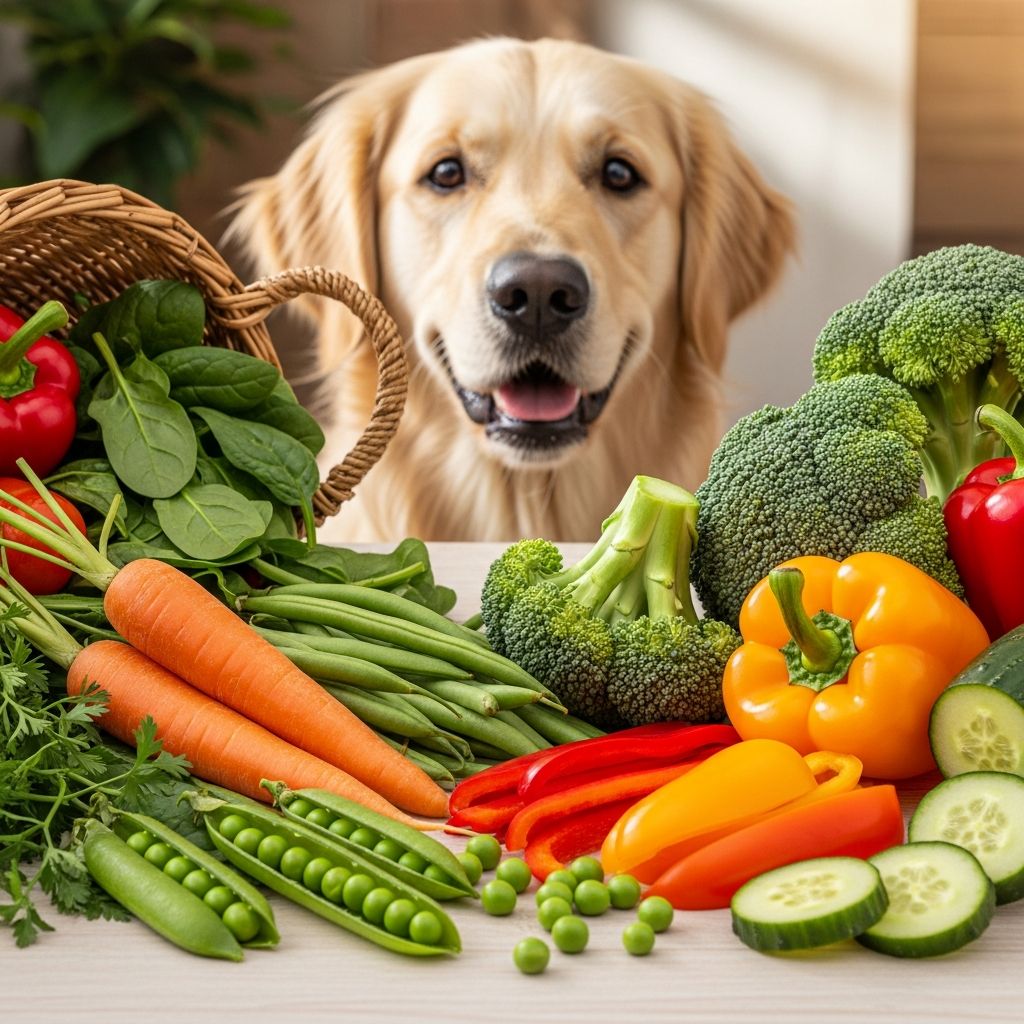
Broccoli is a nutrient-dense vegetable that offers significant health benefits for dogs. This cruciferous vegetable is full of fiber, antioxidants, and digestible plant protein. Broccoli contains vitamins C and K, along with potassium, folic acid, magnesium, sodium, and chromium. One important consideration is that broccoli can cause flatulence in dogs, so it should be offered in moderation. If your dog doesn’t enjoy fresh broccoli, many commercial dog treats incorporate broccoli as an ingredient, providing the same nutritional benefits in a different format.
Carrots
Carrots are among the most popular vegetable choices for dogs and offer excellent nutritional value. These crunchy, naturally sweet vegetables can be served fresh, cooked, or frozen, making them versatile snacking options. Carrots are low in calories and rich in fiber, vitamins B, C, D, E, and K. Additionally, carrots serve as natural dental sticks, helping to promote dental health through chewing action. Their low-calorie content makes them ideal for dogs requiring weight management.
Green Beans
Green beans are among the best raw vegetables for dogs and deliver impressive nutritional profiles. These vegetables contain vitamins A, B6, C, and K, along with protein, iron, calcium, and fiber. Green beans are low in calories while helping dogs feel full, and most dogs enjoy their natural sweetness. They can be served raw, steamed, or canned, provided they’re plain and unsalted. For dogs that don’t prefer plain green beans, many commercial dog foods and treats incorporate this nutrient-rich vegetable.
Sweet Potatoes
Sweet potatoes are among the most nutritious vegetables for dogs and must always be cooked before serving. These root vegetables produce one of the best dietary sources of vitamin A, which supports immune system function and promotes healthy skin, coat, and eyes. Sweet potatoes are also rich in fiber, supporting digestive health, and contain vitamin C, B6, potassium, calcium, and iron. Canned sweet potatoes are widely available and can be easily added to regular meals or used for enrichment activities.
Pumpkin
Pumpkin is exceptionally beneficial for dogs’ digestive health and is frequently used to address diarrhea and constipation issues. This vegetable is high in fiber and can help regulate digestion while preventing constipation. Pumpkin is rich in antioxidants and provides vitamins A, C, and E, along with potassium and iron. Pumpkin supplements and pre-made treats are widely available, and dog-specific canned pumpkin without additives can be easily mixed into your dog’s meals.
Cucumbers
Cucumbers are exceptional vegetables for dogs requiring calorie-conscious snacking options. Because cucumbers are 96% water, they’re highly hydrating for your dog, making them ideal treats during warm weather. These vegetables are low in calories and sugar while containing potassium, magnesium, vitamin C, and vitamin K. Their high water content and minimal caloric value make them perfect daily treats for dogs that need to avoid excess sugar, fat, or calories.
Brussels Sprouts
Brussels sprouts offer substantial nutritional benefits but require moderation in serving sizes. These vegetables are full of fiber, antioxidants, and vitamins A, B1, B6, C, and K. However, eating too many Brussels sprouts can cause flatulence and other stomach issues like upset stomach or diarrhea. Introduce this vegetable gradually into your dog’s diet and serve in controlled portions.
Butternut Squash
Butternut squash provides excellent immune system support for dogs. High in vitamin C, this vegetable also contains substantial fiber and is rich in antioxidants. Butternut squash is a popular ingredient in pre-made dog treats and food, so your dog can receive nutritional benefits even without fresh squash available.
Spinach
Spinach is safe for healthy dogs when served in small amounts. However, this leafy green contains oxalates, which can lead to kidney stones and bladder stones in susceptible dogs if consumed in large quantities. Spinach also contains isothiocyanates, which can cause severe gastric irritation in large amounts. Feed spinach occasionally and in minimal portions.
Lettuce
Lettuce is a dog-friendly vegetable that’s low in calories, full of fiber, and 90% water, making it excellent for hydration. Romaine, arugula, and iceberg lettuce are all safe for your dog. However, spinach and kale in large amounts can be harmful, so these alternatives provide safer leafy green options.
Peas
Peas are good sources of vitamins A, C, and K, along with iron and potassium. These legumes are high in fiber and contain antioxidants that can reduce inflammation. Green peas are completely safe and delicious additions to your dog’s meals, and can be eaten frozen or steamed. They’re easy to serve and most dogs enjoy their natural sweetness.
Celery
Celery contains vitamins and minerals beneficial for dogs and freshens their breath. This low-calorie vegetable can be served raw or cooked and makes an excellent crunchy treat that supports dental health.
Mushrooms
Regular white mushrooms from grocery stores are safe for dogs when plain and washed. However, dogs should never eat mushrooms foraged from the wild, as toxic varieties can cause severe health complications. Store-bought button mushrooms are the only safe option.
Vegetables to Avoid
Certain vegetables pose serious health risks to dogs and should never be included in their diet. Understanding which vegetables are toxic helps protect your pet from potential harm.
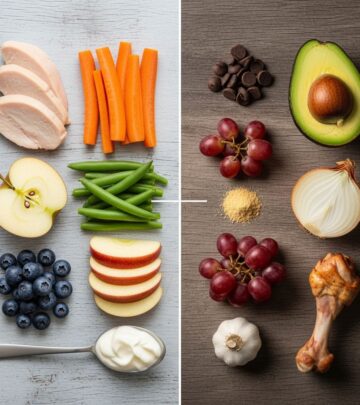
Onions, garlic, leeks, and chives contain compounds that can damage dogs’ red blood cells and cause hemolytic anemia. These vegetables should be completely avoided regardless of preparation method. Grapes and raisins are highly toxic to dogs and can cause kidney failure even in small quantities. Tomato leaves, stems, and unripe tomatoes contain solanine, a toxic alkaloid that can cause gastrointestinal distress. Green potatoes, potato leaves, and stems also contain solanine and should be avoided. Avocados contain persin, which can cause vomiting and diarrhea in dogs. Raw or undercooked beans contain lectins that can be harmful, though cooked beans are generally safe.
Raw vs. Cooked Vegetables
Dogs can eat many vegetables raw, though some require cooking for optimal safety and digestibility. Raw vegetables like carrots, broccoli, green beans, cauliflower, lettuce, spinach, and zucchini are safe for most dogs. These raw options provide excellent crunch and maintain all heat-sensitive nutrients. However, sweet potatoes must always be thoroughly cooked before feeding to your dog. Cooking vegetables can increase digestibility and nutrient bioavailability, making some vegetables more beneficial when prepared.
Canned and Dried Vegetables
Canned vegetables offer convenience while providing similar nutritional benefits as fresh options. Dogs can consume any of the vegetables on the safe lists in canned versions, as long as they’re not salted and are prepared properly. Safe canned vegetables include green beans, pumpkin, spinach, and peas. You can safely add dried vegetables like carrots, green beans, sweet potatoes, or broccoli into your dog’s food, and you can even freeze them to create refreshing, healthy treats for hot summer days.
Common Vegetables in Commercial Dog Food
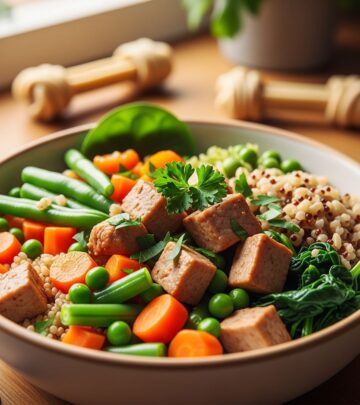
Many commercial dog food manufacturers include vegetables as primary ingredients. The most commonly used vegetables in dog food include sweet potatoes, potatoes, carrots, green beans, peas, broccoli, beets, corn, kale, spinach, and soybeans. These vegetables are selected for their nutritional profiles and ability to support canine health through balanced diet formulations.
Nutritional Benefits Summary Table
| Vegetable | Key Nutrients | Primary Benefits | Serving Notes |
|---|---|---|---|
| Carrots | Vitamins B, C, D, E, K; Fiber | Dental health; Low-calorie snack | Raw, cooked, or frozen |
| Green Beans | Vitamins A, B6, C, K; Iron; Calcium | Low-calorie; Satiety; Nutrient-rich | Raw, steamed, or canned |
| Sweet Potatoes | Vitamin A; Fiber; B6; Potassium | Immune system; Digestive health | Must be cooked |
| Pumpkin | Vitamins A, C, E; Fiber; Potassium | Digestive regulation; Constipation relief | Canned or fresh, cooked |
| Cucumbers | Vitamins C, K; Potassium; Magnesium | Hydration; Low-calorie; Daily treat | Raw; 96% water content |
| Broccoli | Vitamins C, K; Fiber; Antioxidants | Immune support; Plant protein | Moderation only; can cause gas |
| Peas | Vitamins A, C, K; Iron; Protein | Inflammation reduction; Protein source | Frozen or steamed |
| Spinach | Vitamins; Minerals; Antioxidants | Nutrient-dense; Antioxidant support | Small amounts only; contains oxalates |
How to Introduce Vegetables to Your Dog
When introducing new vegetables to your dog’s diet, follow these important guidelines to ensure safe integration and prevent digestive upset. Start with small quantities and monitor your dog for any adverse reactions such as vomiting, diarrhea, or allergic responses. Introduce vegetables gradually over several days, allowing your dog’s digestive system to adjust. Always consult with your veterinarian before making significant dietary changes, especially for dogs with existing health conditions. Feed vegetables as treats or meal supplements rather than meal replacements, ensuring they don’t constitute more than 10% of daily caloric intake.
Preparation and Safety Tips
Proper vegetable preparation ensures maximum safety and nutritional value. Always wash vegetables thoroughly to remove pesticides and dirt. Remove seeds, pits, and hard cores that present choking hazards. Cut vegetables into appropriate sizes for your dog to prevent choking, particularly for small breeds or dogs that don’t chew thoroughly. Avoid adding seasoning, salt, oil, or butter when preparing vegetables for dogs. Steam or lightly cook vegetables if your dog has digestive sensitivities, as cooking can enhance digestibility. Never use vegetables from gardens treated with pesticides or fertilizers unless thoroughly washed.
Frequently Asked Questions
Q: What raw vegetables can dogs eat?
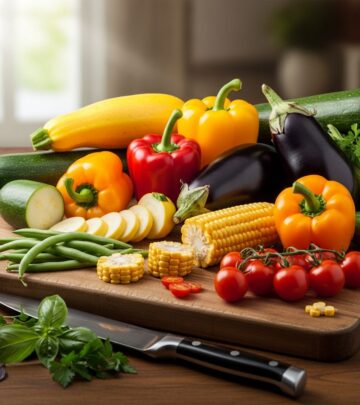
A: Dogs can eat raw bell peppers, broccoli, carrots, cauliflower, lettuce, spinach, and zucchini. Pumpkin, squash, and sweet potatoes should be thoroughly cooked before feeding to your dog.
Q: What canned vegetables can dogs eat?
A: Dogs can consume any of the vegetables on the safe lists in canned versions, as long as they’re not salted and are prepared properly. Safe canned vegetables include green beans, pumpkin, spinach, and peas.
Q: Can dogs eat dried vegetables?
A: Yes, you can safely add dried vegetables like carrots, green beans, sweet potatoes, or broccoli into your dog’s food. You can freeze them to create refreshing, healthy treats for hot summer days.
Q: What vegetables are used in commercial dog food?
A: The most commonly used vegetables in dog food include sweet potatoes, potatoes, carrots, green beans, peas, broccoli, beets, corn, kale, spinach, and soybeans.
Q: Can vegetables help with my dog’s health issues?
A: Yes, certain vegetables like pumpkin can help dogs deal with diarrhea or constipation issues due to their high fiber content and digestive support properties. However, always consult your veterinarian before using vegetables to address health concerns.
Q: Are vegetables good for dogs with weight management needs?
A: Yes, vegetables are generally high in water and low in calories and fat, making them excellent replacements for regular treats. They can help support weight management while providing essential nutrients.
Q: How much vegetable can I give my dog?
A: Vegetables should constitute no more than 10% of your dog’s daily caloric intake. They work best as treats or meal supplements rather than primary food sources. Always introduce new vegetables gradually and monitor for digestive changes.
Q: Can puppies eat vegetables?
A: Yes, puppies can eat most safe vegetables, though portions should be appropriate for their size and age. Introduce vegetables gradually and ensure they don’t replace essential puppy nutrition from quality dog food formulated for growth.
Conclusion
Incorporating safe vegetables into your dog’s diet provides valuable nutritional benefits that support overall health, digestive function, immune system strength, and weight management. From nutrient-dense options like sweet potatoes and pumpkin to hydrating choices like cucumbers, vegetables offer diverse health advantages when properly prepared and served. Always avoid toxic vegetables like onions, garlic, grapes, and unripe tomatoes that can cause serious health complications. By following proper preparation methods, introducing vegetables gradually, and consulting with your veterinarian about dietary changes, you can safely enhance your dog’s nutrition through wholesome vegetable additions. Remember that vegetables should complement, not replace, a balanced diet formulated for your dog’s specific life stage and health requirements.
References
- What Vegetables Can Dogs Eat? — PetMD. 2025. https://www.petmd.com/dog/nutrition/what-vegetables-can-dogs-eat
- What Vegetables Can Dogs Eat? — Spot & Tango. 2025. https://www.spotandtango.com/blog/what-vegetables-can-dogs-eat
- Fruit and Vegetable Your Dog Can and Can’t Eat — Purina Australia. 2025. https://www.purina.com.au/fruit-and-vegetable-your-dog-can-and-cant-eat.html
- What fruit and vegetables can dogs eat? — Blue Cross. 2025. https://www.bluecross.org.uk/advice/dog/can-dogs-eat-apples-grapes-potatoes-and-other-fruit-and-veg
- Fruits and Vegetables Dogs Can or Can’t Eat — American Kennel Club. 2025. https://www.akc.org/expert-advice/nutrition/fruits-vegetables-dogs-can-and-cant-eat/
Similar Articles








Read full bio of Sneha Tete