What Type of Work Environment Do You Prefer?
Discover your ideal work environment and find the perfect workplace that aligns with your professional goals and personal values.
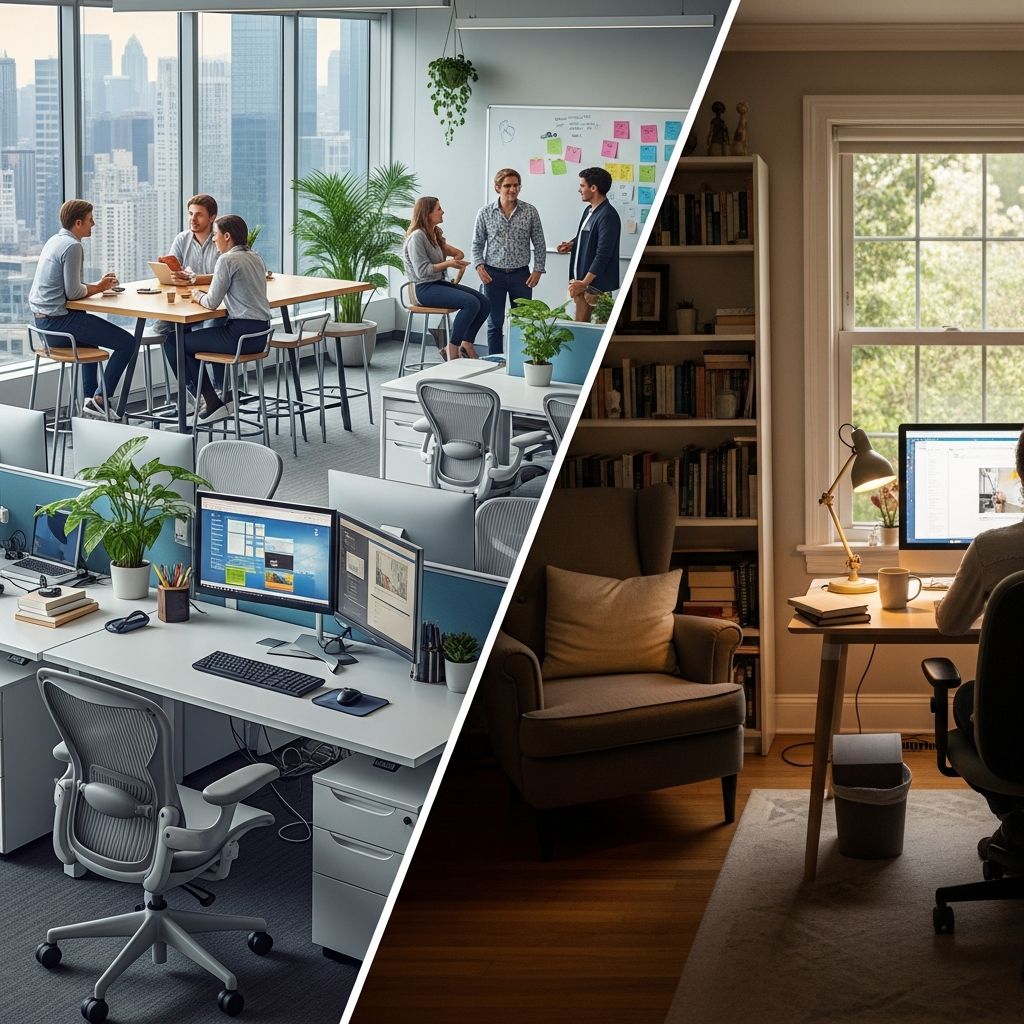
Choosing the right work environment is one of the most important decisions you can make for your career and overall well-being. Your work environment encompasses far more than just the physical space where you spend your days—it includes the organizational culture, management style, team dynamics, communication patterns, and the values that drive the organization. Understanding what type of work environment suits you best can significantly impact your job satisfaction, productivity, and long-term career success.
The way you work, the people you interact with, and the systems in place all contribute to your daily experience at work. Some professionals thrive in structured, traditional office settings with clear hierarchies and defined roles, while others flourish in dynamic, creative environments that encourage innovation and risk-taking. There’s no universally perfect work environment—the ideal one is the one that aligns with your personality, work style, and career goals.
Understanding Work Environment Types
Work environments vary significantly across industries and organizations. Each type has its own characteristics, advantages, and challenges. By understanding the different categories, you can better assess which environment would bring out your best work and keep you motivated and engaged.
The Conventional Work Environment
The conventional work environment represents the traditional workplace model that many people picture when they think of corporate jobs. This type of environment is characterized by set working hours, clear job delineations, designated workstations, and a hierarchical organizational structure. Conventional workplaces emphasize structure, consistency, and methodical approaches to work that ensure reliable service delivery and operational stability.
In conventional environments, you’ll typically find:
– Clear reporting lines and chain of command- Standardized procedures and protocols- Formal communication channels- Regular office hours with in-person presence expectations- Established performance metrics and evaluation systems
This environment appeals to professionals who value predictability, stability, and clear expectations. If you prefer knowing exactly what your responsibilities are and how your performance will be measured, a conventional workplace might be ideal for you.
The Creative Work Environment
Creative work environments stand in stark contrast to conventional settings. These spaces are designed to foster innovation, encourage risk-taking, and inspire new ideas. Rather than emphasizing chain of command, creative workplaces operate with an open-door policy where experimentation is not just allowed—it’s actively valued.
Characteristics of creative environments include:
– Unconventional design elements and varied work areas- Emphasis on outcomes over processes- Significant employee autonomy in approach and methods- Organic collaboration and cross-functional teamwork- Flexibility in scheduling and role definitions- Amenities designed to spark inspiration
Creative environments appeal to professionals who thrive on novelty, enjoy problem-solving through unconventional means, and want the freedom to approach their work without rigid constraints. If you’re energized by new challenges and prefer flexibility over structure, this environment could be your sweet spot.
The Collaborative Work Environment
Collaborative work environments prioritize teamwork, shared responsibility, and collective problem-solving. These spaces are intentionally designed to break down silos between departments and encourage cross-functional partnerships. The physical layout typically features open workspaces, common areas, and technologies that facilitate group communication.
In collaborative settings, you’ll experience:
– Frequent team meetings and group discussions- Open office layouts encouraging spontaneous interaction- Shared decision-making processes- Emphasis on collective achievement- Technology enabling seamless communication- Strong internal networking and relationship-building
If you’re someone who draws energy from working with others, enjoys diverse perspectives, and believes that the best solutions come from group brainstorming, a collaborative environment would likely energize you.
The Enterprising Work Environment
Enterprising work environments are driven by goal achievement, continuous growth, and breakthrough innovation. These dynamic settings emphasize results-oriented performance, strategic risk-taking, and the relentless pursuit of market opportunities. The atmosphere thrives on competitive energy and entrepreneurial thinking.
Key features include:
– Performance-driven culture with clear targets- Rapid decision-making and agile adaptation- Encouragement of innovation and calculated risk-taking- Competitive but supportive team dynamics- Opportunities for leadership and advancement- Measurement of success through exceeding expectations
Enterprising environments attract ambitious professionals who are motivated by challenges, enjoy competition, and want to see tangible results from their efforts. If you’re driven by achievement and excited by the possibility of advancement, this environment could be highly motivating.
The Social Work Environment
Social work environments center on interpersonal connection and mutual support among colleagues and clients. These settings emphasize active listening, empathy, and strong communication as key operational components. Whether through direct service or internal collaboration, social environments prioritize human-centered interaction over process-driven systems.
Characteristics of social environments include:
– Emphasis on helping and supporting others- Strong community-building activities- Peer mentorship programs- Open-door communication policies- Recognition of emotional labor and its value- Resources for managing stress and preventing burnout
These environments are ideal for professionals who derive satisfaction from helping others, managing relationships, and being part of a supportive community. If your career motivation centers on making a positive impact on people’s lives, a social environment could be deeply fulfilling.
Remote and Hybrid Work Environments
Modern work has increasingly embraced flexible work arrangements, including remote and hybrid models. Remote work environments allow employees to work from home or any location outside the traditional office, while hybrid models combine in-office and remote work.
These arrangements offer:
– Greater flexibility in scheduling and location- Reduced commute time and increased work-life balance- Ability to create personalized work spaces- Potential for increased focus and productivity- Greater autonomy over daily routines- Access to job opportunities beyond geographical limitations
Key Elements That Define Your Ideal Work Environment
Beyond the broad categories, several specific elements contribute to whether a work environment will suit you well.
Physical Space and Layout
The physical design of your workplace significantly impacts your daily experience. Some people need quiet, focused spaces to do their best work, while others thrive in bustling, collaborative areas. Consider whether you prefer open office layouts or private workspaces, and what types of amenities matter to you.
Communication Style
How information flows through an organization matters tremendously. Some workplaces emphasize formal, documented communication through official channels, while others rely on informal, frequent conversations. Identify whether you prefer structured communication or more fluid, spontaneous exchanges.
Organizational Culture
Company culture encompasses the values, norms, beliefs, and practices within an organization. A culture of innovation and employee empowerment creates a very different work environment than a hierarchical, risk-averse culture. Consider what values are most important to you and whether the organization’s culture aligns with them.
Team Dynamics
The people you work with and how teams function together create the social fabric of your workplace. Effective teamwork, clear communication, and mutual respect contribute to a positive atmosphere, while poor dynamics can create stress and dissatisfaction.
Growth and Development Opportunities
Workplaces that offer mentorship, continuous learning opportunities, and collaborative cultures encourage the most employee growth. If professional development is important to you, look for environments that demonstrate commitment to your long-term success and skill enhancement.
Work-Life Balance
The degree of flexibility, reasonable workload expectations, and respect for personal time all contribute to work-life balance. Some environments naturally support better balance than others through their policies, culture, and expectations.
What Employees Want From Their Work Environment
Research consistently shows that employees seek specific qualities in their work environments. Understanding these can help you evaluate potential employers and recognize what matters most to you:
Clear Communication
Open dialogue where expectations and feedback are clearly understood is fundamental to job satisfaction. Employees want to know what’s expected of them and how they’re performing.
Collaborative Culture
Encouraging teamwork and idea-sharing enhances innovation and creates a sense of belonging. Most employees want to feel part of a team working toward shared goals.
Flexible Work Arrangements
Providing autonomy in managing tasks supports work-life balance, which is increasingly valued. The ability to customize how and when you work (when possible) improves satisfaction and productivity.
Inclusivity and Diversity
Embracing differences in backgrounds, perspectives, and experiences creates a dynamic workplace culture that encourages innovation and makes employees feel valued.
Training and Development
Opportunities to learn and grow demonstrate organizational commitment to employee success and increase engagement and loyalty.
Activity-Based Working: A Modern Approach
One emerging workplace model worth understanding is Activity-Based Working (ABW). This approach provides employees with a variety of workspaces tailored to different tasks. Instead of having assigned desks, employees choose their work area based on the activity at hand—a quiet zone for focused work, a collaborative space for group projects, or a lounge area for informal meetings.
ABW fosters flexibility and can improve productivity and job satisfaction by creating dynamic, adaptable workspaces that accommodate different work styles and tasks.
Productivity and Environment: Finding Your Match
The type of work environment you choose directly affects your productivity and well-being. Environments that minimize distractions tend to boost productivity by helping employees focus and manage their time effectively. For example, a conventional work environment with private offices is generally good for output-focused work, while collaborative spaces enhance team projects.
The key is matching your work style to the environment. If you need quiet concentration to do your best work but find yourself in a constantly bustling open office, your productivity will suffer. Conversely, if you thrive on interaction and collaboration, a quiet, isolated workspace might leave you unmotivated.
Startup vs. Corporate Environments
Understanding the differences between startup and corporate environments can help you choose an organization type that suits you:
| Aspect | Startup Environment | Corporate Environment |
|---|---|---|
| Structure | Flexible, adaptive roles and responsibilities | Clear hierarchies with well-defined roles |
| Innovation Approach | Encourages risk-taking and experimentation | Structured approach, prioritizes stability |
| Decision-Making | Fast-paced, informal decisions | More deliberate, formal processes |
| Atmosphere | Casual, dynamic, energetic | Professional, formal, established |
| Growth Opportunities | Rapid but potentially chaotic | Steady and structured |
Characteristics of Ideal Work Environments
Across different types of workplaces, certain characteristics tend to define environments where people do their best work and feel most satisfied:
Collaborative Culture
An ideal work environment fosters a collaborative culture with a collective mindset where team members actively engage in open communication, share ideas, and work synergistically toward common goals. Information flows freely, ensuring everyone understands organizational objectives and expectations.
Flexibility and Autonomy
Workplaces that embrace flexibility and provide autonomy help employees achieve optimal productivity. This allows individuals to tailor their work approaches to suit their strengths and preferences, promoting a sense of ownership over tasks.
Innovation and Adaptability
Environments characterized by innovation and adaptability thrive on change and progress. They welcome new ideas, embrace emerging technologies, and encourage creative thinking. This fosters resilience, agility, and forward-thinking mindsets critical in evolving industries.
Supportive Leadership
Strong leadership that supports employee development, provides clear direction, and demonstrates genuine interest in team members’ success creates environments where people want to work and grow.
How to Identify Your Ideal Work Environment
Finding the right work environment requires self-reflection about your values, working style, and career goals. Consider these questions:
– Do you prefer structure and clear guidelines, or flexibility and autonomy?- Are you energized by collaboration or do you need quiet time to focus?- Do you value stability and predictability or growth and change?- What type of leadership style brings out your best work?- How important is work-life balance in your career decisions?- Do you prefer competitive or cooperative team dynamics?- What physical workspace setup helps you be most productive?
Your answers to these questions will help guide you toward environments where you’re likely to thrive.
Frequently Asked Questions
Q: Can you change your work environment preference over time?
A: Yes, absolutely. As you grow in your career, gain different experiences, and go through life changes, your ideal work environment may shift. Someone might thrive in a fast-paced startup early in their career but later prefer the stability of a corporate environment.
Q: What’s the best work environment for productivity?
A: The best work environment for productivity depends on your personal work style. Generally, environments that minimize distractions, provide necessary tools and resources, and align with your working preferences tend to boost productivity most effectively.
Q: How can I assess a company’s work environment before joining?
A: During interviews, ask about company culture, work arrangements, team dynamics, and professional development opportunities. Request to visit the office, speak with current employees, and research the company online. Pay attention to how employees seem to interact and engage during your visit.
Q: Is remote work suitable for everyone?
A: Remote work isn’t ideal for everyone. Some people thrive in isolated work settings, while others struggle without in-person interaction and collaboration. Consider your personality, work style, and whether you have a suitable home workspace before pursuing remote positions.
Q: What should I do if my current work environment doesn’t suit me?
A: First, communicate your concerns with your manager or HR department—sometimes adjustments are possible. If the fundamental environment doesn’t align with your needs, you might explore transfer opportunities within the company or consider seeking a role in a different organizational environment.
Q: How does organizational culture affect work environment?
A: Organizational culture—the values, norms, and practices of a company—fundamentally shapes the work environment. A culture that values innovation and employee empowerment creates a very different day-to-day experience than a hierarchical, risk-averse culture.
Q: Can hybrid work be an ideal solution?
A: Hybrid work can be ideal for many people, offering a balance between collaboration and focused work time. However, the success of hybrid arrangements depends on clear policies, effective communication tools, and organizational support for making it work well.
References
- Work Environment: What it is, Types & Elements to Create it — QuestionPro. Accessed November 2025. https://www.questionpro.com/blog/work-environment/
- 10 Types of Work Environments [With Examples] — Paycor. Accessed November 2025. https://www.paycor.com/resource-center/articles/types-of-work-environments/
- 9 Types of work environments you need to know with examples — Culture Monkey. Accessed November 2025. https://www.culturemonkey.io/employee-engagement/types-of-work-environments/
- 7 Modern Types of Work Environments — Yardi Kube. Accessed November 2025. https://www.yardikube.com/blog/7-modern-types-of-work-environments/
- Type and work environment — The Myers-Briggs Company. 2019. https://ap.themyersbriggs.com/content/2019_rebranded/Type_and_work_environment.pdf
- Impact of Employees’ Workplace Environment on Employees — National Center for Biotechnology Information. September 2021. https://pmc.ncbi.nlm.nih.gov/articles/PMC9136218/
- 10 Types of Work Environments & Their Benefits — Paycom. Accessed November 2025. https://www.paycom.com/resources/blog/types-of-work-environments/
Similar Articles








Read full bio of Sneha Tete