What to Include in a Resume Skills Section
Master your resume skills section: Learn what to include, how to organize, and stand out to employers.
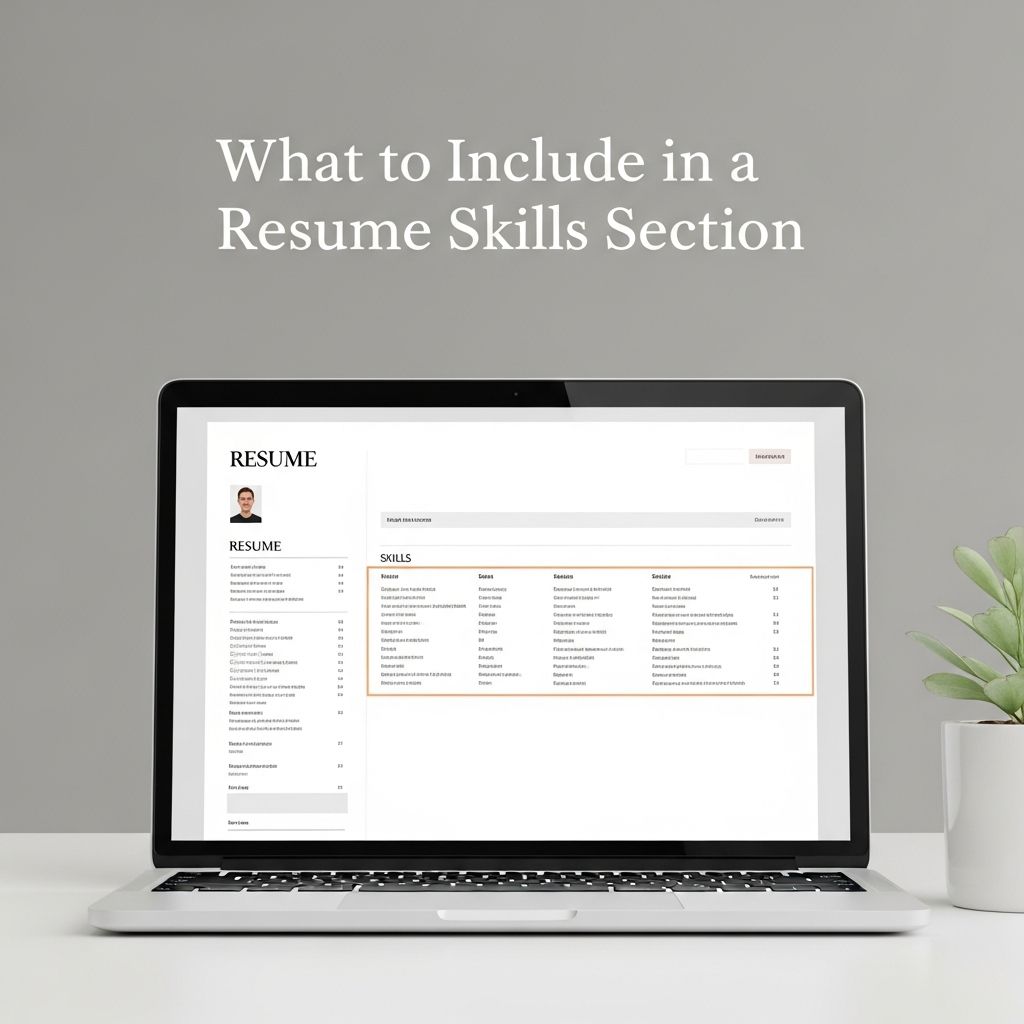
Your resume skills section is one of the most critical components that hiring managers and recruiters review when evaluating your candidacy. Unlike a cover letter or professional summary, the skills section provides a concise, scannable list of your capabilities that directly align with job requirements. A well-crafted skills section can be the difference between landing an interview and being passed over, especially when competing against dozens of qualified candidates. This comprehensive guide will walk you through everything you need to know about building an effective resume skills section that showcases your strengths and maximizes your chances of success in the job market.
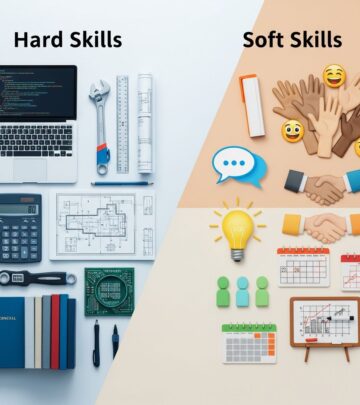
Understanding Hard Skills vs. Soft Skills
The foundation of an effective resume skills section begins with understanding the two primary categories of skills: hard skills and soft skills. Each category serves a distinct purpose and appeals to different aspects of what employers are seeking.
Hard Skills: Technical and Measurable Abilities
Hard skills are technical, teachable abilities that can be measured and demonstrated. These are specific competencies that you’ve acquired through education, training, or hands-on experience. Hard skills are typically concrete and verifiable, making them essential for technical positions or roles requiring specialized knowledge. Examples include programming languages, software proficiency, financial analysis, project management tools, and industry-specific certifications. Hard skills are particularly important for applicant tracking systems (ATS), which scan resumes for specific keywords related to job requirements.
When listing hard skills, be specific and use industry terminology. Rather than writing “computer skills,” specify “Microsoft Excel, Salesforce, Python, and project management tools.” This specificity helps both ATS systems and human readers quickly identify whether you possess the technical qualifications needed for the role.
Soft Skills: Interpersonal and Professional Qualities
Soft skills refer to interpersonal, behavioral, and professional qualities that demonstrate how you work with others and approach your responsibilities. These include communication, leadership, problem-solving, teamwork, time management, and adaptability. While soft skills are more subjective and harder to quantify than hard skills, they are increasingly valued by employers who recognize their importance in workplace success and organizational culture.
Soft skills become particularly important when you have comparable hard skills to other candidates. They differentiate you as someone who can collaborate effectively, handle challenges gracefully, and contribute positively to team dynamics. The most competitive candidates demonstrate both technical expertise and strong interpersonal abilities.
Tailoring Your Skills to the Job Description
One of the most effective strategies for creating a powerful resume skills section is customizing it for each position you apply for. Rather than creating a generic skills list, analyze the job description and identify the specific skills the employer is seeking.
Keyword Matching Strategy
Carefully review the job posting and extract both explicit and implicit skill requirements. Create a list of keywords and phrases from the job description, then match them with skills you genuinely possess. Using the employer’s language and terminology increases the likelihood that your resume will pass through ATS systems and resonate with hiring managers. If the job description emphasizes “data visualization,” for example, and you have experience with Tableau or Power BI, ensure these tools appear in your skills section using the exact terminology from the posting.
Prioritizing Relevant Skills
Don’t simply list every skill you’ve ever acquired. Instead, prioritize skills that are most relevant to the specific role. Place the most critical and in-demand skills at the top of your list. If you’re applying for a data analyst position, data visualization and statistical analysis should take precedence over basic Microsoft Office skills. This hierarchical approach ensures that the most valuable information is visible to busy recruiters scanning your resume in seconds.
How to Organize Your Skills Section
Organization is crucial for creating a skills section that’s easy to scan and understand. A poorly organized skills section can confuse readers and fail to highlight your best qualifications.
Category-Based Organization
One effective approach is organizing skills by category or function. This method works particularly well for candidates with diverse skill sets or those transitioning between industries. Categories might include:
- Technical Skills (programming languages, software tools)
- Project Management (planning, execution, monitoring)
- Leadership & Communication (team leadership, presentation skills)
- Analytical Skills (data analysis, research methodologies)
- Language & Translation Services
Organizing by category helps recruiters quickly locate the skills most relevant to their needs and demonstrates that you have a comprehensive, well-rounded skill set.
Proficiency Level Indicators
When listing technical skills, consider indicating your proficiency level. You might use descriptors such as “proficient,” “intermediate,” or “expert,” or employ a rating scale like “3 years of experience” or “advanced level.” This transparency helps set realistic expectations and allows hiring managers to assess whether your skill level matches the role’s requirements. However, avoid overstating your abilities, as this can lead to awkward situations during interviews or on the job.
Examples of Skills by Industry and Role
Different industries and positions require different skill sets. Understanding what employers in your field expect can help you craft a more targeted and effective skills section.
Finance and Accounting Skills
Finance professionals should highlight both hard and soft skills that demonstrate financial acumen and analytical ability:
| Hard Skills | Soft Skills |
|---|---|
| Financial statement analysis, GAAP accounting principles, budget forecasting, tax preparation, audit procedures, financial modeling | Attention to detail, analytical thinking, communication, problem-solving, time management, ethical judgment, confidentiality, adaptability |
Technology and IT Skills
Technology professionals should emphasize programming languages, software development methodologies, and platform expertise:
- Programming languages (Python, Java, C++, JavaScript)
- Software development lifecycle and frameworks
- Database management systems
- Cloud platforms and services
- Project management and agile methodologies
- Problem-solving and critical thinking
- Customer service and client relationship management
Sales and Business Development Skills
Sales professionals should highlight skills that demonstrate revenue generation and relationship-building capabilities:
| Core Competencies | Supporting Skills |
|---|---|
| Key account management, sales strategy, client relationship management, business development, negotiation | Team leadership, communication, strategic planning, performance optimization, pipeline management, territory management |
Project Management Skills
Project managers should emphasize their ability to lead initiatives from conception to completion:
- Project planning and execution
- Resource allocation and budgeting
- Risk management and mitigation
- Cross-functional team leadership
- Stakeholder management and communication
- Quality assurance and control
- PMI methodologies and certification (PMP, CAPM)
Demonstrating Skills Through Achievements
Simply listing skills is insufficient; you need to demonstrate them through concrete evidence. Rather than stating “project management” in your skills section, provide specific examples of projects you’ve successfully managed.
Using Quantifiable Results
In your professional experience section, support your claimed skills with measurable achievements. For example, instead of just listing “project management,” write “Managed cross-functional team of 12 to deliver software project 2 weeks ahead of schedule and 8% under budget.” This concrete evidence validates your skills and makes them more credible to hiring managers.
Providing Specific Examples
Throughout your resume, reference specific projects, tools, or results that demonstrate your skills in action. If you list “data visualization” as a skill, mention that you created interactive dashboards in Tableau that reduced reporting time by 40%. If you claim “leadership,” describe how you mentored junior team members or led a successful initiative that resulted in improved performance. These specific examples transform generic skill claims into compelling evidence of your capabilities.
Skills Certification and Validation
In today’s competitive job market, certifications and credentials can significantly enhance your resume’s credibility. Certifications validate that your skills have been formally recognized and tested by industry-recognized organizations.
Industry-Recognized Certifications
Depending on your field, consider pursuing relevant certifications that add value to your resume. These might include:
- Project Management Professional (PMP) for project managers
- Certified Financial Planner (CFP) for finance professionals
- AWS Certified Solutions Architect for cloud professionals
- Certified Data Analyst (CDA) for data professionals
- Six Sigma Black Belt for process improvement specialists
- Microsoft Office Specialist certifications
- Google Analytics certification
List certifications separately from your skills section or integrate them into your education section. Include the issuing organization, the credential level, and the date earned. Certifications that have expiration dates should include the expiration date to demonstrate current validity.
Skills Inventory and Self-Assessment
Before crafting your resume skills section, conduct a comprehensive personal skills inventory. This self-assessment helps you identify your strengths and ensures you don’t overlook important capabilities.
Creating a Skills Inventory
Start by listing every skill you’ve developed throughout your career, education, and personal experiences. Include technical skills, soft skills, language abilities, tools you’re proficient with, and accomplishments you’re proud of. Review your past job descriptions, projects, and feedback from supervisors or colleagues to identify capabilities you might have overlooked. This comprehensive inventory becomes your source material for tailoring resumes for different positions.
Identifying Skill Gaps
Your skills inventory also helps you identify gaps between your current abilities and those required for your target role. If you notice that many positions in your desired field require skills you don’t yet possess, consider developing them through online courses, certifications, training programs, or hands-on projects. Continuous skill development keeps you competitive and demonstrates commitment to professional growth.
Common Skills Section Mistakes to Avoid
Even well-intentioned professionals sometimes make mistakes when crafting their skills sections. Being aware of these common errors can help you create a more effective resume.
Overstating Your Abilities
Never claim expertise in skills you don’t possess. Exaggerating proficiency levels can lead to embarrassing situations during technical interviews or job performance. Be honest about your skill levels and experience. If you have basic knowledge of a tool but aren’t an expert, say so. Employers appreciate honesty and would rather hire someone who accurately represents their abilities.
Including Irrelevant Skills
Avoid cluttering your skills section with irrelevant abilities that don’t relate to the position. While you might be an excellent baker or have advanced gardening knowledge, these skills are unlikely to appear in a corporate job description. Focus on professional skills that demonstrate value to the employer and relevance to the role.
Poor Formatting and Organization
A disorganized skills section loses its effectiveness. Use consistent formatting, clear categories, and easy-to-scan bullet points. Avoid using obscure abbreviations or jargon that hiring managers might not understand. Ensure your skills section aligns with the visual formatting of the rest of your resume for a professional, cohesive appearance.
Maximizing Impact with ATS Optimization
Applicant Tracking Systems (ATS) scan resumes for keywords before human eyes ever see them. Understanding how to optimize your skills section for ATS can significantly improve your chances of getting past automated screening.
Using Keywords Strategically
Mirror the language used in the job description within your skills section. If the posting mentions specific software tools, programming languages, or methodologies, use those exact terms in your resume. ATS systems recognize specific keywords and phrases, so using the employer’s terminology increases the likelihood of your resume being selected for review. However, always ensure you genuinely possess the skills you list, as inconsistencies will be revealed during interviews.
Formatting for ATS Compatibility
Keep your resume ATS-friendly by avoiding graphics, images, complex formatting, and unusual fonts. Use standard resume formats with clear headings and simple bullet points. Stick to common file formats like .docx or .pdf to ensure ATS systems can properly parse and read your resume. A beautifully designed resume means nothing if the ATS can’t interpret it correctly.
Frequently Asked Questions
Q: How many skills should I include in my resume skills section?
A: Aim for 10-15 relevant skills that align with the job description. Including too many skills can overwhelm recruiters, while too few may not adequately represent your capabilities. Prioritize quality and relevance over quantity, focusing on skills that directly match the position requirements.
Q: Should I include soft skills in my resume?
A: Yes, absolutely. A balance of hard and soft skills demonstrates that you’re a well-rounded professional. Include soft skills like communication, teamwork, leadership, and problem-solving alongside technical abilities. Many employers specifically seek candidates with strong soft skills.
Q: Where should the skills section appear on my resume?
A: Place your skills section after your professional summary or objective statement and before your work experience. This prominent placement allows recruiters to quickly assess your qualifications before reviewing your job history. For chronological resumes, this placement works particularly well.
Q: How often should I update my skills section?
A: Update your skills section whenever you develop new capabilities or earn new certifications. Regularly review and refresh your skills inventory to reflect your current abilities and competencies. This ensures your resume always represents your most current qualifications.
Q: Can I include skills from volunteer work or personal projects?
A: Yes, if they’re relevant to the position. Skills developed through volunteer work, side projects, or personal initiatives count if they demonstrate abilities the employer seeks. Be clear about the context in which you developed these skills, but don’t hesitate to include them if they strengthen your candidacy.
Q: Should I customize my skills section for each job application?
A: Absolutely. Customizing your skills section for each position significantly improves your chances of success. Analyze each job description, identify the required skills, and prioritize them in your skills section. This targeted approach demonstrates genuine interest in the position and increases ATS compatibility.
References
- The Ultimate Guide to Resume Skills: What to Include and How — Top Stack Resume. 2024-2025. https://www.topstackresume.com/post/the-ultimate-guide-to-resume-skills-what-to-include-and-how
- Complete Guide with 100+ Examples of Skills for Resume — Hiration. 2024-2025. https://www.hiration.com/blog/resume-skills/
Similar Articles








Read full bio of medha deb