What to Do If an ATM Doesn’t Give You Money
Complete guide to resolving ATM cash withdrawal disputes and protecting your funds.

One of the most frustrating banking experiences is when an ATM fails to dispense cash after debiting your account. This situation can leave you stranded without money and confused about what happens next. The good news is that there are established procedures in place to help you recover your funds quickly and efficiently. Understanding these steps can significantly reduce stress and ensure you get your money back promptly.
Understanding Why ATMs Fail to Dispense Cash
Before taking action, it’s helpful to understand why ATMs sometimes fail to dispense cash. The most common reason is a bill jam, which occurs when a crinkled or torn banknote gets stuck in the ATM’s dispensing mechanism. The grabbing mechanism designed to retrieve bills can tear a damaged bill, jamming the entire dispenser and preventing further cash from being released. Other causes include network connectivity issues, insufficient cash remaining in the machine, technical malfunctions, or software glitches that prevent proper transaction processing.
Fortunately, modern ATMs are equipped with sophisticated sensors that record exactly what happens during each transaction, including whether cash was successfully dispensed or not. This digital record becomes crucial evidence in resolving your dispute.
Immediate Actions to Take
If you don’t receive cash from an ATM, your first response is critical. Taking immediate action can accelerate the resolution process and protect your account.
Document the Transaction Details
The moment you realize you haven’t received your money, document everything about the incident:
- The exact time the transaction occurred
- The specific date of the withdrawal attempt
- The precise location of the ATM
- The ATM’s identification number if visible
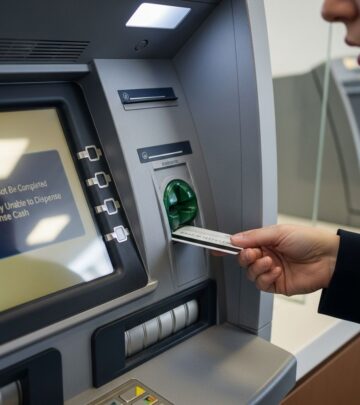
- Any error messages displayed on the screen
Keep any receipt the ATM provides, as this contains the transaction ID and other valuable information. If the machine didn’t print a receipt, write down all the details you can remember while they’re fresh in your mind.
Do Not Request Money from Business Staff
An important point to remember: do not ask staff at the location where the ATM is situated to give you the money you didn’t receive. The business typically hosts the ATM but doesn’t own it or control the cash inside. More importantly, there is a formal dispute and refund process specifically designed to prevent scams where people attempt to trick business owners by claiming the ATM didn’t dispense their money without proof. The business staff cannot legally provide you with cash, even if they wanted to help.
Contacting Your Bank
Your next step is to contact your bank or credit card issuer immediately. This is the most critical action you can take. Look at the back of your debit or credit card and call the customer service number listed there. Don’t wait; the sooner you file a dispute, the faster the resolution process can begin.
What to Tell Your Bank
When you call your bank, provide them with the following information:
- A clear statement that you did not receive your money
- The exact amount you attempted to withdraw
- The date and time of the failed transaction
- The ATM location and identification number
- Your transaction receipt or transaction ID number
- Any error messages you observed
Ask your bank to file a formal dispute regarding the transaction. Most banks will accept your claim and begin their investigation process immediately. In the majority of cases, banks automatically reimburse customers while they investigate the claim, so you shouldn’t be out of pocket for long.
Understanding the Formal Dispute Resolution Process
Once you file a dispute with your bank, a specific sequence of events unfolds. Understanding this process helps you know what’s happening behind the scenes and why it takes time to resolve.
The Resolution Timeline
Here’s how the formal dispute process typically works:
- You call your bank and file the dispute, providing transaction details
- Your bank communicates with Visa, Mastercard, or your card network about the disputed transaction
- The card network notifies the ATM processor that a dispute has been filed
- The processor files a formal Regulation E claim with the ATM operator
- The ATM technician has up to 10 days to visit the machine and retrieve the transaction log
- The technician prints the journal record showing the ATM’s internal sensors’ data
- The journal details are submitted back to the processor as evidence
- The processor provides this proof to your bank confirming cash was not dispensed
- Your bank processes your refund once the evidence is verified
Why This Process Matters
The detailed investigation process exists to protect both consumers and financial institutions. ATMs contain internal logs that document every transaction, including sensor data that confirms whether cash was actually dispensed. This objective evidence is far more reliable than customer claims alone, preventing fraud while ensuring legitimate victims are refunded.
How Long Does Resolution Take?
The timeline for receiving your money back varies depending on several factors. The ATM technician has 10 days to retrieve and submit the machine’s transaction log. Once your bank receives this evidence confirming the cash wasn’t dispensed, they typically process your refund within a few business days. In total, you can generally expect the process to take between one to two weeks, though many banks now automatically credit disputed amounts while the investigation proceeds.
What If Your Bank Denies Your Claim?
Rarely, a bank might deny your dispute claim. This typically happens if the ATM’s records show that cash was dispensed. However, if you’re confident an error occurred, you have options. You can request to see the ATM’s transaction journal as proof. You can also escalate your complaint to your bank’s dispute resolution department or file a complaint with your state’s banking regulator or the Consumer Financial Protection Bureau (CFPB) if you believe your claim was wrongly denied.
Prevention Tips for Future Transactions
While ATM failures aren’t always preventable, certain practices can reduce your risk:
- Use ATMs in secure, well-lit locations with proper maintenance
- Inspect the ATM card reader for loose or unusual attachments before inserting your card
- Use ATMs at your bank when possible, as they typically have better maintenance records
- Avoid using damaged or bent cards, as they can cause reader issues
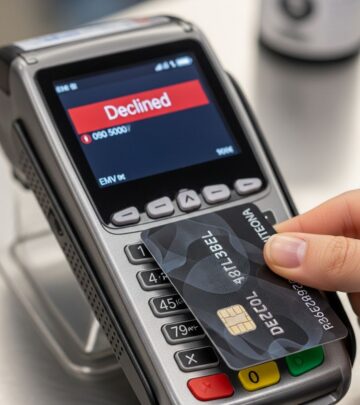
- Consider using contactless payment options when available to reduce wear on card readers
- Keep your PIN private and enter it carefully to avoid multiple failed attempts
- Always take your receipt and keep it until the transaction appears in your account
Other Common ATM Problems and Solutions
While cash not being dispensed is frustrating, ATMs can encounter other issues worth understanding:
ATM Card Retained
If the ATM keeps your card, contact your bank immediately to block it. Common causes include entering the wrong PIN multiple times, using an expired or damaged card, or the bank detecting suspicious activity. Visit your nearest branch to retrieve the card if possible, or request a replacement card if it’s damaged or permanently blocked.
Incorrect Cash Amount Dispensed
If you receive the wrong amount of cash, contact your bank immediately with the same documentation process. Some ATMs dispense incorrect amounts due to miscounting mechanisms or denomination selection errors. Your bank can review the ATM logs and reconcile the discrepancy.
ATM Out of Service or Cash Limit Reached
When an ATM displays “Out of Service” or indicates cash is unavailable, try a different ATM nearby. This could mean the machine is undergoing maintenance or the cash limit has been reached. Use digital banking alternatives like mobile payment apps or visit your bank branch for cash.
Digital Alternatives to ATM Withdrawals
To reduce your reliance on ATMs and the potential for withdrawal disputes, consider these alternatives:
- Mobile banking apps that allow peer-to-peer transfers
- Digital payment wallets like Apple Pay, Google Pay, or Samsung Pay
- Contactless card payments for reduced ATM dependency
- Requesting cash back at retail locations when making purchases
- Wire transfers for larger amounts
- Visiting your bank branch during business hours for cash withdrawals
Frequently Asked Questions (FAQs)
Q: How long does it take to get a refund if an ATM doesn’t dispense cash?
A: Most banks process refunds within 1-2 weeks. The ATM technician has up to 10 days to retrieve the transaction log, and your bank typically credits your account within a few business days after receiving confirmation that cash wasn’t dispensed.
Q: Will my bank automatically refund me while investigating?
A: In the majority of cases, yes. Most banks automatically reimburse customers for disputed ATM cash withdrawals while they conduct their investigation. This means you won’t be out of pocket during the resolution process.
Q: Can I get cash from the business that hosts the ATM?
A: No. The business hosting the ATM typically doesn’t own the machine or control the cash inside. There’s a formal dispute process in place to prevent fraud and ensure proper accountability. You must go through your bank to resolve the issue.
Q: What should I do if my bank denies my dispute?
A: Request to review the ATM’s transaction journal that should confirm whether cash was dispensed. If you believe your claim was wrongly denied, escalate the complaint to your bank’s dispute department or file a complaint with your state banking regulator or the CFPB.
Q: Does the ATM have records of my failed transaction?
A: Yes. Modern ATMs have sophisticated sensors that record exactly what happens during each transaction, including whether cash was dispensed. These internal logs become crucial evidence in dispute resolution.
Q: What information do I need to document immediately?
A: Document the exact time, date, location, ATM identification number, any error messages, and keep your receipt. This information helps your bank investigate and accelerates the resolution process.
Q: Can I dispute a transaction weeks after it happened?
A: While you can file a dispute later, it’s best to contact your bank immediately. Most banks have dispute filing windows, typically ranging from 30-120 days depending on the card type. Filing quickly ensures your dispute is properly documented and investigated.
Q: What causes most ATM cash dispensing failures?
A: The most common cause is a bill jam from crinkled or torn banknotes getting stuck in the dispensing mechanism. Other causes include network connectivity issues, insufficient cash in the machine, or technical malfunctions.
References
- Common ATM Errors and How to Fix Them — Paytm. 2024. https://paytm.com/blog/atm/common-atm-errors-fix/
- What to do if an ATM doesn’t give your money — Prineta USA. 2024. https://prineta.com/what-to-do-atm-doesnt-give-your-money/
- Common ATM Problems and Solutions: Enhancing ATM Reliability — Wavetec. 2024. https://www.wavetec.com/blog/banking/atm-problems-solutions/
- What to do if a cash machine doesn’t give you money or your card — Euronet ATMs. 2024. https://www.euronetatms.com/what-to-do-if-a-cash-machine-doesnt-give-you-money-or-your-card/
- What do I do if the ATM gave me the wrong amount of money? — Consumer Finance Protection Bureau (CFPB). 2024. https://www.consumerfinance.gov/ask-cfpb/what-do-i-do-if-the-atm-gave-me-the-wrong-amount-of-money-en-1085/
- Unraveling ATM Transaction Reversal Fraud — INETCO. 2024. https://www.inetco.com/blog/atm-transaction-reversal-fraud/
Similar Articles








Read full bio of medha deb