What to Do If Your Carbon Monoxide Detector Is Beeping
Learn what different beeping patterns mean and how to respond safely to carbon monoxide detector alerts.
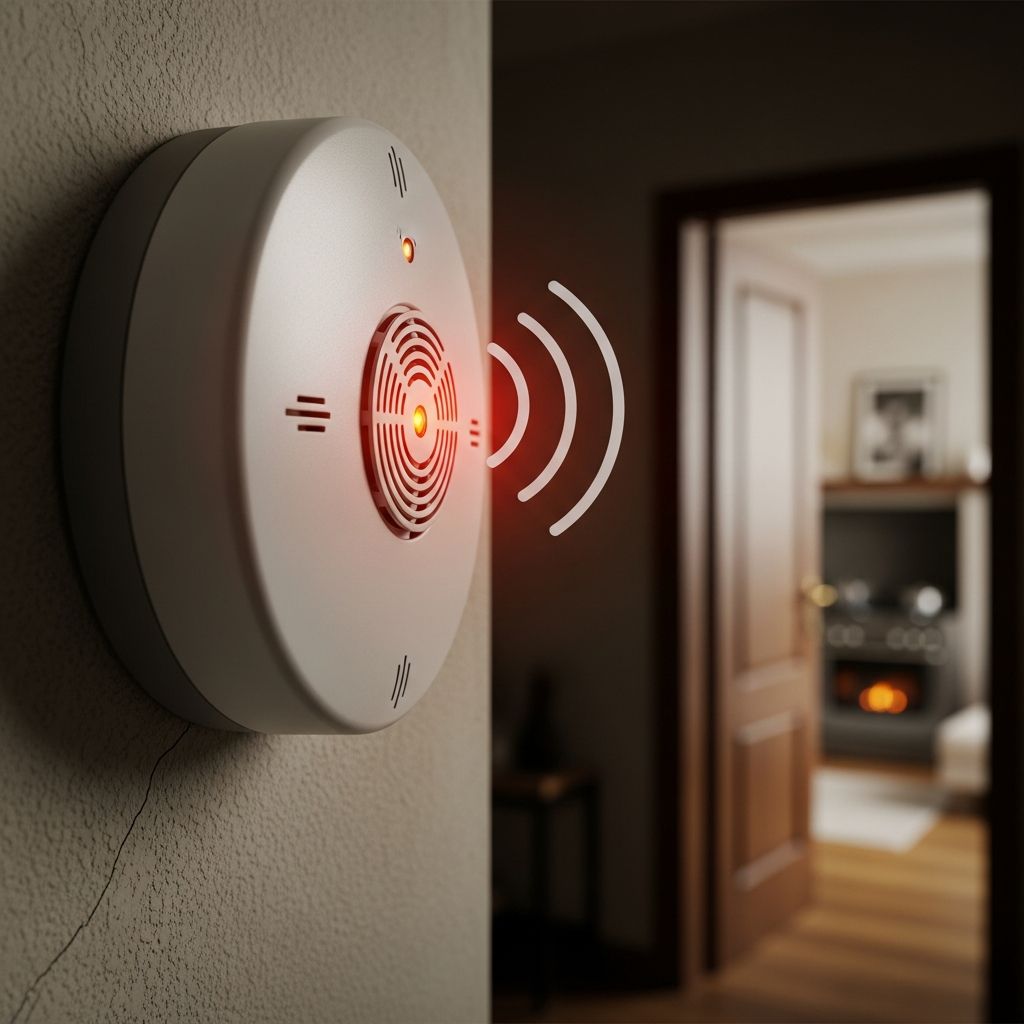
A beeping carbon monoxide detector can be alarming, but understanding what the different beeping patterns mean is essential for keeping your home and family safe. Carbon monoxide (CO) is an odorless, colorless, and highly toxic gas that can accumulate in your home without warning. When your detector starts beeping, it’s trying to communicate something important—whether it’s an emergency requiring immediate action or a routine maintenance reminder like a low battery.
Knowing how to interpret these alerts and respond appropriately can literally be the difference between life and death. This comprehensive guide will walk you through the different beeping patterns your carbon monoxide detector might produce, what each one means, the underlying causes, and exactly what steps you should take in response.
Understanding Carbon Monoxide Detector Beeping Patterns
Carbon monoxide detectors communicate through specific beeping or chirping patterns, each with a different meaning. Learning to recognize these patterns is your first line of defense against carbon monoxide poisoning.
Four Beeps and a Pause (Emergency Alert)
This is the most critical beeping pattern you need to recognize. When your detector produces four rapid beeps followed by a pause, and this pattern repeats, it means your alarm has detected dangerous levels of carbon monoxide in your home. This is an emergency situation that demands immediate action. This continuous pattern indicates that unsafe levels of carbon monoxide are present in your indoor environment, and every second counts.
One Beep Every 60 Seconds (Low Battery)
A single chirp or beep occurring approximately once per minute typically signals a low battery condition. This is one of the most common alerts homeowners receive from their CO detectors. Some devices may also flash a warning light simultaneously. This pattern is not an emergency, but it does require prompt attention—a weak battery means your detector cannot reliably alert you to actual carbon monoxide danger.
Five Beeps Every Minute (End of Life Warning)
If your detector emits five beeps in rapid succession roughly every minute, this indicates your device has reached the end of its useful life and should be replaced. Most carbon monoxide detectors have a lifespan of 5–10 years, after which their sensors degrade and become unreliable. This pattern is your signal to purchase and install a new detector immediately.
Random or Intermittent Single Beeps
Occasional, unpredictable single beeps without a regular pattern can indicate several non-emergency issues, including dust accumulation inside the unit, improper placement, humidity interference, or environmental factors affecting the sensor. While not an emergency, these intermittent alerts suggest you should investigate and potentially clean or reposition your detector.
Common Reasons Your Carbon Monoxide Alarm Is Beeping
Actual Carbon Monoxide Leak (Most Serious)
The most dangerous reason for detector beeping is an actual carbon monoxide leak in your home. If you hear the four-beep emergency pattern, your detector has identified dangerous CO levels. Common sources of carbon monoxide in residential settings include faulty or poorly maintained heating systems, water heaters, gas ovens, fireplaces, and automobile exhaust from an attached garage. Incomplete combustion in fuel-burning appliances creates carbon monoxide as a byproduct. When these appliances malfunction, have cracked heat exchangers, blocked vents, or misaligned burners, CO can accumulate to dangerous levels indoors.
Low or Dead Batteries
This is by far the most common cause of carbon monoxide detector beeping. Most modern detectors run on standard AA or 9V batteries that gradually weaken over time. When battery power drops below a certain threshold, the detector emits a single chirp approximately every 60 seconds to alert you. Replacing the batteries is typically a simple five-minute fix that eliminates the beeping and restores your detector to full functionality.
End-of-Life Sensor Degradation
Carbon monoxide detectors have a finite lifespan. After approximately 5–10 years of operation, the electrochemical sensor that detects CO begins to degrade and becomes less reliable. Rather than continue operating with a faulty sensor, quality detectors emit an end-of-life warning pattern (typically five beeps per minute) to prompt replacement. Continuing to rely on an expired detector leaves you vulnerable to undetected carbon monoxide exposure.
Environmental Interference and Humidity
Excess humidity, dust accumulation, volatile organic compounds, and extreme temperature fluctuations can interfere with your detector’s sensor and trigger false alerts. Bathrooms and kitchens with high humidity are particularly prone to causing intermittent beeping. Similarly, placing a detector near a source of dust or in areas where household chemicals are stored can activate its sensors inappropriately.
Device Malfunction
Occasionally, a carbon monoxide detector itself may malfunction due to manufacturing defects, internal damage, or component failure. When malfunctioning detectors beep erratically without following standard patterns, it’s usually time to have them professionally inspected or replaced. Reputable manufacturers typically provide a 5–7 year warranty, so check your warranty status if your detector is relatively new.
What to Do During Each Type of Alert
During a Four-Beep Emergency Alert
If you hear four beeps followed by a pause repeating continuously, treat this as an emergency:
- Evacuate your home immediately without delay
- Move everyone in the household to fresh air outside
- Call 911 or your local emergency services from outside the home
- Do not re-enter the home until emergency responders have cleared it as safe
- If anyone is experiencing symptoms of carbon monoxide poisoning (headache, dizziness, nausea, confusion, chest pain), inform emergency responders immediately
During a Single Beep Every Minute (Low Battery)
This situation requires prompt but calm action:
- Locate fresh batteries (typically AA or 9V depending on your model)
- Open the battery compartment on your detector
- Remove the old batteries and dispose of them properly
- Insert new batteries, ensuring correct polarity
- Test your detector according to manufacturer instructions
- The beeping should cease once fresh batteries are installed
During Five Beeps Every Minute (End of Life)
When your detector reaches end of life, you should:
- Note the manufacture date on your detector (typically printed on the back)
- Purchase a replacement detector of the same type or better
- Install the new detector in the same location
- Dispose of the old detector according to local regulations
- Test your new detector immediately after installation
- Update your maintenance schedule to replace this detector in 5–7 years
Preventing False Alarms and Maintaining Your Detector
Proper Placement
The location of your carbon monoxide detector significantly affects its performance and likelihood of false alarms. Install detectors on every level of your home, particularly near bedrooms and in areas with fuel-burning appliances. Avoid placing detectors directly above or next to combustion appliances, as this can cause false triggers. Similarly, keep detectors away from bathrooms and kitchens where humidity is elevated.
Regular Cleaning
Dust and debris accumulation inside your detector can trigger intermittent false alarms. Clean the exterior of your detector monthly using a soft brush or cloth. Avoid using water or harsh chemicals on electronic components.
Regular Testing
Most detectors include a test button that simulates a carbon monoxide alert. Press this button monthly to verify your detector is functioning properly. The detector should emit its standard alarm pattern when tested.
Battery Replacement Schedule
If your detector uses replaceable batteries, establish a routine replacement schedule twice yearly. Many people change batteries when adjusting clocks for daylight saving time. This proactive approach prevents the annoying low-battery beeping and ensures continuous protection.
When to Call a Professional
Certain situations require professional intervention:
- If your detector continues beeping after replacing batteries and checking for environmental interference
- If you suspect an actual carbon monoxide leak based on emergency beeping patterns
- If multiple detectors in your home are beeping simultaneously
- If you experience symptoms of carbon monoxide poisoning (persistent headaches, dizziness, nausea) even without detector alerts
Only qualified HVAC technicians should inspect and repair fuel-burning appliances suspected of producing carbon monoxide.
Beeping Pattern Reference Chart
| Beeping Pattern | Meaning | Action Required | Urgency |
|---|---|---|---|
| 4 beeps + pause (continuous) | Dangerous CO levels detected | Evacuate immediately, call 911 | Emergency |
| 1 beep every 60 seconds | Low battery | Replace batteries | Soon |
| 5 beeps every minute | End of life warning | Replace detector | Within days |
| Random intermittent beeps | Dust, humidity, or placement issue | Clean unit, reposition, or investigate | Non-urgent |
| 3 beeps every few minutes | Device malfunction | Reset or replace detector | Soon |
Frequently Asked Questions
Q: Is a beeping carbon monoxide detector always an emergency?
A: No. While four beeps followed by a pause indicates an emergency requiring immediate evacuation, other beeping patterns (low battery, end of life) are not emergencies but do require prompt action. Learning to distinguish between patterns is crucial.
Q: How often should I replace my carbon monoxide detector batteries?
A: For maximum reliability, replace batteries twice yearly—such as when switching to and from daylight saving time. This prevents low-battery alerts and ensures consistent protection against carbon monoxide.
Q: Can my carbon monoxide detector give false alarms?
A: Yes. False alarms can result from low batteries, humidity, dust, improper placement, or proximity to volatile organic compounds. Proper placement and regular maintenance minimize false alerts while maintaining your home’s safety.
Q: What should I do if my detector beeps but stops after I open a window?
A: If beeping stops after ventilation, it suggests environmental interference rather than an actual CO leak. However, investigate the cause and ensure your detector is properly positioned. If emergency beeping occurs repeatedly, contact a professional to inspect your fuel-burning appliances.
Q: How long do carbon monoxide detectors last?
A: Most detectors have a lifespan of 5–10 years. After this period, the electrochemical sensor degrades and becomes unreliable. Your detector will emit end-of-life warning chirps when replacement is necessary.
Q: Can I use any batteries in my CO detector?
A: Use high-quality alkaline batteries recommended by your detector’s manufacturer. Using cheap or incorrect battery types can result in inadequate power and premature low-battery alerts.
References
- Carbon Monoxide Detector Beeping? Find the Cause & Fix Now — X-Sense. 2024. https://www.x-sense.com/blogs/tips/carbon-monoxide-detector-beeping
- Why is my Carbon Monoxide Detector Beeping? — Fire Protection Online. 2024. https://www.fireprotectiononline.co.uk/info/why-carbon-monoxide-beeping/
- Why is My Carbon Monoxide Detector Beeping? — First Alert. 2024. https://www.firstalert.com/blogs/safety-corner/what-does-the-beep-mean
- Why Your Carbon Monoxide Detector Is Beeping—and What to Do — ADT. 2024. https://www.adt.com/resources/carbon-monoxide-detector-beeping
- Why Is My Carbon Monoxide Alarm Beeping or Chirping? — Kidde. 2024. https://kidde.com/support/carbon-monoxide-alarms/why-is-my-carbon-monoxide-alarm-beeping-or-chirping
- Is your smoke or carbon monoxide alarm chirping? Here’s what it’s telling you — Texas Department of Insurance. 2024. https://www.tdi.texas.gov/blog/is-your-smoke-or-carbon-monoxide-alarm-chirping-heres-what-its-telling-you.html
- Carbon Monoxide Alarm Going Off Every 30 Seconds — HomeSmiles. 2024. https://homesmiles.com/carbon-monoxide-alarm-going-off-every-30-seconds-causes-solutions-and-maintenance-tips/
Similar Articles








Read full bio of Sneha Tete