What to Do After a Car Accident
Navigate the chaos of a car crash with confidence: from immediate safety to insurance claims and full recovery strategies.
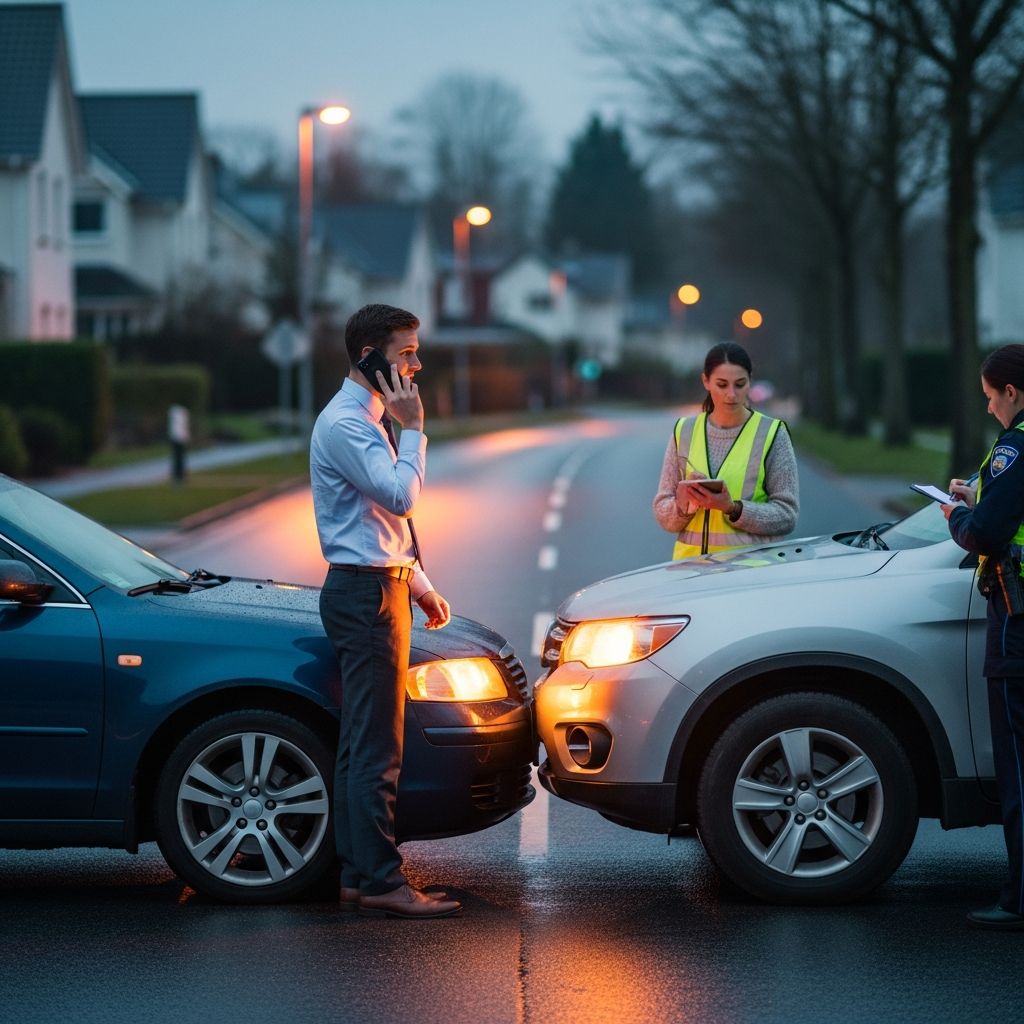
Experiencing a car accident triggers a cascade of urgent decisions that can profoundly affect your health, finances, and legal standing. Acting swiftly and methodically ensures personal safety, preserves evidence, and positions you for fair compensation. This guide outlines a comprehensive roadmap, drawing from established protocols to help you manage the immediate aftermath through long-term recovery.
Prioritizing Safety at the Scene
The instant after impact, your top priority is preventing further harm. Assess your condition and that of any passengers or nearby individuals without moving unnecessarily if spinal injuries are possible. If the location poses ongoing risks like heavy traffic, activate hazard lights and, if feasible, relocate vehicles to a secure shoulder area.
Signal for help immediately by calling emergency services, even for seemingly minor collisions. Professional responders document the incident officially, which proves invaluable for insurance and potential disputes. While waiting, avoid consuming food or drink, as this could complicate later medical evaluations.
- Check for visible injuries like bleeding or fractures on yourself and others.
- Direct traffic if needed using reflective triangles or flares from your vehicle kit.
- Refrain from admitting fault or discussing details beyond basic facts.
Thoroughly Documenting the Incident
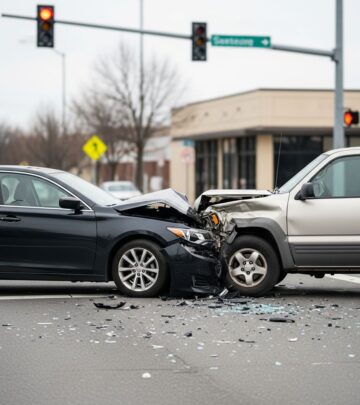
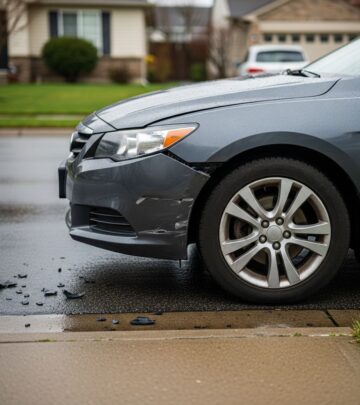
Evidence collection forms the backbone of any subsequent claim. Use your phone to capture multiple angles of vehicle damage, skid marks, traffic signals, and environmental factors such as weather or road debris. Photograph license plates, driver identifications, and any visible injuries on involved parties.
Exchange essential details politely: full names, contact numbers, insurance providers, policy numbers, and vehicle registrations. Secure statements from eyewitnesses, noting their names and phone numbers, as independent accounts often sway determinations of liability. If police arrive, obtain the report number for later retrieval.
| Item to Document | Why It Matters | Best Method |
|---|---|---|
| Vehicle Damage | Proves extent of impact | Photos from all angles |
| Scene Layout | Reconstructs sequence | Wide shots + measurements |
| Party Information | Identifies at-fault driver | Written notes or app |
| Witness Contacts | Provides neutral testimony | Phone numbers + emails |
Seeking Prompt Medical Evaluation
Adrenaline can mask serious trauma, so professional assessment is non-negotiable, regardless of initial feelings. Head to an emergency department for severe symptoms like dizziness, chest pain, or loss of consciousness. For milder concerns, opt for urgent care followed by primary physician follow-up within days.
This step not only safeguards health but establishes a documented link between the crash and any diagnosed conditions, crucial for claims. Track all visits, prescriptions, and bills meticulously, photographing injuries as they evolve to demonstrate progression.
Navigating Insurance Notifications and Claims
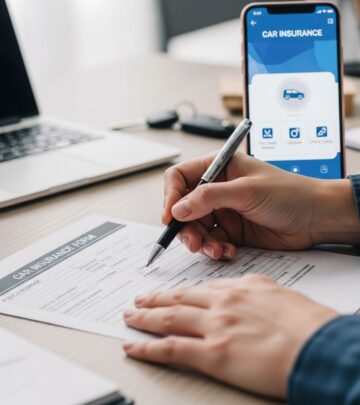
Report the accident to your insurer promptly, providing factual details without speculating on fault. Request guidance on next steps, including whether to pursue your policy’s collision coverage or the at-fault party’s liability. Gather all documentation before filing to strengthen your position.
Expect adjusters to contact you; respond cooperatively but consult an attorney if offers seem inadequate or pressures mount. In no-fault states, utilize Personal Injury Protection (PIP) first for medical costs up to policy limits.
Frequently Asked Questions
Should I always call the police after a minor fender-bender?
Yes, especially on public roads, as official reports clarify fault and satisfy insurance requirements in most jurisdictions.
How soon must I notify my insurance company?
Typically within 24-48 hours, but check your policy to avoid claim denials.
What if the other driver is uninsured?
Rely on your uninsured motorist coverage if available, and document aggressively for potential legal recourse.
Can I drive my damaged car home?
Only if it’s roadworthy and safe; otherwise, arrange towing to prevent additional liability.
Addressing Physical Recovery Strategies
Healing demands a multifaceted approach tailored to injury severity. Physical therapy targets common issues like whiplash or sprains, rebuilding strength and mobility through customized exercises. Complement with chiropractic adjustments for alignment and soft tissue therapies like massage to alleviate tension.
Nutrition fuels repair: prioritize anti-inflammatory foods such as berries, fatty fish, and leafy greens alongside adequate protein. Hydrate consistently and incorporate low-impact activities like walking once cleared by providers. Rest sufficiently, aiming for 7-9 hours nightly to support tissue regeneration.
- Follow prescribed regimens without shortcuts to avoid chronic issues.
- Monitor progress with a symptoms journal, noting pain levels and improvements.
- Explore telemedicine for ongoing monitoring if mobility is limited.
Managing Emotional and Psychological Impacts
Post-crash anxiety or PTSD affects many; recognize signs like avoidance of driving or hypervigilance. Discuss feelings with trusted contacts or professionals early. Techniques such as mindfulness or counseling integrate well with physical rehab for holistic recovery.
Financial Repercussions and Mitigation
Beyond repairs, anticipate rental car needs, lost wages, and therapy costs. Compile expenses for reimbursement, leveraging medical payments coverage where applicable. Dispute undervalued settlements methodically with evidence. Vehicle replacement or total loss claims require fair market value assessments via tools like Kelley Blue Book.
| Potential Cost | Average Range | Coverage Source |
|---|---|---|
| Medical Bills | $2,000-$50,000+ | PIP or Liability |
| Vehicle Repair | $1,000-$10,000 | Collision |
| Lost Income | Varies by salary | Income Replacement |
| Rental Car | $30-$100/day | Rental Coverage |
Legal Considerations and When to Involve Professionals
If injuries persist or liability is contested, retain a personal injury attorney. They negotiate settlements, often on contingency, maximizing outcomes. Statutes of limitations vary by state—typically 2-3 years—so act decisively.
Review state-specific rules, like Florida’s 14-day PIP notification, to comply fully.
Preventing Future Incidents
Post-recovery, upgrade safety habits: maintain defensive driving, ensure annual vehicle inspections, and consider advanced driver assistance systems. Regular therapy check-ins sustain gains.
This structured response to accidents minimizes long-term disruptions, fostering resilience amid uncertainty.
References
- Recovery After Vehicle Crash: A Practical Roadmap to Rebuild Your Life — Schaarsilva Law. 2024. https://schaarsilvalaw.com/recovery-after-vehicle-crash-a-practical-roadmap-to-rebuild-your-life/
- Car Accident Recovery Guide — Apex Orthopaedics Spine & Neurology. 2024. https://www.apexosn.com/car-accident-recovery-guide/
- Steps To Take After A Car Accident: A Comprehensive Guide — AWKO Law. 2024. https://www.awkolaw.com/steps-to-take-after-car-accident-guide/
- After the Crash: A Complete Guide to Handling a Car Accident — Coxwell Law. 2025-02. https://www.coxwelllaw.com/blog/2025/february/after-the-crash-a-complete-guide-to-handling-a-c/
- The Comprehensive Guide to Car Accident Injury Treatment — Denver Colorado Chiropractic. 2024. https://denvercoloradochiropractic.com/auto-injury-denver-car-accident/the-comprehensive-guide-to-car-accident-injury-treatment-what-you-need-to-know/
- Comprehensive Guide to Handling Car Accident Trauma — Werner Hoffman. 2024. https://wernerhoffman.com/blog/guide-handling-car-accident-trauma/
- What to Do After a Car Accident in Florida: Your 2026 Complete Guide — Pencheff and Fraley. 2026. https://pencheffandfraley.com/what-to-do-after-car-accident-florida/
Similar Articles








Read full bio of medha deb