What to Do After a House Fire: How to Replace It All
Step-by-step guide to immediate safety, insurance claims, financial recovery, and rebuilding life after your home is destroyed by fire.
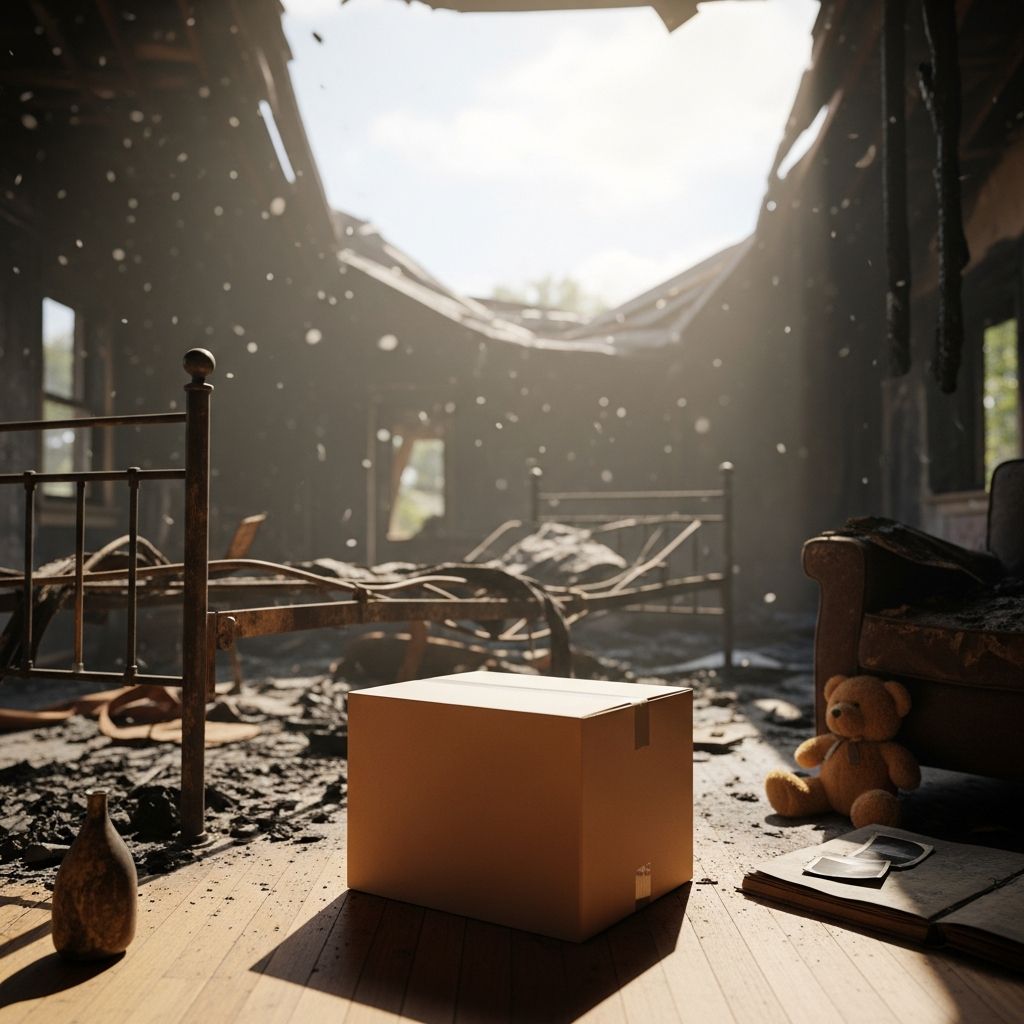
A house fire can strike without warning, leaving families displaced, possessions destroyed, and finances in disarray. In the U.S., fire departments respond to about 353,000 home structure fires annually, causing billions in property damage and affecting thousands of households. This comprehensive guide outlines the critical steps to take immediately after a fire, from ensuring safety to rebuilding your life financially. Drawing from real survivor experiences and official guidelines, it covers safety protocols, insurance navigation, temporary housing, document replacement, and long-term recovery strategies. Whether your fire was caused by accident, like the Lynchburg incident where smoke inhalation hospitalized an elderly resident, or wildfires as in recent LA-area blazes, these steps will help you recover efficiently.
Step 1: Ensure Everyone’s Safety
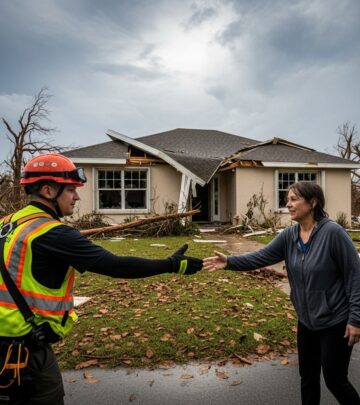
The first priority after escaping a house fire is personal safety and health. Do not re-enter the structure for any reason, as it may be unstable or filled with toxic fumes. Chemicals from fire smoke, including lead and arsenic, can linger in homes long after flames are extinguished, posing health risks.
- Seek medical attention: Even if injuries seem minor, get checked for smoke inhalation, burns, or carbon monoxide exposure. In the Lynchburg case, firefighters rescued an elderly woman who required airlifting to a specialist center.
- Account for all family members and pets: Confirm everyone is safe. Organizations like the American Red Cross assisted a displaced family with shelter post-Lynchburg fire.
- Contact emergency services if needed: Fire marshals investigate causes; cooperate fully. The Lynchburg fire was ruled accidental from smoking materials.
Once safe, notify your local fire department if not already done. They will secure the scene and provide a fire report essential for insurance claims.
Step 2: Contact Your Insurance Company Immediately
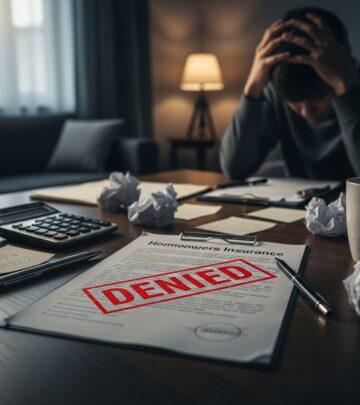
Time is critical for home insurance claims. Most policies require notification within 24-72 hours. Delays can complicate payouts. Prepare to provide your policy number, fire report details, and photos if possible.
- Understand your coverage: Homeowners insurance typically covers dwelling, personal property, and additional living expenses (ALE). ALE pays for hotel stays, meals, and rentals up to policy limits, often 20-30% of dwelling coverage.
- Document everything: Take photos of damage before cleanup. List destroyed items with receipts, serial numbers, and values. Apps like Encircle help inventory losses.
- Avoid common pitfalls: Wildfire survivors in Palisades and Altadena faced insurance cancellations or inadequate payouts, leading to debt.
Expect an adjuster visit within days. Be honest; fraud suspicions can void claims. If disputed, hire a public adjuster for 10% of settlement fee.
Step 3: Secure Temporary Housing and Essentials
Displacement is immediate. Insurance ALE covers costs, but act fast.
| Option | Pros | Cons | Cost Estimate (per month) |
|---|---|---|---|
| Hotel/Motel | Quick access, amenities | Expensive, short-term | $2,000-$4,000 |
| Extended Stay/Airbnb | Kitchen, laundry | Booking delays | $1,500-$3,000 |
| Family/Friends | Free, emotional support | Space/privacy issues | $0-$500 utilities |
| Red Cross Shelter | Immediate, free | Crowded, basic | $0 |
Red Cross provides 1-2 weeks emergency aid. For longer, FEMA disaster assistance may apply if declared. Gather essentials: clothes, toiletries, medications via clothing banks or Walmart vouchers.
Step 4: Replace Vital Documents and IDs
Fires destroy irreplaceable papers. Prioritize these for banking, housing, and benefits.
- Government IDs: Driver’s license (DMV), passport (State Dept.), Social Security card (SSA.gov).
- Financial docs: Bank statements, tax returns (IRS transcripts), insurance policies (agent copies).
- Medical records: Prescriptions, vaccination proofs from providers.
- Vehicle titles/registrations: If garage affected, DMV replacements.
Many agencies offer online rush services post-disaster. Identity theft risk rises; monitor credit via AnnualCreditReport.com. One Palisades survivor dealt with theft complicating loans.
Step 5: Clean Up and Assess Damage
Only enter with fire official permission. Hire licensed pros for hazardous cleanup—smoke residue contains carcinogens.
- Board-up services: Prevent looting/vandalism; insurance covers.
- Water extraction: Fires often involve sprinklers/hoses causing mold risk.
- Salvage valuables: Gold/silver may survive; professionals restore electronics/documents.
Packrat syndrome tempts keeping soot-covered items, but discard contaminated goods to avoid health issues. Survivors discarded heirlooms fearing toxins.
Step 6: Inventory and Replace Belongings
Create a room-by-room inventory. Replacement cost value (RCV) policies pay current prices minus depreciation.
- Prioritize: Kitchenware, bedding, work clothes first.
- Shop smart: Thrift stores, Facebook Marketplace for deals. Avoid credit card debt; use ALE funds.
- Sentimental items: Community drives replaced letters/instruments for some.
One Penny Hoarder survivor replaced via insurance checks, garage sales. Track expenses for reimbursement.
Step 7: Navigate Financial Recovery
Fires strain budgets. Steps to stabilize:
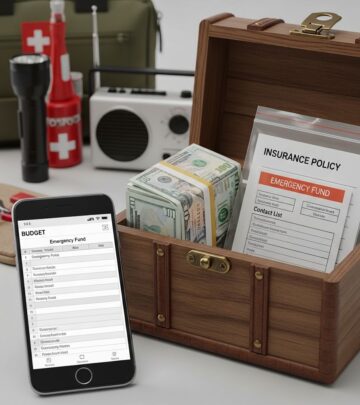
- Emergency funds: Use savings, then ALE.
- Government aid: FEMA grants (non-repayable), SBA low-interest loans for uninsured losses.
- Crowdfunding: GoFundMe helped Lynchburg family.
- Budget rebuild: Cut non-essentials; negotiate bills.
Wildfire victims faced permitting hurdles delaying rebuilds. Consult financial advisors for tax deductions on casualty losses (IRS Pub 547).
Step 8: Plan for Rebuilding or Relocating
Decide: rebuild or sell lot? Adjusters estimate costs; contractors bid.
- Timeline: LA wildfire survivors waited a year; few rebuilt.
- Upgrades: Fire-resistant materials, smart detectors.
- Alternatives: Some opted for condos post-loss.
NFPA recommends arc-fault breakers, smoke alarms.
Frequently Asked Questions (FAQs)
What should I do first after a house fire?
Ensure safety, seek medical help, and contact your insurance company immediately. Do not re-enter the home.
How long does an insurance claim take?
Typically 30-60 days for initial payout, longer for full settlement. Wildfire claims faced delays.
Does renters insurance cover fires?
Yes, personal property and ALE, averaging $15k coverage. Check policy limits.
Can I get FEMA help for any fire?
Only declared disasters; apply at DisasterAssistance.gov.
What about pets after a fire?
Red Cross/vets offer aid; many survivors prioritized pets like in rebuild stories.
Prevent Future Fires
Install interconnected smoke/CO alarms, test monthly. Avoid unattended cooking, space heaters. NFPA stats: 50% kitchen fires.
Recovering from a house fire demands resilience. Survivors like Lynchburg’s Robinson emphasize community support. With methodical steps, you can replace belongings, stabilize finances, and emerge stronger.
References
- Lynchburg family loses home, launching GoFundMe for recovery — WSLS. 2026-01-09. https://www.wsls.com/news/local/2026/01/09/lynchburg-family-loses-home-launching-gofundme-for-recovery/
- Wildfires in Palisades and Altadena upended life for many residents — KION. 2026-01-07. https://kioncentralcoast.com/news/national-world/cnn-national/2026/01/07/wildfires-in-palisades-and-altadena-upended-life-for-many-residents-a-year-later-the-communitys-strength-keeps-them-going/
- What to Do After a House Fire: How to Replace it All — The Penny Hoarder. Accessed 2026. https://www.thepennyhoarder.com/save-money/what-to-do-after-a-house-fire/
- LA fire studies show the risks as wildfire smoke — CT Post. Accessed 2026. https://www.ctpost.com/news/article/la-fire-studies-show-the-risks-as-wildfire-smoke-21276959.php
- A man and his old dog are home at last after — CT Insider. Accessed 2026. https://www.ctinsider.com/news/article/a-man-and-his-old-dog-are-home-at-last-after-21282069.php
- A year after LA-area wildfires destroyed — Middletown Press. Accessed 2026. https://www.middletownpress.com/business/article/a-year-after-la-area-wildfires-destroyed-21280822.php
Similar Articles








Read full bio of Sneha Tete