What Property Buyers Should Know About Land Loans
Complete guide to land loans: interest rates, down payments, and financing options for property buyers.
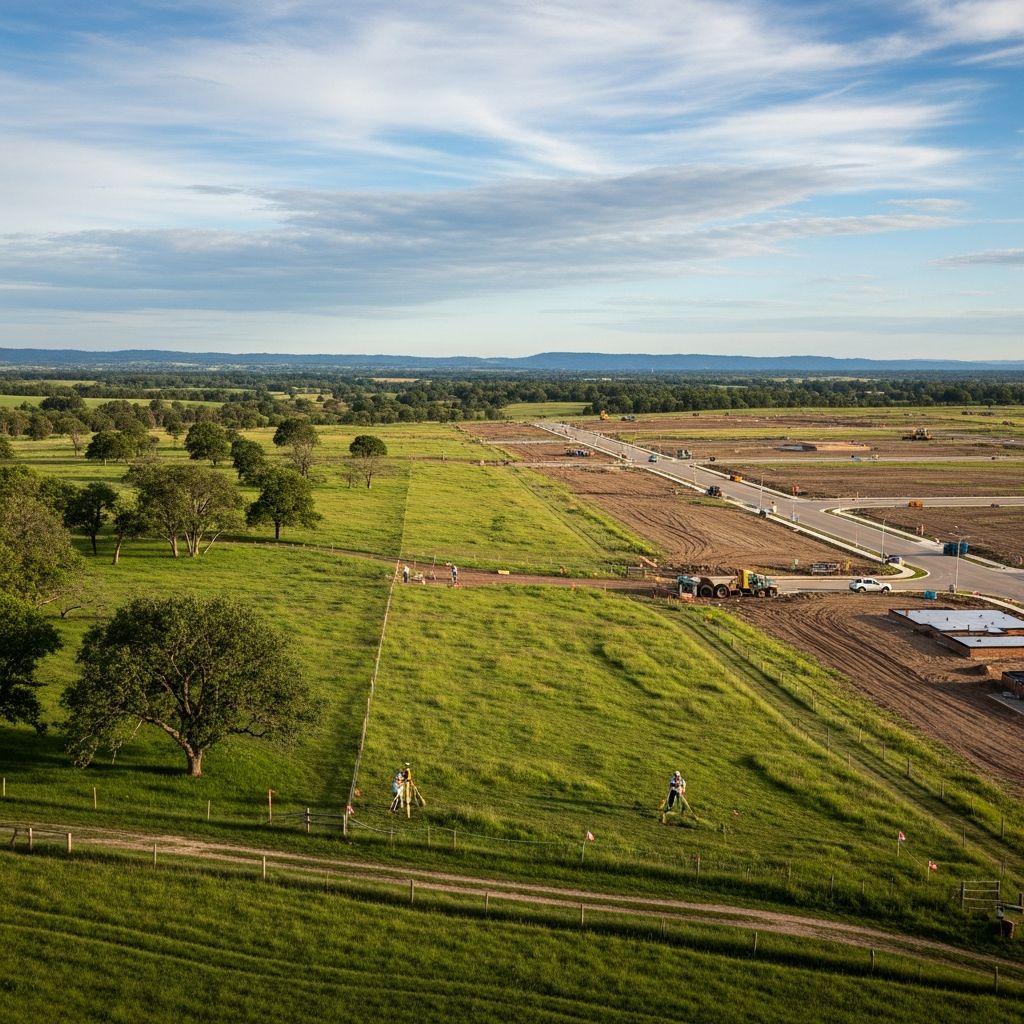
Purchasing land is a significant financial decision that differs substantially from buying an existing home. Unlike traditional mortgage financing, land loans come with unique challenges, higher costs, and more stringent requirements. Whether you’re looking to invest in raw land for future development or purchase improved property, understanding the ins and outs of land loan financing is essential before making this substantial investment.
Understanding Land Loans
A land loan is a specialized type of mortgage designed specifically to finance the purchase of a tract of land. Unlike construction loans, which help you borrow money for both land and the building process, land loans are focused solely on acquiring the property itself. If you later decide to build on the land, you’ll need to secure additional financing through a construction loan or other means.
Land loans are fundamentally different from conventional mortgages because they carry significantly more risk for lenders. When a lender finances a residential home, they have tangible collateral—the structure itself—that holds value and can be resold if the borrower defaults. With land, especially raw or undeveloped land, there’s no building to provide security. This increased risk translates directly into more challenging lending terms for borrowers.
Types of Land and Their Financing Implications
Understanding the different categories of land is crucial because each type affects your financing options and terms differently.
Raw Land
Raw land is entirely untouched, lacking roads, utilities, power systems, or sewage infrastructure. This type of property presents the highest risk to lenders because it offers no immediate utility or income potential. Financing raw land is the most challenging option, requiring substantial down payments (often 35-50% of the purchase price), excellent credit scores, and detailed development plans. Lenders view raw land purchases with considerable skepticism, particularly for larger parcels exceeding 20 acres.
Unimproved or Undeveloped Land
Unimproved land represents an upgrade from raw land. It may have access to some utilities but still lacks others, such as phone lines, gas meters, or electrical connections. Obtaining financing for unimproved land is easier than raw land but remains challenging compared to improved properties. Lenders view this category more favorably because it demonstrates some level of development, even if incomplete.
Improved Land
Improved land has been fully developed with complete utility and road access. Many buyers prefer this option because infrastructure is already in place, making it ready for immediate use or construction. While improved land is the most expensive category, it’s also the easiest to finance because it carries lower risk for lenders and offers clear, measurable value.
Interest Rates for Land Loans
Interest rates for land loans are substantially higher than conventional mortgage rates, reflecting the increased risk lenders assume. Understanding these rates and the factors that influence them is critical for budgeting your purchase.
Rate Ranges and Variations
Land loan interest rates typically range from 4% to 12%, depending on multiple factors including the type of land, location, lender choice, and your creditworthiness. Raw-land loans usually carry rates approximately 2% higher than conventional mortgage rates. For undeveloped land, expect rates in the higher range because lenders view these investments as riskier propositions. Agricultural land may have lower rates since it generates income and is generally easier to appraise. Urban land loans tend to feature the lowest interest rates, reflecting higher property values and greater liquidity in urban markets.
Shopping for the Best Rates
Interest rates vary significantly between lenders, and even small differences compound substantially over your loan term. It’s essential to shop around with multiple lenders, as rates can vary by several percentage points. Community banks and credit unions are often more likely to offer competitive land loan rates than large national banks, particularly if you’re purchasing land in their local area.
Down Payment Requirements
Down payment requirements for land loans are significantly higher than for conventional mortgages, typically ranging from 20% to 50% of the purchase price. This represents a critical difference from traditional home purchases, where 20% down payments are standard.
Lenders require larger down payments to offset the inherent risk in land lending. The larger your down payment, the better your chances of securing favorable terms and approval. For raw or undeveloped land, lenders typically demand the highest down payments—often 35-50% of the purchase price—because these properties are harder to value and more difficult to sell if the loan defaults. During economic downturns, such as the pandemic period, down payment requirements have surged even higher, reaching 25-30% or more.
The correlation between down payment size and loan approval cannot be overstated. A substantial down payment demonstrates your commitment to the investment and reduces the lender’s risk exposure significantly.
Credit Score Requirements
Land loan lenders typically require higher credit scores than conventional mortgage lenders. While conventional mortgages may be available to borrowers with credit scores in the mid-600s, most land loan lenders expect borrowers to have credit scores in the high 600s to low 700s at minimum. For raw land purchases, some lenders may require even higher scores—670 or above.
Your credit score influences not only whether you’ll be approved but also the interest rate you’ll receive. Stronger credit scores typically result in more favorable rates and terms. Additionally, lenders will examine your credit history for patterns of responsible borrowing and timely payments.
Debt-to-Income Ratio Considerations
Like conventional mortgages, land loans require borrowers to maintain healthy debt-to-income (DTI) ratios. Most lenders typically cap DTI at 43%, meaning your total monthly debt payments shouldn’t exceed 43% of your gross monthly income. Your land loan payment will count as part of this calculation along with any other debts you carry.
Maintaining a favorable DTI ratio demonstrates to lenders that you won’t be overextended financially and can comfortably manage the land loan payment even if unexpected expenses arise.
Land Loan Repayment Terms
The typical repayment timeline for land loans is 20 years, which is notably shorter than the standard 30-year conventional mortgage. However, more flexibility exists than many borrowers realize. Some lenders offer loans with significantly shorter terms, while others structure land loans as balloon mortgages featuring interest-only payments or no payments for a set time period, followed by the balance coming due in one large payment.
Understanding your repayment options is important because the term length significantly affects your monthly payment amount and total interest paid over the life of the loan.
Types of Land Loans and Financing Options
Various financing options exist for land purchases, each with distinct advantages and requirements.
Bank or Credit Union Land Loans
Community banks and credit unions are more likely to offer land loans than large national banks. Your best strategy is finding a lender with a local presence near the land you want to purchase. Local financial institutions usually understand the area better and can more accurately assess land value and development potential. They may also offer more favorable terms than national lenders unfamiliar with local market conditions.
USDA Rural Housing Loans
The USDA offers special loan programs designed for low- to moderate-income families purchasing land in rural areas. These programs feature remarkably low interest rates—Section 523 loans charge just 3%, while Section 524 loans charge less than current market rates with the rate fixed at closing. Repayment terms are typically five years, making these programs attractive for eligible borrowers.
SBA 504 Loans
For commercial land purchases, the Small Business Administration offers 504 loans. These loans structure financing in a unique way: the SBA-backed lender provides 50% of the purchase cost, you contribute 10% as a down payment, and you secure conventional financing for the remaining 40%. Interest rates on 504 loans are based on current market rates, and repayment periods typically span 10 to 25 years, providing extended time to make the investment work financially.
Home Equity Loans
If you already own a home with significant equity, a home equity loan might be an excellent alternative to a traditional land loan. Home equity loans require no down payment, typically offer lower interest rates than personal loans (since they’re secured by your home), and often feature more flexible terms. This option works particularly well if the land purchase price is relatively modest.
Personal Loans
For less expensive land parcels, personal loans represent another financing avenue. While personal loans typically carry higher interest rates than secured loans, they may be appropriate for smaller land purchases when other options aren’t available.
Comparing Land Loan Offers
Because land loans tend to be more expensive than conventional mortgages, it’s absolutely critical to compare multiple types and lenders before settling on a single option. When comparing offers, examine not just the interest rate but also the down payment requirement, loan term, prepayment penalties, and any other fees or conditions.
Create a comparison spreadsheet tracking each lender’s terms, then calculate the total cost of borrowing over the full loan term. A slightly lower rate with a longer term might actually cost you less than a higher rate with a shorter term, depending on your financial situation.
Important Considerations Before Applying
Before pursuing land loan financing, several important factors deserve your attention:
- Development Plans: Having clear, detailed development or usage plans significantly strengthens your loan application. Lenders want to understand how you intend to use the land and what timeline you envision for development.
- Local Zoning and Regulations: Research local zoning codes and regulations to ensure the land can be used as you intend. Building restrictions, setback requirements, and permitted uses can dramatically affect the property’s value and financing eligibility.
- Appraisal Challenges: Raw land appraisals are often more difficult and subjective than improved property appraisals, potentially complicating the financing process.
- Future Construction Costs: If you plan to build, remember that the land loan only finances the property purchase. You’ll need separate financing for construction, which requires different qualifications and terms.
- Ongoing Expenses: Consider property taxes, insurance, maintenance, and potential improvements required before development can begin.
Frequently Asked Questions
What’s the difference between a land loan and a construction loan?
A land loan finances only the purchase of the property itself. A construction loan, by contrast, provides financing for both the land purchase and the building process. If you want to build on land you purchase with a land loan, you’ll need to secure separate construction financing.
Are land loans more expensive than conventional mortgages?
Yes. Land loans carry more risk than conventional mortgages, so lenders typically charge higher interest rates—particularly on raw land lacking access to basic utilities. However, exceptions exist. Compare offers from multiple lenders to find the most competitive rate possible.
Can I get a land loan with a lower credit score?
Most lenders require credit scores in the high 600s to low 700s minimum. While some lenders might work with lower scores, expect less favorable terms, higher interest rates, and potentially higher down payment requirements.
What if I can’t afford the down payment requirement?
Consider alternative financing options such as home equity loans if you own property, personal loans for smaller purchases, or exploring USDA rural housing programs if eligible. Some credit unions may also offer more flexible down payment terms than conventional lenders.
How long does the land loan approval process take?
Land loan approvals typically take longer than conventional mortgage approvals because appraisals are more complex and lenders require more thorough due diligence. Plan for 30-45 days minimum, though some applications may take longer.
Can I use a land loan to purchase land for investment purposes?
Yes. Land loans can be used for investment purposes, including purchasing land for future resale, rental properties, or commercial development. Investment properties may have different qualification requirements and potentially higher interest rates than owner-occupied purchases.
Conclusion
Obtaining a land loan requires careful planning, strong financial credentials, and thorough research. By understanding interest rate ranges, down payment requirements, credit score expectations, and the various financing options available, you’ll be better positioned to navigate the land purchase process successfully. Take time to shop around, compare multiple lenders, and ensure your chosen financing aligns with your long-term goals for the property. With proper preparation and realistic expectations about costs and requirements, you can successfully secure the financing needed to purchase your desired land.
References
- What property buyers should know about land loans — Bankrate. 2024. https://www.bankrate.com/real-estate/what-property-buyers-should-know-about-land-loans/
- How To Buy Undeveloped Land — Bankrate. 2024. https://www.bankrate.com/real-estate/buyng-undeveloped-land/
- How To Buy Land: A Step-By-Step Guide — Bankrate. 2024. https://www.bankrate.com/real-estate/how-to-buy-land/
- Breaking Down California Land Loans Interest Rates, Terms, and Insider Tips — Insula Capital Group. 2024. https://insulacapitalgroup.com/breaking-down-california-land-loans-interest-rates-terms-and-insider-tips/
- Land Loans in 2025: 7 Essential Things to Know Before You Buy — AmeriSave. 2025. https://www.amerisave.com/learn/land-loans-in-essential-things-to-know-before-you-buy
Similar Articles








Read full bio of Sneha Tete