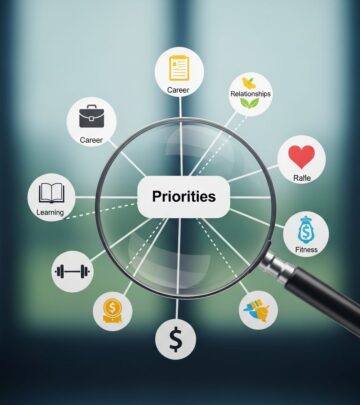
Work Philosophy: A Practical Guide To Defining Your Values
Discover the core principles and values that shape your professional approach and drive success.

What Philosophy Guides Your Work?
Your work philosophy represents the fundamental beliefs, values, and principles that guide your professional decisions and shape how you approach your career. It serves as a compass in navigating workplace challenges, determining priorities, and defining success on your own terms. Whether you realize it or not, everyone operates under some form of work philosophy—the question is whether yours is intentional, clearly defined, and aligned with your personal values.
Understanding and articulating your work philosophy is more than an abstract exercise. It influences everything from how you treat colleagues to the types of projects you pursue, how you handle ethical dilemmas, and ultimately, the legacy you build in your profession. A well-defined work philosophy provides clarity during difficult decisions and helps you maintain consistency in your professional conduct.
Understanding the Foundation of Work Philosophy
Work philosophy encompasses the core beliefs you hold about the purpose of work itself. For some, work is primarily a means to financial security. For others, it represents an opportunity for creative expression, intellectual growth, or making a positive impact on society. Your philosophy might emphasize career advancement and achievement, or it might prioritize flexibility, autonomy, and personal well-being.
The foundation of your work philosophy often stems from multiple sources: your upbringing, cultural background, educational experiences, mentors who influenced you, and your personal values system. Some philosophies are rooted in religious or spiritual traditions, while others emerge from secular frameworks emphasizing personal fulfillment or social responsibility. Understanding these origins helps explain why different people have vastly different approaches to their careers.
Core Components of a Personal Work Philosophy
Purpose and Meaning
The first component involves identifying why you work beyond earning a paycheck. Do you seek to solve specific problems, serve others, create innovative solutions, or build something lasting? Your sense of purpose shapes your engagement level and resilience when facing setbacks. People who connect their work to a larger purpose typically report higher job satisfaction and greater motivation.
Values and Ethics
Your work philosophy must address the ethical principles that guide your professional conduct. This includes how you treat colleagues, customers, and competitors; your stance on honesty and transparency; and your response to ethical dilemmas. A strong ethical framework prevents compromising your integrity when facing pressure or temptation.
Growth and Development
Consider whether your work philosophy prioritizes continuous learning, skill development, and personal growth. Do you view challenges as opportunities or threats? Are you committed to staying current in your field, and do you actively seek feedback for improvement? This component determines how you navigate career evolution and maintain relevance in changing industries.
Relationships and Collaboration
Your philosophy should address how you interact with others in professional settings. Do you prioritize building genuine relationships, or do you maintain professional distance? How do you approach teamwork, conflict resolution, and supporting colleagues’ success? These elements significantly impact your reputation and career trajectory.
Balance and Well-being
Modern work philosophy increasingly includes perspectives on work-life integration and personal well-being. Rather than pursuing an impossible perfect balance, many professionals now recognize that work and life are interconnected. Your philosophy might emphasize protecting time for family and health, pursuing meaningful activities outside work, or finding ways to integrate personal values into your professional life.
The Evolution of Work Philosophy in Modern Times
Work philosophy has transformed significantly over recent decades. The traditional model of lifetime employment with a single company has largely disappeared, replaced by more fluid career paths involving multiple roles, organizations, and sometimes career pivots. This shift requires a more adaptable and intentional work philosophy.
The COVID-19 pandemic accelerated changes in how people think about work, with remote work options, flexible schedules, and reconsideration of what truly matters professionally and personally. Many workers have developed new philosophies emphasizing flexibility, autonomy, and alignment between work and personal values. The concept of work-life balance itself has evolved from a simple notion of equal time division to a more nuanced understanding of integration and intentionality.
Additionally, younger generations have brought fresh perspectives to work philosophy, often prioritizing purpose, social impact, and workplace culture alongside compensation. This generational shift has prompted organizations to reconsider their own philosophies about employee engagement, sustainability, and social responsibility.
Developing Your Personal Work Philosophy
Reflect on Your Values
Begin by identifying your core values. What matters most to you in life? Common values include integrity, creativity, family, autonomy, achievement, service, learning, and financial security. List these in order of importance, then consider how they translate to your professional life.
Examine Your Natural Tendencies
Observe how you naturally approach work situations. Do you gravitate toward leadership roles or prefer supporting others? Are you energized by competition or collaboration? Do you find meaning in serving others or in personal achievement? Your instinctive patterns often reveal your genuine work philosophy beneath any surface aspirations.
Learn from Role Models and Mentors
Identify professionals you admire and study their approaches. What principles guide their decisions? What trade-offs have they made, and what does their career trajectory reveal about their philosophy? Mentors can help you articulate and refine your own philosophy through discussion and example.
Test and Refine
Your work philosophy isn’t static. As you gain experience, face new situations, and evolve personally, your philosophy will develop. Regularly revisit and refine it based on what you learn about yourself and what resonates with you in practice. Use challenging situations as opportunities to clarify or adjust your principles.
Work Philosophy and Career Decisions
A clearly defined work philosophy dramatically improves decision-making throughout your career. When faced with job offers, you can evaluate them against your philosophy rather than being swayed solely by salary or title. If your philosophy emphasizes continuous learning, you might choose a challenging startup over a comfortable corporate position. If balance matters deeply, you might prioritize a role with flexible hours despite lower compensation.
Your philosophy also guides responses to difficult situations: ethical dilemmas, interpersonal conflicts, or pressure to compromise your values. When you’ve clearly articulated your principles, making the right choice becomes easier, even when it’s the harder path. You maintain integrity and self-respect, which ultimately strengthens rather than weakens your career.
Furthermore, a strong work philosophy helps you evaluate organizational culture fit. You can assess whether a company’s stated values align with your philosophy through interviews, research, and conversations with current employees. Working for an organization whose philosophy complements yours creates greater satisfaction and reduces internal conflict.
The Impact of Work Philosophy on Well-being and Productivity
Research consistently demonstrates that people with clear, intentional work philosophies report higher job satisfaction, lower stress levels, and better overall well-being. When your work aligns with your deeply held values and purpose, you experience greater intrinsic motivation. You’re less likely to experience burnout because you understand why your work matters.
Additionally, a well-developed work philosophy enhances productivity. When you’re clear about your priorities and principles, you spend less time second-guessing decisions and more time moving forward. You’re more able to say no to activities that don’t align with your values, protecting your time and energy for what matters most.
The philosophy also influences how you recover from setbacks. Someone whose work philosophy emphasizes learning from failures views mistakes differently than someone whose philosophy is purely results-oriented. Both can succeed, but their resilience and emotional experience differ significantly.
Common Work Philosophies and Their Characteristics
While every individual’s work philosophy is unique, several common frameworks exist:
Achievement-Oriented Philosophy
This philosophy prioritizes success, advancement, and excellence. People guided by this philosophy set ambitious goals, pursue leadership positions, and measure success by concrete accomplishments. They often excel in competitive environments but must consciously guard against overwork and neglecting relationships.
Service-Oriented Philosophy
These individuals find meaning in helping others and making positive contributions. Whether in healthcare, education, nonprofit work, or any field, they view their role as serving others’ needs. This philosophy provides deep purpose but requires attention to personal boundaries and well-being.
Craft-Focused Philosophy
Artisans, engineers, designers, and others guided by this philosophy find meaning in creating quality work and mastering their craft. They prioritize doing excellent work and continuous improvement, sometimes at the expense of broader organizational concerns.
Autonomy-Centered Philosophy
These professionals value independence, flexibility, and self-direction. They often thrive as entrepreneurs or in roles with significant autonomy. They may struggle in highly structured environments but excel when granted freedom to work according to their own methods.
Integration-Focused Philosophy
This newer philosophy emphasizes integrating work with personal life, values, and well-being rather than separating them. These individuals seek roles and organizations that allow them to bring their whole selves to work and maintain time for what matters outside the office.
Aligning Your Philosophy With Your Work
The challenge isn’t just developing a work philosophy—it’s living it daily. This requires intentional alignment between your philosophy and your actual work situation. Consider these strategies:
– Audit your current role: Does it align with your philosophy? If not, what specific aspects create misalignment?- Identify non-negotiables: What aspects of your philosophy are essential, and which have flexibility?- Find alignment opportunities: Even in imperfect roles, you can usually find ways to express your philosophy through project selection, collaboration style, or how you approach responsibilities.- Set boundaries: Use your philosophy to guide where you draw lines on work demands, hours, or ethical compromises.- Communicate your philosophy: Share relevant aspects with colleagues, managers, and teams so they understand your approach and values.
FAQ: Common Questions About Work Philosophy
Q: What if my work philosophy conflicts with my organization’s values?
A: First, assess whether the conflict is fundamental or addressable through conversation and negotiation. Small misalignments can often be managed, but major conflicts typically require considering whether the role remains sustainable for you. It’s better to address this early than to experience ongoing internal conflict.
Q: Can your work philosophy change over time?
A: Absolutely. Your philosophy evolves as you gain experience, face different life circumstances, and gain clarity about what truly matters to you. Regular reflection helps you intentionally evolve your philosophy rather than drifting unaware.
Q: How do I know if my work philosophy is realistic?
A: Test it against real situations. Does your philosophy guide decisions that feel authentic and sustainable? Are you able to maintain your principles without constant friction? Feedback from mentors and trusted colleagues can help assess whether your philosophy is grounded in reality.
Q: Should everyone have the same work philosophy?
A: No. Diversity in work philosophies creates stronger organizations and societies. The goal is that your philosophy is authentic to you, clearly articulated, and intentionally lived—not that everyone shares identical values.
Q: How does work philosophy relate to financial success?
A: This depends on your philosophy. If financial success is central to yours, your philosophy will guide decisions toward that goal. If other factors take priority, you might trade maximum earnings for other benefits. Neither approach is inherently right—it depends on what your authentic philosophy dictates.
Conclusion: Building Your Professional Foundation
Your work philosophy is the foundation upon which your entire professional life rests. It determines how you make decisions, treat others, respond to challenges, and define success. More importantly, it ensures that your career aligns with who you are and what you value, creating a professional life that feels authentic and meaningful rather than one lived according to external expectations.
Taking time to clearly articulate your work philosophy represents an investment in your long-term well-being and success. It provides resilience during difficult periods, clarity during uncertain decisions, and confidence that you’re living and working according to your genuine values. In a world of constant change and competing demands, a well-considered work philosophy serves as your north star, guiding you toward a career and life that truly matters to you.
References
- Philosophy of Money and Finance — Stanford Encyclopedia of Philosophy. 2024. https://plato.stanford.edu/entries/money-finance/
- My Money Philosophy — Laura Vanderkam. 2011. https://lauravanderkam.com/2011/12/my-money-philosophy/
- I Spent Years Chasing Work Balance. Here’s What Works — Entrepreneur Magazine. 2023. https://www.entrepreneur.com/living/i-spent-years-chasing-work-balance-heres-what-works/488690
- Should You Strive for Work/Life Balance? The History of the Personal Professional Divide — ThinkGrowth. 2014. https://thinkgrowth.org/should-you-strive-for-work-life-balance-the-history-of-the-personal-professional-divide-f5a37e94723c
- Work-Life Balance: A Myth or Reality? — Meaningfulness. 2023. https://meaningfulness.com.au/blog/f/work-life-balance-a-myth-or-reality
Similar Articles








Read full bio of medha deb