17 College Supplies You Should Never Buy
Skip these 17 overpriced college essentials to slash your freshman budget and keep more cash in your pocket this semester.
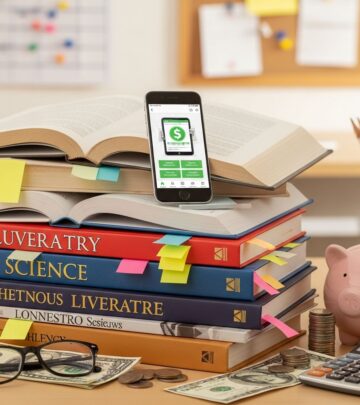
Heading to college doesn’t mean emptying your bank account on shiny new supplies. The average college student spends over $1,300 on back-to-school items, but many popular “essentials” are total rip-offs. From overpriced dorm decor to gadgets you’ll never use, here’s your guide to skipping the hype and saving big. We’ll cover 17 items to avoid buying new, with practical alternatives that keep your wallet happy and your dorm functional.
This list draws from real student experiences, expert budgeting advice, and proven money-saving strategies. Whether you’re a freshman or helping a student pack up, dodging these purchases can save you $500 or more in the first semester alone. Let’s dive in.
1. Brand-New Bedding and Linen Sets
Dorm beds are notoriously uncomfortable, but don’t blow $100+ on a fancy comforter set from big-box stores. Most colleges provide extra-long twin sheets, but even if not, new luxury linens lose value fast.
- Why skip it: Prices inflate 200% during back-to-school season; quality wears out after one semester.
- Smart alternative: Hit thrift stores, Facebook Marketplace, or garage sales for gently used sets under $20. Wash them thoroughly. Family hand-me-downs work too.
- Savings tip: Layer thrift blankets for custom comfort without the cost.
Students report finding complete bedding sets for $15-30 secondhand, versus $80+ new.
2. Expensive Dorm Mini-Fridge
Mini-fridges marketed as “dorm-essential” cost $150-300, but they’re energy hogs and often restricted by dorm rules on size.
- Why skip it: Many campuses ban them or limit wattage; you’ll pay extra in electricity bills.
- Smart alternative: Borrow from family, buy used on Craigslist ($40-60), or skip altogether—use communal kitchenettes.
- Pro hack: Compact coolers ($20) chill drinks for a week without power draw.
3. Overpriced Bed Loft Kit
Lofting your bed promises under-bed storage, but DIY kits run $200+ and require tools/skills you might lack.
- Why skip it: Campus maintenance often lofts beds for free; kits damage furniture and void warranties.
- Smart alternative: Request free lofting from dorm staff. Stack plastic bins ($10 each) under a standard bed.
- Bonus: Adjustable bed risers from dollar stores ($5-10) add 6-12 inches safely.
One student shared: “I spent $500 my first semester on parking instead of loft junk—huge regret.”
4. Fancy Coffee Maker or Keurig
Single-serve pod machines scream convenience but cost $100 upfront plus $0.50+ per cup.
- Why skip it: Pods add up to $200/year; dorms ban them for fire hazards in many cases.
- Smart alternative: French press ($15) or immersion dripper ($10) uses cheap ground coffee. Campus cafes offer refills for pennies.
- Savings math: Brew at home: $0.10/cup vs. $2+ buying out.
5. Full Kitchen Appliance Suite
Microwaves, toasters, air fryers—don’t buy a matching set ($300+).
- Why skip it: Dorms limit appliances; multiples clutter tiny spaces.
- Smart alternative: One multi-use microwave ($40 used) suffices. Eat cafeteria meals (often included in tuition).
- Tip: Borrow from roommates to share costs.
6. Designer Laptop Stand or Backpack
Ergonomic stands ($50) and branded packs ($80+) promise organization but gather dust.
- Why skip it: Desk space is minimal; heavy packs hurt your back on campus treks.
- Smart alternative: Stack books on Amazon boxes (free). Thrift backpacks ($10) or use tote bags.
7. Noise-Canceling Headphones (Premium Models)
$200+ headphones seem ideal for study halls, but cheaper options match 90% performance.
- Why skip it: Batteries die fast; you lose them in dorm chaos.
- Smart alternative: Wired earbuds ($15) or $30 wireless basics. Library study pods are quieter anyway.
8. Over-the-Top Dorm Decor and Lights
LED strips, tapestry walls, and fairy lights kits cost $100+ but violate fire codes.
- Why skip it: Command hooks fail; replacements add up.
- Smart alternative: Posters from home, dollar store string lights ($5). Personalize with photos.
9. Bulk Stationery and Planner Sets
Fancy journals and pens ($40 sets) go unused amid digital syllabi.
- Why skip it: Google Calendar is free; notes apps replace paper.
- Smart alternative: Single notebook ($2) from campus store. Reuse last year’s leftovers.
10. High-End Surge Protectors
20-outlet power strips ($50) exceed dorm electrical limits.
- Why skip it: Triggers inspections; basic models suffice.
- Smart alternative: 6-outlet strip ($10) with USB ports. Charge in commons.
11. Personal Printer and Ink
Inkjet setups cost $150+ with $0.10/page refills.
- Why skip it: Campus print centers charge $0.05/page; yours jams constantly.
- Smart alternative: USB drive to library printers. Go paperless with apps.
12. Expensive Laundry Hamper and Supplies
- Why skip it: Mesh bags ($20) tear; pods cost 2x detergent.
- Smart alternative: Plastic bin ($8). Bulk powder detergent lasts semesters.
13. Brand-New Desk Lamp
- Why skip it: Overhead lights work; adjustable ones ($40) tip over.
- Smart alternative: Clamp-on reader ($12) or phone flashlight hack.
14. Futon or Extra Seating
- Why skip it: $200+ futons block space; visitors sit on floor.
- Smart alternative: Bean bag chair ($20 used) or folding stools.
15. Water Purifier Pitcher
- Why skip it: $30+ filters replace monthly; tap is safe.
- Smart alternative: Reusable bottle with built-in filter ($15).
16. High-Thread-Count Towels
- Why skip it: $50 sets shrink; dorm dryers are brutal.
- Smart alternative: Dollar store towels ($3 each)—quick-dry and replaceable.
17. Parking Pass (If Avoidable)
“I ended up spending about $500 my first semester for a parking space, plus gas.”
- Why skip it: Bikes/public transit cheaper; walk for fitness.
- Smart alternative: Campus bus pass ($100/year) or carpool apps.
Bonus Savings Strategies
Time purchases for tax-free weekends—e.g., Florida exempts school supplies under $50 until August 31. Shop used via apps like OfferUp. Total potential savings: $800+.
| Item | New Price | Alternative Cost | Savings |
|---|---|---|---|
| Bedding | $100 | $20 | $80 |
| Mini-Fridge | $200 | $50 | $150 |
| Coffee Maker | $100 | $15 | $85 |
| Total (Sample) | $400 | $85 | $315 |
Frequently Asked Questions (FAQs)
What if my dorm bans certain appliances?
Check the housing handbook first—many restrict fridges over 4.5 cu ft and hot plates. Opt for communal spaces.
Is it safe to buy used electronics?
Yes, test before buying. Avoid water damage signs; campus tech support can inspect.
How much do students really spend on supplies?
Average $1,365 for college-aged in 2024, up due to inflation. Smart shopping cuts it in half.
Best apps for free/cheap college stuff?
Facebook Marketplace, Nextdoor, college subreddits, and campus Facebook groups.
Tax-free weekends still a thing in 2026?
Yes, states like Texas (Aug 8-10) exempt supplies under $100. Verify local dates.
References
- Tax-Free Days That Can Save You Money on Clothing and Computers — The Penny Hoarder. 2024. https://www.thepennyhoarder.com/save-money/tax-free-weekend-back-to-school/
- 17 College Supplies You Should Never Buy — The Penny Hoarder. 2024. https://www.thepennyhoarder.com/save-money/what-not-to-buy-for-college-supplies/
- JBFP Newsletter Issue 10 — Rhinebeck Episcopal. 2024-08. https://rhinebeck-episcopal.org/wp-content/uploads/2024/08/JBFP_Newsletter_Issue10_p2.pdf
Similar Articles








Read full bio of Sneha Tete