What It Means to Max Out Your Credit Card
Understand the consequences of maxing out your credit card and learn how to recover financially.

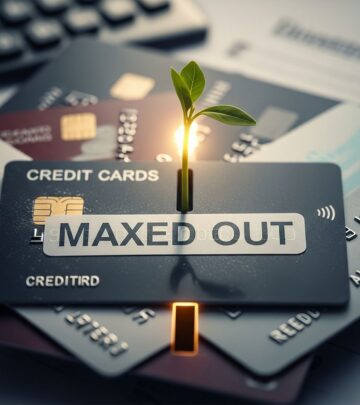
Maxing out a credit card occurs when your outstanding balance reaches or exceeds your credit limit. This happens when the total amount you’ve charged to the card, including any interest fees and additional charges that have accumulated, equals or surpasses the maximum amount your credit card issuer has authorized you to borrow. For example, if your credit card has a limit of $5,000 and your balance hits $5,000 or more, your card is maxed out.
Understanding what it means to max out your credit card is crucial because the consequences can be immediate and long-lasting. When your card reaches its limit, you typically cannot use it for additional purchases until you pay down the balance. However, the financial and credit implications extend far beyond simply being unable to make new charges. Maxing out your credit card can trigger a cascade of negative effects that impact your financial health and creditworthiness.
Immediate Consequences of Maxing Out Your Credit Card
Declined Transactions
One of the most immediate and noticeable consequences of maxing out your credit card is that new transactions will be declined. When you attempt to use a maxed-out card for a purchase, the transaction will likely be rejected due to insufficient available credit. This can be embarrassing and inconvenient, especially if you’re unaware of your current balance when making a purchase.
Some credit card issuers offer an option to allow over-limit transactions if you’ve opted into this feature. However, even with this option enabled, there are typically limits to how much you can spend beyond your credit limit, and you’ll be subject to additional over-limit fees for doing so.
Over-Limit Fees
If your card issuer allows over-limit transactions and you’ve opted into this feature, you may incur over-limit fees. These fees are charges imposed by your credit card company each month your account remains over the limit. They can range from $25 to $35 or more per occurrence, depending on your card’s terms and conditions. These fees add to your balance, making it even more difficult to pay down your debt and return to a healthy credit utilization level.
It’s important to note that over-limit fees were regulated under the CARD Act, which placed restrictions on when issuers can charge these fees. However, they may still apply if you’ve specifically opted into allowing over-limit transactions.
Increased Minimum Payment
When you max out your credit card, your minimum payment will typically increase. Your card issuer may require you to pay the over-limit amount in addition to your regular minimum payment. This increased payment obligation can strain your monthly budget, especially if you’re already struggling financially. If you’re unable to make the full minimum payment, you’ll face late payment fees and potential damage to your credit record.
Credit Score Impact
Credit Utilization Ratio
One of the most significant consequences of maxing out your credit card is the negative impact on your credit utilization ratio. Your credit utilization ratio represents the percentage of your available credit that you’re currently using. When your credit card is maxed out, your utilization ratio jumps to 100% or higher on that card.
Credit utilization is a critical factor in your credit score calculation, accounting for approximately 30% of your FICO score. Lenders and creditors view high credit utilization as a sign of financial distress or poor credit management. Financial experts generally recommend keeping your credit utilization ratio below 30% to maintain a healthy credit score. When you max out one or more cards, this becomes impossible, resulting in a noticeable drop in your credit score.
Broader Credit Score Decline
The impact on your credit score is compounded if you max out multiple credit cards. When credit scoring models detect a pattern of maxed-out accounts, they interpret this as a sign that you’re financially overextended and represent increased risk. This can result in a significant drop in your overall credit score, which has far-reaching consequences for your financial life.
The timing of credit score damage can also vary. When you max out a card, the higher balance is typically reported to the credit bureaus during your next billing cycle. This means the damage to your credit score may not be immediate, but once reported, the negative impact can persist for months or even years if you don’t address the issue.
Long-Term Financial Consequences
Penalty Interest Rate
One of the most damaging long-term consequences of maxing out your credit card is the application of a penalty annual percentage rate (APR). Credit card issuers are permitted to charge a penalty APR—typically the highest interest rate allowed on your card—if you exceed your credit limit or violate your cardholder agreement terms.
Penalty APRs can reach 29.99% or higher, significantly increasing the cost of carrying a balance. Once applied, a penalty APR can remain in effect for six months or more, even after you’ve paid down your balance below the credit limit. This means you’ll continue paying higher interest charges long after you’ve resolved the maxed-out situation, making debt repayment more expensive and time-consuming.
Credit Limit Reduction
Credit card issuers periodically review customer accounts to assess risk. If your card remains maxed out for several billing cycles, your issuer may decide to reduce your credit limit. This action serves two purposes: it limits your borrowing capacity going forward and reduces the card issuer’s exposure to risk.
A reduced credit limit can have cascading effects. First, it further increases your credit utilization ratio. If you had a $5,000 limit and were using $4,500 (90% utilization), and your issuer reduces your limit to $3,000, you’re now at 150% utilization, which severely damages your credit score. Second, it limits your access to credit for emergencies or necessary expenses, reducing your financial flexibility.
Account Closure
If your maxed-out balance persists across multiple billing cycles without significant payment, your card issuer may consider your account to be in default and close it. When an account is closed by the card issuer (as opposed to you closing it), this creates an additional negative mark on your credit report.
A closed account also reduces your total available credit, which further increases your overall credit utilization ratio across all your accounts. This compounding effect can severely damage your credit score and make it difficult to obtain new credit in the future.
Additional Restrictions and Limitations
Checks and Cash Advance Restrictions
Many credit card issuers provide cardholders with checks for cash advances or balance transfers. If your credit card is maxed out, these checks may be declined when you attempt to use them. This further limits your options to access funds during emergencies and reduces the financial flexibility your credit card would normally provide.
Impact on Future Credit Approval
When you max out credit cards, the resulting damage to your credit score affects your ability to obtain new credit. Lenders review your credit report and credit score when evaluating loan applications. A history of maxed-out accounts signals financial mismanagement or distress, making lenders hesitant to extend additional credit to you.
Even if you’re approved for new credit after maxing out cards, you’ll likely face higher interest rates due to the perceived increased risk. This means you’ll pay more for mortgages, auto loans, personal loans, and other forms of credit going forward.
How to Recover From a Maxed-Out Credit Card
Create a Payment Plan
The first step in recovering from a maxed-out credit card is to create a realistic payment plan. Calculate how much you can afford to pay toward your credit card debt each month, beyond the minimum payment. Even modest additional payments can help reduce your balance more quickly and lower your credit utilization ratio.
Consider using debt payoff strategies such as the debt snowball method (paying off smallest balances first) or the debt avalanche method (paying off highest interest rates first). Choose the strategy that provides you with the most motivation and financial benefit.
Prioritize Paying Down Your Balance
Your primary goal should be to bring your balance well below your credit limit. Ideally, you want to reduce your credit utilization ratio to below 30% to minimize credit score damage. If your credit limit is $5,000, aim to pay your balance down to $1,500 or less.
Making aggressive payments toward your maxed-out card can help you achieve this goal more quickly. Each payment reduces your balance and improves your credit utilization ratio. Once the new lower balance is reported to credit bureaus, you should see improvement in your credit score.
Consider a Balance Transfer
If you have access to another credit card with a lower interest rate or a promotional 0% APR offer, consider transferring your balance to that card. Balance transfer cards often come with introductory periods of 0% APR that can last 6-18 months or longer, giving you time to pay down your debt without accumulating additional interest charges.
Be aware that balance transfers typically come with transfer fees (usually 3-5% of the transferred amount), so calculate whether the savings from a lower interest rate justify this cost.
Explore Debt Consolidation
If you have multiple maxed-out credit cards, consolidating your debt through a personal loan or debt consolidation loan may be beneficial. Consolidation loans typically offer lower interest rates than credit cards and allow you to pay off your credit card debt in full. This improves your credit utilization ratio on your credit cards and replaces multiple payments with a single, more manageable payment.
Seek Credit Counseling
If you’re struggling with significant credit card debt or multiple maxed-out cards, consider seeking help from a nonprofit credit counseling agency. Credit counselors can review your financial situation, help you create a budget, and develop a debt repayment plan. They can also help you understand your financial behavior and develop strategies to avoid similar situations in the future.
Prevention Strategies
Monitor Your Balance Regularly
Prevent maxing out your credit card by monitoring your balance regularly. Most credit card issuers provide online access to your account, allowing you to check your current balance and available credit at any time. Set reminders to check your balance weekly or before making large purchases.
Request a Credit Limit Increase
If you have a good payment history and have demonstrated responsible credit use, you can request a credit limit increase from your card issuer. A higher credit limit provides more room before you risk maxing out your card and can lower your overall credit utilization ratio even if you maintain the same spending level.
Practice Responsible Spending Habits
The most effective way to avoid maxing out your credit card is to practice responsible spending habits. Use your credit cards for planned purchases that you know you can pay off, rather than using them as an emergency fund. If possible, only charge to your credit cards what you could pay off with cash or from your checking account.
Keep Multiple Credit Cards
While you should avoid overspending, having multiple credit cards with different limits can help you maintain a lower overall credit utilization ratio. Spreading your spending across multiple cards means each individual card has lower utilization, which is better for your credit score. However, this strategy only works if you can manage multiple accounts responsibly.
Understanding Your Cardholder Agreement
Your credit card’s terms and conditions outline all the fees, interest rates, and policies related to going over your credit limit. Take time to review your cardholder agreement, particularly sections covering over-limit fees, penalty APRs, and how the issuer handles maxed-out accounts. Understanding these terms helps you make informed decisions about how to use your card and what options are available to you if you do max it out.
Key Takeaways
Maxing out your credit card carries significant immediate and long-term consequences that extend far beyond simply being unable to make additional charges. From declined transactions and over-limit fees to credit score damage and penalty interest rates, the effects of a maxed-out card can impact your financial health for years to come. The key to recovery is acting quickly to pay down your balance, developing a realistic repayment plan, and implementing strategies to prevent similar situations in the future. By understanding what it means to max out your credit card and taking proactive steps to manage your credit responsibly, you can protect your financial wellbeing and maintain access to credit when you need it most.
Frequently Asked Questions
Q: What’s the difference between maxing out a credit card and going over your credit limit?
A: Maxing out your credit card means your balance has reached your credit limit. Going over your limit means your balance exceeds your credit limit, which typically only happens if your card issuer allows over-limit transactions and you’ve opted into that feature.
Q: How long does it take for my credit score to recover after maxing out a credit card?
A: Your credit score can begin improving as soon as your payment is reported to the credit bureaus, which typically happens during your next billing cycle. However, significant recovery usually takes several months of maintaining a lower utilization ratio. The negative impact of a maxed-out card can remain on your credit report for up to seven years.
Q: Can I get my over-limit fees waived?
A: It’s worth calling your credit card issuer to request a waiver of over-limit fees, especially if you have a good payment history. Many issuers will waive one or two fees as a courtesy. You can also opt out of allowing over-limit transactions to prevent future fees from being charged.
Q: Does maxing out a credit card affect my other credit accounts?
A: Yes, maxing out a credit card can affect your ability to obtain new credit and may result in higher interest rates on other accounts. However, it doesn’t directly damage the credit history of your other accounts. It does increase your overall credit utilization ratio if you have multiple cards, which can lower your overall credit score.
Q: Should I close a credit card after paying it off?
A: Generally, it’s not advisable to close a credit card after paying it off. Closing an account reduces your total available credit, which increases your overall credit utilization ratio and can damage your credit score. Instead, keep the account open and simply stop using it or use it occasionally for small purchases that you pay off immediately.
Q: What’s the best way to prevent maxing out my credit card?
A: The best prevention strategy is to monitor your balance regularly, practice responsible spending habits, and only charge what you can afford to pay off. Additionally, keeping your credit utilization below 30% provides a substantial buffer before you risk maxing out your card.
References
- What Happens if You Max Out a Credit Card? — Experian. 2025. https://www.experian.com/blogs/ask-experian/what-to-do-when-you-max-out-your-credit-cards/
- What Happens When You Max Out a Credit Card? — American Express. 2025. https://www.americanexpress.com/en-us/credit-cards/credit-intel/maxed-out-credit-card/
- What Happens if You Go Over Your Credit Card Limit? — Citi. 2025. https://www.citi.com/credit-cards/money-management/what-happens-if-you-go-over-your-credit-limit
- What Happens If You Max Out Your Credit Card? — Capital One. 2025. https://www.capitalone.com/learn-grow/money-management/what-to-do-when-you-max-out-your-credit-card/
- Maxed Out Credit Cards: What Happens and What To Do About It — Hoyes. 2025. https://www.hoyes.com/blog/maxed-out-credit-cards-what-happens-and-what-to-do-about-it/
- What Happens When You Max Out Your Credit Card? — Chase. 2025. https://www.chase.com/personal/credit-cards/education/basics/what-happens-if-you-max-out-your-credit-card
Similar Articles








Read full bio of medha deb