What Makes a Metal Precious: Complete Guide
Discover the eight precious metals and what distinguishes them from other valuable elements.
What Makes a Metal Precious: Understanding Precious Metals
In the world of investing and economics, the term “precious metal” carries significant weight and meaning. However, not all valuable metals qualify as precious metals. Understanding what distinguishes precious metals from other economically important materials requires examining several key factors, including rarity, industrial applications, and intrinsic value. The definition of precious metals goes beyond simple commercial utility—it encompasses a combination of scarcity, market demand, and the ability to serve as a store of value across different economic conditions.
The Eight Precious Metals
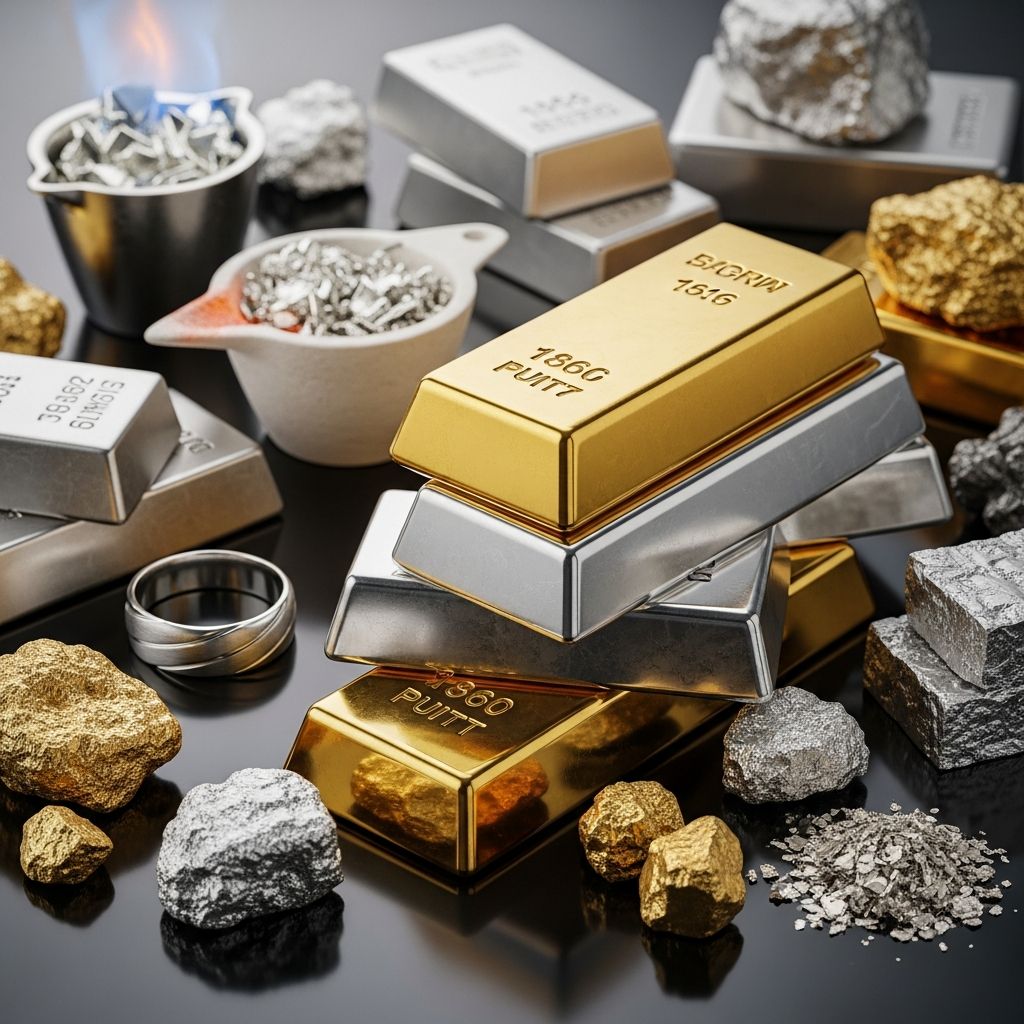
There are eight metals officially recognized as precious metals in the global market. Gold stands as the most prominent and historically significant, but it shares this classification with seven other metals that collectively form the precious metals category. Understanding each of these metals provides insight into their unique characteristics and investment potential.
The eight precious metals are:
– Gold- Silver- Platinum- Palladium- Rhodium- Iridium- Osmium- Ruthenium
Gold: The Most Valuable Precious Metal
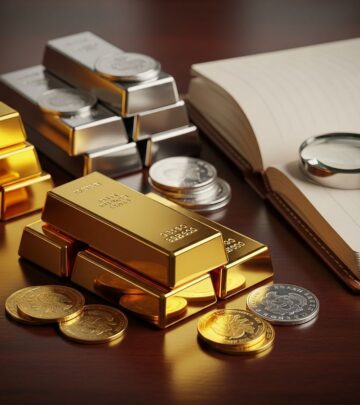
Gold holds the distinction of being the most valuable and sought-after precious metal globally. This supremacy stems from multiple factors working in conjunction. Beyond its extensive industrial applications, gold functions as an effective hedge against inflation, providing economic value that extends far beyond mere commercial demand. When fiat currencies lose their purchasing power due to inflationary pressures, the price of gold typically increases. This inverse relationship makes gold an attractive asset for investors seeking to protect their wealth from the erosive effects of currency devaluation. Consequently, many investors deliberately incorporate gold into their portfolios as a protective measure rather than relying solely on paper money.
Silver: The Industrial Powerhouse
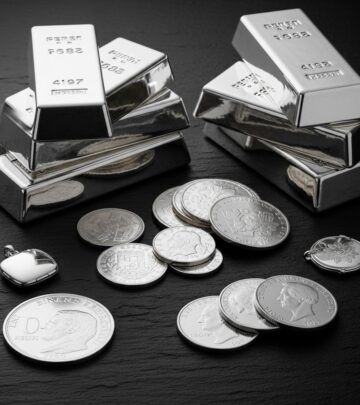
Silver represents another cornerstone precious metal with significant industrial applications alongside its investment appeal. While often overshadowed by gold, silver has demonstrated impressive performance in recent years. In 2024, silver has outperformed gold both year-to-date and over the past five years, signaling potential shifts in precious metals market dynamics. Silver’s versatility in industrial applications, combined with its lower price point compared to gold, makes it an accessible entry point for many investors beginning their precious metals portfolios.
Platinum and Palladium: Industrial Catalysts
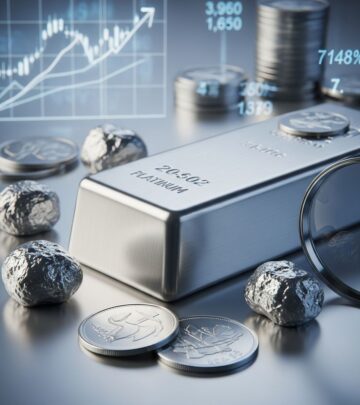
Platinum and palladium occupy unique positions within the precious metals category due to their critical industrial applications. Both metals serve essential functions in catalytic converters, chemical processing, and other high-tech applications. However, their availability presents distinct challenges. Limited quantities of platinum mines exist worldwide, with production concentrated in just two countries: South Africa and Canada. This geographical concentration makes platinum prices more volatile and susceptible to geopolitical disruptions. Similarly, palladium faces supply constraints, with Russia and South Africa accounting for 84% of global output, making this metal particularly vulnerable to geopolitical events. The 2022 Russian invasion of Ukraine, for example, caused significant palladium price fluctuations due to concerns about Russia’s ability to maintain global supply commitments.
What Defines a Precious Metal?
Several defining characteristics separate precious metals from other valuable but non-precious materials. Understanding these distinctions clarifies why certain metals receive this classification while others, despite having economic value, do not qualify as precious.
Rarity: The Primary Distinction
Rarity forms the foundation of precious metal classification. This scarcity, or lack thereof, fundamentally determines whether a metal achieves precious status. Consider the contrast between gold and copper—both have economic value, yet only gold qualifies as precious. Copper comprises approximately 50 parts per million (ppm) in the Earth’s crust, while gold constitutes just 0.004 ppm. This dramatic difference in abundance illustrates why copper, despite its economic importance in electrical wiring and construction, cannot achieve precious metal status. The extreme rarity of gold compared to common industrial metals creates the scarcity that underpins precious metals’ ability to retain and increase value over time.
Intrinsic Value and Economic Importance
While economic value represents only one component of precious metal classification, it remains significant. Many industries depend on precious metals to manufacture goods and provide services. From medical devices and automotive components to semiconductors and solar panels, precious metals permeate modern technology and manufacturing. However, economic value alone does not determine precious metal status. Steel and copper also provide substantial economic value, yet neither qualifies as precious. The combination of rarity with significant industrial and investment applications creates the complete picture of precious metal classification.
Tangible Asset Status
A key advantage of precious metals lies in their tangible nature. Unlike stocks, exchange-traded funds (ETFs), cryptocurrencies, and other digital or paper assets, investors can physically hold and possess precious metals in the form of bullion, coins, and jewelry. This tangibility provides psychological comfort and security to many investors, as the asset exists in concrete, physical form rather than existing only as entries in digital ledgers or stock certificates.
Price Drivers for Precious Metals
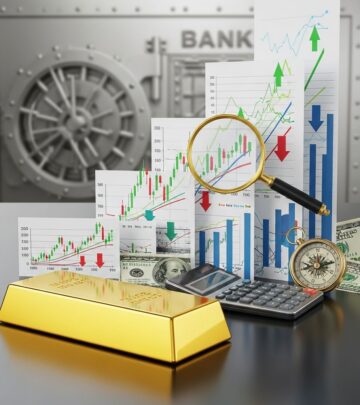
Understanding what influences precious metal prices helps investors make informed decisions about when and how to invest in these assets. Several interconnected factors affect pricing across all precious metals.
Supply and Demand Dynamics
Like all commodities, precious metals experience price fluctuations driven by shifts in supply and demand. When demand increases relative to available supply, prices rise. Conversely, increased supply meeting stable or declining demand pressure prices downward. The extraction, treatment, testing, shipping, and molding processes required to prepare precious metals for market represent intensive, resource-demanding procedures. The limited availability of each metal, combined with the difficulty of obtaining it, directly contributes to price determination.
Interest Rates and Inflation
Gold and silver become more valuable when interest rates decline and inflation increases. This relationship stems from how investors value fiat currencies—government-issued paper money. Lower interest rates reduce the return available from traditional fixed-income investments, making precious metals more attractive by comparison. Higher inflation reduces the purchasing power of each dollar, requiring more currency units to purchase identical quantities of precious metals. This dynamic encourages investors to shift wealth from depreciating paper money into metals that maintain purchasing power.
Economic and Geopolitical Uncertainty
Precious metals appreciate during periods of economic and geopolitical turmoil, serving as safe-haven assets when stock markets and other traditionally volatile investments face correction. Political unrest, wars, shifts in political leadership, and policy changes create far-reaching market effects that typically benefit precious metals. This counter-cyclical characteristic—the ability to perform well when stocks decline—makes precious metals valuable portfolio diversification tools. Unlike stocks, which tend to experience correlated returns during market stress, precious metals often rally during bear markets, providing portfolio protection.
Technology Developments
Technological breakthroughs can increase or decrease precious metal values depending on application changes. If engineers develop cheaper, more effective alternatives to palladium in catalytic converters, palladium demand and price would likely decline. Similarly, if human-made materials replace common commercial uses for gold or silver, the value of these precious metals could suffer. Conversely, new technologies creating demand for precious metals can drive prices upward. The emergence of solar technology, for example, increased silver demand in photovoltaic cells, supporting silver prices.
Precious Metals as Investment Assets
Precious metals demonstrate several characteristics that make them attractive additions to investment portfolios. They tend to hold their value well over time due to their fixed, scarce nature. Historical evidence confirms that precious metals rank among the best stores of value, with prices unlikely to experience significant sustained declines regardless of economic trends and monetary policies affecting other asset classes. This stability, combined with their tangible nature and multiple industrial applications, makes precious metals versatile investment instruments.
Gold’s long-term performance illustrates this stability. Over the past decade, gold has delivered an annualized return of 7.7%, substantially outperforming silver’s 6.08% annualized return during the same period. When examining longer time horizons, gold’s advantage becomes even more pronounced, with 15-year annualized returns of 4.9% compared to silver’s 2.7%. These historical returns demonstrate the value preservation capability that makes precious metals attractive to conservative investors.
Investment Considerations and Liquidity
While precious metals offer numerous advantages, potential investors should understand important considerations. Precious metals are less liquid than stocks, bonds, or funds, meaning they cannot be converted to cash as quickly or easily as traditional securities. Additionally, precious metals dealers typically mark up the metals they sell, meaning the value of silver or gold must rise sufficiently to cover this markup before investors can break even on their investments. This reality makes precious metals most suitable for long-term investment strategies rather than short-term trading approaches.
The Comparative Advantage of Precious Metals
| Characteristic | Precious Metals | Stocks/Bonds | Real Estate |
|---|---|---|---|
| Tangibility | Physical asset | Digital/paper | Immovable asset |
| Liquidity | Lower | Higher | Lower |
| Inflation Hedge | Excellent | Moderate | Good |
| Market Correlation | Low/Negative | Higher | Moderate |
| Storage Requirements | Yes | No | N/A |
Frequently Asked Questions
Q: Why is gold considered more precious than copper?
A: Gold is considered precious primarily due to its extreme rarity. Gold constitutes only 0.004 parts per million in the Earth’s crust compared to copper’s 50 parts per million. This scarcity, combined with gold’s effectiveness as an inflation hedge and its historical role as a store of value, distinguishes it from copper despite copper’s significant industrial applications.
Q: How many precious metals are there?
A: There are eight officially recognized precious metals: gold, silver, platinum, palladium, rhodium, iridium, osmium, and ruthenium. Gold is the most valuable, while the others serve important industrial functions alongside their investment appeal.
Q: Are precious metals good long-term investments?
A: Yes, precious metals have historically proven to be excellent long-term investments and stores of value. They tend to hold their value well and are largely resistant to significant sustained price declines, making them suitable for investors seeking portfolio diversification and inflation protection.
Q: What factors influence precious metal prices?
A: Precious metal prices are influenced by multiple factors including supply and demand dynamics, interest rate levels, inflation rates, geopolitical events, economic uncertainty, and technological developments that affect industrial demand.
Q: Should I invest in physical precious metals or stocks?
A: Both offer distinct advantages. Physical precious metals provide tangibility and serve as inflation hedges with low correlation to stock markets, making them excellent diversification tools. Stocks offer higher liquidity and ease of trading. Most portfolio experts recommend holding both asset classes to balance liquidity with protective value.
References
- Investing in Precious Metals: A Guide for Beginners — Money. 2025. https://money.com/investing-in-precious-metals/
- Gold vs. Silver: Which Precious Metal Has More Upside Potential? — Money. 2024. https://money.com/gold-vs-silver-which-precious-metal-has-more-upside-potential/
- Here’s What Makes a Precious Metal ‘Precious’ — Money. 2025. https://money.com/what-makes-a-metal-precious/
- How to Invest in Silver — Money. 2025. https://money.com/how-to-invest-in-silver/
Similar Articles








Read full bio of medha deb