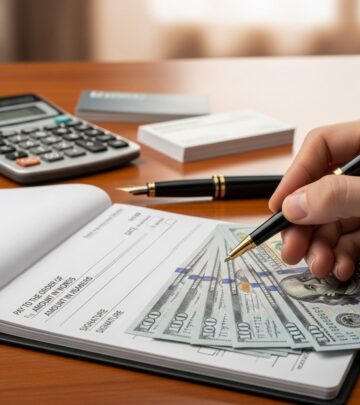
What Is a Voided Check and Why You Need One
Learn how to void a check safely and why you need one for direct deposits and payments.
In today’s digital world, checks might seem outdated, yet they remain essential for certain financial transactions. One particularly important concept that many people encounter is the voided check. Whether you’re starting a new job, setting up automatic payments, or verifying banking information, understanding what a voided check is and how to use one properly can save you time and protect your financial security.
Understanding Voided Checks
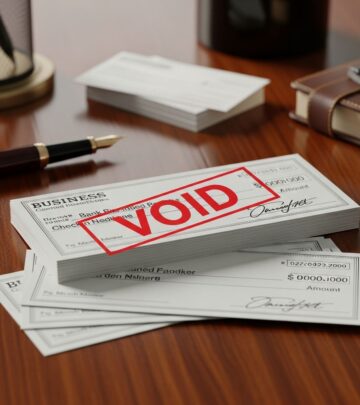
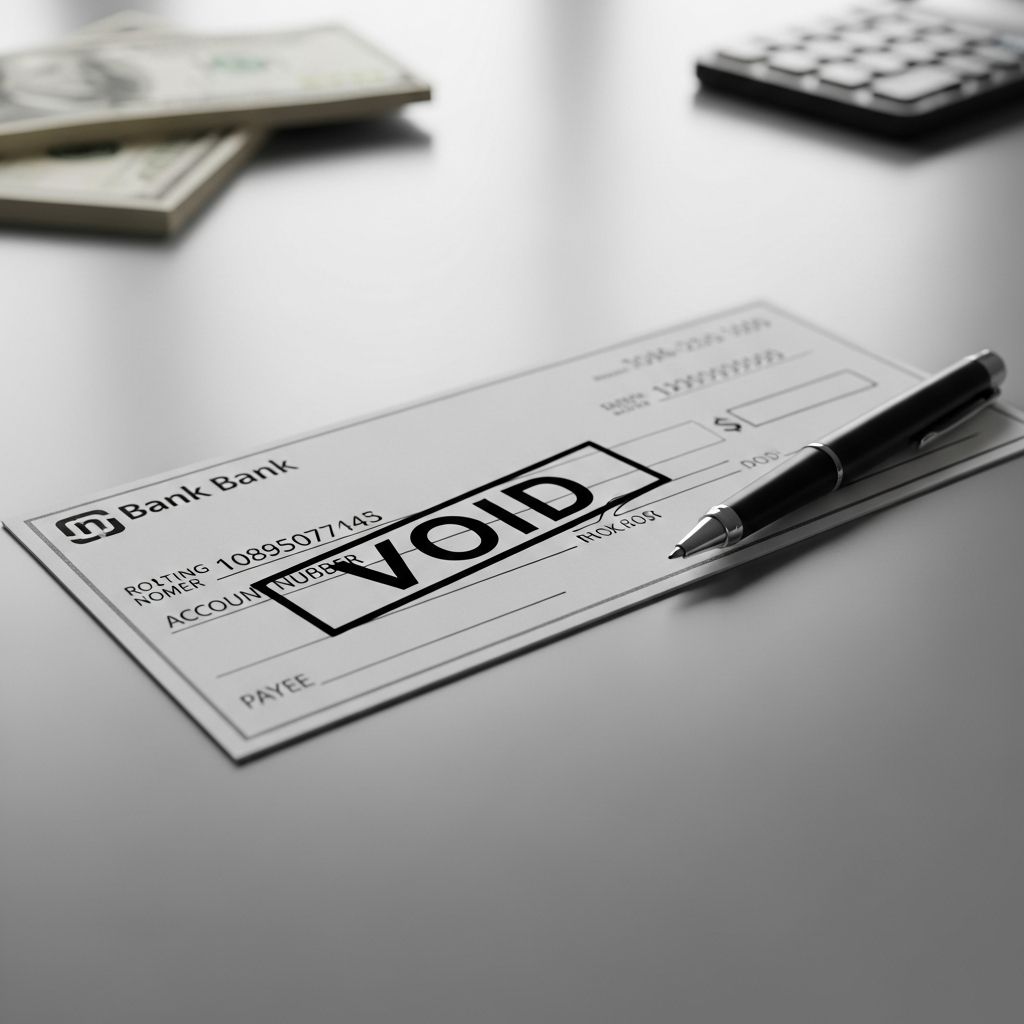
A voided check is a paper check that has the word “VOID” written across it in large letters using blue or black ink. Despite being marked as void, the check retains all your banking information, including your account number and the bank’s routing number. This combination makes a voided check uniquely useful—it provides necessary banking details while ensuring the check cannot be used for any financial transactions.
When a check is voided, it becomes invalid for all practical purposes. Banks will not accept it for deposits, withdrawals, or payments. The “VOID” marking serves as a clear indicator that the check is no longer negotiable and should not be processed through the banking system.
Key Characteristics of a Voided Check
Understanding the defining features of a voided check helps you recognize one and understand its purpose:
- Large “VOID” marking: The word “VOID” is written prominently across the front of the check in ink or printed, making it impossible to miss.
- Banking information remains visible: Your bank name, account number, routing number, and check number are still clearly displayed on the check.
- Cannot be cashed or deposited: Financial institutions will refuse to process a voided check under any circumstances.
- Prevents unauthorized use: By marking a check as void, you prevent someone from fraudulently filling in the check and withdrawing funds from your account.
- Maintains record-keeping: The voided check number and details can be recorded for accounting and tracking purposes.
The Proper Way to Void a Check
Voiding a check is a straightforward process that takes just a few minutes. Following the correct steps ensures your banking information remains secure:
Step-by-Step Instructions
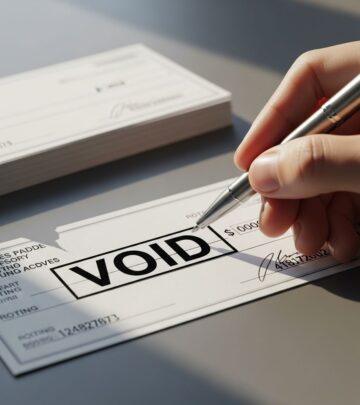
- Write “VOID” clearly: Using blue or black ink, write the word “VOID” in large letters across the front of the check. Make sure it’s bold and visible enough that no one could mistake the check as valid.
- Use permanent ink: Always use permanent ink rather than pencil to prevent someone from erasing the “VOID” marking.
- Leave the signature line blank: Do not sign the check. A signature could create confusion or potentially make the check appear valid. If you’ve already signed the check, it can still be voided by following the first two steps.
- Make a copy if needed: If you need to keep a record of the voided check for your files, consider making a photocopy before disposal.
- Record the information: In your check register or accounting spreadsheet, note the check number and the date you voided it. This practice helps you maintain accurate financial records and provides documentation if questions arise later.
Common Reasons to Void a Check
Voided checks serve multiple important purposes in personal and business finance. Understanding these scenarios helps you recognize when you need one:
Setting Up Direct Deposits
One of the most common reasons for voiding a check is to set up direct deposit with your employer. When you start a new job, your employer typically needs your banking information to deposit your paycheck directly into your account. Rather than simply asking for your account and routing numbers, many employers request a voided check. This document provides all the necessary banking information in an official format while preventing any risk that the check could be accidentally used for a transaction.
Arranging Automatic Payments
Automatic bill payments have become increasingly popular for managing recurring expenses like utility bills, car payments, mortgage payments, and subscription services. When setting up these automatic payments, companies often request a voided check to verify your banking details. This enables them to establish an Automated Clearing House (ACH) transfer that will reliably deduct payments from your account on the scheduled dates.
Linking Bank Accounts
When connecting two different bank accounts—such as linking a checking account to a savings account or transferring funds between institutions—a voided check may be required. This is particularly common when working with online banks or credit unions. The voided check facilitates secure fund transfers between your accounts by confirming your account information.
Verifying Banking Information
In certain scenarios, such as leasing an apartment, a landlord may ask for proof of a valid bank account before finalizing a lease agreement. Providing a voided check fulfills this requirement by demonstrating that you maintain an active banking relationship without risking any unauthorized transactions.
Correcting Check Errors
Mistakes happen when writing checks. If you write an incorrect amount, misspell a payee’s name, or make another error, voiding the check ensures you know it’s invalid and won’t accidentally use it. This prevents confusion and potential fraud.
Why Voided Checks Remain Important
Despite living in an increasingly digital financial landscape, voided checks remain relevant because many institutions still require them for verification purposes. They provide a standardized, official way to confirm banking details while maintaining security. The routing number and account number printed at the bottom of checks follow a specific banking standard, making voided checks a trusted method for banks and employers to verify information.
Important Limitations to Understand
While voided checks are useful, it’s crucial to understand their limitations. Once you have physically handed a check to a payee, you cannot void it retroactively. At this point, the only way to prevent the check from being cashed or deposited is to contact your bank and request a stop payment. However, stop payments typically involve a fee and should be treated as an emergency measure rather than a regular practice.
Secure Disposal of Voided Checks
Even though a voided check cannot be used for legitimate transactions, it still contains sensitive financial information that could be exploited. Identity thieves and fraudsters can misuse your account and routing numbers. Additionally, check washing—a fraud technique where thieves erase check ink using chemicals—remains a real threat. Therefore, proper disposal of voided checks is essential:
Recommended Disposal Methods
- Shredding: Use a cross-cut shredder to cut the check into tiny, unreadable pieces. This method is highly effective at preventing reconstruction of the document.
- Tearing: If you don’t have access to a shredder, manually tear the check into small pieces, paying special attention to the section containing your account and routing numbers.
- Secure trash services: Some companies offer secure document disposal services that guarantee safe destruction of sensitive paperwork.
Never throw a voided check in the trash without destroying it first. The risk of identity theft or fraudulent account access is too high.
Common Mistakes When Voiding a Check
While voiding a check is simple, people sometimes make mistakes that can create problems:
Partial Voiding
Writing “VOID” too lightly, too small, or in a way that’s not clearly visible may not effectively deter someone from attempting to use the check fraudulently. A partially voided check might be confused with an active check, creating confusion and security risks.
Failing to Record the Voided Check
Not noting the voided check in your check register or accounting system can lead to confusion when balancing your checkbook or reviewing monthly bank statements. You might wonder why a check number is missing or second-guess what happened to it.
Improper Disposal
Discarding a voided check without destroying it is one of the most significant mistakes. A voided check still contains your account and routing numbers. If it lands in the wrong hands, it can be used for fraudulent activities, unauthorized transfers, or identity theft.
Signing Blank Checks
Some people sign blank checks before voiding them, thinking this will prevent use. However, a signed blank check is actually more dangerous because someone could fill in amounts and payee information. Always leave the signature line blank on voided checks.
Voided Checks vs. Other Banking Documents
| Document Type | Purpose | Contains Account Info | Can Be Cashed |
|---|---|---|---|
| Voided Check | Provide banking info without risk of unauthorized use | Yes | No |
| Regular Check | Make payments and withdrawals | Yes | Yes |
| Bank Statement | Record transactions and account activity | Yes | No |
| Deposit Slip | Record cash or check deposits | Partial | No |
Digital Alternatives to Voided Checks
While voided checks remain common, many financial institutions now offer digital alternatives. Some employers and service providers accept ACH authorization forms, account verification through online banking portals, or other digital methods instead of voided checks. However, voided checks remain widely requested and accepted, making them a valuable tool to understand.
Protecting Your Financial Security
When providing a voided check to someone, take precautions to protect your financial security:
- Only provide voided checks to trusted organizations that have legitimate reasons for requesting them.
- Ask why they need a voided check and whether they can accept alternative verification methods.
- Keep records of which organizations have received your voided checks.
- Monitor your bank account regularly for any unauthorized activity.
- If you’re concerned about security, contact your bank to discuss your account’s protection measures.
Frequently Asked Questions
Q: Can a voided check be reversed or reused?
A: No, a voided check cannot be reversed or reused. Once marked as void, it permanently loses its status as a negotiable instrument. Banks treat voided checks as canceled documents and will not process them under any circumstances. However, the voided check number remains in your records for control and tracking purposes.
Q: What should I do if I accidentally sign a voided check?
A: If you’ve already signed a check before voiding it, the check can still be voided by writing “VOID” in large letters across it. The signature doesn’t make the void marking ineffective. However, for future reference, always write “VOID” before signing to avoid confusion.
Q: Is it safe to give a voided check to my employer?
A: Yes, giving a voided check to your employer for direct deposit setup is safe and standard practice. The “VOID” marking prevents the check from being used for any transactions, while your employer gets the banking information needed to deposit your paycheck. Just ensure you use a trusted employer and properly destroy any extra copies.
Q: How long should I keep records of voided checks?
A: It’s wise to keep records of voided checks for the same period you keep other banking records—typically at least one year, though some people keep them longer for tax purposes. Physical copies of the checks themselves should be destroyed after disposal, but your written record of the voided check number and date can be retained.
Q: Can I get a voided check from my bank if I don’t have one?
A: If you don’t have a blank check available, contact your bank to request one. Many banks can issue replacement checks or provide you with the routing and account number information needed for direct deposits without requiring a physical check.
Q: What is “check washing” and how does it relate to voided checks?
A: Check washing is a fraud technique where criminals use chemicals to erase the ink on a check, allowing them to change the payee name or amount. This is why proper destruction of voided checks is so important—destroying the check prevents it from being used in this fraud scheme.
References
- How to Void a Check — PNC Insights. https://www.pnc.com/insights/personal-finance/spend/how-to-void-a-check.html
- What is a Voided Check? — AccountingTools. https://www.accountingtools.com/articles/what-is-a-voided-check.html
- What is a Voided Check and How Do I Get One? — FormPros. https://www.formpros.com/what-is-a-voided-check-and-how-do-i-get-one/
- How to Void Check for Direct Deposit — Huntington Bank. https://www.huntington.com/learn/checking-basics/void-check-for-direct-deposit
- How to Void a Check — Chase. https://www.chase.com/personal/banking/education/basics/how-to-void-a-check
Similar Articles








Read full bio of Sneha Tete