What Is Vertical Integration? Types and Examples
Master vertical integration: Learn how companies control supply chains for competitive advantage.
What Is Vertical Integration?
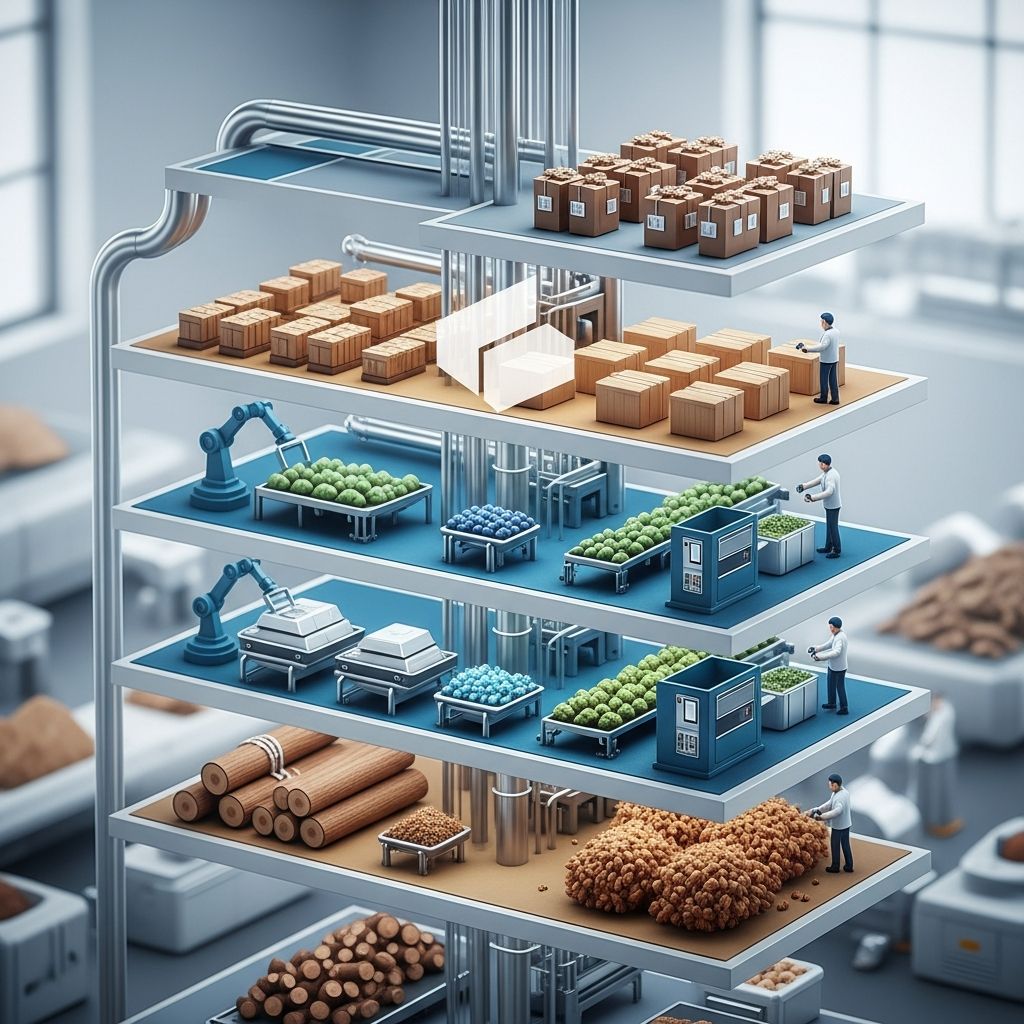
Vertical integration is a business strategy where a company owns two or more stages of its supply chain, such as manufacturing, distribution, and retail operations. Rather than relying on external suppliers and distributors, a vertically integrated company brings previously outsourced operations in-house to gain greater control over production, quality, and distribution processes. This strategic approach allows companies to streamline operations, reduce costs, and maintain tighter quality control across their entire value chain. By owning multiple stages of production and distribution, companies can eliminate intermediaries, reduce transaction costs, and ensure consistency in their products or services.
Understanding the Supply Chain in Vertical Integration
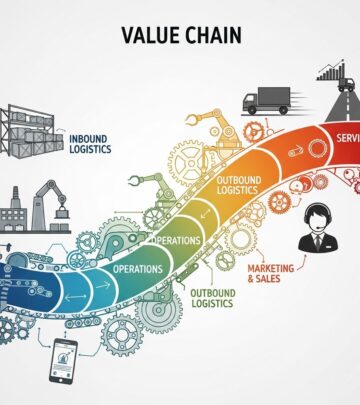
To fully comprehend vertical integration, it is essential to understand how it functions within the context of a company’s supply chain. The supply chain encompasses all stages from raw material sourcing through manufacturing, distribution, and finally reaching the end consumer. In a typical non-integrated business model, a company might purchase raw materials from suppliers, manufacture products in its own facilities, and then sell those products through independent retailers or distributors. With vertical integration, a company takes ownership and control of one or more of these stages, eliminating the need to negotiate with external parties and reducing dependency on third-party vendors.
The Three Main Types of Vertical Integration
Vertical integration can be implemented in different directions depending on a company’s strategic objectives and market position. Understanding these three primary types helps clarify how businesses approach vertical integration:
Backward Integration
Backward integration occurs when a company expands its ownership of operations upstream in the supply chain. This means the company either acquires businesses that were once its raw material suppliers or moves sourcing and production of its products in-house. By controlling upstream operations, companies can secure reliable access to critical inputs, reduce supplier costs, and ensure consistent quality of raw materials. For example, a clothing retailer that sources materials and has clothing assembled in external factories could adopt backward integration by halting those external operations and bringing sourcing and assembly in-house. This gives the retailer complete control over material quality, production timelines, and manufacturing standards. Similarly, a coffee retailer purchasing a coffee plantation represents backward integration, as the company now directly controls the production of its primary input.
Forward Integration
Forward integration is when a company moves further downstream in the supply chain toward the final sale of finished products to customers. In forward integration, a company would own distribution and retail channels to gain greater control over how consumers acquire products and capture profits from retail operations. A small jewelry store that typically sells products on multiple third-party channels like Etsy or Amazon could adopt forward integration by developing its own e-commerce platform and retail locations, keeping all retail profits within the company. Another example is a manufacturer establishing its own network of branded stores or service centers to directly reach end consumers. This approach allows companies to understand customer preferences better, build brand loyalty, and retain the profit margins previously earned by middlemen.
Balanced Integration
Balanced integration occurs when a company practices both forward and backward integration simultaneously, effectively owning the full supply chain from sourcing raw materials and design through to retail stores and distribution. This comprehensive approach provides maximum control and efficiency across all operations. A mid-sized coffee company currently selling through third-party retailers and distributors could adopt balanced vertical integration by both sourcing coffee beans directly through owned or partnered coffee farms (backward integration) and developing its own chain of coffee shops to sell products directly to consumers (forward integration). This balanced approach creates a competitive advantage by allowing the company to control quality at every stage, optimize pricing throughout the chain, and build direct relationships with end customers.
Real-World Examples of Vertical Integration
Backward Vertical Integration: Zara
Zara exemplifies backward vertical integration in the fashion industry. The Spanish fashion brand owns a large portion of its production process and operates its own manufacturing plants in Spain. With its own backward vertically integrated operation, Zara controls quality and production speed, translating into higher quality products at lower prices for customers. This strategy allows Zara to quickly respond to fashion trends, reduce lead times from design to retail, and maintain strict quality standards across all production stages. The company’s vertical integration has been instrumental in its success as a fast-fashion retailer.
Forward Vertical Integration: Amazon and Whole Foods
Amazon’s acquisition of Whole Foods represents a prime example of forward vertical integration. By purchasing the grocery chain, Amazon extended its reach into the physical retail space and integrated its extensive e-commerce logistics with Whole Foods’ brick-and-mortar stores, enhancing distribution capabilities and providing a seamless online-to-offline shopping experience for customers. This strategic move allowed Amazon to leverage its technological expertise and logistics network while gaining immediate access to a loyal customer base and physical store locations for grocery distribution and fulfillment.
Balanced Vertical Integration: Apple
Apple stands as a famous example of balanced vertical integration. The technology giant designs its own hardware and software, manufactures key components, and sells products through its own retail stores, ensuring a seamless customer experience and control over the entire supply chain. By owning every stage from product conception to customer interaction, Apple maintains consistent quality, protects intellectual property, and creates a unified brand experience that reinforces customer loyalty and justifies premium pricing.
Additional Vertical Integration Examples
Several other major companies effectively utilize vertical integration strategies across various industries. McDonald’s owns some of the farms that grow potatoes and the production facilities that turn them into fries, ensuring consistent quality and pricing globally. Starbucks owns coffee plantations that supply their beans, controlling quality while using this fact in marketing efforts. Shell Oil owns the entire supply chain from oil wells through refining to retail gasoline stations. Samsung manufactures many components for its consumer electronics, providing competitive advantage and market control. Netflix has utilized vertical integration by owning content production studios and distributing directly to subscribers, removing licensing royalty requirements. IKEA acquired nearly 100,000 acres of woodland in Romania and the Baltic States to ensure reliable furniture-building material supplies. Toyota owns manufacturing plants and dealerships, planning to become the first vertically integrated electric vehicle company with solar charging stations.
Vertical Integration vs. Horizontal Integration
While vertical integration involves controlling different stages of the supply chain, horizontal integration represents a distinctly different strategy. Horizontal integration occurs when a company acquires or merges with other companies at the same stage of the supply chain, aiming to increase market share, reduce competition, and achieve economies of scale. Meta’s journey provides an example of horizontal integration, as Facebook acquired Instagram and WhatsApp—companies operating within the same social media and communication sector—to grow Meta, offer more features, and become a dominant social media company. Understanding this distinction is crucial for recognizing which strategy best suits a company’s competitive objectives.
The Four Stages of Vertical Integration
Successfully implementing vertical integration involves a structured four-stage process that ensures smooth integration and optimal results:
Stage 1: Identification
The first stage involves determining which parts of the supply chain to control, from raw materials to customer interactions. Companies must carefully analyze their supply chain to identify critical stages that, if controlled internally, would provide competitive advantages, reduce costs, or improve quality. This strategic assessment helps prioritize which integration efforts will yield the greatest returns and align with overall business objectives.
Stage 2: Acquisition or Development
The second stage involves purchasing existing businesses or building new facilities to control more of the supply chain. Companies can either acquire established businesses already operating at the desired supply chain stage or develop new operations from scratch. The choice between acquisition and internal development depends on factors including available capital, time constraints, existing expertise, and the maturity of target operations.
Stage 3: Integration
The third stage requires merging acquired or newly developed operations with existing business processes for seamless functionality. This integration phase is critical for realizing the benefits of vertical integration and involves aligning systems, cultures, processes, and personnel across previously separate operations. Successful integration requires clear communication, defined responsibilities, and careful management of potential conflicts or inefficiencies.
Stage 4: Optimization
The final stage focuses on streamlining integrated operations to enhance efficiency, reduce costs, and improve overall performance. After integration is complete, companies must continuously optimize workflows, eliminate redundancies, leverage economies of scale, and implement best practices across the unified operations. This ongoing optimization ensures that vertical integration delivers its intended benefits and creates sustainable competitive advantages.
Key Advantages of Vertical Integration
Vertical integration offers numerous strategic advantages for businesses willing to invest in expanding their supply chain control. Companies gain enhanced quality control over all production stages, reduced dependency on external suppliers and distributors, improved cost efficiency through elimination of intermediaries, faster decision-making and product development cycles, better coordination between stages, and increased profit margins by capturing value at multiple supply chain levels. Additionally, vertical integration can create barriers to entry for competitors, improve supply chain visibility and transparency, and enable companies to better understand and respond to customer needs.
Frequently Asked Questions About Vertical Integration
Q: What is the primary goal of vertical integration?
A: The primary goal of vertical integration is to gain greater control over the supply chain, reduce costs, improve quality, and create competitive advantages by owning and managing multiple stages of production and distribution rather than relying on external suppliers and distributors.
Q: How does backward integration differ from forward integration?
A: Backward integration involves controlling upstream operations such as raw material sourcing and production, while forward integration involves controlling downstream operations such as distribution and retail. Backward integration ensures reliable access to inputs, while forward integration ensures direct access to customers.
Q: What companies are the best examples of vertical integration?
A: Notable examples include Apple (balanced integration), Zara (backward integration), Amazon (forward integration), McDonald’s (backward integration), Starbucks (backward integration), and Samsung (balanced integration).
Q: Is vertical integration always beneficial for businesses?
A: While vertical integration offers significant advantages, it requires substantial capital investment and can reduce flexibility. Companies must carefully assess their specific market conditions, competitive landscape, and strategic objectives before pursuing vertical integration strategies.
Q: How does vertical integration compare to outsourcing?
A: Vertical integration involves bringing supply chain operations in-house for greater control, while outsourcing involves delegating operations to external providers. Vertical integration offers better control and consistency but higher fixed costs, while outsourcing offers flexibility and lower fixed costs but less control.
References
- What Is Vertical Integration? Types and Examples (2024) — Shopify. 2024. https://www.shopify.com/retail/vertical-integration
- Vertical Integration & Business Growth — Santa Clara University MOBI. https://www.scu.edu/mobi/business-courses/growing-a-business/vertical-integration/
- The 5 Types of Business Integration Explained — Marymount University. https://online.marymount.edu/blog/5-types-business-integration-explained
- Vertical Integration: Advantages for Business (and Examples) — Indeed. https://uk.indeed.com/career-advice/career-development/vertical-integration-advantages
- Vertical Integration — How it Works, Degrees, Example — Corporate Finance Institute. https://corporatefinanceinstitute.com/resources/management/vertical-integration/
Similar Articles








Read full bio of medha deb