What Is A Townhouse? Who Are They Best For?
Discover what townhouses are, their advantages, disadvantages, and whether they're the right fit for your lifestyle.
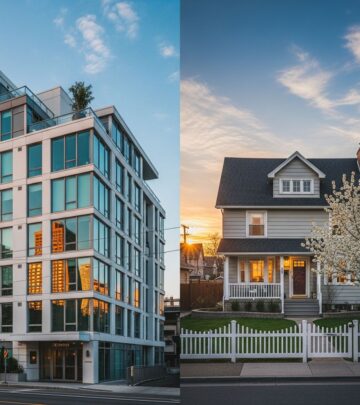
A townhouse represents an ideal middle ground between a fully detached single-family home and an apartment or condominium. These multi-story residences offer homeowners a unique combination of affordability, community living, and property ownership that appeals to various demographics. Whether you’re a first-time homebuyer, looking to downsize, or seeking a lock-and-leave property, townhouses present an increasingly popular housing option in today’s real estate market. Many types of homeowners can benefit from townhouses, making them the second most common home choice among U.S. buyers in 2023, according to the National Association of Realtors.
Understanding Townhouses
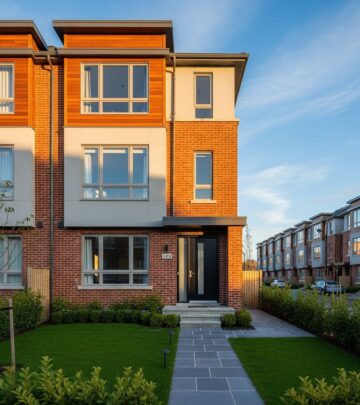
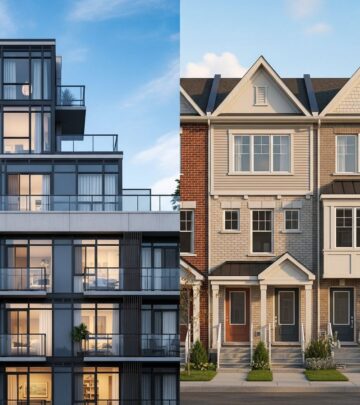
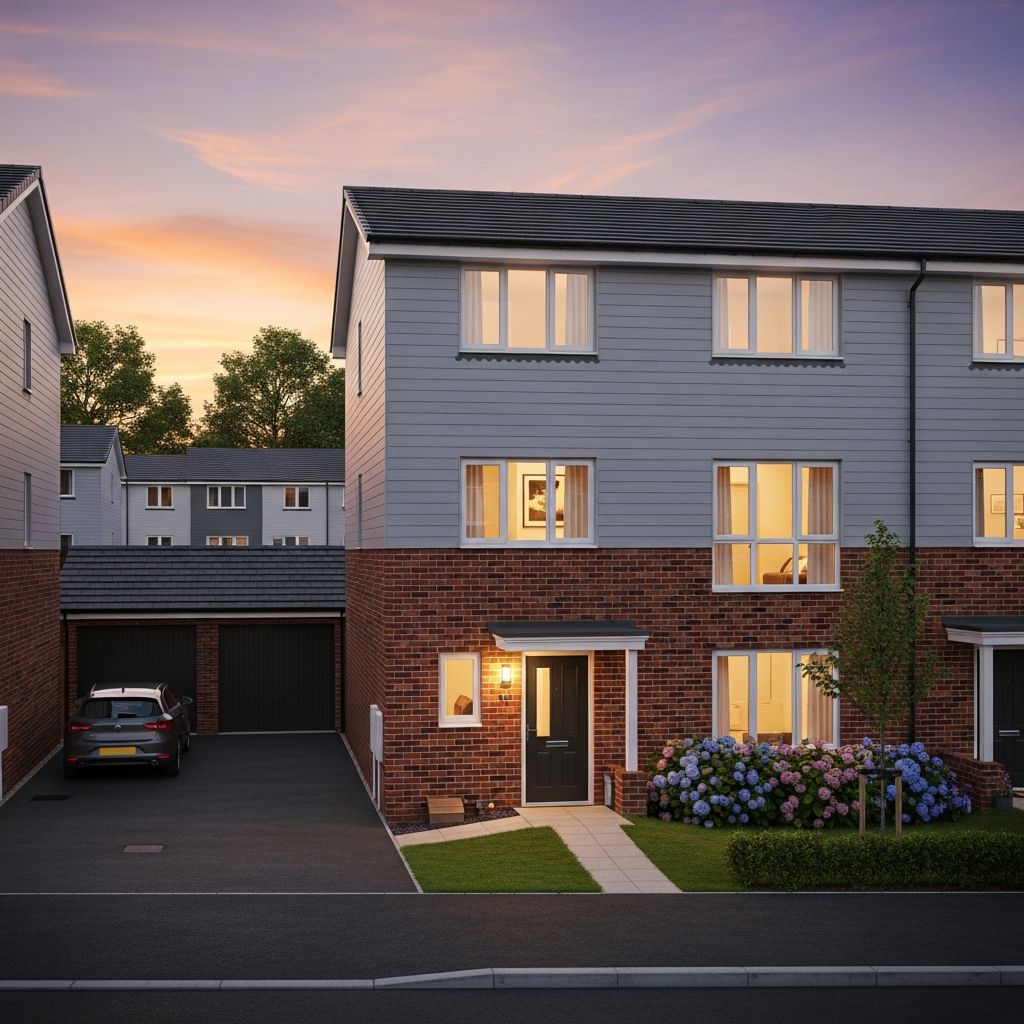
A townhouse is a multi-floor home with its own entrance that shares one or two walls with surrounding townhomes. Unlike detached single-family homes that sit on larger lots, townhouses have a smaller footprint, which directly impacts their price point and maintenance requirements. The architectural design of townhouses makes them distinct from condominiums, where residents typically own only the interior space. With townhouses, you generally have ownership over both the exterior and the interior of the home, giving you greater control over your property.
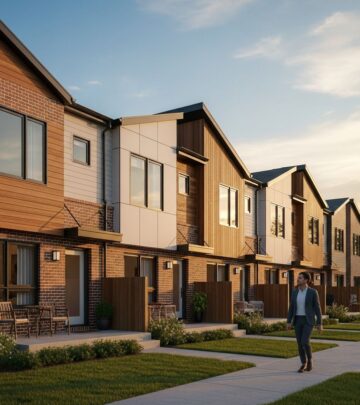
Townhouses are typically organized in rows or clusters within planned communities. Each unit features its own entrance and is individually owned, distinguishing them from apartments where residents rent rather than own. This ownership structure provides townhouse owners with the wealth-building benefits of homeownership while offering a more affordable entry point than traditional detached homes.
Pros and Cons of Townhouse Living
Advantages of Townhouse Ownership
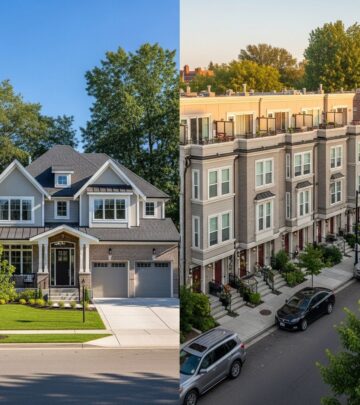
Lower Cost: One of the most compelling advantages of townhouse living is affordability. A townhouse is usually less expensive than a detached home in the same area, even if they have similar square footage. According to Redfin data from October 2024, the median sale price of a U.S. townhouse was $380,668, while the median for a detached single-family home was significantly higher at $453,734. You can get a lot of space close to cities when you’re only paying for the house and not the acreage, making it a cost-effective way to secure more of what you want in your desired location.
Less Maintenance: The smaller size of a townhouse means that it requires considerably less upkeep than a freestanding home, especially in terms of yard work and exterior maintenance. Townhouse owners are typically not responsible for maintenance of the exterior of their home and shared grounds, as these are often taken care of with a monthly fee to a homeowner’s association. This reduced maintenance burden makes townhouses particularly attractive to busy professionals, retirees, and anyone seeking a low-maintenance lifestyle.
Shared Amenities: Townhouses built as part of a development often include access to shared facilities, such as pools, gyms, clubhouses, outdoor walking trails, and other desirable community amenities. The care and maintenance of these shared spaces is typically covered by HOA fees, meaning residents enjoy these benefits without the individual responsibility of maintaining them. This creates a more vibrant community atmosphere while keeping individual homeowner burdens minimal.
Greater Ownership Control: Unlike condos, with a townhouse you generally have ownership over the exterior as well as the interior of the home. While an HOA may enforce certain aesthetic codes for the exterior, there’s generally more freedom to change appearances than you would have with a condominium. This ownership structure provides homeowners with the equity and wealth-building aspects of traditional homeownership.
Disadvantages of Townhouse Ownership
Limited Space and Privacy: Townhouses typically offer less square footage than detached single-family homes. Additionally, because they share walls with neighboring units, you may experience less privacy than you would in a freestanding home. Noise transfer from adjacent units can be a consideration, and outdoor privacy is limited compared to homes on larger lots.
HOA Fees and Restrictions: Most townhouse communities are governed by homeowner’s associations that levy monthly or annual fees to cover maintenance of common areas and exterior spaces. These fees can be substantial and may increase over time. Furthermore, HOAs typically enforce rules and regulations regarding property modifications, landscaping, and other aesthetic matters, limiting your complete freedom in how you maintain and modify your property.
Limited Parking: Depending on the community layout, townhouses may offer limited parking options. This can be particularly challenging in urban areas or densely populated communities where street parking is the norm, and you may not have a dedicated garage or driveway.
Less Outdoor Space: While some townhouses include small patios or yards, the outdoor space is typically minimal compared to detached homes. This limitation may be important if you enjoy gardening, have pets requiring significant outdoor space, or desire extensive outdoor entertaining areas.
Key Considerations Before Buying a Townhouse
Examine Your Budget
As with any home purchase, you’ll need to ensure that you can comfortably afford a townhouse before you start shopping for one. Make sure your budget factors in not only the cost of the property itself but also your closing costs and any HOA payments, if applicable. Townhouses are more affordable than traditional detached homes, which makes them a popular choice among first-time homebuyers and other budget-minded house-hunters. Being preapproved for a mortgage can help your offer stand out among others, assuring sellers that you’re qualified. Plus, it can help you determine whether the HOA fees of a particular property will be too high for you to comfortably afford.
Understand HOA Fees and Requirements
Before making an offer on a townhouse, take a close look at the homeowner’s association, the fees it charges, and what is covered. Review the rules, regulations, current financial statements, and all of the other HOA documents prior to buying. The monthly fees should be a consideration in your overall purchase. A buyer can make their purchase contract contingent upon reviewing this information to the buyer’s satisfaction, ensuring there will be no unwelcome surprises once you move in. Understanding the HOA’s financial health and any planned special assessments is crucial to avoiding unexpected costs down the road.
Shop for the Best Mortgage Rate
Once your offer is accepted, you’ll need to officially apply for a home loan. It’s important to compare mortgage rates with several different lenders, as a lower rate can save you many thousands of dollars over the life of a loan. Keep in mind that the most favorable rates go to those with the best credit, so pay your bills on time, keep your credit score as high as possible, and don’t do anything to jeopardize it before closing on your townhouse.
Work with a Knowledgeable Agent
When buying a townhouse, it’s smart to work with an agent who is knowledgeable about the townhouse communities in your specific area. They can help you navigate the nuances of townhouse living, understand local market conditions, and ensure you’re making an informed decision about this type of property.
Who Are Townhouses Best For?
First-Time Homebuyers: Townhouses can be an excellent choice for those purchasing their first home, thanks to their lower price point compared to detached homes. They offer the equity and wealth-building aspects of homeownership in a more affordable package.
Downsizers: Retirees and empty nesters looking to reduce their living space and maintenance responsibilities often find townhouses ideal. The lower maintenance burden and community amenities create an appealing lifestyle option.
Busy Professionals: People with demanding careers who want homeownership without the extensive maintenance demands of a large property benefit from the lock-and-leave convenience of townhouse living.
Urban Dwellers: Those seeking to live in desirable urban locations often find that townhouses provide an affordable way to access city amenities and proximity to employment centers.
Budget-Conscious Buyers: Anyone prioritizing affordability while still building equity through homeownership finds townhouses particularly attractive in today’s challenging real estate market.
Townhouses vs. Other Housing Types
| Feature | Townhouse | Single-Family Home | Condominium |
|---|---|---|---|
| Price | Mid-range (median $380,668) | Higher (median $453,734) | Variable |
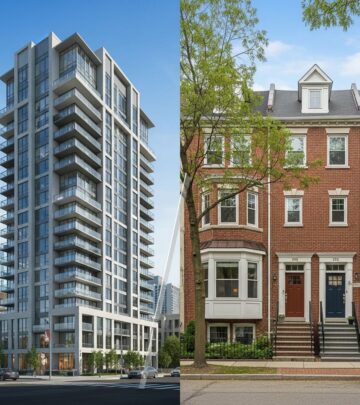
| Ownership | Interior and exterior | Complete property | Interior only |
| Maintenance | Low to moderate | High | Low |
| Privacy | Moderate | High | Low |
| HOA Fees | Usually required | Rarely required | Usually required |
| Amenities | Often available | Individual | Often available |
Bottom Line
Townhouses can be a great choice for first-time homebuyers, thanks to their lower price point. They offer the equity and wealth-building aspects of homeownership in a more affordable package than a freestanding single-family home. They can also be a solid choice for anyone interested in a low-maintenance lifestyle and a lock-and-leave property. However, the flip side is that you get less square footage and less privacy, and there may be costly HOA fees that could increase over time.
Ultimately, whether a townhouse is right for you depends on your lifestyle preferences, financial situation, and long-term housing goals. By carefully considering the advantages and disadvantages outlined above, and working with knowledgeable real estate professionals, you can determine if townhouse living aligns with your needs and aspirations.
Frequently Asked Questions
Q: How do townhouses differ from condominiums?
A: The primary difference is ownership structure. With townhouses, you own both the interior and exterior of your unit, while with condos, you typically own only the interior space. This gives townhouse owners more control over exterior modifications, though both types usually have HOA fees and community rules.
Q: Are townhouse HOA fees typically high?
A: HOA fees vary depending on the community and what services they cover. Before purchasing, thoroughly review the HOA’s financial statements and fee structure to understand what you’ll pay monthly and whether any special assessments are planned.
Q: Can I modify the exterior of my townhouse?
A: Generally, you have more freedom to modify the exterior of a townhouse compared to a condo, but you’re still subject to HOA aesthetic codes and regulations. Always check with your HOA before making significant exterior changes.
Q: Are townhouses good investments for first-time homebuyers?
A: Yes, townhouses are excellent for first-time homebuyers because they’re typically more affordable than detached homes while offering the wealth-building benefits of homeownership. The lower maintenance requirements also appeal to those new to property ownership.
Q: What should I look for when evaluating a townhouse community?
A: Review the HOA documents, including financial statements, rules and regulations, and fee structure. Visit the community at different times to assess noise levels, parking availability, and the condition of common areas and amenities.
Q: Do townhouses appreciate in value like single-family homes?
A: Yes, townhouses can appreciate in value, though the appreciation rate may differ from single-family homes depending on the location, market conditions, and community desirability. However, excessive HOA fees or poorly maintained communities can negatively impact appreciation potential.
References
- Common Home Styles And Types Of Houses — Bankrate. 2024. https://www.bankrate.com/real-estate/types-of-houses/
- How To Buy A Townhouse: 5 Tips To Follow — Bankrate. 2024. https://www.bankrate.com/real-estate/buying-a-townhouse/
- Housing Options That Redefine What ‘Home’ Means — Bankrate. 2024. https://www.bankrate.com/real-estate/housing-options/
- Real Estate Resources — Bankrate. 2024. https://www.bankrate.com/real-estate/
Similar Articles








Read full bio of medha deb