What Is the Trough in the Business Cycle
Understanding the trough phase: the lowest point in economic cycles and gateway to recovery.

The business cycle is a fundamental concept in economics that describes the alternating periods of expansion and contraction in economic activity. Within this cycle, the trough represents the lowest point of economic activity, marking the end of a recession and the beginning of recovery. For investors, policymakers, and business leaders, understanding what a trough is and how it functions within the broader business cycle is essential for making informed decisions and preparing for economic transitions.
Understanding the Business Cycle Trough
A business cycle trough is defined as the point in the economic cycle where overall activity reaches its lowest level. This phase represents a critical turning point where economic indicators begin to stabilize after a period of decline. The trough is only clearly identifiable in retrospect, after economic data shows that growth has begun to resume. For instance, if GDP growth registers at 1.3 percent in one quarter and then rises to 1.5 percent in the following quarter with continued improvement thereafter, the 1.3 percent quarter will be defined as the trough.
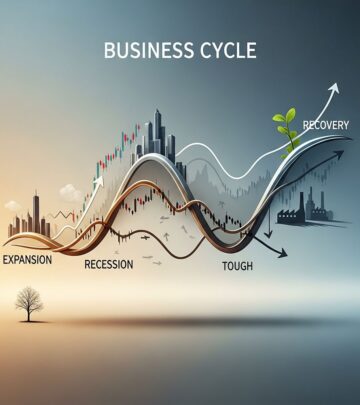
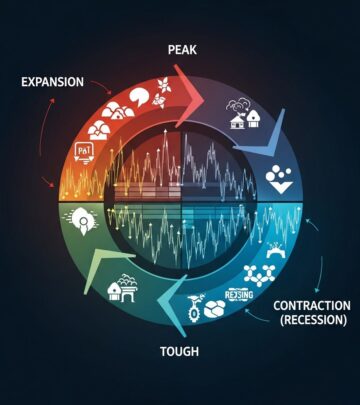
The business cycle itself consists of four primary phases: expansion, peak, contraction (or recession), and trough. Each phase reflects distinct fluctuations in economic activity, measurable through various indicators such as gross domestic product (GDP), employment rates, and consumer spending patterns. Understanding these phases helps economists, investors, and policymakers predict future economic performance and make strategic business decisions.
The Four Phases of the Business Cycle
To fully comprehend the trough, it is essential to understand how it fits within the complete business cycle framework:
Expansion
During the expansion phase, businesses experience growth, aggregate output increases, and companies typically hire more workers to ramp up production. Customer demand is strong, confidence is high, and interest rates are often low. This phase is characterized by rising employment, increased consumer spending, and optimism about future economic prospects.
Peak
The peak represents the highest point of economic activity before the contraction begins. At this stage, the economy has reached its maximum growth rate, and economic indicators are at their strongest. However, the peak also signals that growth cannot be sustained at this level indefinitely.
Contraction or Recession
A contraction, or recession, is a period of declining economic activity characterized by decreasing GDP, rising unemployment rates, and slowing consumer spending. A recession is typically defined as two consecutive quarters of negative GDP growth. During this phase, businesses reduce production and lay off workers due to decreased demand, and financial markets often experience increased volatility.
Trough
The trough marks the lowest point of this contraction phase. At this juncture, economic activity bottoms out before beginning to recover. This is where the cycle transitions from contraction to recovery, setting the stage for renewed expansion.
Key Characteristics of a Business Cycle Trough
Identifying a business cycle trough requires understanding several defining characteristics that distinguish this phase from others in the economic cycle:
Declining Economic Indicators
During the trough phase, key economic indicators such as GDP, employment rates, and consumer spending are at their lowest levels. GDP growth is either negative or at its slowest rate, signifying a substantial reduction in overall economic activity. This decline is measurable and represents the nadir of economic contraction.
Elevated Unemployment Rates
Troughs are invariably accompanied by higher unemployment rates. As businesses cut back on production in response to reduced demand, they lay off workers or reduce hours. This widespread joblessness creates economic hardship for families and communities, reducing household income and further dampening consumer spending.
Diminished Consumer Confidence
Consumer confidence typically wanes during a trough as individuals worry about job security and future economic prospects. This loss of confidence leads to reduced spending on both essential and discretionary items, which further exacerbates the economic downturn and extends the duration of the contraction phase.
Increased Business Failures
The financial strain experienced by businesses during a trough can lead to increased bankruptcies and closures. Companies struggling with reduced revenues, high debt levels, and reduced access to credit may be forced to cease operations, further diminishing overall economic activity and eliminating additional jobs from the economy.
Market Volatility and Risk Aversion
Financial markets typically experience increased volatility during a trough. Investors become risk-averse, preferring safer investments and moving away from equities. Asset prices may decline significantly, and credit markets may tighten as lenders become more cautious about extending credit.
Government Intervention
Governments often respond to troughs with various stimulus measures and interventions designed to arrest the economic decline and accelerate recovery. These measures may include fiscal stimulus spending, tax reductions, or support for struggling sectors of the economy.
Causes of Business Cycle Troughs
Understanding what triggers a business cycle trough is vital for developing effective economic policy responses. Multiple factors can contribute to the formation of a trough:
External Economic Shocks
Events such as natural disasters, geopolitical tensions, or financial crises can create sudden and severe economic disruptions. These external shocks disrupt normal business operations, reduce consumer confidence, and can rapidly push an economy into contraction and toward a trough.
Monetary Policy Tightening
Central banks may raise interest rates to combat inflation or cool down an overheating economy. When interest rates rise, the cost of borrowing increases for consumers and businesses alike, which can reduce consumer spending and business investment, contributing to economic contraction and a trough.
Declining Business Investment
When businesses lose confidence in future economic prospects, they reduce capital investments and hiring. This pullback in investment reduces economic activity and can trigger or deepen a contraction leading to a trough.
Global Economic Conditions
International economic downturns, trade disruptions, or currency crises can negatively impact domestic economies. In an interconnected global economy, weakness in major trading partners or disruptions to international supply chains can contribute to domestic troughs.
Economic Impact of Business Cycle Troughs
The trough phase has profound and far-reaching impacts across the entire economy:
Severe Reduction in Economic Output
A trough represents a significant downturn in economic activity, leading to lower GDP growth rates and decreased overall economic output. This reduction in productive capacity reduces the overall wealth generation of the nation.
Employment Crisis
As businesses reduce their workforce in response to declining demand, unemployment rates rise significantly, creating widespread economic hardship. This unemployment reduces household income, tax revenues for government, and consumer spending, creating a multiplier effect that deepens the economic downturn.
Financial Market Deterioration
Stock markets typically decline during a trough, and bond spreads widen as investors demand higher compensation for risk. Asset prices fall, reducing household wealth and further constraining consumer spending.
Credit Contraction
Banks and other lenders become more cautious about extending credit during a trough, tightening credit conditions. This credit contraction makes it more difficult for businesses and consumers to access financing, hampering investment and consumption.
Psychological and Social Effects
The trough phase creates significant psychological stress on workers, businesses, and households. Anxiety about economic prospects, job security, and financial stability affects consumer behavior and business decision-making, often perpetuating the downturn.
The Transition from Trough to Recovery
Understanding how an economy transitions from trough to recovery is crucial for policymakers and investors. Once the trough is reached, economic indicators typically begin to stabilize and improve. Several factors facilitate this recovery:
Lower interest rates during a recession can facilitate borrowing, enabling firms to invest in capital goods again, which is essential for economic recovery. Additionally, at the trough, debts incurred during the expansion phase may be repaid, allowing for renewed spending and investment capacity.
Demand begins to pick up due to lower prices, and consequently, supply begins to increase. The population develops a more positive attitude towards investment and employment, and production starts rising. Employment begins to recover, and lending shows positive signals as banks regain confidence in the economic outlook. Depreciated capital is replaced, leading to new investments in the production process.
Strategies for Managing Business Cycle Troughs
Both policymakers and businesses employ various strategies to navigate and manage the trough phase:
Fiscal Stimulus Measures
Governments often implement fiscal stimulus through increased spending or tax reductions designed to inject demand into the economy and accelerate recovery from the trough.
Monetary Policy Easing
Central banks typically lower interest rates and expand the money supply to make borrowing more affordable and encourage spending and investment.
Sector-Specific Support
Targeted government support for struggling sectors can help stabilize critical industries and prevent cascading business failures that would deepen the downturn.
Portfolio Risk Management
Investors and financial professionals manage risk during recessions through portfolio diversification, hedging strategies, or moving towards safer, low-risk investments. However, maintaining liquidity during a trough can position investors to find attractive investment opportunities as recovery begins.
Business Continuity Planning
Businesses implement cost control measures, preserve cash reserves, and focus on maintaining core operations to survive the trough and position themselves for recovery.
Distinguishing Troughs from Recessions
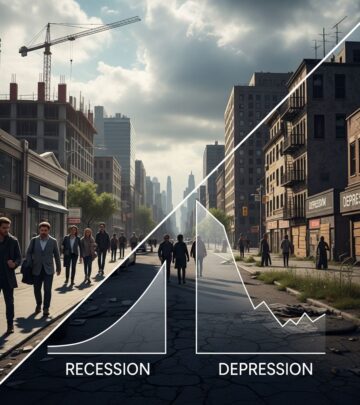
It is important to understand the distinction between a recession and a business cycle trough. A recession refers to a period of declining economic activity across the economy, typically defined as two consecutive quarters of negative GDP growth, while a business cycle trough is specifically the lowest point of economic activity within that recession, marking its end. In other words, a recession can last several quarters or longer, but the trough is the specific moment when economic decline reaches its bottom and reversal begins.
Different Types of Business Cycles
Business cycles can vary in duration and characteristics. The Kitchin Cycle, also known as the short business cycle, typically lasts about 40 months and is driven primarily by inventory adjustments. As businesses accumulate inventory during a boom, they eventually reach a point where they must slow production to sell off inventory, leading to a downturn and trough. Understanding these variations helps economists and investors better predict and prepare for different types of economic cycles.
Frequently Asked Questions
Q: What is the primary difference between a peak and a trough in the business cycle?
A: The peak represents the highest point of economic activity before contraction begins, while the trough represents the lowest point of economic activity before recovery begins. The peak marks the transition from expansion to contraction, whereas the trough marks the transition from contraction to recovery.
Q: How long does a typical trough last?
A: The duration and severity of each trough can vary significantly, influenced by numerous factors including fiscal policy, monetary policy, and global economic conditions. There is no standard duration for a trough; some may last a few months while others may persist for an extended period.
Q: How do investors typically respond during a business cycle trough?
A: During a trough, investors often become risk-averse and may move toward safer investments. However, some investors who maintain liquidity can find attractive investment opportunities as asset prices are typically depressed during a trough, potentially offering good entry points for long-term investments.
Q: What is the relationship between unemployment and a business cycle trough?
A: Unemployment rates rise significantly during the trough phase as businesses cut back on production and reduce their workforce. The trough typically corresponds to the peak unemployment rate before the economy begins its recovery.
Q: Can policymakers prevent business cycle troughs?
A: While policymakers cannot entirely prevent troughs, they can implement monetary and fiscal policies designed to moderate the severity and duration of the trough phase. Policies such as interest rate reductions, fiscal stimulus, and targeted sector support can help facilitate faster recovery from a trough.
Q: How do global economic conditions affect the depth and duration of a trough?
A: Global economic conditions significantly influence troughs. International financial crises, trade disruptions, or recessions in major trading partners can deepen and prolong a domestic trough. Conversely, strong global demand can help facilitate recovery from a trough.
References
- Business Cycle Trough — Georgia Institute of Technology, College of Computing. 2024. https://explore.gcts.edu/business-suggest-006/pdf
- The Four Stages of Business Cycles — Guidant Financial. 2024. https://www.guidantfinancial.com/blog/business-cycles/
- Business Cycles and Their Characteristics — Pearson Education, Macroeconomics Channel. 2024. https://www.pearson.com/channels/macroeconomics/learn/brian/ch-13-productivity-and-economic-growth/business-cycles-and-their-characteristics
- Understanding Business Cycles — CFA Institute Professional Learning. 2025. https://www.cfainstitute.org/insights/professional-learning/refresher-readings/2025/understanding-business-cycles
- Business Cycle – Definition, How to Measure and 6 Different Stages — Corporate Finance Institute. 2024. https://corporatefinanceinstitute.com/resources/economics/business-cycle/
- What is a Business Cycle? Expansion, Peak, Contraction, and Trough — Peak Frameworks. 2024. https://www.peakframeworks.com/post/business-cycles-explained
- The Business Cycle — Federal Reserve Education. 2024. https://www.federalreserveeducation.org/teaching-resources/economics/growth-and-fluctuations/the-business-cycle
Similar Articles








Read full bio of medha deb