What is Term Life Insurance? Coverage Explained
Understanding term life insurance: affordable protection for your family's financial future.

What is Term Life Insurance?
Term life insurance is one of the most straightforward and affordable types of life insurance available to consumers today. It provides a death benefit to beneficiaries if the insured person passes away during a specified period, known as the “term.” Unlike permanent life insurance policies such as whole life or universal life insurance, term life insurance is temporary coverage that offers pure protection without an investment or cash value component.
The fundamental concept behind term life insurance is simple: you pay regular premiums for a defined period, and in return, the insurance company pays a predetermined death benefit to your designated beneficiaries if you die while the policy is active. If you survive the term, the coverage ends, and you no longer have protection through that particular policy unless you renew or purchase a new one.
How Term Life Insurance Works
When you purchase a term life insurance policy, you agree to pay premiums at regular intervals—typically monthly or annually. These premiums are calculated based on several factors, including your age, health status, occupation, lifestyle habits such as smoking, and the length of the term you select. The insurance company uses actuarial data to assess the risk of insuring you and determines the appropriate premium rate.
During the term period, you maintain your policy by making timely premium payments. If you pass away at any point during this period, your beneficiaries submit a claim to the insurance company. After verification and processing, the company pays out the death benefit directly to your beneficiaries, tax-free. This lump sum can be used for any purpose, such as paying off debts, covering living expenses, or funding education.
If you survive the entire term, the policy simply expires. You no longer have coverage unless you decide to purchase another policy or convert your existing term policy to permanent coverage if your policy includes a conversion option.
Types of Term Life Insurance Policies
Term life insurance comes in several variations, each designed to meet different needs and circumstances:
- Level Term Insurance: This is the most common type of term life insurance. The death benefit and premiums remain constant throughout the entire term period. This predictability makes it easier for policyholders to budget for insurance costs.
- Decreasing Term Insurance: With this type, the death benefit decreases over time while premiums remain the same. It’s often used by people with decreasing financial obligations, such as a mortgage that will be paid off during the term.
- Increasing Term Insurance: The death benefit increases periodically throughout the term, usually to keep pace with inflation. Premiums may also increase accordingly.
- Renewable Term Insurance: At the end of a term, this policy allows you to renew for another term without proving insurability, though premiums will likely be higher based on your new age.
- Convertible Term Insurance: This option permits you to convert your term policy into a permanent life insurance policy without undergoing medical exams, offering flexibility for changing needs.
Term Length Options
Term life insurance policies are available in various durations, allowing you to choose coverage that aligns with your financial responsibilities and goals. Common term lengths include 10, 15, 20, 25, and 30 years. Some insurers also offer 5-year or 40-year terms, though these are less common.
When selecting a term length, consider your major financial obligations. If you have a mortgage that will be paid off in 20 years, a 20-year term might be appropriate. If you have young children, a longer term such as 25 or 30 years ensures coverage until they become financially independent. The longer the term, the more secure your family’s financial protection, but longer terms typically come with higher premiums.
Key Benefits of Term Life Insurance
Term life insurance offers several compelling advantages that make it an attractive choice for many people:
- Affordability: Term life insurance is significantly less expensive than permanent life insurance options. Younger and healthier individuals can obtain substantial coverage at relatively low costs, making it accessible to families with limited budgets.
- Simplicity: The straightforward nature of term insurance—pure protection without investment components—makes it easy to understand and compare between different policies and providers.
- High Coverage Amounts: Because premiums are low, you can often afford higher death benefit amounts, ensuring comprehensive financial protection for your family.
- Tax-Free Death Benefits: Life insurance death benefits are generally paid to beneficiaries tax-free, providing the full benefit amount to help cover expenses and financial obligations.
- Conversion Options: Many term policies offer the ability to convert to permanent coverage later without medical underwriting, providing flexibility as your circumstances change.
- No Cash Value to Manage: Unlike permanent insurance, term policies don’t have cash value components, eliminating the complexity of managing investment performance.
Term Life Insurance vs. Permanent Life Insurance
Understanding the differences between term and permanent life insurance is crucial for making the right choice for your situation.
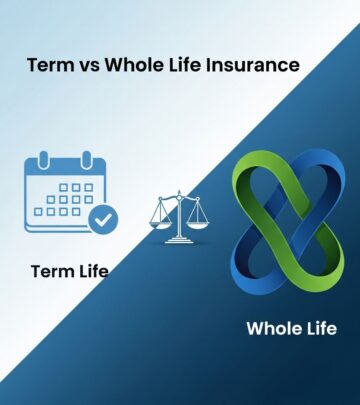
| Feature | Term Life Insurance | Permanent Life Insurance |
|---|---|---|
| Duration | Fixed period (10-30 years) | Lifetime coverage |
| Cost | Lower premiums | Higher premiums |
| Cash Value | No cash value component | Builds tax-deferred cash value |
| Coverage After Term | Expires unless renewed/converted | Continues for life |
| Flexibility | Renewable and convertible options | Limited flexibility once issued |
| Best For | Temporary protection needs | Permanent estate planning |
Term life insurance is ideal for those seeking temporary protection at an affordable price, while permanent insurance suits individuals with lifelong protection needs or specific estate planning objectives. Many financial advisors recommend term insurance for most people due to its cost-effectiveness and simplicity.
Factors Affecting Term Life Insurance Premiums
Several factors influence the cost of your term life insurance premiums:
- Age: Younger applicants receive lower premiums because they have a statistically lower mortality risk. Applying early in your career can result in significant savings.
- Health Status: Your current health and medical history directly impact your rates. Pre-existing conditions may increase premiums or affect insurability.
- Smoking Status: Smokers typically pay substantially higher premiums—sometimes two to three times more than non-smokers—due to increased health risks.
- Occupation: Dangerous occupations may result in higher premiums or coverage restrictions.
- Lifestyle: Activities such as extreme sports or hazardous hobbies can affect your premiums or insurability.
- Death Benefit Amount: Higher coverage amounts result in higher premiums, though the increase is typically proportional rather than exponential.
- Term Length: Longer terms generally have higher total costs but may offer more stability and protection.
- Medical History: Family history of certain diseases or conditions may influence your rates.
Determining Your Coverage Needs
Calculating the appropriate amount of term life insurance requires careful consideration of your financial situation and family needs. Most financial experts recommend coverage of at least 5 to 10 times your annual income, though this varies based on individual circumstances. Consider the following when determining your coverage amount:
- Outstanding debts including mortgage, car loans, and credit card balances
- Daily living expenses for your family
- Education expenses for dependent children
- Final expenses including funeral and medical costs
- Income replacement for surviving spouses or dependents
- Existing savings and other insurance coverage
Who Should Buy Term Life Insurance?
Term life insurance is particularly suitable for:
- Young families with dependent children
- People with significant debts like mortgages
- Primary income earners in households
- Individuals with limited insurance budgets
- Those seeking temporary protection during working years
- People planning to convert to permanent insurance later
Frequently Asked Questions
Q: Can I renew my term life insurance after the term expires?
A: Yes, most term policies include renewal options that allow you to extend coverage for additional terms without undergoing medical exams. However, premiums will increase based on your current age. You may also have the option to convert to permanent insurance with some policies.
Q: What happens if I stop paying my premiums?
A: If you fail to pay your premiums, your policy will typically lapse after a grace period (usually 30 days). Once lapsed, you lose coverage, and your beneficiaries would not receive the death benefit if you pass away. You would need to reapply and undergo new underwriting to regain coverage.
Q: Is term life insurance taxable?
A: The death benefit paid to beneficiaries is generally not subject to federal income tax. However, if the death benefit becomes part of a large estate, it may be subject to federal estate taxes, depending on the total estate value and current tax laws.
Q: Can I increase my coverage if my circumstances change?
A: Many insurers offer riders or modifications that allow you to increase coverage without additional underwriting, though you may need to pay higher premiums. Some policies include guaranteed insurability riders that allow periodic increases without medical exams.
Q: Is a medical exam always required for term life insurance?
A: Not necessarily. Many insurers offer “no exam” or “simplified issue” policies for lower coverage amounts. However, larger policies typically require a medical exam and health questionnaire to assess risk accurately.
Q: What is guaranteed renewable term insurance?
A: Guaranteed renewable term policies allow you to renew coverage at the end of each term without medical underwriting, though premiums will increase. This protects your insurability even if your health declines during the term.
Q: Can I have multiple term life insurance policies?
A: Yes, you can purchase multiple policies from different insurers. However, the total death benefit across all policies should correspond reasonably to your income to avoid issues with insurability and claims.
Conclusion
Term life insurance remains one of the most practical and cost-effective ways to protect your family’s financial security. Its affordability, simplicity, and flexibility make it an excellent choice for individuals and families seeking temporary protection during their working years. By understanding how term insurance works, comparing different policy options, and calculating your coverage needs accurately, you can make an informed decision that provides peace of mind and financial security for your loved ones. Whether you’re just starting your career or establishing a comprehensive insurance strategy, term life insurance deserves serious consideration as a foundational component of your financial plan.
References
- Life Insurance Basics — National Association of Insurance Commissioners (NAIC). 2024. https://www.naic.org/
- Understanding Life Insurance — U.S. Department of Labor, Employee Benefits Security Administration. 2024. https://www.dol.gov/agencies/ebsa/
- Life Insurance: What You Need to Know — Consumer Financial Protection Bureau. 2024. https://www.consumerfinance.gov/
- 2024 Life Insurance Study — American Council of Life Insurers. 2024. https://www.acli.org/
- Fundamentals of Life Insurance — Society of Actuaries. 2024. https://www.soa.org/
Similar Articles








Read full bio of Sneha Tete