What Is a Stick-Built Home? Complete Guide
Discover what stick-built homes are, their costs, benefits, and how they compare to other home types.
A stick-built home represents the traditional method of residential construction that remains the dominant housing standard across North America. Understanding what constitutes a stick-built home, how much these properties cost, and the advantages and disadvantages they offer can help homeowners make informed decisions about their real estate investments.
Understanding Stick-Built Homes
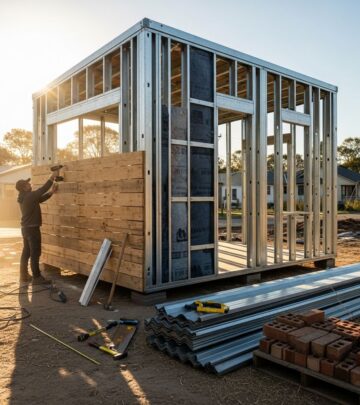
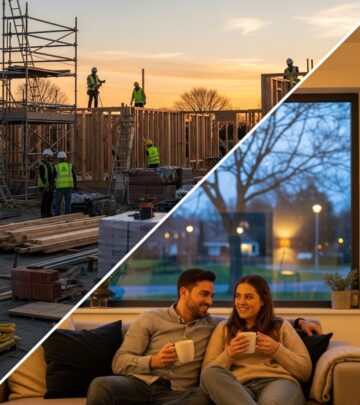
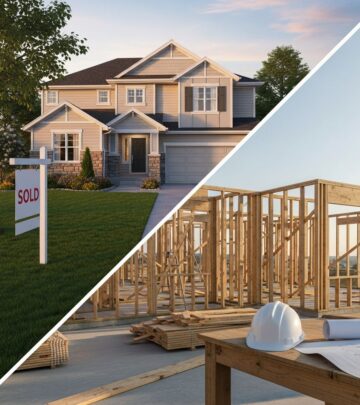
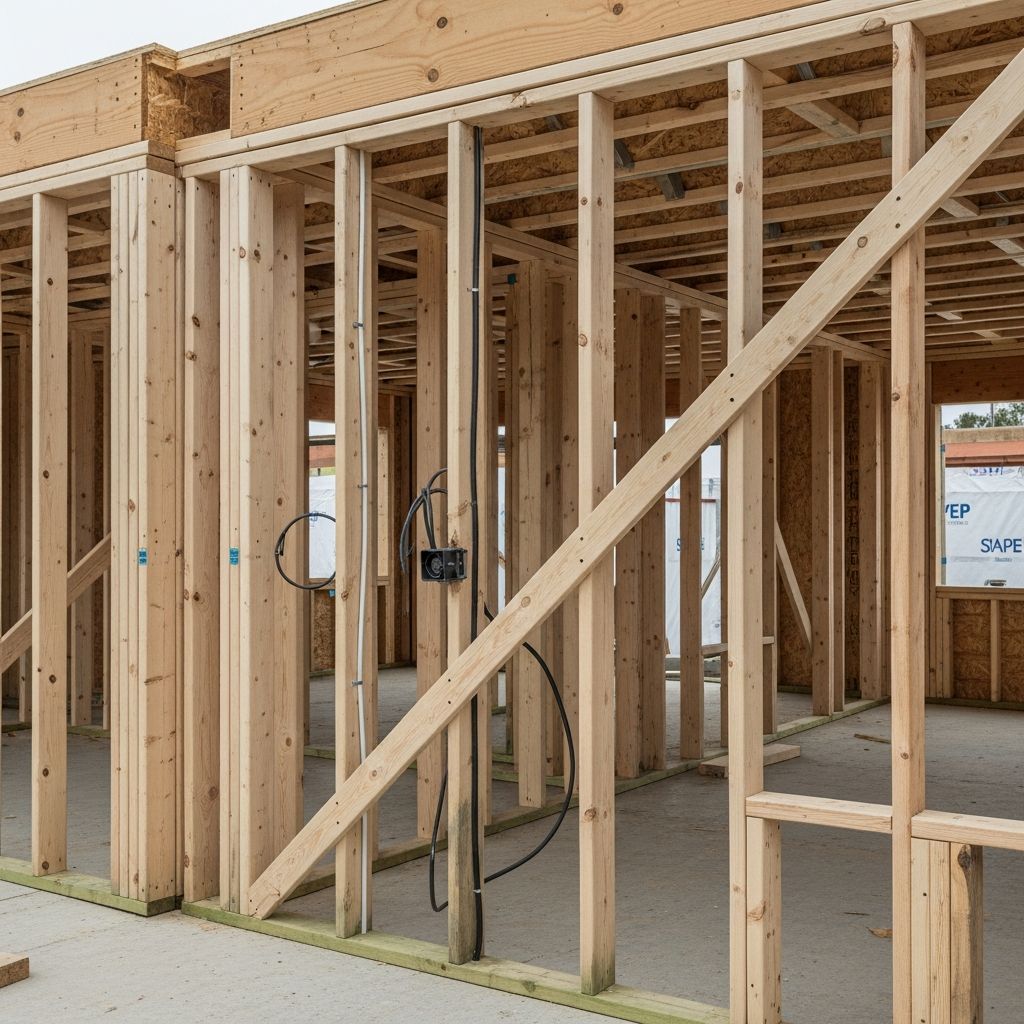
A stick-built home is a property constructed with a wood frame that serves as the structural foundation supporting plywood and other building materials. This construction method involves assembling individual pieces of lumber on-site to create the home’s framework, walls, roof, and floors. The term “stick-built” derives from the practice of using sticks (lumber) to frame the structure piece by piece.
Unlike mass-produced or prefabricated homes that are constructed in factories with limited customization options, stick-built homes are typically built on the property where they will permanently remain. This on-site construction approach allows for greater flexibility in design and customization, enabling homeowners to tailor their properties to specific needs and preferences.
The frame of a stick-built home often incorporates lumber as the primary structural component, which provides both strength and flexibility in design. Over the wooden frame, builders install plywood sheathing and other materials such as insulation, drywall, siding, and roofing materials to complete the structure.
How Much Do Stick-Built Homes Cost?
The cost of stick-built homes typically exceeds that of mass-produced homes due to several factors related to construction methodology and materials. Understanding the price breakdown helps prospective buyers assess whether a stick-built home fits their budget.
Price Per Square Foot Analysis
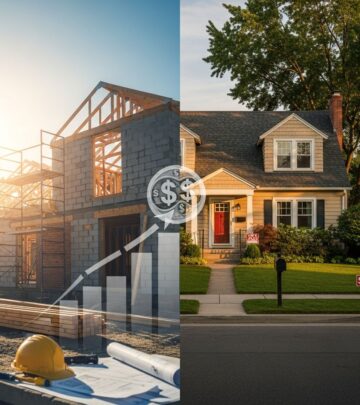
Custom and stick-built homes command higher per-square-foot prices compared to mass-produced alternatives. According to industry professionals, the average price per square foot for a custom stick-built home ranges from $100 to $200, while mass-produced homes typically cost between $50 to $100 per square foot in many markets.
For resale properties, stick-built homes generally maintain strong values in the real estate market. Resale prices typically range from $150 to $250 per square foot, depending on the architectural style, current condition, and whether updates or renovations have been completed.
Factors Contributing to Higher Costs
Several reasons explain why stick-built homes cost more than mass-produced alternatives:
– Construction Time: Stick-built homes require substantially more time to construct because each component is built on-site from individual lumber pieces. Mass-produced homes can be assembled quickly with predetermined specifications and minimal customization.- Labor Intensity: The on-site construction process demands more skilled labor hours, which increases overall project costs.- Material Quality: Many stick-built homes utilize higher-quality materials compared to mass-produced alternatives, contributing to increased expenses.- Customization: The ability to customize designs, layouts, and finishes adds to construction complexity and cost.- Planning and Design: Stick-built projects require more detailed planning, architectural work, and engineering considerations.
Advantages of Stick-Built Homes
Stick-built homes offer numerous benefits that explain why they remain the standard housing type across North America.
Customization and Design Flexibility
One of the primary advantages of stick-built homes is the extensive customization available to homeowners. Unlike manufactured or modular homes with limited options, stick-built construction allows buyers to specify virtually every aspect of their home, from the foundation layout to architectural details, interior finishes, and material selections.
Land Ownership and Equity Building
Stick-built homes are constructed on land that the homeowner owns outright. This ownership structure provides significant financial advantages over other housing types. Homeowners build equity in both the structure and the land, creating long-term wealth accumulation potential. In contrast, owners of manufactured homes may face limitations on land ownership or be required to pay rent on the lot where their home sits.
Financing and Refinancing Options
The traditional nature of stick-built homes makes them eligible for conventional mortgage financing from virtually all lenders. This accessibility to standard home loans provides flexibility in financing options. Additionally, because homeowners own the land and have a traditional mortgage structure, they can refinance their properties to take advantage of decreasing interest rates. This refinancing capability allows homeowners to reduce their monthly payments and total interest costs over time.
Resale Value and Market Appeal
Stick-built homes typically maintain strong resale values in real estate markets. The traditional nature of these homes appeals to a broad range of buyers, and the customizable features often enhance their market appeal. The ability to build equity quickly in favorable market conditions makes stick-built homes attractive long-term investments.
Disadvantages of Stick-Built Homes
While stick-built homes offer numerous advantages, potential buyers should also consider their drawbacks.
Construction Time
Stick-built homes require significantly longer construction periods than modular or prefabricated alternatives. The on-site assembly of individual components, combined with weather dependencies and permit requirements, can extend project timelines considerably.
Higher Costs
As discussed earlier, stick-built homes cost substantially more than mass-produced alternatives due to increased labor requirements and customization options. The per-square-foot pricing premium may not be feasible for all buyers.
Labor Availability
Construction quality depends heavily on the availability of skilled labor. In some markets, labor shortages can delay projects and increase costs.
Stick-Built Homes vs. Other Construction Types
Comparison with Prefabricated Homes
Prefabricated homes are constructed in factory settings with significant portions completed off-site before assembly at the final location. While prefab homes typically cost less and build faster than stick-built homes, they offer less customization flexibility. Prefab homes are often built just as well as stick-built homes and can go up faster, but they may have limitations on design modifications and material selections.
Comparison with Modular Homes
Modular homes are factory-built in sections and transported to the building site for assembly. These homes are anchored permanently to the ground and financed similarly to stick-built homes. Modular construction typically costs less than stick-built but more than manufactured homes, with faster construction timelines than traditional on-site building.
Comparison with Manufactured Homes
Manufactured homes are completely built in factories and transported to their final location. These homes offer the lowest construction costs and fastest build times, but they may have financing challenges. Unlike stick-built homes where owners own the land, manufactured home owners may rent the land where their home sits. Additionally, manufactured homes can be impossible to fund using traditional home loans, which creates equity-building limitations for owners.
Financing Stick-Built Homes
Construction Loans
For those building new stick-built homes, construction loans provide specialized financing designed specifically for building projects. Construction loans are short-term loans that fund the building process from land purchase through finished structure. These loans typically have variable interest rates that fluctuate with the prime rate and are usually about one percentage point higher than traditional 30-year mortgage rates.
Construction loans generally fall into two categories: construction-to-permanent loans that convert to traditional mortgages once building is complete, and construction-only loans that finance solely the construction phase. Construction-to-permanent loans offer the advantage of continuous financing with the ability to choose fixed or adjustable rates and terms ranging from 15 to 30 years.
Qualifying for Construction Financing
Lenders typically require stricter qualifying criteria for construction loans compared to conventional mortgages. Borrowers generally need:
– A detailed construction plan and schedule from a reputable construction company- A home appraisal assessing the blueprints, lot value, and projected final home value- Proof that the finished home value will support the loan amount- Stronger credit profiles and financial documentation
Construction Costs Breakdown
When budgeting for a stick-built home, prospective builders should account for various cost categories. For a typical 2,000-square-foot home, key construction expenses include:
– Excavation and site preparation- Foundation, slab, and pier installation- Framing and structural components- Roofing materials and installation- Windows and doors- Interior finishing, including drywall, flooring, and painting- Electrical and plumbing systems- HVAC installation- Cabinetry and appliances
Recent increases in tariffs on crucial building materials such as lumber, steel, and gypsum drywall have impacted construction costs significantly. These tariffs on imported goods mean many building materials now cost considerably more than historical averages, potentially increasing overall project budgets.
Why Stick-Built Homes Remain the Standard
Despite advances in prefabrication and modular construction technologies, stick-built homes continue to dominate the housing market across North America. This prevalence reflects several factors:
–
Universal Financing Availability:
Traditional mortgage lenders readily finance stick-built homes, whereas other construction types may face financing challenges.-Market Recognition:
Stick-built homes have established resale markets with predictable valuation methods.-Customization Appeal:
The extensive customization options attract buyers with specific preferences and requirements.-Land Ownership Benefits:
The ability to own both the structure and land appeals to long-term homeowners seeking wealth building.-Builder Familiarity:
Construction companies have decades of experience with stick-built methods, ensuring consistent quality and reliability.Bottom Line
Stick-built homes remain the main standard for housing in North America, offering customizable designs and generally representing the least expensive way to obtain a truly custom home. While construction requires more time and labor compared to modular or prefab alternatives, the benefits of land ownership, financing flexibility, and equity-building potential make stick-built homes an attractive option for many homeowners. The ability to refinance at lower interest rates, combined with strong resale values and universal mortgage availability, creates a compelling case for stick-built construction despite higher upfront costs.
Frequently Asked Questions
Q: What exactly is a stick-built home?
A: A stick-built home is a residential property constructed with a wood frame on-site. Individual pieces of lumber are assembled to create the structural framework that supports plywood and other building materials, making it the traditional method of home construction in North America.
Q: How much more expensive are stick-built homes compared to manufactured homes?
A: Stick-built homes typically cost $100-$200 per square foot for new construction, while manufactured homes cost significantly less. Resale stick-built homes range from $150-$250 per square foot depending on condition and location, making them substantially more expensive due to customization and on-site labor requirements.
Q: Can you refinance a stick-built home?
A: Yes, one major advantage of stick-built homes is the ability to refinance. Since you own the land and have a traditional mortgage structure, you can refinance to take advantage of decreasing interest rates, potentially reducing monthly payments and total interest costs.
Q: How long does it take to build a stick-built home?
A: Stick-built homes require substantially more construction time than prefab or modular alternatives due to on-site assembly of individual lumber components. Timeline varies based on complexity, weather, and local permit requirements, but typically takes several months to over a year.
Q: What financing options are available for building a stick-built home?
A: Construction loans are the most common financing option for stick-built homes. These include construction-to-permanent loans that convert to traditional mortgages once building is complete, and construction-only loans that finance solely the construction phase.
Q: What are the main advantages of stick-built homes over other construction types?
A: Key advantages include extensive customization options, land ownership, ability to refinance, strong resale values, universal mortgage availability, and excellent equity-building potential compared to manufactured homes where you may rent the land.
References
- What Is a Stick-built Home? — Bankrate. 2025. https://www.bankrate.com/real-estate/stick-built-home/
- What Are Construction Loans And How Do They Work? — Bankrate. 2025. https://www.bankrate.com/mortgages/construction-loans-explained/
- How Much Does It Cost To Build A House? — Bankrate. 2025. https://www.bankrate.com/real-estate/cost-to-build-house/
- What Are The Cheapest Ways to Build a House? — Bankrate. 2025. https://www.bankrate.com/real-estate/cheapest-homes-to-build/
- Modular vs manufactured homes: What’s the difference? — Bankrate. 2025. https://www.bankrate.com/real-estate/modular-vs-manufactured-homes/
- What Is A Prefab Home? — Bankrate. 2025. https://www.bankrate.com/real-estate/what-is-a-prefab-home/
Similar Articles








Read full bio of Sneha Tete