What Is A Single-Family Home? Definition & Guide
Understand single-family homes: definition, characteristics, advantages, and how they compare to multi-family properties.
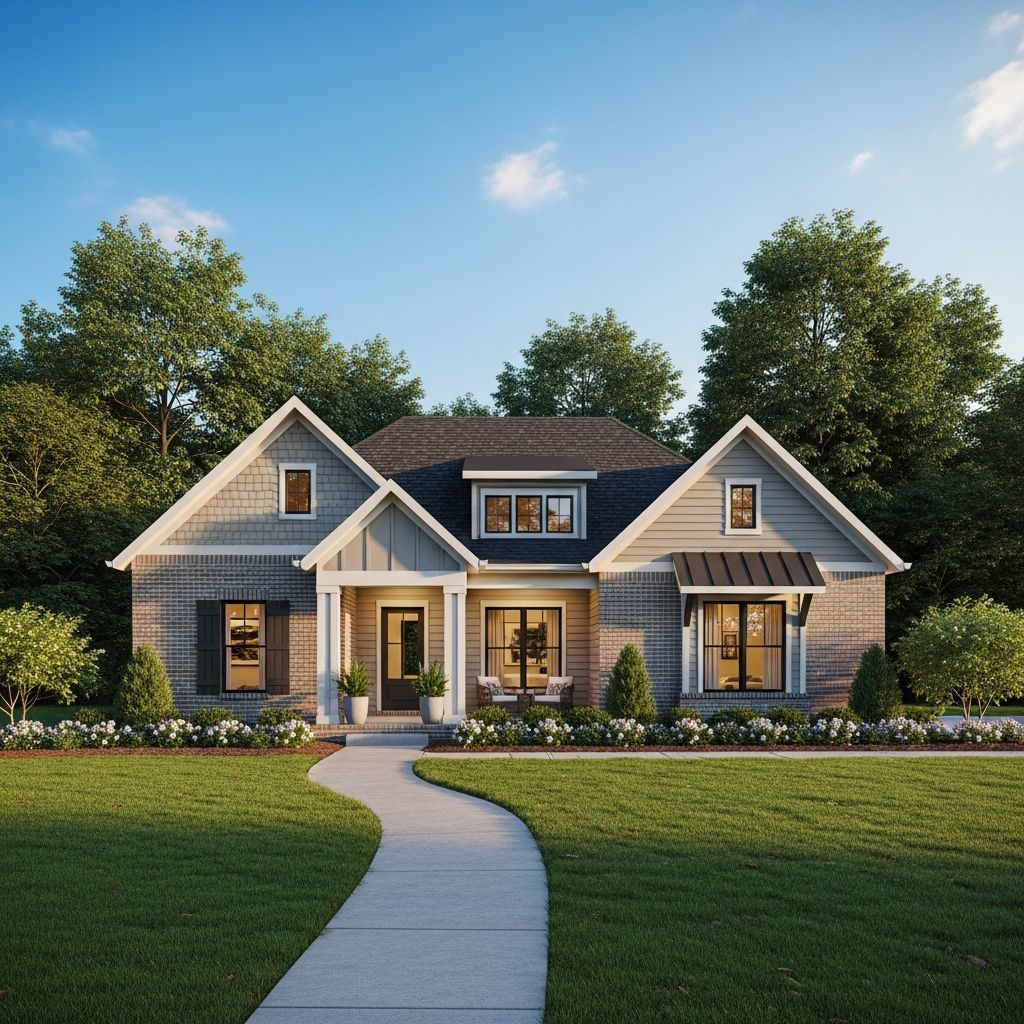
What Is A Single-Family Home?
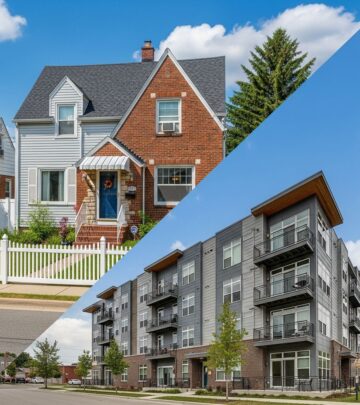
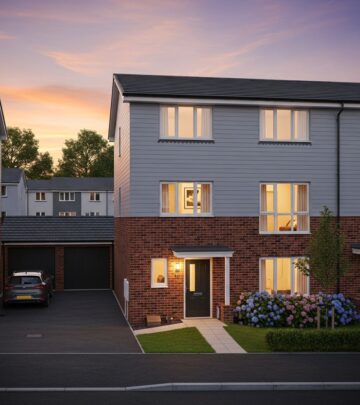
A single-family home is a standalone residential structure designed to be occupied by just one household or family unit. Unlike apartments, condominiums, or townhouses, a single-family home is an independent dwelling with its own land, kitchen, utilities, and entrance. These homes represent one of the most common types of residential properties in the United States, particularly in suburban and rural areas.
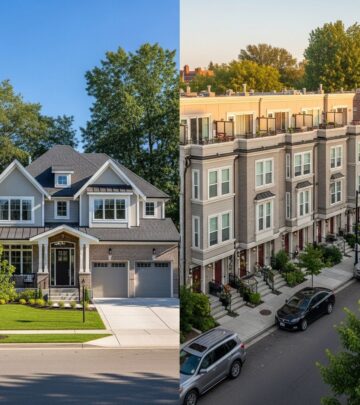
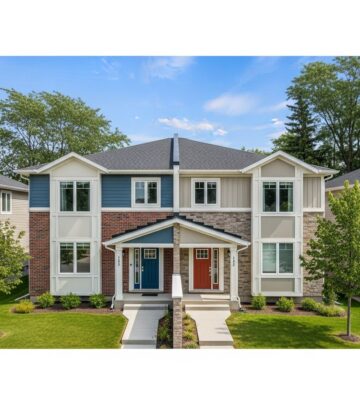
The U.S. Census Bureau provides a broader definition of single-family homes, noting that they may be ”fully detached, semi-detached, row houses and townhouses.” However, for a dwelling that is attached to other homes to be considered a single-family home, it ”must be separated from the adjacent unit by a ground-to-roof wall.” Additionally, units that are attached must not share heating or air-conditioning systems, utilities, or have other units located above or below.
Key Characteristics of Single-Family Homes
Single-family homes possess several distinguishing features that set them apart from other residential properties:
Standalone Structure
The most fundamental characteristic of a single-family home is that it is a freestanding structure designed for use by one household or owner. The home stands alone on its property and does not share walls, ceilings, or floors with neighboring residences. This detached nature is a defining feature that separates single-family homes from townhouses, condos, and apartments.
Own Parcel of Land
When you purchase a single-family home, you own the entire parcel of land that the house sits on, whether it is an acre or a zero-lot-line property. This includes ownership of the front, back, and side yards. The area around the building is exclusively for the private use of the owner, giving homeowners complete control over their outdoor space.
Private Entrance and Exit
Single-family homes have their own private and direct access to a street or thoroughfare, separate from any hallways, lobbies, or shared entranceways. This contrasts sharply with apartments and condominiums, which typically have hallways or entrances that lead directly to the street and are shared among residents.
Individual Kitchen and Utilities
Each single-family home has its own individual kitchen and separate utility connections. Single-family homes typically have only one full-size kitchen with a stove and oven. While guest or in-law suites may have kitchenettes, these are different from full kitchens and do not include cooking appliances. Utilities such as water, electricity, heating, and air-conditioning are not shared with other residences.
One Household Occupancy
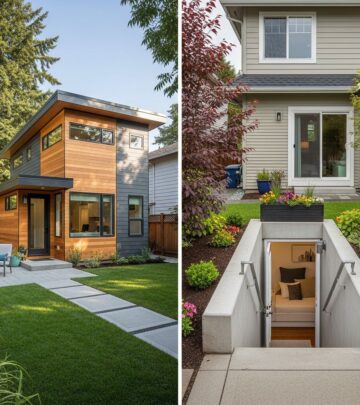
By definition, a single-family home is designed for occupation by just one household or family and consists of just one dwelling unit or suite. Some jurisdictions allow for basement suites or accessory dwelling units without changing the single-family designation, but the primary purpose remains housing one family.
Single-Family Homes vs. Multi-Family Homes
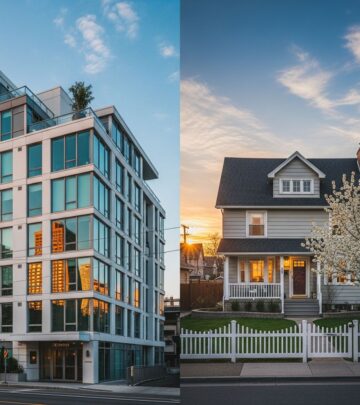
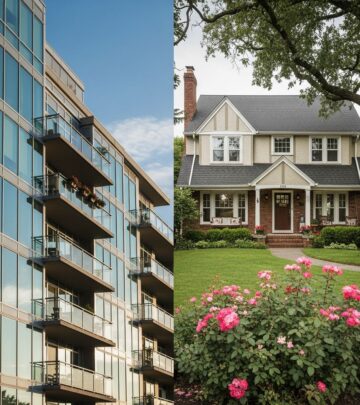
Understanding the difference between single-family homes and multi-family properties is essential for homebuyers and real estate investors. Multi-family homes are residential buildings designed to house more than one family or household unit, including duplexes, triplexes, townhomes, and apartment buildings.
| Feature | Single-Family Homes | Multi-Family Homes |
|---|---|---|
| Structure | Standalone, detached building | Shared walls and common areas |
| Land Ownership | Own entire parcel of land | Shared ownership or no land ownership |
| Kitchen | One full-size kitchen | Multiple kitchens (one per unit) |
| Utilities | Individual, non-shared utilities | Often shared utilities |
| Privacy | Maximum privacy, no shared walls | Limited privacy, shared walls |
| Maintenance | Owner responsible for all maintenance | Shared maintenance responsibilities |
| Space | Typically larger properties | Generally smaller units |
Advantages of Single-Family Homes
Single-family homes offer numerous benefits that make them an attractive choice for many homeowners:
Enhanced Privacy
With no shared walls or floors, single-family homes provide significantly more privacy than other types of residential buildings. Homeowners do not have to worry about hearing their neighbors’ activities or noise disturbances. The standalone nature of these properties creates a quieter, more peaceful living environment that many families value.
Greater Space
Single-family homes tend to be bigger than multi-family dwellings and typically offer more storage space. These homes usually feature basements, attics, and garages that can be used for storing golf clubs, family mementos, tools, seasonal clothing, and other belongings. Due to their smaller size, condominiums and townhomes have limited storage capacity in comparison.
Personalization Options
Single-family homes make it easier to personalize your home’s exterior and landscaping. Homeowners can add to or modify the structure more easily than those living in shared dwellings or condominiums. You have the freedom to paint your exterior, landscape your yard, add a deck or patio, or renovate rooms according to your preferences without needing approval from a homeowners association or other residents.
Land Ownership
Owning a single-family home means owning both the structure and the land on which the house sits, providing more control over property modifications and land use compared to shared housing units. This exclusive ownership gives homeowners the ability to make long-term improvements and build equity more substantially.
Autonomy and Independence
Single-family homeowners have complete autonomy over their property and living decisions. There are no shared homeowners association fees or community decisions to navigate, and homeowners have the freedom to make modifications as they see fit within local building codes and zoning regulations.
Disadvantages of Single-Family Homes
While single-family homes offer many advantages, they also come with certain drawbacks that prospective buyers should consider:
Higher Costs
Single-family homes typically cost more than multi-family residential properties due to their larger size and exclusive land ownership. Purchase prices, property taxes, insurance, and utilities tend to be higher for single-family homes compared to condominiums or apartments.
Maintenance Responsibilities
Homeowners are responsible for the upkeep of both the home and the land it occupies. This includes roof repairs, foundation maintenance, landscaping, exterior painting, and systems maintenance. Unlike apartment dwellers or condo owners who may have shared maintenance responsibilities, single-family homeowners bear the full cost and responsibility of all repairs and maintenance.
Property Management
Managing a single-family property requires more time and effort than renting or living in managed communities. Homeowners must handle yard work, snow removal, pest control, and other property management tasks independently or hire contractors to do so.
Less Community Amenities
Single-family homes typically do not include community amenities like swimming pools, fitness centers, or recreational facilities that are often found in multi-family properties. Homeowners must create or seek these amenities on their own.
Single-Family Home Investment Considerations
For real estate investors, single-family homes present distinct investment opportunities. These properties can serve as rental income sources or investments for capital appreciation. The advantages of ownership, combined with potential for property value growth, make single-family homes attractive to many investors. However, investors should carefully consider the maintenance responsibilities, vacancy risks, and local market conditions before investing.
Single-Family Homes in Today’s Market
Despite some shifts toward urban living and multi-family properties, single-family homes remain the most common type of residential property in many regions of the United States, particularly in suburban and rural areas. These homes continue to be the preferred housing type for families seeking privacy, space, and ownership equity. The flexibility, potential for appreciation, and lifestyle benefits often outweigh the drawbacks for many individuals and families considering homeownership.
Frequently Asked Questions
What is the legal definition of a single-family home?
A single-family home is legally defined as a structure maintained and used as a single dwelling unit, designed to be occupied by one household with its own land, kitchen, utilities, and entrance. The U.S. Census Bureau’s definition includes fully detached, semi-detached, row houses, and townhouses, provided they meet specific criteria regarding separation and utilities.
Can a townhouse be considered a single-family home?
Yes, despite being attached to other units, townhouses can be considered a type of single-family home. However, they must be separated from adjacent units by a ground-to-roof wall and must not share heating, air-conditioning systems, utilities, or have other units located above or below.
What is the main difference between a single-family home and a condo?
The primary difference is that single-family homes are standalone structures with no shared walls, while condos are part of a larger building with shared walls and common areas. Condo owners typically own the interior of their unit but not the land, whereas single-family homeowners own both the structure and the land it sits on.
Do single-family homes have homeowners association fees?
Most standalone single-family homes do not have homeowners association fees, as they are independent properties. However, some planned communities or neighborhoods may have HOA requirements. It is important to verify this before purchasing.
What are the typical storage options in single-family homes?
Single-family homes typically include basements, attics, garages, and outdoor sheds for storage. These spaces provide ample room for tools, seasonal items, family mementos, and other belongings that may not fit inside the main living areas.
Are single-family homes a good investment?
Single-family homes can be excellent investments for both personal use and rental income. They offer potential for capital appreciation, complete ownership control, and the ability to customize the property. However, investors must consider maintenance responsibilities, local market conditions, and vacancy risks.
References
- Single-Family House — Verdant Copeland. Accessed November 2025. https://verdant.copeland.com/glossary/single-family-house
- Single Family Home: Definition & Characteristics — KHOV. Accessed November 2025. https://www.khov.com/blog/what-is-a-single-family-home/
- What Is A Single-Family Home? — Bankrate. Accessed November 2025. https://www.bankrate.com/real-estate/what-is-a-single-family-home/
- What Is a Single-Family Home? — Realtor.com. Accessed November 2025. https://www.realtor.com/advice/buy/what-is-a-single-family-home/
- Single-family detached home — Wikipedia. Accessed November 2025. https://en.wikipedia.org/wiki/Single-family_detached-home
- Single-Family Homes: Definition & Investment Guide — Arabella Capital. Accessed November 2025. https://arabellacapital.com/what-is-a-single-family-home/
- What is a single-family home and is it right for you? — Rocket Mortgage. Accessed November 2025. https://www.rocketmortgage.com/learn/single-family-home
Similar Articles








Read full bio of medha deb