What Is a Silver IRA? Complete Guide to Investing
Learn how Silver IRAs offer tax-advantaged retirement investing with physical precious metals.
What Is a Silver IRA?
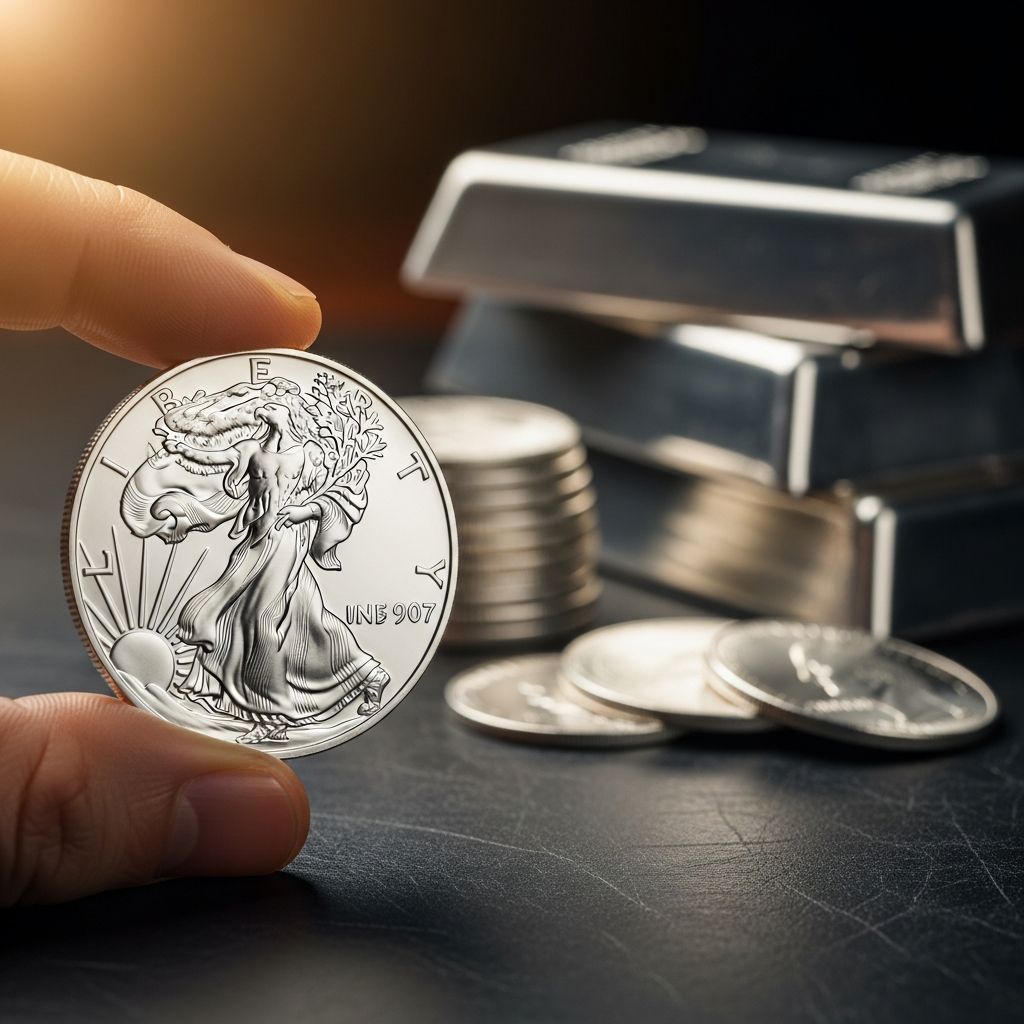
A Silver IRA, also known as a precious metals IRA, is a specialized type of individual retirement account that allows investors to include physical silver bullion and coins as part of their retirement portfolio. Unlike traditional IRAs that focus on stocks, bonds, and mutual funds, a Silver IRA gives you direct ownership of tangible silver assets stored in secure, IRS-approved depositories. This innovative investment vehicle combines the tax advantages of conventional retirement accounts with the stability and diversification benefits of physical precious metals.
A Silver IRA is fundamentally a self-directed retirement account, meaning you have greater control over your investment choices compared to standard IRAs. You can roll over funds from existing 401(k)s, 403(b)s, or traditional IRAs into physical silver without incurring tax penalties, making it an accessible option for investors seeking portfolio diversification. The appeal of Silver IRAs lies in silver’s dual nature as both a precious metal and a critical industrial commodity with permanent demand in manufacturing processes.
How Silver IRAs Work
Opening a Silver IRA involves several key steps and requirements. First, you must establish a self-directed IRA account with a qualified custodian who specializes in precious metals investments. The custodian acts as the intermediary between you and the IRS, ensuring your account remains in compliance with all regulations. Next, you select an IRS-approved depository to store your physical silver. This depository must be licensed and insured, guaranteeing the security of your precious metals investment.
Once your account and storage are arranged, you fund your Silver IRA through contributions or rollovers. Your contributions are then used to purchase IRS-approved silver bullion and coins. The physical silver is shipped directly to your designated depository, where it remains stored in secure vaults with full insurance coverage. You maintain ownership of the silver throughout your retirement, but you cannot take personal possession of it while it remains in the IRA without triggering tax consequences.
Types of Silver IRAs
There are two primary types of Silver IRAs available to investors, each with distinct tax implications:
Traditional Silver IRA
With a traditional Silver IRA, your contributions may be tax-deductible, depending on your income and filing status. Your account grows tax-deferred, meaning you won’t pay taxes on investment gains until you withdraw funds in retirement. This structure mirrors traditional IRAs, allowing your silver holdings to appreciate without annual tax liability. When you eventually take distributions, you’ll pay taxes on the withdrawals at your ordinary income tax rate.
Roth Silver IRA
A Roth Silver IRA operates differently, as you contribute after-tax dollars to the account. However, the significant advantage is that qualifying withdrawals in retirement are completely tax-free, and earnings grow tax-free throughout your holding period. Additionally, Roth accounts have no required minimum distributions during your lifetime, providing greater flexibility in managing your retirement funds.
To contribute the full amount to a Roth IRA in 2025, single filers must earn less than $150,000, while married couples filing jointly must earn less than $236,000. These income limits ensure Roth accounts remain accessible to a broad range of investors while providing enhanced tax benefits for eligible individuals.
IRS Approved Silver Standards
The IRS maintains strict requirements for silver eligible in retirement accounts to ensure investor protection and maintain tax-advantaged status. All silver must meet specific purity standards of .999 fine (99.9% pure) or higher. This high purity requirement distinguishes IRA-eligible silver from other silver products commonly available in the market.
Approved silver products for IRAs include:
- American Silver Eagles
- Canadian Silver Maple Leafs
- Austrian Silver Philharmonics
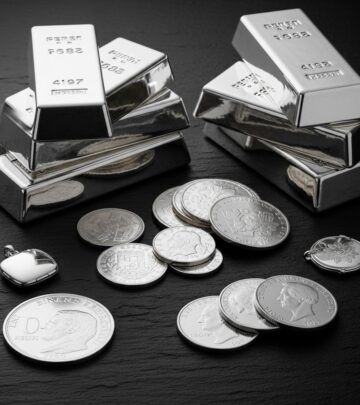
- Silver bars from approved manufacturers such as Johnson Matthey, PAMP Suisse, and the Royal Canadian Mint
Pre-1964 U.S. Silver coins and other numismatic or collectible silver coins do not meet IRA standards despite their silver content. The silver must be produced by recognized government mints or certified refiners to qualify for your retirement account.
Silver IRA Tax Benefits and Rules
Tax Advantages
Silver IRAs provide substantial tax advantages comparable to traditional retirement accounts:
- Tax-deferred growth on silver appreciation until withdrawal
- No taxes on rollovers from existing 401(k)s or IRAs
- Same contribution limits as traditional IRAs ($7,000 for 2024-2025, $8,000 if age 50 or older)
- Roth Silver IRA options available for tax-free distributions in retirement
- No capital gains taxes on silver price appreciation within the account
Contribution and Distribution Rules
Understanding the rules governing contributions and distributions is essential for maximizing your Silver IRA benefits. In 2025, individuals can contribute up to $7,000 annually to a Silver IRA, with an additional $1,000 catch-up contribution available for those age 50 and older. These limits align with standard IRA contribution caps set by the IRS.
Regarding distributions, you can begin withdrawing from your IRA without facing penalties once you reach age 59½. However, if you withdraw funds before this age, you’ll face a 10% early withdrawal penalty in addition to ordinary income taxes. Traditional Silver IRAs require minimum distributions beginning at age 73, calculated based on your account value and projected life expectancy. Roth Silver IRAs have no required minimum distributions during your lifetime, offering greater flexibility.
When taking distributions, you have two options: liquidate your silver and receive cash proceeds, or have the physical precious metals shipped to you. Distributions are taxed as ordinary income at your current tax rate, not as capital gains, since the IRS classifies silver as a collectible.
Silver IRA Eligibility Requirements
Opening a Silver IRA is accessible to most workers in the United States. To be eligible, you must have earned income during the year you make contributions. Both U.S. citizens and non-U.S. citizens who legally work in the country can open an IRA, provided they have either a valid Social Security number or an Individual Taxpayer Identification Number (ITIN).
For self-employed individuals and small business owners, SEP Silver IRAs offer an alternative structure. SEP IRAs allow contributions of up to 25% of compensation or $70,000 in 2025, whichever is less, with tax-deductible contributions and tax-deferred earnings. Employers make contributions to SEP IRAs directly without requiring employee contributions, making this option particularly attractive for business owners seeking to boost retirement savings.
Benefits of Investing in Silver IRAs
Portfolio Diversification
Silver IRAs provide meaningful portfolio diversification beyond traditional stocks and bonds. By holding physical silver, you gain exposure to an asset class with distinct price dynamics influenced by industrial demand, supply constraints, and precious metals market conditions.
Inflation Protection
Physical silver has historically served as an inflation hedge, maintaining purchasing power during periods of rising prices. Unlike paper currency, silver possesses intrinsic value backed by its use in industrial applications and its recognition as a store of wealth across cultures and time periods.
Tangible Asset Ownership
Holding silver, even when stored in a depository, represents genuine physical asset ownership. Unlike other retirement investments that depend on corporate solvency or market conditions, silver retains value through its practical applications in manufacturing, electronics, and jewelry production.
Considerations and Potential Drawbacks
While Silver IRAs offer distinct advantages, several factors merit consideration before investing. Silver IRAs generate no income through dividends or interest payments, distinguishing them from dividend-paying stocks or bond yields. Additionally, you’ll incur storage and custodian fees associated with maintaining your account and securing your precious metals in an approved depository.
Another important consideration involves prohibited transactions. You cannot borrow IRA silver or take loans against the value of your account, limiting access to your holdings during financial emergencies. Furthermore, you must maintain your silver in an IRS-approved depository rather than storing it personally at home or in a personal safe deposit box, as personal possession violates IRA regulations and jeopardizes your account’s tax-advantaged status.
Frequently Asked Questions
Q: Can I hold silver at home in my Silver IRA?
A: No, silver must be stored in an IRS-approved depository to maintain your account’s tax-advantaged status. Personal possession of IRA silver violates IRS regulations and triggers immediate tax consequences.
Q: What types of silver coins qualify for a Silver IRA?
A: Only coins meeting .999 purity standards and produced by government mints or certified refiners qualify, such as American Silver Eagles and Canadian Silver Maple Leafs. Numismatic or collectible coins do not meet IRA standards.
Q: How much can I contribute to a Silver IRA annually?
A: In 2025, you can contribute up to $7,000 annually, or $8,000 if you’re age 50 or older. These limits match standard IRA contribution caps.
Q: Can I roll over funds from my 401(k) into a Silver IRA?
A: Yes, you can roll over funds from 401(k)s, 403(b)s, or traditional IRAs into a Silver IRA without incurring tax penalties, provided the rollover follows proper procedures.
Q: What happens to my Silver IRA when I pass away?
A: Your beneficiaries inherit your Silver IRA holdings. With Roth accounts, they receive the inheritance tax-free, while traditional IRA beneficiaries will owe taxes on distributions.
Q: Are there income limits for Silver IRAs?
A: Traditional Silver IRAs have no income limits. However, Roth Silver IRAs impose income restrictions: in 2025, single filers must earn under $150,000 and married couples must earn under $236,000 to contribute the full amount.
Q: What are the tax implications of Silver IRA distributions?
A: Distributions are taxed as ordinary income at your current tax rate, not as capital gains. You can begin penalty-free withdrawals at age 59½, and required minimum distributions begin at age 73 for traditional accounts.
Getting Started with a Silver IRA
Beginning your Silver IRA investment journey requires careful planning and professional guidance. First, consult with a tax professional to understand how a Silver IRA fits your overall retirement strategy and tax situation. Next, select a qualified custodian specializing in precious metals IRAs, ensuring they maintain strong compliance records and customer service standards.
Open your self-directed IRA account and designate an IRS-approved depository for your silver storage. Fund your account through contributions or rollovers from existing retirement accounts. Finally, work with your custodian to purchase IRS-approved silver bullion and coins, which will be shipped to your depository for secure storage.
References
- Complete Guide to Silver IRA Investing & Rollovers — National Gold Group. 2025. https://www.nationalgoldgroup.com/complete-silver-ira-guide
- Silver IRA: What It Is, How It Works, & Best Companies — CEP-DC.org. 2025. https://www.cep-dc.org/silver-ira/
- What Is a Silver IRA? — Money. 2025. https://money.com/what-is-a-silver-ira/
- IRA Approved Silver – What You Need to Know — OWNx. 2025. https://ownx.com/blog/ira-approved-silver-what-you-need-to-know/
- What Is a Silver IRA? How Do They Work? — SoFi. 2025. https://www.sofi.com/learn/content/what-is-a-silver-ira/
- What a Precious Metals IRA Is and How it Works — Clute Journals. 2025. https://clutejournals.com/article/what-is-a-precious-metals-ira/
Similar Articles








Read full bio of medha deb