What is Shale Oil and How is it Produced?
Understanding shale oil extraction: Methods, processes, and production techniques explained.
What is Shale Oil?
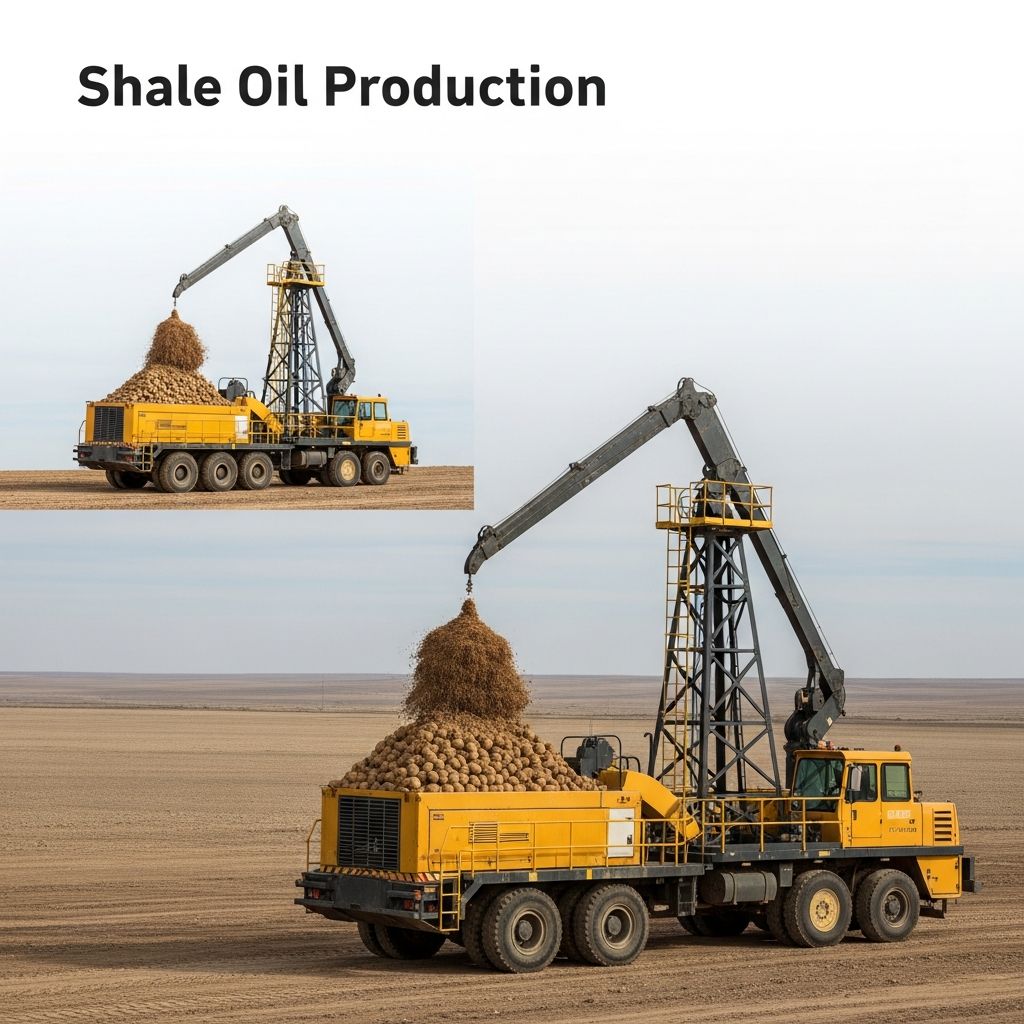
Shale oil is a type of unconventional liquid hydrocarbon extracted from sedimentary rock formations known as oil shale. Unlike conventional crude oil found in underground reservoirs in liquid form, shale oil exists within the rock matrix as a solid organic compound called kerogen. This fundamental difference makes the extraction process considerably more complex and technologically demanding. Oil shale deposits contain rich concentrations of kerogen, an organic material that, when subjected to heat or pressure, transforms into a petroleum-like liquid suitable for fuel production and various industrial applications.
The significance of shale oil reserves cannot be overstated in the global energy landscape. Shale oil deposits are found in numerous locations worldwide, with particularly substantial reserves in the United States, Canada, Brazil, and several other nations. These deposits represent a vast potential energy source that can supplement conventional oil supplies, making them increasingly important as global energy demand continues to rise and easily accessible conventional oil reserves diminish.
Key Differences Between Shale Oil and Conventional Oil
Understanding the distinctions between shale oil and conventional crude oil is essential for comprehending why extraction methods differ so dramatically. Conventional crude oil accumulates in underground reservoirs where it exists in liquid form, allowing it to flow relatively easily when pressure is applied through traditional drilling techniques. In contrast, shale oil remains locked within the rock matrix as a solid kerogen component, necessitating unconventional extraction methods to release and convert it into usable petroleum.
The extraction of conventional crude oil typically involves drilling vertical wells into established reservoirs and pumping the liquid crude to the surface. This process is generally less expensive and has been perfected over more than a century of industrial oil production. Shale oil extraction, however, requires either mining the shale rock and processing it in surface facilities or using advanced in-situ techniques to heat and extract the oil underground. These differences translate into significantly higher production costs and more complex operational requirements for shale oil compared to conventional petroleum extraction.
Shale Oil Extraction Methods
The extraction of shale oil employs several distinct methodologies, each with specific advantages, limitations, and applications. These methods can be broadly categorized into two main approaches: ex-situ processing, which occurs above ground, and in-situ processing, which takes place underground.
Ex-Situ Processing (Surface Extraction)
Ex-situ processing involves mining oil shale rock from the ground and transporting it to surface processing facilities. This traditional approach has been used for many decades and remains widely employed in various shale oil production operations worldwide. The mined shale rock is then subjected to thermal treatment in specialized equipment called retorts, where heat is applied to decompose the kerogen into shale oil vapors and combustible gases.
The ex-situ method requires significant infrastructure investment, including mining operations, transportation systems, and processing facilities. However, it provides operators with greater control over the extraction process and allows for more efficient management of byproducts and waste materials. Surface processing also enables the application of various advanced technologies and refinement techniques to optimize oil yield and quality.
In-Situ Processing (Underground Extraction)
In-situ processing represents a more modern approach where heat is applied directly to oil shale deposits underground, and the resulting oil is extracted through wells. This method eliminates the need for mining and transporting large quantities of rock, significantly reducing surface disturbance and operational complexity. The underground heating causes kerogen to decompose into liquid and gaseous hydrocarbons, which are then collected through production wells.
In-situ processing typically requires several months of continuous heating to achieve effective kerogen conversion. Advanced technologies such as horizontal drilling combined with careful temperature management enable operators to maximize oil recovery while minimizing environmental impact. This approach has gained considerable attention in recent years due to its potential for reduced water consumption and lower surface environmental footprint compared to ex-situ mining operations.
Thermal Processing Techniques
The conversion of kerogen into shale oil relies on thermal and chemical processes that decompose the organic material and release its liquid hydrocarbon components. Multiple processing techniques have been developed and refined over decades of research and industrial application.
Pyrolysis (Retorting)
Pyrolysis, also known as retorting or destructive distillation, represents the oldest and most widely used shale oil extraction method. This process involves heating oil shale in the absence of oxygen, which causes kerogen to decompose into condensable oil vapors and non-condensable combustible gases. The optimal temperature range for maximum oil production typically falls between 480 and 520 degrees Celsius (900 to 970 degrees Fahrenheit).
In the pyrolysis process, oil vapors and shale gas are collected and then cooled, causing the shale oil to condense and separate from the gaseous components. The non-condensable gas produced during pyrolysis is often recycled within the retort system to provide heat for continued processing, improving overall energy efficiency. Higher retorting temperatures generally increase the ratio of shale gas to liquid oil produced, allowing operators to optimize the process based on market demands for specific products.
Various pyrolysis technologies have been developed, including the Union A process, Superior Direct process, Galoter process, Enefit process, Alberta Taciuk Process (ATP), and TOSCO II process. Each technology employs different mechanical configurations and heat transfer mechanisms to achieve kerogen decomposition. The Alberta Taciuk Process, for instance, uses a single rotating multi-chamber horizontal vessel that combines all processing steps in one integrated system, while the TOSCO II process utilizes ceramic balls as heat transfer media.
Hydrogenation
Hydrogenation is a chemical extraction process that converts kerogen into shale oil through the addition of hydrogen under elevated temperatures and pressures. This reactive fluid process employs hydrogen donors or solvents to extract and transform the organic compounds within oil shale. Hydrogenation can produce shale oil with different chemical properties compared to pyrolysis-derived oil, potentially allowing for enhanced fuel specifications and improved refinery compatibility.
Thermal Dissolution
Thermal dissolution represents another reactive extraction approach that applies solvents at elevated temperatures and pressures to dissolve kerogen and crack organic compounds into smaller, more valuable hydrocarbon molecules. This process increases oil output by chemically breaking down the complex organic matter within the shale rock, converting larger molecules into lighter fractions suitable for various fuel applications. The combination of thermal energy and chemical solvents enables more efficient extraction compared to heat-only processes.
Hydraulic Fracturing and Horizontal Drilling
In addition to thermal extraction methods, shale oil production often incorporates advanced drilling technologies that maximize the contact between wellbores and productive shale formations. Hydraulic fracturing, commonly referred to as fracking, has revolutionized unconventional oil and gas extraction.
Hydraulic Fracturing Process
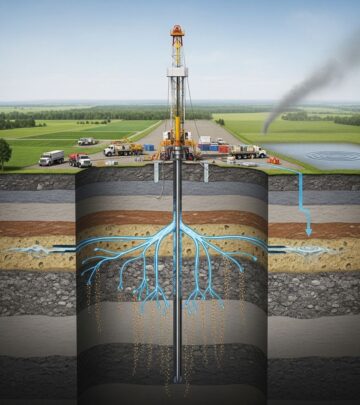
Hydraulic fracturing involves pumping a high-pressure mixture of water, sand (or other propping agents), and chemicals into oil shale wellbores to create fractures in the rock formation. These artificially induced fractures significantly increase the surface area exposed to the wellbore, enabling more efficient oil extraction. The sand particles, known as proppants, remain in the fractures after pressure is released, propping them open and allowing hydrocarbons to flow into the wellbore for collection.
The fracturing process begins in a horizontal wellbore and can extend fractures several hundred meters through the shale formation. This extensive fracture network dramatically increases the volume of kerogen exposed to the extraction process, whether that process involves in-situ heating or other stimulation techniques. The proppants maintain fracture conductivity, ensuring continued hydrocarbon flow throughout the production life of the well.
Horizontal Drilling Advantages
Horizontal drilling technology allows wellbores to penetrate laterally through shale formations that may be 90 meters or more in thickness. Traditional vertical drilling would only access a small portion of such thick formations, whereas horizontal drilling maximizes contact with the productive shale layer. This dramatic increase in wellbore exposure results in significantly higher oil recovery rates and improved overall extraction efficiency.
The combination of horizontal drilling with hydraulic fracturing creates an extensive network of fractures throughout the shale formation, enabling the extraction of oil that would otherwise remain inaccessible. This technological advancement has made shale oil production economically viable in many regions where conventional oil extraction would be impractical or impossible.
Shale Oil Production Stages
The process of bringing a shale oil well from initial drilling through full commercial production involves several distinct operational phases, each with specific objectives and requirements.
Drilling Phase
The initial drilling phase involves puncturing the ground and establishing the wellbore that will serve as the conduit for oil extraction. This phase includes geological assessment, well design, and the actual drilling operations that establish the structural foundation for subsequent production activities.
Completion Phase
During the completion phase, hydraulic fracturing is performed, and production infrastructure is installed. Well casings are placed to seal the wellbore and create structural integrity, isolating it from surrounding formations. These casings prevent contamination and ensure the pressure containment necessary for safe and efficient operations.
Infrastructure Installation
This critical stage involves installing all production equipment required for the well to flow effectively. Equipment includes separators that divide liquid oil from gaseous hydrocarbons and water, collection tanks for storing produced fluids, and interconnecting piping systems that integrate the well into the broader production facility infrastructure. Proper infrastructure design and installation ensure efficient fluid handling and optimized production rates.
Flowback Phase
Following drilling and fracturing, the flowback phase commences, typically lasting 30 to 120 days. During this initial production stage, the well is opened and early volatile production begins. This phase produces a complex fluid mixture containing water, natural gas, crude oil, and sand, which must be carefully separated and processed. Flowback fluids require specialized treatment and handling due to their variable composition and potential environmental considerations.
Commercial Production Phase
Once flowback operations are complete and initial transient production ends, the well enters the commercial production phase. At this stage, the well normalizes, and consistent, sustained production can be maintained as long as adequate downhole pressure is preserved. Regular monitoring and maintenance ensure optimal production rates and well longevity throughout the commercial production life.
Well Completion and Casing Systems
Well casings represent a critical component of shale oil production infrastructure, serving multiple essential functions. These cylindrical steel pipes are installed in the wellbore to create seals against surrounding rock formations, preventing fluid migration between different geological layers. The casing system stabilizes the wellbore structure, maintaining its integrity throughout the production life of the well. Proper casing design and installation are fundamental to safe, efficient, and environmentally responsible shale oil production operations.
Refining and Product Specifications
Extracted shale oil undergoes multiple refining processes to meet specific fuel standards and commercial specifications. Pyrolysis, hydrotreating, hydrocracking, and delayed coking are among the primary refining techniques employed to transform raw shale oil into marketable products. These processes remove impurities including sulfur and nitrogen compounds, upgrade the oil to desired viscosity and boiling point specifications, and produce various petroleum products including gasoline, diesel, jet fuel, kerosene, and heating oil. The concentration of high-boiling point compounds in shale oil makes it particularly suitable for producing middle distillates such as diesel and jet fuel through appropriate refining processes.
Environmental and Economic Considerations
While shale oil production offers significant reserves and energy security benefits, it involves important environmental and economic trade-offs. The hydraulic fracturing process requires substantial water consumption, and concerns regarding potential groundwater contamination persist despite industry safeguards. Shale oil extraction is generally more expensive than conventional oil drilling, making production economically sensitive to crude oil prices. Production costs, combined with environmental regulatory requirements and societal concerns about induced seismic activity and greenhouse gas emissions, influence the competitiveness and development pace of shale oil resources globally.
Frequently Asked Questions
Q: What is the primary difference between shale oil and conventional crude oil?
A: Conventional crude oil exists as a liquid in underground reservoirs and can be extracted through traditional drilling. Shale oil exists as solid kerogen within rock matrices and requires unconventional extraction methods such as thermal processing or hydraulic fracturing to be converted into usable liquid hydrocarbons.
Q: Why is shale oil extraction more expensive than conventional oil production?
A: Shale oil extraction is more expensive because it requires advanced technologies, significant infrastructure investment, intensive energy input for thermal processing, and complex refining operations. The unconventional nature of the resource demands more sophisticated engineering solutions compared to conventional oil extraction.
Q: What environmental concerns are associated with shale oil production?
A: Primary environmental concerns include potential groundwater contamination from hydraulic fracturing fluids, induced seismic activity in surrounding areas, significant water consumption, and higher greenhouse gas emissions compared to conventional oil drilling.
Q: How long does the flowback phase typically last?
A: The flowback phase generally lasts between 30 and 120 days, during which early volatile production occurs and complex fluid mixtures of water, natural gas, crude oil, and sand are produced and separated.
Q: What is the optimal temperature range for pyrolysis extraction?
A: The optimal temperature range for maximum oil production through pyrolysis is between 480 and 520 degrees Celsius (900 to 970 degrees Fahrenheit), though in-situ processes may operate at temperatures as low as 250 degrees Celsius.
Q: How does horizontal drilling improve shale oil extraction?
A: Horizontal drilling allows wellbores to penetrate laterally through thick shale formations, maximizing contact with productive rock layers up to 90 meters thick. This dramatically increases oil exposure and recovery compared to traditional vertical drilling.
References
- The Production Process Involved with Shale Oil and Gas — Forged Components. 2024. https://forgedcomponents.com/types-processing-equipment-shale-oil-gas/
- Shale oil extraction — Wikimedia Foundation. 2024. https://en.wikipedia.org/wiki/Shale_oil_extraction
- What is that Wednesday – Shale Oil — Mansfield Energy. 2024-01-24. https://mansfield.energy/2024/01/24/what-is-that-wednesday-shale-oil/
- Shale oil — EBSCO Research Starters. 2024. https://www.ebsco.com/research-starters/geology/shale-oil
- Shale Oil Definition, Extraction & Facts — Study.com. 2024. https://study.com/academy/lesson/shale-oil-overview-extraction-uses.html
- U.S. Energy Information Administration: Shale Oil and Shale Gas — U.S. Department of Energy. 2024. https://www.eia.gov/energyexplained/index.php?page=shale_oil_and_shale_gas
Similar Articles








Read full bio of Sneha Tete