What Is a Second Mortgage: Types, Pros & Cons
Complete guide to second mortgages: understand how they work, compare types, and discover if it's right for you.

What Is a Second Mortgage?
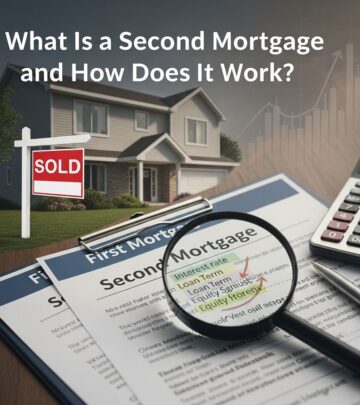
A second mortgage is an additional loan you take out on a home you currently own while your original mortgage is still being repaid. Unlike a first mortgage, which is the initial loan used to purchase your home, a second mortgage uses your home as collateral and is secured by the equity you’ve built in your property. This type of loan is called a “second” mortgage because it comes in second lien position behind your existing mortgage. If you default on your payments, the first mortgage lender has priority in reclaiming the home through foreclosure.
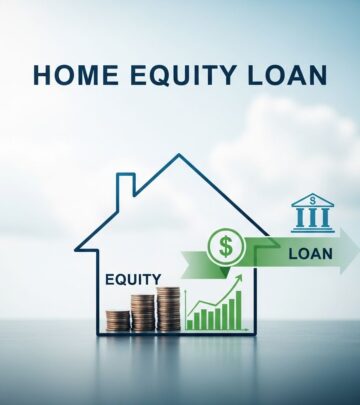
Home equity represents the difference between your home’s current market value and the amount you still owe on your mortgage. For example, if your home is worth $600,000 and you have a remaining balance of $200,000 on your first mortgage, you have $400,000 in equity. A second mortgage allows you to borrow against this equity without having to refinance your original loan, meaning your first mortgage remains intact with its current terms and interest rate.
How Does a Second Mortgage Work?
When you obtain a second mortgage, you’re essentially creating a second lien against your property. The lender takes a security interest in your home, giving them the legal right to foreclose if you fail to make payments. However, because the second mortgage lender is in a subordinate position to the first mortgage lender, they bear more risk. This risk difference typically translates into higher interest rates for second mortgages compared to primary mortgages.
The qualification process for second mortgages varies by lender, but most prefer borrowers to have at least 15 to 20 percent equity in their homes. Generally, you can typically borrow up to 85 percent of your home’s value minus what you currently owe on your first mortgage. Using a concrete example: if your home is valued at $300,000 and you have $200,000 remaining on your first mortgage, you might be able to borrow as much as $55,000 through a second mortgage, calculated as ($300,000 × 0.85) – $200,000.
Types of Second Mortgages
There are two primary types of second mortgages, each offering distinct advantages depending on your financial needs and circumstances:
Home Equity Loans (HELOANs)
A home equity loan provides you with a lump sum payment upfront, typically disbursed as a “closed-end” loan. You receive the entire borrowed amount at once and must repay it over a fixed term, usually ranging from 5 to 30 years, with fixed monthly payments and a fixed interest rate. This structured approach makes it easy to budget, as your payment amount remains constant throughout the loan term.
Home equity loans work well for borrowers who know exactly how much money they need for a specific purpose, such as funding a major home renovation, paying for a child’s education, or making a down payment on a second property. The fixed interest rate protects you from interest rate fluctuations, ensuring predictable payments regardless of market conditions.
Home Equity Lines of Credit (HELOCs)
A HELOC functions as a revolving line of credit, similar to a credit card, where you can withdraw funds as needed up to an approved credit limit and pay interest only on the amount you’ve borrowed. This “open-end” structure provides flexibility, allowing you to draw money, repay it, and borrow again without reapplying for a new loan. HELOCs typically feature variable interest rates that fluctuate based on market conditions and the lender’s prime rate.
HELOCs are ideal for borrowers who anticipate ongoing or uncertain expenses and prefer the flexibility of incremental draws rather than receiving a large lump sum upfront. Many HELOCs feature an initial “draw period” (typically 5-10 years) during which you can access funds and make interest-only payments, followed by a “repayment period” when you must repay the remaining balance with both principal and interest.
Second Mortgage Interest Rates and Terms
Second mortgage interest rates are consistently higher than primary mortgage rates, typically ranging from 1 to 3 percentage points above first mortgage rates, depending on market conditions and your creditworthiness. This premium exists because second mortgage lenders carry greater risk—they’re last in line if the home is foreclosed upon.
Home equity loans offer fixed interest rates, providing rate stability and predictable monthly payments. HELOCs typically start with lower interest rates than home equity loans but carry variable rates that can increase over time, making them riskier in a rising rate environment. Despite higher rates than first mortgages, second mortgages often feature lower interest rates than personal loans or credit cards, making them an attractive borrowing option for many homeowners.
Common Uses for Second Mortgages
Homeowners utilize second mortgages for various financial purposes:
Home Improvements and Renovations: One of the most common uses involves funding kitchen remodels, bathroom updates, roof replacements, or other significant home improvements that increase property value and enhance your living space.
Debt Consolidation: Second mortgages can consolidate high-interest credit card debt or other unsecured debts into a single, lower-interest payment, potentially saving thousands in interest charges.
Education Expenses: Many parents use second mortgages to fund college tuition and related education costs for their children.
Investment Opportunities: Some homeowners borrow against home equity to fund investment properties or business ventures.
Major Life Events: Second mortgages can cover significant expenses like medical procedures, vehicle purchases, or helping family members in financial need.
Advantages of Second Mortgages
Second mortgages offer several compelling benefits for qualified homeowners. First, they provide access to substantial funds at competitive interest rates compared to unsecured loans like credit cards or personal loans. The interest rates on second mortgages are typically much lower than credit card rates, which often exceed 15 to 20 percent.
Second, obtaining a second mortgage doesn’t require refinancing your primary mortgage, allowing you to maintain your existing loan terms, interest rate, and repayment schedule. This is particularly advantageous if you have a favorable first mortgage rate and want to avoid the refinancing process.
Third, second mortgages may be easier to qualify for than other types of loans because your home serves as collateral, reducing the lender’s risk. This collateral requirement often results in more favorable terms and faster approval times compared to unsecured lending products.
Additionally, depending on your tax situation and local regulations, the interest paid on second mortgages may be tax-deductible if the funds are used to substantially improve your home, providing potential tax benefits.
Disadvantages and Risks of Second Mortgages
Despite their advantages, second mortgages carry significant risks that require careful consideration. The most critical risk is the possibility of losing your home through foreclosure if you fail to make payments on the second mortgage. Unlike personal loans, where default results in damaged credit and potential wage garnishment, defaulting on a second mortgage can result in your home being seized and sold at auction.
Taking on a second mortgage also increases your total monthly debt obligations, potentially straining your budget and reducing your financial flexibility. If your financial situation deteriorates or you experience income loss, managing two mortgage payments becomes challenging.
For HELOCs specifically, variable interest rates pose a risk—if rates increase significantly, your monthly payments could increase substantially, potentially by hundreds of dollars monthly. Additionally, some HELOCs include a “balloon payment” at the end of the draw period, requiring a large lump-sum payment that many borrowers are unprepared to make.
Another consideration is that borrowing against your home equity reduces the financial cushion you’ve built in your property, leaving you more vulnerable if the housing market declines or personal circumstances change.
Second Mortgage vs. Refinancing: Key Differences
While both options provide access to cash, second mortgages and cash-out refinancing work fundamentally differently. A mortgage refinance involves replacing your existing first mortgage with a new loan, often for a larger amount, and receiving the difference in cash—a “cash-out refinance.” With refinancing, you make only one mortgage payment monthly because the new loan replaces your original mortgage entirely.
With a second mortgage, your original first mortgage remains completely intact and unchanged. You maintain the existing monthly payment on your first mortgage and add a second monthly payment to your second lender. Over time, you’ll be making two separate mortgage payments with potentially different interest rates, terms, and payment schedules.
The choice between these options depends on several factors: your current mortgage rate, how long you plan to stay in your home, current market rates, and your financial needs. If you have an excellent first mortgage rate, a second mortgage preserves that rate. If current rates are significantly lower than your existing rate, refinancing might provide better long-term savings despite the refinancing costs.
Qualification Requirements for Second Mortgages
To qualify for a second mortgage, lenders typically evaluate several key factors. You’ll need sufficient home equity—most lenders require at least 15 to 20 percent equity in your home. Your credit score matters significantly; while second mortgage requirements are sometimes less stringent than first mortgage requirements, most lenders prefer credit scores of 650 or higher. A higher credit score typically qualifies you for better interest rates.
Lenders also assess your debt-to-income ratio, which compares your total monthly debt obligations to your gross monthly income. Generally, lenders prefer this ratio to be below 43 to 50 percent. Your employment history, income stability, and overall financial profile are evaluated to determine your ability to manage additional monthly payments.
Documentation requirements typically include recent pay stubs, tax returns, bank statements, and a property appraisal to determine your home’s current value and confirm your equity position.
How Second Mortgages Compare to Other Borrowing Options
| Borrowing Option | Interest Rate Range | Collateral Required | Approval Time | Flexibility |
|---|---|---|---|---|
| Second Mortgage | 6-12% | Home Equity | 2-4 weeks | Moderate |
| HELOC | 6-11% | Home Equity | 2-4 weeks | High |
| Personal Loan | 10-36% | None | 1-3 days | High |
| Credit Card | 15-25% | None | Instant | Very High |
| Cash-Out Refinance | 5-9% | Home Equity | 3-6 weeks | Low |
Alternatives to Second Mortgages
Several alternatives exist for accessing funds without taking a second mortgage. Personal loans offer faster approval and no collateral requirements but typically carry higher interest rates. Cash-out refinancing replaces your existing mortgage but may result in a higher interest rate if current rates have risen above your existing rate.
Home equity lines of credit (HELOCs) function as revolving credit but with variable rates that can increase over time. Credit cards provide instant access to funds but feature the highest interest rates among all options. Some homeowners also consider borrowing from retirement accounts, though this approach carries significant tax implications and risks.
Frequently Asked Questions About Second Mortgages
Q: What happens if I default on a second mortgage?
A: Defaulting on a second mortgage can result in foreclosure, where the lender can force the sale of your home to recover the loan amount. Your second mortgage lender stands behind the first mortgage lender in the foreclosure process.
Q: Can I have multiple second mortgages?
A: Yes, some homeowners hold multiple second mortgages, though each additional lien further increases lender risk and typically results in higher interest rates and stricter qualification requirements for each additional mortgage.
Q: How much can I borrow with a second mortgage?
A: You can typically borrow up to 85 percent of your home’s value minus what you owe on your first mortgage. Most lenders require minimum equity of 15-20 percent to qualify.
Q: Are second mortgage interest payments tax-deductible?
A: Potentially yes, if the funds are used to substantially improve your home. Consult a tax professional to determine your specific situation, as tax laws vary based on how proceeds are used.
Q: How long does it take to get approved for a second mortgage?
A: Second mortgage approval typically takes 2 to 4 weeks, depending on the lender and the completeness of your application. This is longer than personal loans but similar to first mortgage timelines.
Q: What’s the difference between a HELOAN and HELOC?
A: A home equity loan (HELOAN) provides a lump sum with fixed payments over a set term. A HELOC is a revolving line of credit allowing flexible draws with variable rates, functioning more like a credit card.
Is a Second Mortgage Right for You?
Determining whether a second mortgage aligns with your financial goals requires careful consideration of your situation. A second mortgage makes sense if you have significant home equity, stable income to manage additional monthly payments, and a specific financial need that can be addressed more affordably through home equity borrowing than alternative methods.
Conversely, avoid second mortgages if you have uncertain income, already struggle with monthly bills, or risk being unable to manage additional debt obligations. The risk of losing your home makes second mortgages inappropriate for discretionary spending or speculative investments.
Before committing to a second mortgage, compare offers from multiple lenders, understand all terms and conditions, and consider consulting with a financial advisor to ensure this borrowing option aligns with your overall financial strategy and long-term goals.
References
- What is a Second Mortgage and How Does It Work? — SoFi Learning. 2025. https://www.sofi.com/learn/content/what-is-a-second-mortgage/
- What Is A Second Mortgage And How Does It Work? — Bankrate. 2025. https://www.bankrate.com/home-equity/what-is-a-second-mortgage/
- Second Mortgages Explained — Chase Bank. 2025. https://www.chase.com/personal/mortgage/education/financing-a-home/second-mortgage
- Second Mortgages: What Are They and How Do They Work? — PennyMac Learning Center. 2025. https://www.pennymac.com/blog/second-mortgages-what-are-they-how-they-work
- What is A Second Mortgage & How Does It Work? — PNC Insights. 2025. https://www.pnc.com/insights/personal-finance/borrow/what-is-a-second-mortgage.html
- Second Mortgage: What You Need to Know — Rocket Mortgage Learning Center. 2025. https://www.rocketmortgage.com/learn/second-mortgage
- What’s the Difference Between Second Mortgage Types? — Regions Bank. 2025. https://www.regions.com/insights/personal/article/difference-between-second-mortgage-types
Similar Articles








Read full bio of Sneha Tete