What Is a Retail Bank: Definition & Services
Understand retail banking: services, benefits, and how banks serve individual customers.
What Is a Retail Bank?
Retail banking, also known as personal banking or consumer banking, represents the division of a bank that serves individual customers rather than large corporations or institutional clients. Retail banking is a form of commercial banking wherein services are provided to retail (individual) customers for non-entrepreneurial purposes. These financial institutions play a vital role in the economy by providing everyday people with access to essential banking services, credit facilities, and secure deposit options.
The primary purpose of retail banking is to help individuals and families manage their personal finances effectively. This includes allowing customers to deposit their money securely, access credit when needed, and build wealth through various savings and investment products. Unlike corporate or investment banking, which caters to large businesses and institutional investors, retail banking focuses exclusively on the financial needs of ordinary consumers.
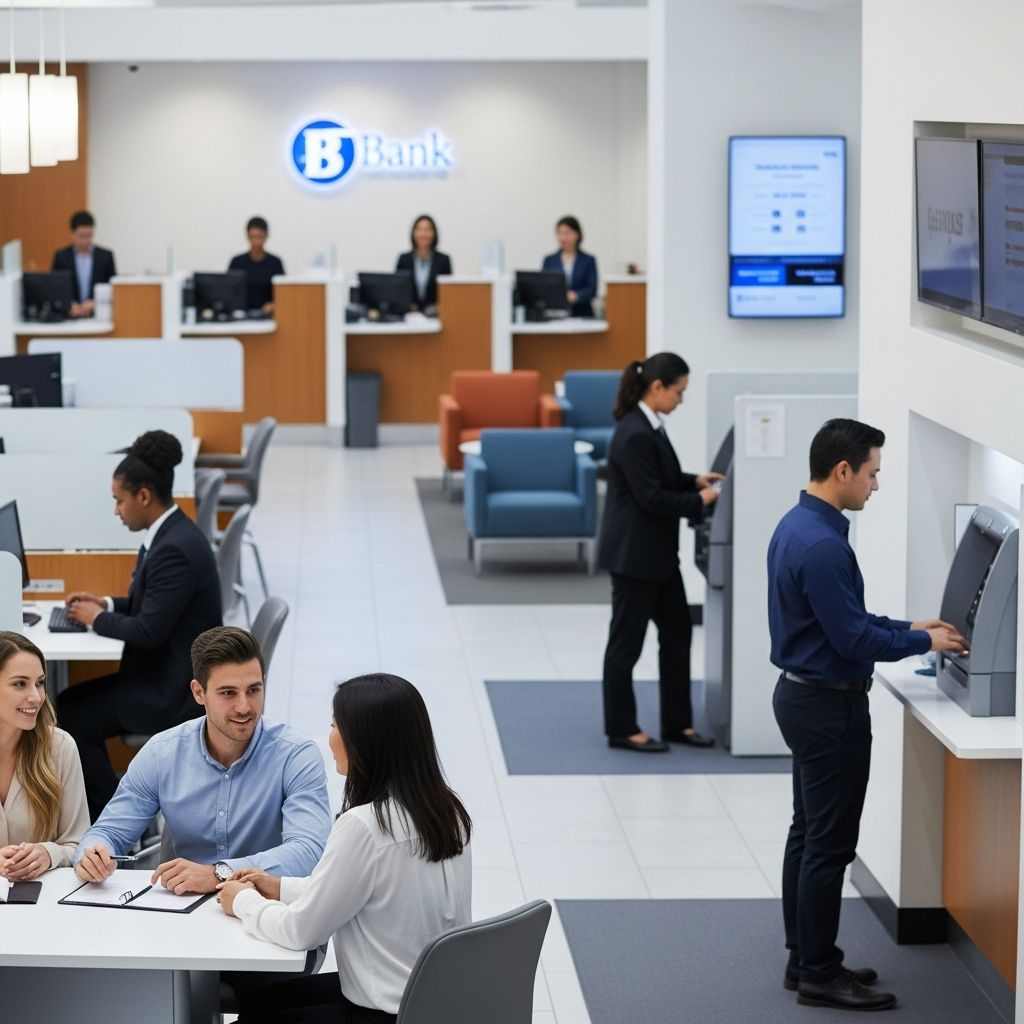
Retail banks maintain a visible presence in communities through physical branch networks, automated teller machines (ATMs), and increasingly through digital platforms. Retail banks offer widespread access through extensive branch networks and digital platforms, ensuring banking services are available to a broad demographic. This accessibility ensures that banking services reach the general public across different geographic locations and demographic groups.
Key Characteristics of Retail Banking
Retail banking exhibits several defining characteristics that distinguish it from other forms of banking and financial services:
Multiple Products and Services
In retail banking, commercial banks offer products like deposits, credit/debit cards, insurance, investments, and securities to the customers. These diverse offerings allow customers to access a comprehensive suite of financial solutions from a single institution. From basic checking accounts to sophisticated investment products, retail banks strive to meet the varied needs of their customer base.
Multiple Distribution Channels
Modern retail banking transcends traditional physical branch locations. With the emergence of technology, a range of channels of distribution has come into being like 24/7 customer care, kiosk, bank branch, internet/mobile banking, etc. Customers can now access their accounts and conduct transactions through various touchpoints, providing unprecedented convenience and flexibility. This omnichannel approach ensures that banking services are available whenever and wherever customers need them.
Customer-Centric Approach
Retail banking operations are fundamentally designed with customers at the center of all decision-making. Services are designed with a customer-centric approach, providing tailored financial solutions that help manage personal and household finances. Banks invest heavily in understanding customer needs and preferences to deliver personalized experiences and solutions.
Technology Integration
Continuous adoption of technology such as online banking, mobile apps, and automated teller machines (ATMs) improve service delivery and customer convenience. Digital innovation has become essential to retail banking, enabling banks to offer seamless, secure, and convenient financial services to their customers across all channels.
Types of Retail Banking
Retail banking can be categorized into different types based on the nature of services and customer segments served:
Mass Retail Banking
Mass retail banking is that type of retail banking in which standardized banking products and services are offered to a large customer base. When it comes to volume the number of transactions is large in mass retail banking but the amount per transaction is small. This approach focuses on serving the broad middle market with standardized, efficient banking products. The strength of mass retail banking lies in its ability to handle high transaction volumes while maintaining operational efficiency.
Class Retail Banking
Class retail banking is another type of retail banking in which customized products and services are offered to a niche customer segment, which encompasses high net worth individuals, as they are the primary source of business to banks. This segment focuses on delivering premium services and personalized attention to affluent customers with substantial financial resources and complex financial needs.
Types of Retail Banks
Different institutions provide retail banking services, each with unique characteristics:
Commercial Banks: Large nationwide institutions offering comprehensive retail banking services alongside corporate and investment banking divisions.
Community Banks: Community banks operate in smaller geographic areas, concentrating on providing loans and depository services. These banks often have strong ties to their local communities and provide personalized service.
Online Banks: Digital-first institutions that operate primarily through internet platforms, often offering competitive rates and lower fees due to reduced overhead costs.
Credit Unions: Credit unions also offer retail banking services and are typically member-owned cooperatives that provide banking services to their members.
Core Retail Banking Services
Retail banks offer a comprehensive range of financial products and services designed to meet the diverse needs of individual consumers:
Deposit Accounts
The most basic offering, savings and current accounts allow customers to deposit money, withdraw cash, transfer funds, and earn interest (in the case of savings accounts). These foundational products provide customers with secure places to store their money while earning returns.
Credit Products
Retail banks provide various credit solutions tailored to different customer needs. Retail banks offer a wide range of credit products including personal loans, home loans, auto loans to education loans with flexible repayment options. These credit facilities enable individuals to make significant purchases and investments that might otherwise be financially out of reach.
Payment Cards
Retail banks issue debit and credit cards that make transactions easier while offering added perks like reward points, cashback, and EMI facilities. These cards provide convenient payment options and often include valuable benefits for cardholders.
Investment and Savings Products
Fixed deposits and recurring deposits are safe investment options with guaranteed returns over a fixed period, ideal for those who prefer low-risk savings. Additionally, many retail banks offer mutual funds, retirement accounts, and brokerage services to help customers build long-term wealth.
Digital Banking Services
Retail banks typically provide online and mobile banking services, allowing you to manage your accounts, transfer money, pay bills, and access other banking services from your computer or smartphone. These digital services have revolutionized how customers interact with their banks, providing 24/7 access to accounts and transactions.
Advantages of Retail Banking
Retail banking offers numerous benefits for both banks and their customers:
For Banks
Risk Diversification: Retail banking deals with a large number of small transactions, which spreads financial risk across a broader customer base compared to wholesale banking. This diversification reduces the impact of individual loan defaults or market fluctuations.
Stable Funding Base: Retail deposits are generally stable, providing banks with a reliable source of funds. Unlike wholesale funding, retail deposits tend to remain relatively stable even during economic uncertainty.
Customer Loyalty: Strong relationships with individuals foster greater customer loyalty, which can enhance profit margins through cross-selling and up-selling opportunities. Long-term customer relationships generate consistent revenue streams and reduce acquisition costs.
For Customers
Retail banking provides consumers with convenient access to essential financial services, competitive interest rates on savings, and affordable credit options. The extensive branch networks and digital platforms ensure that banking services are always accessible, and the variety of products available allows customers to consolidate their financial needs with a single provider.
How Retail Banking Differs From Other Banking Types
Retail banking stands in contrast to several other forms of banking:
Corporate Banking: While retail banking serves individual consumers, corporate banking focuses on providing financial services to large companies, corporations, and institutional clients. Corporate banks handle larger transaction volumes and more complex financial arrangements.
Investment Banking: Investment banks primarily facilitate capital markets activities, corporate mergers and acquisitions, and securities trading, whereas retail banks focus on traditional banking services for individuals.
Wholesale Banking: Retail banks are devoted to provide services to particular savers and investors and small and medium sized enterprises, distinguishing them from wholesale banks that serve only other financial institutions.
The Economic Impact of Retail Banking
By providing credit facilities to consumers, retail banking impacts the rate of liquidity, resulting in economic growth. Retail banks play a crucial role in facilitating consumer spending, business expansion by small enterprises, and homeownership. The credit provided by retail banks stimulates economic activity and supports overall economic development.
Furthermore, retail banking institutions serve as the primary connection between the general public and the financial system, ensuring that ordinary citizens can access essential financial services and participate fully in the economy.
The Future of Retail Banking
Retail banking continues to evolve with technological advancement and changing consumer preferences. Digital transformation has revolutionized how customers interact with banks, shifting from branch-dependent banking to omnichannel experiences. Fintech innovations, artificial intelligence, and data analytics are enabling banks to offer more personalized services and better risk management.
Despite technological changes, the fundamental purpose of retail banking remains unchanged: to serve the financial needs of individual consumers and help them manage their money effectively. As retail banks continue to innovate and adapt, they will maintain their essential role in the economy and in the daily lives of millions of consumers.
Frequently Asked Questions (FAQs)
Q: What is the main difference between retail banking and corporate banking?
A: Retail banking serves individual consumers and small businesses, providing personal financial services like savings accounts and personal loans. Corporate banking serves large companies and institutions with complex financial needs and larger transaction volumes.
Q: Can I access retail banking services online?
A: Yes, most retail banks offer comprehensive online and mobile banking services, allowing you to manage accounts, transfer funds, pay bills, and conduct most banking transactions from your computer or smartphone at any time.
Q: What types of accounts can I open at a retail bank?
A: Retail banks offer various account types including savings accounts, checking accounts, money market accounts, and certificates of deposit (CDs). Many also provide investment accounts and retirement planning services.
Q: Are retail banks insured?
A: In the United States, retail bank deposits are typically insured by the Federal Deposit Insurance Corporation (FDIC) up to $250,000 per depositor per bank, providing protection against bank failure.
Q: How do retail banks make money?
A: Retail banks primarily earn revenue through the difference between interest rates paid on deposits and interest rates charged on loans. They also generate income through fees for various services, such as overdraft fees, ATM fees, and account maintenance charges.
Q: What credit products are available through retail banks?
A: Retail banks offer numerous credit products including personal loans, mortgage loans for home purchases, auto loans, credit cards, student loans, and home equity lines of credit to meet various consumer borrowing needs.
Q: How can I choose the right retail bank for my needs?
A: Consider factors such as account fees, interest rates, branch locations, digital banking capabilities, customer service quality, and the range of products offered. Compare multiple banks to find one that aligns with your financial goals and preferences.
References
- Retail Banking: Definition, Characteristics, Types, Products — Business Jargons. 2024. https://businessjargons.com/retail-banking.html
- Exploring the Characteristics and Advantages of Retail Banking — IIBF Examinations. 2024. https://iibfexaminations.com/exploring-the-characteristics-and-advantages-of-retail-banking/
- All About Retail Banking: What It Is and How It Works — SoFi. 2024. https://www.sofi.com/learn/content/what-is-retail-banking/
- What is Retail Banking & Its Functions? — Angel One. 2024. https://www.angelone.in/knowledge-center/share-market/what-is-retail-banking-its-functions
- What Is Retail Banking? Meaning, Types & Benefits — StockGro. 2024. https://www.stockgro.club/blogs/stock-market-101/retail-banking/
- Retail Banking: Definition, Advantages, Types and Services — Finprov. 2024. https://finprov.com/retail-banking/
- Differences between a retail bank and an investment bank — BBVA. 2024. https://www.bbva.com/en/differences-retail-bank-investment-bank/
Similar Articles








Read full bio of medha deb