What is Quality of Life and How to Measure It
Discover what quality of life means and explore the key factors that contribute to your overall well-being and happiness.
Understanding Quality of Life
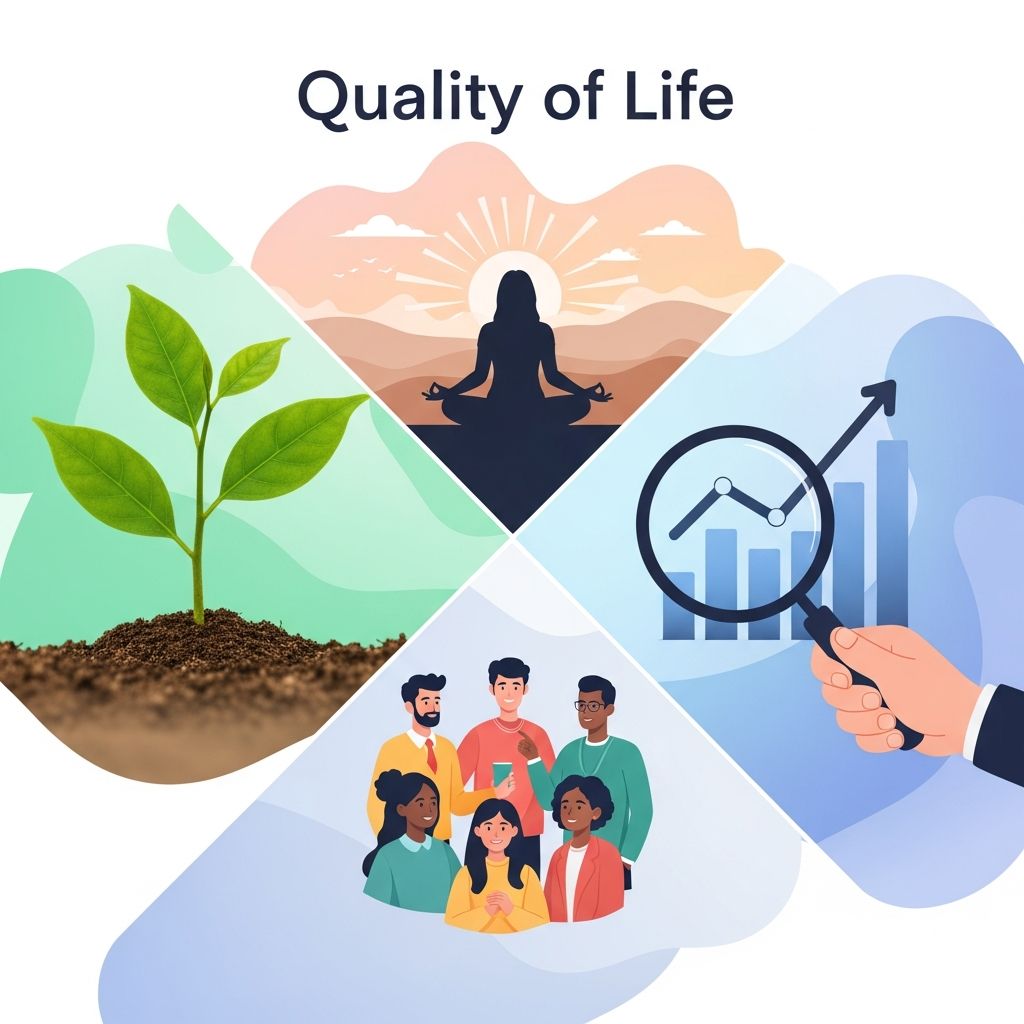
Quality of life (QOL) represents far more than simply having money in the bank or a roof over your head. It encompasses the overall well-being and satisfaction an individual experiences across multiple dimensions of their existence. The World Health Organization defines quality of life as an individual’s perception of their position in life in the context of the culture and value systems in which they live and in relation to their goals, expectations, standards and concerns. This definition emphasizes that quality of life is deeply personal and subjective, varying significantly from person to person based on their unique circumstances, values, and aspirations.
Quality of life is inherently ambiguous because it can refer both to the experience an individual has of his or her own life and to the living conditions in which individuals find themselves. The degree to which an individual is healthy, comfortable, and able to participate in or enjoy life events directly impacts their overall quality of life. What constitutes a high quality of life for one person may differ dramatically from another’s perspective, making it impossible to create a universal standard that applies equally to everyone.
Key Components of Quality of Life
Quality of life comprises several interconnected dimensions that together create an overall sense of well-being and satisfaction. Understanding these components helps individuals identify areas where they might improve their life circumstances.
Physical Health and Well-Being
Physical health serves as a foundational component of quality of life. This includes not only the absence of disease but also the presence of energy, vitality, and the ability to engage in daily activities without significant limitations. Access to nutritious food, regular exercise, adequate sleep, and preventive healthcare all contribute to physical well-being. When individuals maintain good physical health, they have greater capacity to pursue other life goals and enjoy activities they find meaningful.
Mental and Emotional Health
Mental and emotional well-being is equally crucial as physical health when assessing quality of life. This dimension encompasses psychological stability, emotional resilience, freedom from excessive stress and anxiety, and the ability to experience joy and satisfaction. Mental health includes factors such as self-esteem, life satisfaction, stress management, and overall emotional balance. Individuals with strong mental health tend to report higher quality of life ratings regardless of their external circumstances.
Financial Security and Wealth
Financial stability provides the foundation for addressing many other aspects of quality of life. Adequate income, employment opportunities, and financial security allow individuals to meet basic needs and pursue opportunities for growth and development. However, research suggests that beyond a certain threshold of financial sufficiency, additional wealth has diminishing returns on overall happiness and life satisfaction. What matters most is having enough resources to live without constant financial stress.
Employment and Work Life
Since most people spend a significant portion of their waking hours working, the quality of one’s work life substantially influences overall quality of life. Job satisfaction, meaningful work, opportunities for professional growth, workplace relationships, and healthy work-life balance all contribute to this dimension. Employment that provides purpose, recognition, and appropriate compensation enhances quality of life, while unfulfilling or stressful work can significantly diminish it.
Education and Personal Development
Access to education and opportunities for continuous learning and skill development directly impact quality of life. Education opens doors to better employment opportunities, increases earning potential, and provides intellectual stimulation and personal growth. The ability to learn, develop new skills, and pursue knowledge contributes to a sense of accomplishment and personal fulfillment.
Social Relationships and Community
Humans are inherently social beings, and the quality of our relationships profoundly affects our overall well-being. Strong family bonds, meaningful friendships, and a sense of belonging to a community are essential to quality of life. Social connections provide emotional support, opportunities for collaboration, and a sense of purpose. Individuals with robust social networks consistently report higher life satisfaction and better health outcomes.
Recreation and Leisure Time
The ability to engage in activities that bring joy, relaxation, and personal fulfillment is vital to quality of life. Recreation and leisure time allow individuals to pursue hobbies, spend time in nature, enjoy cultural activities, and simply rest and recharge. These activities provide balance to work and responsibility, contributing to overall happiness and well-being.
Environmental Quality and Safety
Living in a safe environment with access to clean water, fresh air, and natural spaces significantly impacts quality of life. Environmental factors such as low crime rates, minimal pollution, and access to green spaces all contribute to well-being. Safety and security, including freedom from violence and crime, are fundamental to enabling individuals to pursue their goals and enjoy their lives.
Subjective Versus Objective Measures
One of the most important aspects of understanding quality of life is recognizing the distinction between subjective and objective measures. Quality of life represents an aspect of health and well-being that differs from traditional objective measurements such as X-rays, blood tests, and clinical judgment. Objective measures have dominated healthcare and assessment practices because they are viewed as relatively objective and measurable.
However, the measurement of quality of life incorporates the subjective views of the individual directly. This is crucial because two people with seemingly identical external circumstances may experience vastly different qualities of life based on their perception, expectations, and personal values. A disabled person may report a high quality of life, whereas a healthy person who recently lost a job may report a low quality of life. This subjective dimension is what makes quality of life such a powerful and meaningful concept.
Frameworks for Assessing Quality of Life
Researchers and organizations have developed various frameworks for understanding and assessing quality of life. These frameworks help identify the multiple dimensions that contribute to overall well-being and provide structured approaches to measurement.
The WHO Framework
The World Health Organization’s definition and framework emphasizes that quality of life is multidimensional and culturally contextual. The WHOQOL framework addresses physical health, psychological well-being, social relationships, and environmental factors as key domains affecting quality of life.
The Engaged Theory
Another approach, called the engaged theory, outlines four domains in assessing quality of life: ecology, economics, politics, and culture. This framework recognizes that quality of life is influenced by broader systemic and cultural factors beyond individual circumstances.
University of Toronto Model
Researchers at the University of Toronto’s Quality of Life Research Unit define quality of life as “The degree to which a person enjoys the important possibilities of his or her life.” Their Quality of Life Model is based on three categories: “being” (who one is), “belonging” (how one is connected to one’s environment), and “becoming” (whether one achieves one’s personal goals, hopes, and aspirations).
Common Quality of Life Measurement Tools
Healthcare professionals and researchers use several standardized instruments to measure quality of life, particularly in relation to health outcomes.
Generic Measures
Generic quality-of-life measures are designed to evaluate health-related quality of life in any group of patients or population sample, allowing for broad comparisons across different populations.
Disease-Specific Measures
Disease-specific measures evaluate health-related quality of life in individuals with particular illnesses or conditions, providing targeted assessment of how specific health conditions impact well-being.
Individualized Measures
Individualized measures allow the inclusion of aspects of life that are considered important by individual patients, recognizing the personal nature of quality of life assessment.
Common Assessment Tools
Popular quality-of-life measurement tools include the Beck Depression Inventory (BDI), the Sickness Impact Profile (SIP), and the 36-item Short Form Health Survey (SF-36). Perhaps the most widely used measure is the EuroQol 5D (EQ-5D), which addresses five dimensions of health: mobility, self-care, usual activities, pain/discomfort, and anxiety/depression, with each dimension divided into sublevels of perceived problems.
Factors Influencing Quality of Life
| Factor Category | Specific Components | Impact on QOL |
|---|---|---|
| Physical State | Health, working load, stamina, nutrition | Enables daily functioning and activities |
| Material State | Welfare, living conditions, income, housing | Provides security and access to resources |
| Psychological State | Emotions, attitudes, values, self-esteem, stress | Influences overall satisfaction and resilience |
| Social Relationships | Family, friends, community, social support | Provides belonging and emotional support |
| Education | Learning opportunities, skill development | Enables growth and economic advancement |
| Environment | Safety, natural resources, ecological factors | Creates livable conditions and security |
The Role of Culture and Values
Quality of life cannot be assessed without considering the cultural context and individual value systems. What one culture considers essential to quality of life may differ substantially from another culture’s priorities. For instance, individualistic societies may emphasize personal achievement and autonomy, while collectivist societies may prioritize family harmony and community well-being. Similarly, individuals within the same culture hold different values that shape what they believe constitutes a good quality of life.
An individual’s satisfaction with their quality of life depends significantly on their value system and the cultural environment where they live. This means that assessing and improving quality of life requires understanding and respecting these diverse perspectives and priorities.
Improving Your Quality of Life
While quality of life is deeply personal, several universal principles can help individuals enhance their well-being:
Prioritize Health: Invest in physical and mental health through regular exercise, balanced nutrition, adequate sleep, and professional support when needed.
Build Strong Relationships: Cultivate meaningful connections with family, friends, and community members. Quality relationships are among the strongest predictors of life satisfaction.
Pursue Financial Stability: Work toward securing stable employment and building financial reserves that reduce stress and provide security.
Invest in Learning: Continuously develop new skills and knowledge to create opportunities and maintain intellectual engagement.
Create Work-Life Balance: Ensure that work doesn’t overshadow other important areas of life. Allocate time for rest, recreation, and personal pursuits.
Engage in Meaningful Activities: Pursue hobbies, volunteer work, and activities that align with your values and provide a sense of purpose.
Ensure Safety and Security: Take steps to create a safe living environment and protect yourself and your family from harm.
Frequently Asked Questions About Quality of Life
Q: Is quality of life the same as happiness?
A: While related, they are not identical. Quality of life is broader and encompasses multiple dimensions including health, relationships, employment, and material well-being, whereas happiness primarily refers to emotional contentment. However, quality of life certainly contributes to happiness.
Q: Can someone have a high quality of life without wealth?
A: Yes. While financial resources help meet basic needs and reduce stress, research shows that beyond a certain threshold, additional wealth has minimal impact on life satisfaction. Strong relationships, good health, meaningful work, and personal fulfillment are equally or more important to quality of life than wealth.
Q: How can I measure my own quality of life?
A: Reflect on each major dimension—physical health, mental well-being, relationships, work satisfaction, financial security, education, recreation, and safety. Consider your satisfaction with each area and identify where improvements could enhance your overall well-being.
Q: Does quality of life differ across cultures?
A: Absolutely. Cultural values, economic development levels, and social structures all influence what people prioritize and how they define quality of life. What constitutes high quality of life varies significantly across different societies and communities.
Q: Can improving one area of quality of life help other areas?
A: Often, yes. These dimensions are interconnected. For example, improving physical health through exercise can also enhance mental well-being and social connections if done in a group setting. Increasing education might lead to better employment and financial security.
Q: Is quality of life subjective or objective?
A: Both. While external factors like housing and employment are objectively measurable, individual perception and satisfaction—which are subjective—are equally important in determining overall quality of life. The subjective dimension is what makes quality of life such a meaningful and personal concept.
References
- Quality of life — World Health Organization. 2024. https://www.who.int/tools/whoqol
- Quality of Life — Britannica. 2024. https://www.britannica.com/topic/quality-of-life
- Quality of Life and its Components Measurement — Research Study. 2007. Academic Institution Database.
- Quality of life — Wikipedia. 2024. https://en.wikipedia.org/wiki/Quality_of_life
Similar Articles








Read full bio of Sneha Tete