Personal Loans: 8 Common Uses And How To Qualify
Understand personal loans: definition, types, benefits, and how to find the right lender for your needs.

What Is a Personal Loan?
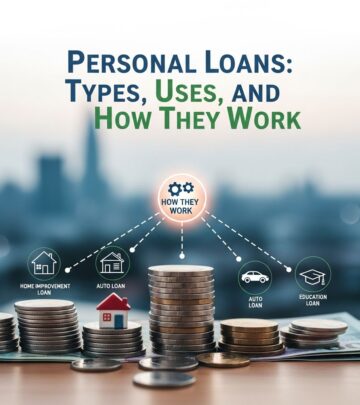
A personal loan is an unsecured loan that provides you with a lump sum of money that you repay over a fixed period with regular monthly payments and a set interest rate. Unlike secured loans such as mortgages or auto loans, personal loans are not backed by collateral—meaning the lender relies primarily on your creditworthiness and promise to repay. Personal loans are versatile financial tools that can be used for a wide variety of purposes, from consolidating high-interest debt to covering unexpected expenses or funding home improvements.
How Personal Loans Work
When you apply for a personal loan, the lender evaluates your financial profile, including your credit score, income, and debt-to-income ratio. If approved, you receive the full loan amount upfront, and you repay it in fixed monthly installments over a predetermined term, typically ranging from 12 to 60 months. The interest rate you receive depends on multiple factors, including your credit history, the lender you choose, and current market conditions.
Personal loans offer predictability because your monthly payment amount and interest rate remain constant throughout the loan term. This fixed-rate structure makes budgeting easier and provides financial stability compared to variable-rate options or credit cards with fluctuating interest rates.
Key Characteristics of Personal Loans
- Unsecured borrowing: No collateral required, making qualification faster than secured loans
- Fixed interest rates: Your rate remains the same throughout the loan term
- Fixed repayment terms: Standard loan periods of 12, 24, 36, 48, or 60 months
- Flexible use of funds: Borrow for virtually any purpose, from debt consolidation to home repairs
- Quick access to funds: Many lenders disburse funds within one to three business days
- Predictable payments: Your monthly payment amount is predetermined and does not change
Types of Personal Loans
Personal loans come in several varieties, each designed for different financial situations and borrower profiles:
Debt Consolidation Loans
These specialized personal loans help borrowers combine multiple debts—particularly high-interest credit card balances—into a single monthly payment. Debt consolidation loans often feature lower interest rates than credit cards, allowing borrowers to save substantially on interest and potentially pay off debt faster. For example, consolidating a $10,000 credit card balance at 20% APR into a personal loan at 10% APR could result in interest savings of nearly $3,000.
Personal Loans for Fair Credit
Many lenders specialize in serving borrowers with fair or poor credit scores. These loans typically carry higher interest rates than prime personal loans, but they provide access to credit for those who might not qualify elsewhere. Some lenders offer hardship programs and flexible terms to help borrowers with challenging financial circumstances.
Joint Personal Loans
These loans allow multiple borrowers to apply together, with each borrower sharing responsibility for repayment. Joint loans can be beneficial when one borrower has a stronger credit profile and can help secure more favorable terms. However, all parties on the loan are equally liable for repayment.
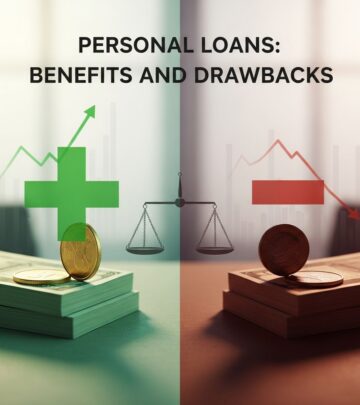
Benefits of Personal Loans
Lower Interest Rates Than Credit Cards
One of the most significant advantages of personal loans is their lower interest rates compared to credit cards. According to current Federal Reserve data, personal loan rates average approximately half the interest rate of credit cards. This dramatic difference in cost makes personal loans an ideal choice for those needing to finance purchases or consolidate existing debt.
Fixed, Predictable Monthly Payments
Personal loans feature fixed interest rates and fixed repayment schedules, meaning your monthly payment remains the same throughout the loan term. This predictability allows you to budget effectively and plan your finances with confidence, unlike credit cards with variable rates and flexible (but often minimum) payment options.
Flexible Use of Funds
Personal loans can be used for nearly any purpose. Whether you need to consolidate debt, finance home improvements, cover medical expenses, pay for education, fund a wedding, or handle unexpected emergencies, personal loans provide the flexibility to use funds as needed.
Faster Access to Credit
Personal loans are typically easier to qualify for than other loan types and involve a simpler application process. Many lenders can approve applications and disburse funds within one to three business days, making personal loans an attractive option for time-sensitive financial needs.
Potential for Credit Building
Making consistent, on-time payments on a personal loan can help build and improve your credit score over time. This positive payment history demonstrates responsible credit management to future lenders.
Drawbacks and Considerations
Interest Costs
While personal loans generally offer lower rates than credit cards, you will still pay interest on the borrowed amount. The total cost of the loan depends on the interest rate, loan amount, and repayment term. Longer loan terms mean more total interest paid over time.
Origination and Other Fees
Many personal loan lenders charge origination fees, typically ranging from 1% to 10% of the loan amount. Additionally, lenders may charge fees for late payments, unsuccessful payment attempts, or prepayment penalties. It is essential to review all fees before committing to a loan.
Strict Eligibility Requirements
Personal loan eligibility depends on your credit score, income, and debt-to-income ratio. Those with lower credit scores may face higher interest rates or difficulty qualifying for loans with favorable terms. Some lenders specialize in specific credit profiles, so it is important to apply to lenders suited to your financial situation.
Risk of Over-Borrowing
The flexibility and relative ease of obtaining a personal loan can lead some borrowers to borrow more than they can comfortably repay, increasing their debt burden and financial stress.
Qualifying for a Personal Loan
Credit Score Requirements
Most mainstream personal loan lenders require a minimum credit score between 600 and 700, depending on the lender. However, lenders specialize in different credit profiles. Some focus on excellent-credit borrowers, while others serve those with fair or poor credit. Applying to the wrong lender category can result in rejection and a hard inquiry on your credit report that may temporarily lower your score.
Income Verification
Lenders require proof of income to verify your ability to repay the loan. Acceptable income documentation typically includes tax returns, pay stubs, or bank statements. Some lenders may have minimum income requirements, such as $10,500 annually for certain loan products.
Debt-to-Income Ratio (DTI)
Your debt-to-income ratio measures your monthly debt obligations against your monthly income. To calculate your DTI, lenders add up all your monthly debts—including housing costs, credit card payments, auto loans, and student loans—and divide by your gross monthly income.
For example, if you earn $5,000 per month and have $1,500 in total monthly debt payments, your DTI is 30%. Most lenders accept DTI ratios between 36% and 43%, though some conservative lenders accept up to 28% and more flexible lenders allow up to 50%. A proposed personal loan payment is factored into this calculation, so a new loan could push your DTI above acceptable thresholds.
Account History Requirements
Some lenders require that you maintain an account with them before applying for a personal loan. For example, certain banks require existing customer accounts to be open for at least four months before you can qualify. Other lenders may require deposit accounts to have been open for 12 months or longer.
Comparing Personal Loan Lenders
Interest Rates and APR
Personal loan interest rates vary significantly by lender and borrower profile. Shopping around with multiple lenders is essential to finding the best rate. Rates typically range from around 6% for borrowers with excellent credit to 35% or higher for those with poor credit. Even small differences in APR can result in hundreds or thousands of dollars in savings over the life of the loan.
Fees and Charges
Beyond interest rates, evaluate all fees associated with each lender:
- Origination fees (typically 1% to 10% of loan amount)
- Late payment fees (often $25 to $40)
- Prepayment penalties (fees for paying off the loan early)
- Unsuccessful payment fees
- Account maintenance fees
Loan Terms and Amounts
Different lenders offer varying loan amounts and repayment periods. Some lenders offer loans as small as $1,000, while others have minimums of $2,000 or more. Maximum loan amounts typically range from $25,000 to $100,000 or higher. Repayment terms usually span from 12 to 60 months, with some lenders offering extended terms.
Prequalification Options
Many lenders offer prequalification, which allows you to see estimated rates and terms without a hard credit inquiry. This soft pull helps you comparison shop without negatively affecting your credit score. However, some lenders do not offer prequalification, meaning you must submit a full application before learning what rate you qualify for.
How to Choose the Right Personal Loan
Assess your financial needs. Determine exactly how much you need to borrow and what you will use the funds for. Be realistic about the amount—borrowing only what you need minimizes interest costs.
Check your credit score. Obtain your credit report and score before applying. Understanding where you stand helps you target lenders suited to your credit profile and improves your chances of approval at favorable rates.
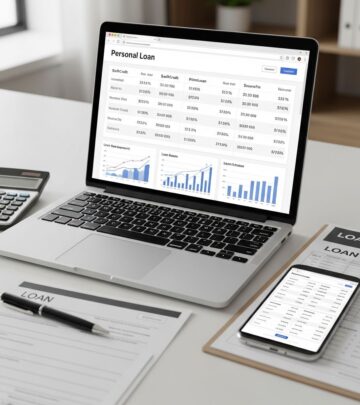
Compare multiple lenders. Obtain quotes from at least three to four different lenders. Compare APRs, fees, loan terms, and customer service ratings. Use prequalification when available to avoid unnecessary hard inquiries.
Review loan terms carefully. Pay attention to the full terms of the loan, including the repayment schedule, any prepayment penalties, and all applicable fees. Understand your monthly payment obligation before committing.
Consider adding a cosigner. If your credit is limited, adding a creditworthy cosigner can help you qualify for better rates. However, ensure the cosigner understands they are equally responsible for repayment.
Set up automatic payments. Some lenders offer interest rate discounts (typically 0.25% to 0.5%) if you enroll in automatic payments from a linked bank account. This also helps ensure you never miss a payment.
Common Personal Loan Uses
Personal loans serve many purposes across different financial situations:
- Debt consolidation: Combining multiple debts into one monthly payment at a lower interest rate
- Home improvements: Funding renovations, repairs, or upgrades
- Emergency expenses: Covering unexpected medical bills, car repairs, or home emergencies
- Major purchases: Financing appliances, furniture, or electronics
- Education costs: Supplementing student loans or covering training programs
- Wedding expenses: Funding ceremonies and celebrations
- Closing costs: Covering expenses associated with home mortgage closings
- Travel and vacations: Financing trips and travel experiences
Frequently Asked Questions
Q: What is the difference between a personal loan and a credit card?
A: Personal loans provide a lump sum with fixed payments and typically lower interest rates. Credit cards offer revolving credit with variable rates and flexible payments but usually come with higher APRs. Personal loans are better for large purchases or debt consolidation, while credit cards work well for everyday expenses and rewards.
Q: Can I use a personal loan for any purpose?
A: Yes, personal loans are typically versatile and can be used for most purposes, including debt consolidation, home improvements, education, travel, and emergencies. However, some lenders may restrict use for certain purposes like purchasing investment securities.
Q: How long does it take to get approved for a personal loan?
A: Most lenders provide approval decisions within one to three business days. Some online lenders offer same-day or next-day approval. Once approved, funds are typically disbursed within one to three additional business days.
Q: What credit score do I need for a personal loan?
A: Mainstream lenders typically require a minimum credit score between 600 and 700. However, lenders specializing in fair or poor credit may work with lower scores. The higher your score, the better rates you will qualify for.
Q: Will applying for a personal loan hurt my credit score?
A: A hard inquiry for a personal loan application may temporarily lower your score by a few points. However, this impact is typically minimal and short-lived. Using prequalification tools when available helps you shop without hard inquiries.
Q: Can I pay off a personal loan early?
A: Most lenders allow early repayment, but some charge prepayment penalties. Before applying, confirm whether the lender imposes prepayment fees. Paying off early can significantly reduce your total interest cost.
Q: What happens if I miss a payment on my personal loan?
A: Missing a payment typically triggers a late fee and may harm your credit score. Most lenders provide a grace period (commonly five days) before charging late fees. If you anticipate difficulty making a payment, contact your lender immediately to discuss options like deferment or hardship programs.
References
- Best Personal Loan Rates of 2026 Compared — MoneyRates. 2026-01-12. https://www.moneyrates.com/personal-loan-rates.htm
- Is a personal loan right for you? Exploring the key benefits — MoneyRates. 2026-01-12. https://www.moneyrates.com/personal-loans/is-a-personal-loan-right-for-you.htm
- How to Qualify for a Personal Loan With Bad Credit — MoneyRates. 2026-01-12. https://www.moneyrates.com/personal-loans/qualify-for-a-personal-loan-with-bad-credit.htm
- Advantages & Drawbacks of Personal Loans — MoneyRates. 2026-01-12. https://www.moneyrates.com/personal-loans/pros-and-cons-of-personal-loans.htm
- U.S. Bank Personal Loan Review 2025 — MoneyRates. 2026-01-12. https://www.moneyrates.com/reviews/us-bank-reviews.htm
- Getting A Personal Loan for Home Mortgage Closing Costs — MoneyRates. 2026-01-12. https://www.moneyrates.com/personal-loans/what-are-closing-costs.htm
Similar Articles








Read full bio of Sneha Tete