What Is an Outstanding Balance on a Credit Card?
Understand outstanding balances, statement balances, and how to manage credit card debt effectively.

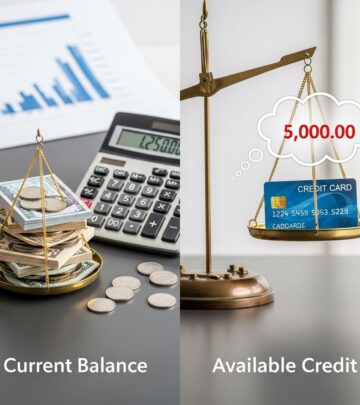
An outstanding balance on a credit card is the amount of money you owe at any moment you check your account, commonly referred to as your current balance. This figure represents all charges on your account that you have not yet paid for, including any recent purchases you may have just made. Your credit card’s outstanding balance can encompass all unpaid charges, accrued interest, and any fees that have accumulated on your account. If you’ve recently made a payment, your outstanding balance will reflect this immediately, regardless of what your statement balance shows.
Understanding your outstanding balance is crucial for maintaining healthy credit habits and avoiding unnecessary interest charges. The moment you swipe your card or make an online purchase, that transaction becomes part of your outstanding balance. This real-time figure gives you an accurate snapshot of your current financial obligation to your credit card issuer.
Understanding Statement Balance vs. Outstanding Balance
While the terms outstanding balance and statement balance are sometimes used interchangeably, they represent two entirely different figures that serve different purposes in managing your credit card account.
What Is a Statement Balance?
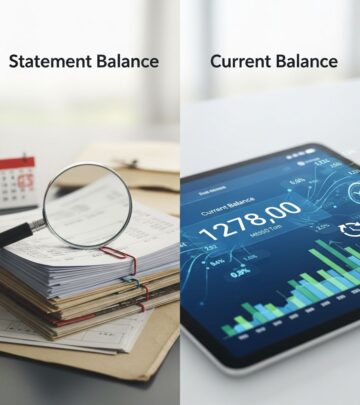
Your credit card statement balance is the amount shown on your credit card bill on the date your billing cycle ends. This amount is calculated based on all purchases made during your 28- to 31-day billing cycle, plus any accrued fees or interest charges during that period. For example, if you made $1,000 in purchases during a billing cycle with a $0 starting balance, your next statement balance would show $1,000. This statement balance is critical because it represents the amount you need to pay in full each billing cycle to avoid being charged credit card interest on remaining balances during the following billing period.
Key Differences Between Outstanding and Statement Balance
Your credit card’s outstanding balance and current balance are essentially the same thing—they represent what you owe at any given moment. When you log into your online credit card account or mobile app and see that you currently owe $1,081, that amount is both your outstanding balance and your current balance. The statement balance, however, is static and only updates once per billing cycle, while your outstanding balance changes constantly as you make purchases and payments.
| Feature | Outstanding Balance | Statement Balance |
|---|---|---|
| Updated | Real-time, constantly changing | Once per billing cycle |
| Includes | All unpaid charges, recent purchases, fees, interest | Charges from the billing cycle only |
| Purpose | Shows what you owe right now | Shows what you owe for the billing period |
| Affects Interest | Can reflect partial payments immediately | Determines interest if not paid in full |
How Much of Your Outstanding Balance Should You Pay?
Paying your full statement balance each billing cycle is the most effective way to avoid interest charges on credit card purchases. However, you always have the flexibility to pay more than your statement balance and up to your outstanding balance at any time. Some credit card issuers even allow you to make overpayments toward your credit card account to “pay ahead” for purchases currently pending or ones you plan to make in the future.
Benefits of Paying More Than Your Statement Balance
There are several advantages to paying more than your minimum statement balance and working toward your outstanding balance regularly:
– Avoiding long-term credit card debt that can spiral out of control- Maintaining better control over your monthly budget and spending plan- Reducing the risk of overspending beyond your planned expenses- Demonstrating responsible credit behavior to lenders- Building positive payment history that enhances your creditworthiness- Potentially qualifying for credit limit increases from your issuer
By making regular payments toward your outstanding balance, you demonstrate financial discipline and commitment to debt management. This proactive approach not only saves you money in interest charges but also helps you maintain a healthier relationship with credit overall.
How Outstanding Balance Affects Your Credit Score
The outstanding balance on your credit card may or may not significantly impact your credit score, primarily because credit card companies only report your balance to the three major credit bureaus—Experian, TransUnion, and Equifax—once a month at the end of every billing cycle. This reporting schedule means that your daily outstanding balance fluctuations don’t directly affect your credit score calculation.
The Timing of Balance Reporting
Consider this realistic scenario: you might owe $5,000 on your credit card on the 3rd of a given month, pay off your outstanding balance completely on the 10th of the month, and show a $0 credit card balance by the time your billing cycle ends around the 20th of the month. Since the credit bureaus only receive your balance information once monthly, they would see the $0 balance in this case, not the $5,000 owed earlier in the month.
Credit Utilization Ratio and FICO Scores
Credit card balances that are ultimately reported to the credit bureaus do impact your credit score significantly. Your amounts owed, also called your credit utilization ratio, is the second most important factor that comprises your FICO Score, accounting for approximately 30 percent of your score. Most experts recommend keeping your credit utilization ratio below 30 percent of your total available credit. This means ensuring your balance reported to the credit bureaus never exceeds $3,000 for every $10,000 in available credit. Maintaining a low credit utilization ratio demonstrates that you use credit responsibly and aren’t overextended financially, which lenders view favorably.
Understanding the Average Outstanding Balance
The average credit card balance in the United States has increased significantly in recent times. According to data from TransUnion, credit card balances increased from Q1 2024 to Q1 2025, with credit card balances now totaling $1.07 trillion overall, which equates to an average credit card balance of $6,371 per cardholder. This substantial average demonstrates that many Americans are carrying significant outstanding balances on their credit cards.
The Cost of Minimum Payments
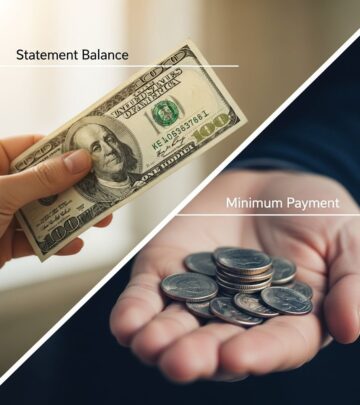
The implications of these average balances become clear when examining minimum payment scenarios. If you only make minimum payments on the average balance of $6,371 at the average interest rate of approximately 20 percent, you could remain in debt for 217 months—more than 18 years—and end up paying $9,254 in interest charges alone. This means you would pay significantly more than the original balance you charged, demonstrating how costly it can be to carry an outstanding balance long-term.
Strategies for Managing Outstanding Balance Effectively
Managing your outstanding balance effectively requires understanding your payment options and developing a consistent strategy. You can make a payment whenever you want, and you can even make multiple credit card payments during a single billing cycle. Since credit card interest compounds daily, paying off your balance even a few days sooner could save you money in interest charges.
Consider Balance Transfer Options
If you’re carrying high-cost credit card debt, consider moving your balance to a new card with a promotional 0 percent balance transfer offer. These offers can provide significant breathing room to pay down your debt without accumulating additional interest charges. Many cards offer extended promotional periods, allowing you to focus on principal reduction rather than watching your balance grow due to interest.
Payment Frequency Matters
Making payments more frequently can substantially reduce the total interest you pay. Rather than waiting until your statement is due, consider making multiple payments throughout your billing cycle. This approach takes advantage of how credit card interest compounds daily, meaning each payment you make immediately reduces the balance on which interest accrues.
Important Considerations About Carrying a Balance
If you pay off your most recent statement balance in full but still have a balance on your credit card from purchases related to the next billing cycle, you’re not actually carrying a balance and won’t accrue interest on those most recent charges. You’re only technically carrying a balance if you don’t pay off your statement balance in full and let it roll over past your grace period. When this happens, your credit card issuer begins charging interest not only on your current balance but also on any new purchases you make on the card.
Many people who pay off or transfer an outstanding credit card balance don’t realize they may still owe interest on that balance. These outstanding interest charges won’t appear on the original credit card until their next statement arrives, which can cause confusion about total amounts owed.
Frequently Asked Questions
What’s the difference between my outstanding balance and my statement balance?
Your outstanding balance is the total amount you owe at any given moment and updates in real-time as you make purchases and payments. Your statement balance is the amount due at the end of your billing cycle and remains static until the next cycle begins. You must pay your full statement balance to avoid interest charges, but you can pay toward your outstanding balance anytime.
Will paying more than my statement balance help my credit score?
Paying more than your statement balance can indirectly help your credit score by reducing your credit utilization ratio reported to credit bureaus. However, since bureaus only receive monthly updates, the direct impact depends on when your balance is reported. The key is maintaining a low utilization ratio consistently over time.
How often should I check my outstanding balance?
You should check your outstanding balance regularly—ideally weekly or even more frequently if you’re actively using your card. This helps you track spending, avoid overspending, and catch any unauthorized charges quickly. Most credit card issuers offer real-time balance updates through mobile apps and online portals.
What happens if I only pay the minimum on my outstanding balance?
Paying only the minimum can result in decades of debt and thousands in interest charges. With an average balance of $6,371 at 20 percent interest, minimum payments could extend your debt to over 18 years with nearly $9,300 in interest charges. More substantial payments significantly reduce both the time and total cost of repaying your balance.
Can I pay my outstanding balance before my statement balance is due?
Yes, you can pay your outstanding balance at any time, even before your statement balance is due. Making early payments reduces the amount of interest that accrues on your balance. Since interest compounds daily, paying early—even by a few days—can result in measurable savings.
Does my outstanding balance affect my ability to get a credit limit increase?
Your outstanding balance can influence credit limit decisions because it reflects your current credit utilization. Maintaining a low outstanding balance relative to your credit limit demonstrates responsible credit use and may make you more eligible for credit limit increases, which can further improve your credit utilization ratio.
References
- What Is An Outstanding Balance On A Credit Card? — Bankrate. 2025. https://www.bankrate.com/credit-cards/advice/what-is-outstanding-balance/
- Carrying A Balance On A Credit Card For the First Time — Bankrate. 2025. https://www.bankrate.com/credit-cards/advice/first-time-carrying-credit-card-balance/
- Credit Card Balances Rise To Just Shy of New Record — Bankrate. 2025. https://www.bankrate.com/credit-cards/news/credit-card-balances-rise-to-just-shy-of-new-record/
- Bankrate’s 2025 Credit Card Debt Report — Bankrate. 2025. https://www.bankrate.com/credit-cards/news/credit-card-debt-report/
- New York Fed Quarterly Report on Household Debt and Credit — Federal Reserve Bank of New York. 2025. https://www.newyorkfed.org/research/household-debt-credit
Similar Articles








Read full bio of Sneha Tete