What Is on a Carfax Report: Complete Guide
Understand every section of a Carfax report to make informed used car purchasing decisions with confidence.
What Is on a Carfax Report: A Comprehensive Guide for Used Car Buyers
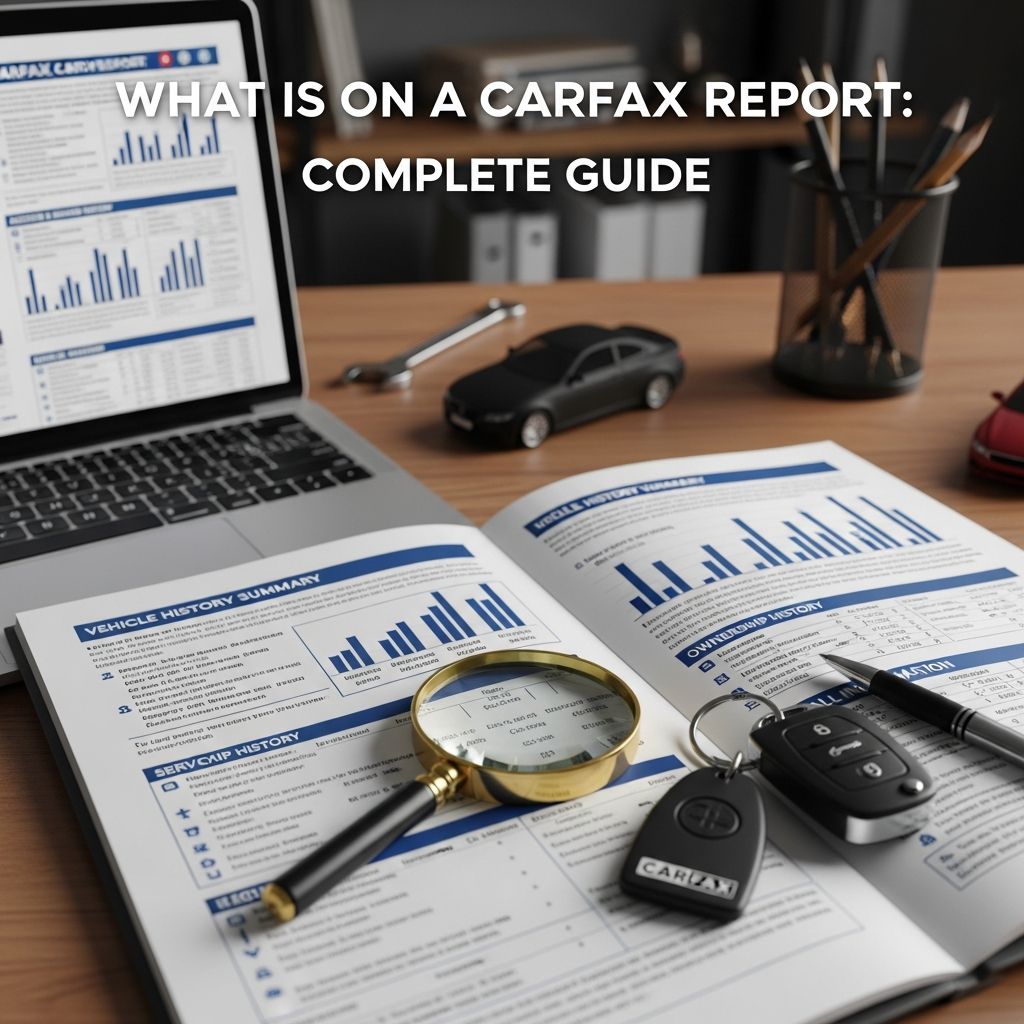
When you’re shopping for a used vehicle, one of the most valuable tools at your disposal is a Carfax report. This vehicle history report compiles data from multiple sources including state Departments of Motor Vehicles, insurance companies, police reports, and repair shops to provide a comprehensive overview of a vehicle’s past. Understanding what information appears on a Carfax report and how to interpret it can be the difference between making a smart purchase and inheriting someone else’s automotive problems.
A Carfax report serves as a detailed chronicle of a vehicle’s life, documenting everything from ownership changes to accident history to maintenance records. Whether you’re buying from a dealership or a private seller, knowing how to read and evaluate this report is essential for any used car buyer.
Understanding the Purpose of Carfax Reports
Carfax reports exist to protect consumers by providing transparency about a vehicle’s history. Rather than relying solely on a seller’s claims or a visual inspection, you can access objective data about the car’s past. These reports draw from insurance claim records, repair databases, registration information, and other official documents to create a detailed timeline of the vehicle’s history.
The importance of these reports cannot be overstated. A used car might look pristine on the surface, but its history could reveal hidden problems such as previous accidents, flood damage, or recurring mechanical issues. By reviewing a Carfax report before making a purchase, you can avoid expensive mistakes and negotiate a fair price based on the vehicle’s actual condition and history.
Vehicle Overview and Summary Section
At the top of any Carfax report, you’ll find a vehicle overview section that provides critical summary information. This section typically includes the vehicle identification number (VIN), make, model, year, body style, engine type, and transmission. The overview also highlights the most important findings from the report, often color-coded to draw attention to any significant issues.
The summary section is designed to give you an immediate snapshot of the vehicle’s status. If there are any major red flags such as a branded title, reported accidents, or structural damage, these will typically appear prominently in this section so you don’t miss crucial information.
Title Information and Ownership Status
One of the most critical sections of a Carfax report is the title information. This section tells you the current status of the vehicle’s title and reveals whether the title is “clean” or “branded.” A clean title means the vehicle has never been deemed a total loss by an insurance company. A branded title, on the other hand, indicates that the vehicle was once considered a total loss and was issued a salvage, rebuilt, or flood title.
Understanding title status is crucial because a branded title significantly affects a vehicle’s value and insurability. A salvage title means the vehicle was damaged to the point where insurance declared it a total loss, whether from an accident, flood, or other catastrophic damage. A rebuilt title indicates the vehicle was previously salvaged but has been repaired and passed inspection to be roadworthy again.
You should never proceed with purchasing a vehicle that still has a lien or outstanding loan against it. The title information will clearly show if a bank or other lender still owns the vehicle. Additionally, the report will show the complete chain of ownership, including whether the vehicle was previously a commercial fleet vehicle, rental car, taxi, or government vehicle.
Ownership History and Previous Owners
The ownership history section provides a detailed list of every owner the vehicle has had. This section reveals how many people have owned the car and where it was registered. Understanding ownership patterns can provide valuable insights into how the vehicle was used and maintained.
Pay close attention to the frequency of ownership changes. If a vehicle has been owned by five different people in the past two years, this could indicate that multiple owners couldn’t keep the car for long, suggesting underlying problems. Conversely, a vehicle with one or two long-term owners typically suggests the car was dependable and satisfactory.
The report also categorizes the types of owners the vehicle has had. Was it owned by an individual, a corporate fleet, a rental company, a government agency, or used as a commercial vehicle such as a taxi or delivery vehicle? This information matters because vehicles used commercially often experience higher wear and tear than personal vehicles. Rental cars and fleet vehicles may have been subjected to more demanding use patterns as well.
Accident and Damage Records
The accident and damage section is one of the most important parts of a Carfax report. This section documents any reported accidents, collisions, or significant damage the vehicle has sustained. The report will show whether airbags were deployed, the extent of damage reported, and whether structural damage occurred.
When reviewing accident history, look for the type of damage reported. Minor fender benders are different from major collisions. If a vehicle has been in a serious accident, you’ll want to verify that all repairs were completed properly and professionally. Some repairs, particularly to the structural frame or suspension, can be expensive and complex. If not done correctly, they can affect the vehicle’s safety and handling.
Airbag deployment is a particular concern. If a vehicle’s airbags have been deployed, they should have been replaced. Make sure the report confirms this. An accident where airbags were deployed indicates a serious collision, and you’ll want to have the vehicle thoroughly inspected by a trusted mechanic to ensure all safety systems are functioning properly.
Flood damage is another critical issue to watch for. A vehicle exposed to significant water damage may have hidden mold, electrical problems, or engine damage that isn’t immediately visible. If a car smells of must or mildew, or if you notice any signs of water damage, proceed with extreme caution.
Mileage Verification and Odometer Readings
The mileage section of a Carfax report tracks the vehicle’s odometer readings at various points in its history. Each time the vehicle was serviced, registered, or sold, the mileage was typically recorded. By reviewing this section, you can verify that the mileage has increased consistently and chronologically.
If you notice that mileage decreased between service records or that readings don’t progress logically, this could indicate odometer fraud. Odometer fraud, also known as “clocking,” is when someone tampers with the odometer to show lower mileage than the vehicle actually has. While modern vehicles make this harder to accomplish, it still occurs. A Carfax report can help you spot these inconsistencies.
Comparing the mileage shown in the report with the current odometer reading is also important. If the numbers don’t align, this warrants further investigation. Legitimate discrepancies can occur, but significant gaps should be explained by the seller.
Maintenance and Service Records
Many Carfax reports include service and maintenance records, though not all reports will have this information. When available, this section provides valuable insight into how well the vehicle was maintained throughout its life. Service records often come from repair facilities that report their work to Carfax’s database.
Regular maintenance records are actually a positive sign. A vehicle with documented oil changes, filter replacements, inspections, and other routine maintenance suggests the previous owner cared for the car. Conversely, a complete absence of service records might indicate that maintenance was neglected or performed at shops that don’t report to Carfax.
Look for patterns in the maintenance records. Recurring repairs or multiple visits for the same issue might indicate a persistent mechanical problem. Major repairs documented in the service history can help you understand what work has already been done and what might need attention in the future.
Recalls and Technical Service Bulletins
Carfax reports often include information about manufacturer recalls and technical service bulletins (TSBs) relevant to the specific vehicle’s make, model, and year. Recalls indicate that the manufacturer identified a safety or performance issue and issued a remedy for all vehicles with that defect.
It’s crucial to determine whether any recalls listed in the report have been addressed. If a recall has not been completed, you can typically have the dealer or an authorized shop complete the recall repair at no cost. This is an important consideration when evaluating the vehicle.
Technical service bulletins are manufacturer communications about known issues and recommended repairs or procedures. While TSBs are not mandatory like recalls, they indicate known problems that might affect your vehicle.
Registration and Title Transfer Records
This section of the report shows when the vehicle was registered and in which states. It provides a geographic history of the vehicle, indicating whether it stayed in one region or moved around significantly. The registration history also helps verify the ownership timeline.
Multiple registrations in different states over a short period might suggest the vehicle was being flipped by dealers or that something prompted frequent moves. While there are legitimate reasons for registration in multiple states, unusual patterns warrant investigation.
Insurance Records and Claims
Carfax reports may include information about insurance claims filed against the vehicle. This section documents when insurance companies paid out claims for accidents, theft, or other incidents. Insurance claim records provide objective documentation of significant events in the vehicle’s history.
If you see insurance claims that don’t correspond with accident reports in the damage section, this discrepancy should be investigated. Conversely, major accidents might not be reflected in insurance claims if the owner paid for repairs out of pocket.
Understanding Report Limitations
While Carfax reports are extremely valuable, it’s important to understand their limitations. Reports are only as good as the data submitted to the Carfax database. Not all repair shops report their work, which means a vehicle might have been serviced at independent shops that don’t contribute to Carfax records. Some body shops and maintenance facilities operate outside the reporting system.
False positives can occur, where the report flags issues that don’t actually exist. Conversely, false negatives can happen when significant damage or accidents are never reported to Carfax, leaving them off the report entirely. This is why a Carfax report should be used as one tool among many, not the only basis for a purchasing decision.
For this reason, it’s highly recommended that you have any used vehicle you’re seriously considering purchasing inspected by a trusted, independent mechanic before completing the transaction. A pre-purchase inspection can identify mechanical issues that don’t appear on a Carfax report.
How to Obtain and Review Your Carfax Report
Many dealerships provide free Carfax reports for all vehicles in their inventory. If you’re buying from a private seller, you’ll need to obtain the report yourself. Carfax offers various subscription options ranging from single reports to unlimited reports, allowing you to purchase the level of access that suits your needs.
When reviewing the report, start with the summary section to identify any major red flags. Then work through each section systematically, noting anything unusual or concerning. Pay particular attention to the title status, accident history, mileage progression, and recent ownership changes.
Red Flags to Watch For
Several warning signs should prompt you to reconsider a purchase or at least investigate further:
Branded or salvage title: Proceed with extreme caution and have the vehicle thoroughly inspected.
Multiple accidents: Especially serious accidents with structural or safety system damage.
Odometer inconsistencies: Mileage that decreases or doesn’t progress logically.
Frequent ownership changes: Multiple owners in a short timeframe can indicate underlying problems.
Flood damage: Look for indicators such as musty smells or water stains.
Unresolved recalls: Especially safety-related recalls that haven’t been addressed.
Unusual commercial use: Taxi, rental, or heavy commercial use can indicate higher wear and tear.
Frequently Asked Questions About Carfax Reports
Q: Is a Carfax report 100% accurate?
A: No, Carfax reports are not completely accurate or comprehensive. They rely on reported data, and not all incidents or repairs make it into the database. Always supplement a Carfax report with a professional pre-purchase inspection.
Q: Can I buy a car with a branded title?
A: Yes, you can buy a car with a branded title, but you should expect to pay significantly less than market value. Have it inspected thoroughly and verify that all repairs were completed professionally. Insurance may be more expensive or harder to obtain.
Q: What should I do if I find discrepancies in the Carfax report?
A: Ask the seller to explain any inconsistencies. If they can’t provide satisfactory answers, have the vehicle inspected by a mechanic. You might also contact Carfax to report errors if you believe information in the report is inaccurate.
Q: How much does a Carfax report cost?
A: Individual Carfax reports typically cost between $25 and $35. However, many dealerships provide them free to customers, and subscription packages offer discounts for multiple reports.
Q: Should I buy a car with no service records?
A: The absence of service records doesn’t necessarily mean the car is a bad purchase, but it’s a yellow flag. The previous owner may have performed maintenance at independent shops that don’t report to Carfax. Have an independent mechanic inspect the vehicle to assess its condition.
Making Your Final Decision
A Carfax report is an essential tool in the used car buying process, but it’s one piece of a larger puzzle. Combine the information from the report with a visual inspection, professional pre-purchase inspection, test drive, and your own research about the specific make and model. By thoroughly evaluating a Carfax report and understanding what each section means, you can make an informed decision about whether a used vehicle is right for you.
References
- How to Read a Carfax Report — Auto City. 2024. https://www.goautocity.com/how-to-read-carfax-report
- How to Read a Carfax Vehicle History Report — Parkway Ford. 2024. https://www.parkwayford.com/blog/how-read-carfax-report
- How to Read a CARFAX Vehicle History Report — Kelly GMC Buick. 2024. https://www.kellygmcbuick.com/blog/how-to-read-a-carfax-vehicle-history-report
Similar Articles








Read full bio of Sneha Tete