What Is Net Pay: Definition, Calculation, and Importance
Understand net pay, how it's calculated, and why it matters for your financial planning and budgeting decisions.

What Is Net Pay?
Net pay is the amount of money an employee receives after their employer subtracts all deductions from their gross pay. Also known as “take-home pay” or “net income,” net pay represents the actual funds that will be deposited into your bank account or appear on your paycheck. This is the money you can actually spend and use for budgeting purposes, making it one of the most important figures on your pay stub.
Understanding net pay is crucial for personal financial planning because it reflects your real spending power. While your gross salary or hourly wage might sound impressive, your net pay is what actually determines how much money you have available for living expenses, savings, and discretionary purchases.
Net Pay vs. Gross Pay: Understanding the Difference
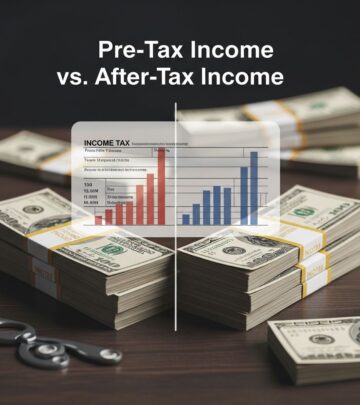
Many employees confuse net pay with gross pay, but they are fundamentally different figures. Gross pay is your total compensation before any deductions are taken out, while net pay is what remains after all deductions are subtracted.
Here’s why this distinction matters: if you earn a $50,000 annual salary, that’s your gross pay. However, your actual take-home pay will be significantly less once taxes, insurance premiums, retirement contributions, and other deductions are removed. The difference between these two numbers can be substantial and directly impacts your financial planning.
Key Differences Between Gross and Net Pay
| Aspect | Gross Pay | Net Pay |
|---|---|---|
| Definition | Total earnings before deductions | Earnings after all deductions |
| Includes | Salary, wages, overtime, bonuses, commissions | Actual funds deposited to your account |
| Used for | Job offers, salary negotiations, employer planning | Personal budgeting and financial planning |
| Deductions | None applied | Taxes, insurance, retirement, and other withholdings |
| Pay stub location | Top of the document | Bottom, after all deductions listed |
Common Deductions That Reduce Net Pay
Your net pay is calculated by subtracting various mandatory and voluntary deductions from your gross pay. Understanding these deductions helps explain why your paycheck is smaller than your salary.
Mandatory Deductions
These are deductions required by law that your employer must withhold:
- Federal income tax: Withheld based on your W-4 form and income level
- State and local income taxes: Vary by location and may not apply in all states
- Social Security: Currently 6.2% of your wages, up to an annual limit
- Medicare: Typically 1.45% of your gross wages with no annual cap
Voluntary Deductions
These are optional deductions that employees elect to have withheld:
- Health insurance premiums: Employee contribution to medical, dental, or vision coverage
- 401(k) or retirement plan contributions: Pre-tax contributions to retirement savings
- Life insurance: Employee-paid life insurance coverage
- Flexible spending accounts (FSA): Pre-tax contributions for healthcare or dependent care expenses
- Charitable donations: Voluntary contributions withheld from paychecks
How to Calculate Net Pay
Calculating net pay is straightforward in concept, though the actual calculation may be more complex depending on your specific deductions. The basic formula is:
Net Pay = Gross Pay − Total Deductions
Step-by-Step Calculation Example
Let’s walk through a practical example to illustrate how net pay is calculated. Consider Sarah, a software developer who earns a monthly gross salary of $6,000:
| Item | Amount |
|---|---|
| Gross Pay | $6,000.00 |
| Federal Income Tax | −$960.00 |
| State Income Tax | −$300.00 |
| Social Security (6.2%) | −$372.00 |
| Medicare (1.45%) | −$87.00 |
| Health Insurance Premium | −$250.00 |
| 401(k) Contribution (5%) | −$300.00 |
| Net Pay | $3,731.00 |
In this example, Sarah’s net pay of $3,731.00 represents the amount she’ll actually receive in her bank account each month. This demonstrates how significantly deductions can impact your take-home pay—in Sarah’s case, she’s receiving only about 62% of her gross salary as net pay.
Why Net Pay Matters for Your Finances
Understanding and tracking your net pay is essential for several important reasons:
Accurate Budgeting
Your net pay is the actual amount available for budgeting and spending. Creating a budget based on your gross pay will lead to financial problems since you won’t have the full amount available. By focusing on net pay, you can realistically allocate funds for rent, utilities, groceries, transportation, and savings.
Financial Health Assessment
Monitoring changes in your net pay over time provides insights into your financial health. If your net pay decreases due to increased insurance premiums or additional deductions, you’ll need to adjust your budget accordingly. Conversely, if deductions decrease, you’ll have more funds available for savings or other financial goals.
Real Spending Power
While a $50,000 annual salary sounds substantial, your actual spending power depends on your net pay. Your net pay determines what you can afford for housing, food, transportation, and other necessities. This figure should be your reference point for evaluating job offers and comparing compensation packages.
Loan and Credit Applications
When applying for loans, credit cards, or mortgages, lenders typically ask about your net income to determine your ability to repay. Your net pay more accurately reflects your financial capacity than your gross salary.
Understanding Your Pay Stub
Your pay stub provides detailed information about how your net pay is calculated. Learning to read your pay stub empowers you to verify that deductions are correct and catch any errors.
Key Elements of a Pay Stub
- Gross pay: Your total earnings for the pay period before any deductions
- Deductions section: Lists each deduction with corresponding amounts
- Year-to-date (YTD) information: Cumulative totals for the year
- Net pay: The final amount after all deductions, shown at the bottom
Regularly reviewing your pay stub ensures accuracy in tax withholdings and other deductions. If you notice discrepancies, contact your human resources or payroll department immediately to address them.
Discretionary Income vs. Net Pay
It’s important to understand that net pay is not the same as discretionary income. Discretionary income is the money left after paying for necessities like housing, food, utilities, and transportation. Your net pay must first cover these essential expenses before you have discretionary funds available for entertainment, dining out, shopping, or additional savings.
For example, if your monthly net pay is $3,500 and your essential expenses total $2,800, your discretionary income would be $700. Understanding this distinction helps you make more informed financial decisions about spending and saving.
Factors Affecting Your Net Pay
Several factors can influence your net pay amount:
Changes in Tax Withholding
Updating your W-4 form to claim additional allowances or deductions affects your federal tax withholding. Life changes like marriage, having children, or qualifying for new deductions can impact how much tax is withheld from your paycheck.
Retirement Contribution Adjustments
Increasing or decreasing your 401(k) or other retirement plan contributions directly affects your net pay. Contributing more to retirement savings reduces your immediate take-home pay but increases your long-term financial security.
Health Insurance Changes
Changes in health insurance premiums, coverage levels, or plan selection affect your monthly net pay. Open enrollment periods often provide opportunities to adjust these deductions.
Income Level Changes
Receiving a raise, bonus, overtime pay, or taking a second job increases your gross pay. However, additional income may push you into a higher tax bracket, affecting your tax withholding rate.
Improving Your Net Pay
While you cannot eliminate deductions entirely, several strategies can help improve your net pay:
- Adjust tax withholding: If you receive a large tax refund annually, you may be over-withholding. Updating your W-4 allows you to take home more each paycheck.
- Maximize pre-tax benefits: Contributing to FSAs or HSAs reduces your taxable income and increases your net pay.
- Seek higher-paying employment: Pursuing promotions, developing new skills, or changing jobs to higher-paying positions increases your gross and net pay.
- Negotiate compensation: When changing jobs or during performance reviews, negotiate for higher base salary or additional benefits.
- Reduce voluntary deductions: Review optional deductions and eliminate those you no longer need, though be cautious about losing important benefits.
Frequently Asked Questions About Net Pay
Q: Why is my net pay so much lower than my gross pay?
A: Your net pay is lower because of mandatory deductions like federal and state income taxes, Social Security, and Medicare, plus voluntary deductions such as health insurance and retirement contributions. Combined, these can reduce your gross pay by 20-40% or more.
Q: How often should I review my net pay?
A: Review your net pay with each paycheck to verify accuracy. Additionally, conduct a comprehensive review when your circumstances change, such as after receiving a raise, changing tax withholding, or updating insurance coverage.
Q: Is net pay the same as take-home pay?
A: Yes, net pay and take-home pay are terms used interchangeably. Both refer to the amount you actually receive in your paycheck after all deductions.
Q: Can I change my net pay amount?
A: Yes, you can influence your net pay by adjusting your W-4 form for tax withholding, changing retirement contributions, selecting different health insurance plans, or pursuing higher-paying employment opportunities.
Q: What is the difference between net income and net pay?
A: For individuals, net income and net pay are the same thing. However, for businesses, net income refers to profit after expenses, which is different from an employee’s net pay.
Q: Should I budget based on gross or net pay?
A: Always budget based on your net pay, as it represents the actual funds available to you for living expenses and savings. Budgeting based on gross pay leads to unrealistic financial planning.
Conclusion
Understanding net pay is fundamental to effective financial planning and budgeting. Your net pay represents your real spending power and should be the foundation of your financial decisions. By comprehending how deductions affect your take-home pay, reviewing your pay stub regularly, and making strategic adjustments to your withholdings and contributions, you can optimize your finances and work toward your financial goals. Remember that while your gross salary is important for job negotiations and comparisons, your net pay is what truly impacts your daily financial life and long-term financial health.
References
- What Is Net Pay? Definition & Calculation — Pebl/Velocity Global. 2025. https://velocityglobal.com/glossary/net-pay
- What is Net Pay? Answers Employee’s Most Common Questions — PeopleSpheres. 2024. https://peoplespheres.com/what-is-net-pay-answers-employees-most-common-questions/
- What Is Net Pay? — NetSuite. 2024. https://www.netsuite.com/portal/resource/articles/financial-management/net-pay.shtml
- What Does Net Pay Mean on My Pay Stub? — Netspend. 2024. https://www.netspend.com/blog/what-does-net-pay-mean-on-my-pay-stub
- Differences Between Gross Pay vs. Net Pay — Discover. 2024. https://www.discover.com/credit-cards/card-smarts/gross-pay-vs-net-pay/
- Gross Pay vs. Net Pay: What’s the Difference? — ADP. 2024. https://www.adp.com/resources/articles-and-insights/articles/g/gross-pay-vs-net-pay.aspx
- Net Pay Definition and Calculation: What Employers Need — Global Expansion. 2024. https://www.globalexpansion.com/blog/what-is-net-pay-definition-and-importance
Similar Articles








Read full bio of Sneha Tete