Mortgage Loan Originator: What They Do And How To Choose
Complete guide to understanding mortgage loan originators and their role in home financing.

What Is A Mortgage Loan Originator?
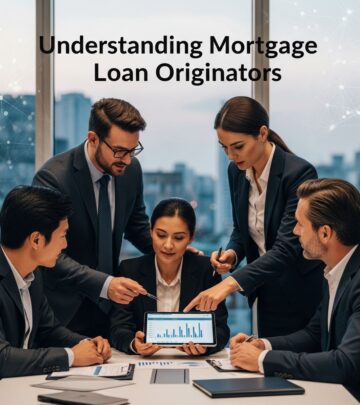
A mortgage loan originator (MLO) is a licensed professional who helps borrowers obtain mortgages to purchase homes or refinance existing loans. These professionals guide borrowers through the entire mortgage origination process, from initial contact through preapproval, loan application, and closing. MLOs serve as the primary liaison between borrowers and lending institutions, ensuring that the journey toward homeownership progresses as smoothly as possible. They may work for banks, credit unions, independent lending institutions, or operate as brokers working with multiple lenders. Sometimes referred to as loan officers or LOs, these professionals play a crucial role in the home financing landscape.
Understanding the Role of Mortgage Loan Originators
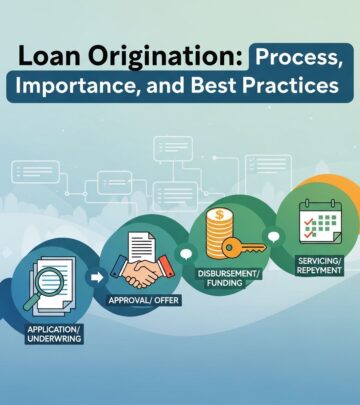
The primary responsibility of a mortgage loan originator is to help borrowers navigate the complex world of mortgage financing. MLOs assist borrowers in understanding whether they qualify for a mortgage, what loan options are available to them, and how to complete the application process successfully. Their work involves several key activities including collecting credit and financial information, assessing borrower needs, negotiating rates, and submitting applications for underwriting review.
It’s important to understand what MLOs do not do: they do not make the final decision on loan approval or determine the loan amount. That responsibility falls to the lender’s underwriting department, which evaluates the borrower’s risk profile independently. This separation of duties protects both borrowers and lenders by ensuring objective evaluation of loan applications.
Since 2008, loan originators have been subject to stricter state licensing requirements and other regulatory mandates, including the requirement to act in borrowers’ best interests whenever possible. This regulatory framework has strengthened consumer protections and ensured greater transparency in the lending process.
Types of Mortgage Loan Originators
Understanding the different types of mortgage loan originators is essential when shopping for a mortgage, as each type operates differently and may have varying incentives and resources.
Mortgage Bankers and Loan Officers
Mortgage bankers or loan officers work directly for institutions that provide the mortgage funds, such as banks, credit unions, or independent lenders. These professionals serve as the primary point of contact between borrowers and the lending institution. Some institutions refer to their bankers or loan officers as loan “advisors” or “specialists,” though the role remains essentially the same. A key distinction is that mortgage bankers use their own institution’s money for funding, which means they have more direct control over the lending decision.
Mortgage Brokers
Mortgage brokers operate differently from mortgage bankers. They are not employed by a specific lending institution but instead work with multiple institutions or wholesale lenders to match borrowers with appropriate mortgages. Brokers act as intermediaries, facilitating connections between borrowers and lenders. This structure can provide borrowers with access to a wider range of loan products and pricing options, as brokers can shop multiple lenders on behalf of their clients.
What Mortgage Loan Originators Do
The day-to-day responsibilities of an MLO encompass a wide range of activities designed to move borrowers through the origination process efficiently and transparently.
Information Collection and Assessment
MLOs begin by gathering comprehensive financial information from borrowers. This includes details about credit history, employment, income sources, existing debts, assets, and the expected down payment amount. They also collect information about the property being purchased. This information gathering is critical because it allows the MLO to assess whether a borrower might qualify for a mortgage and what loan products might be most suitable.
Loan Options and Rate Negotiation
Part of the MLO’s role is to explain different mortgage options available to the borrower and help negotiate competitive rates. This requires deep knowledge of various loan products, current market conditions, and the borrower’s specific financial situation. A skilled MLO can identify loan products that align with the borrower’s needs and financial capacity.
Application Processing
MLOs guide borrowers through the loan application process, typically using the Uniform Residential Loan Application (URLA). Most lenders use either Fannie Mae’s Form 1003 or Freddie Mac’s Form 65. The MLO ensures that all required information is accurately completed and submitted for underwriting review. Within three days of application submission, borrowers receive a loan estimate detailing all estimated costs, allowing them to compare offers across different lenders.
Process Management and Communication
One of the main responsibilities of an MLO is keeping the origination process on track and maintaining clear communication with borrowers. This includes updating borrowers about various steps in the process, responding to questions promptly, and addressing any issues that arise during underwriting.
How Mortgage Loan Originators Are Compensated
Understanding how MLOs earn their compensation can provide insight into potential incentives and help you evaluate whether an MLO is truly acting in your best interest.
Compensation structures vary depending on the type of MLO: Mortgage bankers and loan officers employed by lending institutions typically receive an annual salary or hourly rate plus a commission on every loan they close. Mortgage brokers are usually paid a commission or flat fee directly from the lender once the loan closes. Additionally, many lenders charge borrowers an origination fee, often ranging from 0.5 percent to 1 percent of the loan amount, which may be even higher for riskier borrowers. Mortgage bankers may also charge application fees, processing fees, credit check fees, and other nominal charges that accumulate throughout the lending process.
Tips for Choosing a Mortgage Loan Originator
Selecting the right MLO can significantly impact your home buying experience and financial outcome. Consider these recommendations when evaluating your options.
Assess Experience and Specialization
Ask potential MLOs about their experience working with borrowers in situations similar to yours. Do they specialize in certain loan products, such as jumbo loans, FHA loans, or investment property financing? Verify their license through the Nationwide Mortgage Licensing System & Registry (NMLS) consumer database, where you can search by name, company, lender, location, or NMLS ID. An MLO with relevant experience in your specific situation is more likely to guide you effectively.
Clarify Details and Get Answers
Don’t hesitate to ask detailed questions about the origination process. Understand the difference between prequalification and preapproval and which option the MLO will provide. Ask about down payment assistance programs or lender credits you might qualify for. Inquire about the rate lock period and associated costs. Your MLO should be able to answer these questions comprehensively and clearly.
Set Clear Expectations
Establish expectations about communication and responsiveness from the outset. Your MLO should be communicative—even overly so—about various steps in the process and readily available to answer your questions. If an MLO is unresponsive or difficult to reach, you have the right to move to a different lender and MLO, even if you’ve already locked in your rate. Good communication is a hallmark of professional service in the lending industry.
Shop Around
Talk to at least three mortgage lenders to compare offers. Start with your own bank to see what relationship programs it offers. Ask friends, family, and your real estate agent for recommendations on reputable lenders. When comparing offers, look beyond just the interest rate—consider the total cost of the loan, including origination fees and other closing costs. Use mortgage calculators to understand how different interest rates impact your monthly budget over the life of the loan.
Key Distinctions: Bankers vs. Brokers
Understanding the fundamental differences between mortgage bankers and brokers helps clarify their roles in the lending process. A banker uses their own institution’s money for funding, while a broker only facilitates between a borrower and a lender. Although this distinction might not seem critical from a borrower’s perspective, it has important implications. The mortgage banker, not a broker, will ultimately make the decision about your loan. Furthermore, some borrowers work directly with mortgage bankers from the beginning and never work with a broker at all.
Important Considerations When Working with MLOs
As you work with mortgage loan originators, keep several important points in mind. First, you should never feel pressured by an MLO to commit to a mortgage without fully understanding what the offer entails. Take time to review all terms and ask questions until you’re completely comfortable with the agreement.
Second, recognize that while avoiding an origination fee in your closing costs may seem appealing, it’s essential to consider the bigger picture. Adding fees to your loan balance means you’ll pay interest on those fees over the life of the loan, potentially costing you significantly more in the long run. Carefully evaluate upfront costs against long-term expenses when comparing offers from different lenders.
Third, understand that mortgage origination fees typically range from 0.5 percent to 1 percent of the loan principal, though fees can be higher depending on your risk profile and market conditions. Some lenders offer programs with no origination fees, but these might feature higher interest rates or other trade-offs.
Frequently Asked Questions
Q: What is the difference between a loan originator and a loan officer?
A: Loan originator and loan officer are terms that generally refer to the same licensed professional. The abbreviation “LO” is commonly used for both terms. In some cases, “loan originator” might refer to the institution creating and funding loans, but typically both terms refer to the same person.
Q: Do mortgage loan originators decide whether my loan gets approved?
A: No, MLOs do not make the final approval decision. That responsibility belongs to the lender’s underwriting department, which independently evaluates your financial information and risk profile. The MLO’s role is to help you prepare your application and guide you through the process.
Q: How much do mortgage loan originators earn?
A: Compensation varies significantly. Mortgage bankers and loan officers typically receive a salary or hourly rate plus commission on each loan closed. Mortgage brokers usually earn commission or flat fees from lenders after loan closing. Many MLOs also benefit from origination fees and other charges included in closing costs.
Q: Can I work with multiple mortgage loan originators?
A: Yes, you should shop around and work with multiple MLOs from different lenders to compare offers. This helps you find the best rates and terms. However, each loan application creates a hard inquiry on your credit, so try to submit all applications within a short timeframe (typically 14 days) to minimize impact on your credit score.
Q: How can I verify a mortgage loan originator’s license?
A: You can verify an MLO’s license through the Nationwide Mortgage Licensing System & Registry (NMLS) consumer database. Search by the originator’s name, company, lender, location, or NMLS ID number to confirm they are properly licensed.
Q: What if my mortgage loan originator is unresponsive?
A: You have the right to switch to a different lender and MLO at any time, even if you’ve already locked in your rate. Good communication and responsiveness are essential characteristics of professional lending service. Don’t settle for an unresponsive MLO.
References
- What Is A Mortgage Loan Originator? — Bankrate. Accessed 2025. https://www.bankrate.com/mortgages/mortgage-loan-originator/
- What Is The Mortgage Loan Origination Process? — Bankrate. Accessed 2025. https://www.bankrate.com/mortgages/home-loan-origination-process/
- Mortgage Bankers: Who They Are and What They Do in Home Lending — Bankrate. Accessed 2025. https://www.bankrate.com/mortgages/mortgage-banker/
Similar Articles








Read full bio of Sneha Tete