Mortgage Bonds Explained: Types, Risks, And Investor Guide
Understanding mortgage bonds: Secure investments backed by real estate and regular income.

What Is a Mortgage Bond: A Primer
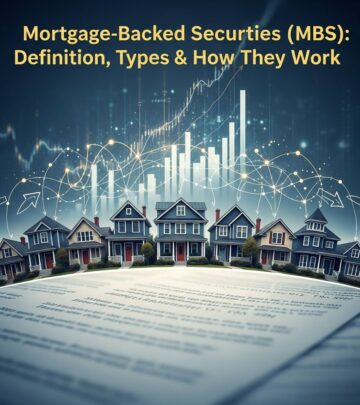
A mortgage bond is a type of bond secured by mortgages, representing a pooled investment vehicle backed by real estate. These financial instruments allow investors to participate in the mortgage market by purchasing securities derived from individual home loans. When homeowners make their monthly mortgage payments, bondholders receive proportional shares of the interest and principal payments, creating a steady income stream for investors seeking lower-risk investment opportunities.
Understanding Mortgage Bonds
At its core, a mortgage bond is a debt security backed by a pool of mortgages or specific real estate properties. Unlike unsecured bonds, mortgage bonds benefit from collateralization by physical assets—typically residential or commercial real estate. When financial institutions issue mortgage bonds, they essentially package numerous individual mortgages together and sell them as securities to investors. This process transforms individual home loans into tradable investment vehicles that can be bought and sold in secondary markets.
The fundamental characteristic of mortgage bonds is their structure as fixed-income investments that provide regular interest payments derived from the mortgage payments made by homeowners. If borrowers default on their loans, bondholders have a legal claim on the underlying properties, which can be liquidated to recover investments. This security feature distinguishes mortgage bonds from other debt instruments and typically results in lower yields compared to unsecured corporate bonds.
How Mortgage Bonds Work
The process of creating and issuing mortgage bonds involves several key steps. First, a homeowner obtains a mortgage loan from a bank or lending institution to purchase property. Rather than holding onto these individual loans indefinitely, lenders often sell them in the secondary market. These mortgages are purchased by larger entities such as investment banks or government-sponsored enterprises (GSEs) like Fannie Mae and Freddie Mac.
Once these entities acquire multiple mortgages, they bundle them together into a pool containing loans of varying sizes, interest rates, and maturity dates. This diversified portfolio is then securitized, meaning it is converted into tradable securities. The bundled mortgages are grouped into a structured investment vehicle that is divided into different classes or tranches based on risk level, interest rates, and expected maturity dates. These securities are then sold to various types of investors who purchase shares in the mortgage bond.
When homeowners make their monthly mortgage payments, a portion goes toward interest and the remainder toward paying down the principal balance. Mortgage bondholders receive their proportional share of these payments based on their ownership stake. This pass-through structure ensures that investors receive regular, predictable cash flows throughout the life of the bonds until the underlying mortgages are fully paid off.
Types of Mortgage Bonds
Mortgage bonds come in various forms, each with distinct characteristics and risk profiles. Understanding these different types is essential for investors seeking to match their investment objectives with appropriate securities.
Pass-Through Mortgage Bonds
Pass-through mortgage bonds allow investors to receive proportional interest shares and principal payments funded through the underlying mortgage pool. Earnings are distributed on a pro rata basis, meaning investors receive equal portions of principal and interest relative to their investment size. This straightforward structure makes pass-through bonds popular among income-focused investors.
Collateralized Mortgage Obligations
Collateralized Mortgage Obligations (CMOs) represent a more complex structure that divides cash flows into different tranches with varying risk levels and maturity dates. This allows investors to choose bonds that match their specific risk appetite and investment time horizons. CMOs offer greater flexibility in matching investor preferences with available securities.
First Mortgage Bonds
First mortgage bonds hold priority claims on the underlying property in case of default, taking precedence over second or subsequent mortgage claims. This senior position in the capital structure makes first mortgage bonds less risky than subordinated bonds, typically resulting in lower yields but greater security for investors.
Mortgage Bond Tranches
One of the most important features of mortgage bonds is their division into tranches, which represent different risk levels and return profiles within a single mortgage pool. Mortgage bonds are divided by risk level, amount of interest paid, and maturity dates. These stratified securities allow different types of investors to participate in the mortgage market according to their risk tolerance.
Senior tranches typically include first lien or secured loans and offer lower yields but greater protection. These bonds attract conservative investors such as insurance companies and pension funds seeking stable income with minimal risk. Junior tranches, conversely, include riskier second lien or unsecured loans and offer higher yields to compensate for elevated risk. These appeal to hedge funds and other higher-risk investors willing to accept volatility for greater potential returns.
The tranche structure essentially creates a waterfall effect for payment distribution. Senior tranches receive principal and interest payments first, while junior tranches receive their payments only after senior obligations are satisfied. This prioritization system protects conservative investors while creating opportunities for more aggressive investors to earn higher returns.
Key Differences: Mortgages vs. Mortgage Bonds
It is crucial to understand the distinction between mortgages and mortgage bonds, as they represent different perspectives on the same underlying asset. A mortgage is a loan agreement between a borrower and lender for purchasing property, with the property serving as collateral. The borrower makes monthly payments directly to the lender, and this relationship is bilateral and direct.
In contrast, mortgage bonds refer to investment securities backed by these mortgages. While homeowners deal with mortgages directly, investors purchase mortgage bonds that derive value from pools of these underlying loans. Essentially, investors participate in the mortgage market at scale without engaging directly with individual borrowers. This separation of duties allows the originating lenders to immediately recover capital and issue new loans while investors enjoy steady income streams.
Benefits and Advantages of Mortgage Bonds
Mortgage bonds offer several compelling advantages for investors seeking reliable income with manageable risk. The collateral backing—consisting of actual real estate properties—provides substantial protection. Even in the event of a homebuyer defaulting, because the real estate is used as collateral for both the bond issuer and the bondholders, those properties can be repossessed or sold to recover investments.
These securities appeal particularly to income investors looking to generate regular and recurring yield. The monthly payment structure provides consistent cash flow superior to many alternative investments. Additionally, mortgage bonds help investors diversify their portfolios by providing exposure to real estate markets without direct property ownership.
Government-backed mortgage bonds, issued or guaranteed by GSEs, carry minimal credit risk since they are implicitly or explicitly backed by the federal government. This characteristic makes them among the safest investments available, particularly appealing to risk-averse institutional investors.
Risks and Limitations
Despite their relative safety, mortgage bonds do carry certain risks that investors must consider. Prepayment risk represents a significant concern, particularly in declining interest rate environments. When interest rates fall, homeowners often refinance their mortgages at lower rates, causing the underlying loans to be paid off ahead of schedule. This forces bondholders to reinvest their recovered capital at lower prevailing rates, potentially reducing overall portfolio returns.
Extension risk represents the opposite scenario. When interest rates rise, homeowners hold their mortgages longer to avoid refinancing, extending the average life of the bond beyond anticipated maturity dates. This exposes bondholders to duration risk in rising rate environments.
Because safer investments typically correlate to lower returns, mortgage bonds can produce lower yields than other types of bonds, particularly unsecured corporate or high-yield securities. Investors seeking maximum returns may find the yield insufficient relative to their objectives.
Mortgage Bonds vs. Fixed-Coupon Bonds
| Feature | Mortgage Bonds | Fixed-Coupon Bonds |
|---|---|---|
| Payout Interval | Monthly | Semiannually |
| Payout Composition | Interest and Principal | Interest Only |
| Payout Amount | Fluctuates | Remains the Same |
| Principal Accrual | Occurs Gradually Monthly | Occurs at Maturity |
| Maturity Date | Average | Short |
Why Investors Choose Mortgage Bonds
Investors select mortgage bonds for multiple strategic reasons. The predictable cash flow structure appeals to those requiring regular income, such as retirees or institutional investors with specific liability schedules. The real estate collateral provides psychological comfort and actual protection that unsecured debt instruments cannot offer.
The availability of government-backed options through GSEs provides investors with extremely safe, liquid investments suitable for conservative portfolios. Meanwhile, private mortgage-backed securities offer yield premiums for those willing to accept slightly higher credit risk in exchange for enhanced returns.
The ability to select specific tranches based on risk tolerance allows sophisticated investors to customize their exposure to mortgage markets. This flexibility makes mortgage bonds suitable for diverse investor profiles, from conservative institutional investors to more aggressive hedge funds.
Frequently Asked Questions
Q: What is the primary difference between a mortgage and a mortgage bond?
A: A mortgage is a loan agreement between a borrower and lender for purchasing property. A mortgage bond is an investment security backed by a pool of these mortgages, allowing investors to earn returns from multiple borrowers’ payments without direct lending involvement.
Q: How do mortgage bonds generate income for investors?
A: When homeowners make their monthly mortgage payments, mortgage bondholders receive proportional shares of the interest and principal payments. These distributions continue until the underlying mortgages are fully paid off, creating steady monthly cash flow.
Q: What are mortgage tranches?
A: Mortgage tranches are different classes within a mortgage bond, divided by risk level, interest rates, and maturity dates. Senior tranches have priority for payments and lower risk; junior tranches have higher risk but offer higher yields.
Q: What happens if a homeowner defaults on their mortgage?
A: When a homeowner defaults, bondholders have legal claims on the underlying property. They can repossess or sell the property to recover their investments, with senior tranche holders receiving payment priority.
Q: Why do mortgage bonds typically offer lower yields than corporate bonds?
A: Mortgage bonds are backed by real estate collateral and carry lower default risk than unsecured corporate bonds. Because safer investments correlate with lower returns, investors accept reduced yields in exchange for greater security.
Q: What is prepayment risk in mortgage bonds?
A: Prepayment risk occurs when homeowners refinance their mortgages at lower interest rates, paying off loans ahead of schedule. Bondholders must reinvest recovered capital at lower prevailing rates, potentially reducing overall returns.
Q: Who typically purchases mortgage bonds?
A: Insurance companies, pension funds, and institutional investors purchase senior tranches seeking safe, predictable income. Hedge funds and sophisticated investors purchase junior tranches willing to accept higher risk for greater yields.
References
- What are mortgage bonds and how do they work? — Rocket Companies, Inc. Accessed 2025. https://www.rocketmortgage.com/learn/mortgage-bond
- Mortgage Bonds: Meaning, Types & Advantages — Axis Bank Ltd. Accessed 2025. https://www.axisbank.com/progress-with-us-articles/investment/demat-trading/mortgage-bonds
- What Is a Mortgage Bond: A Primer — Money.com. Accessed 2025. https://money.com/what-is-a-mortgage-bond/
- Mortgage Bonds: Meaning, Purpose, Advantages & Limitations — Scripbox. Accessed 2025. https://scripbox.com/pf/mortgage-bonds/
- Mortgage Bonds: Meaning, Types, Benefits & Risks — BondBazaar. Accessed 2025. https://www.bondbazaar.com/blog-detail/mortgage-bonds
- Mortgage-backed security — Wikimedia Foundation, Inc. Accessed 2025. https://en.wikipedia.org/wiki/Mortgage-backed_security
Similar Articles








Read full bio of Sneha Tete