What Is the Minimum Wage: Federal, State, and Local Rates
Complete guide to federal, state, and local minimum wage rates and their economic impact.
Understanding the Minimum Wage: A Comprehensive Overview
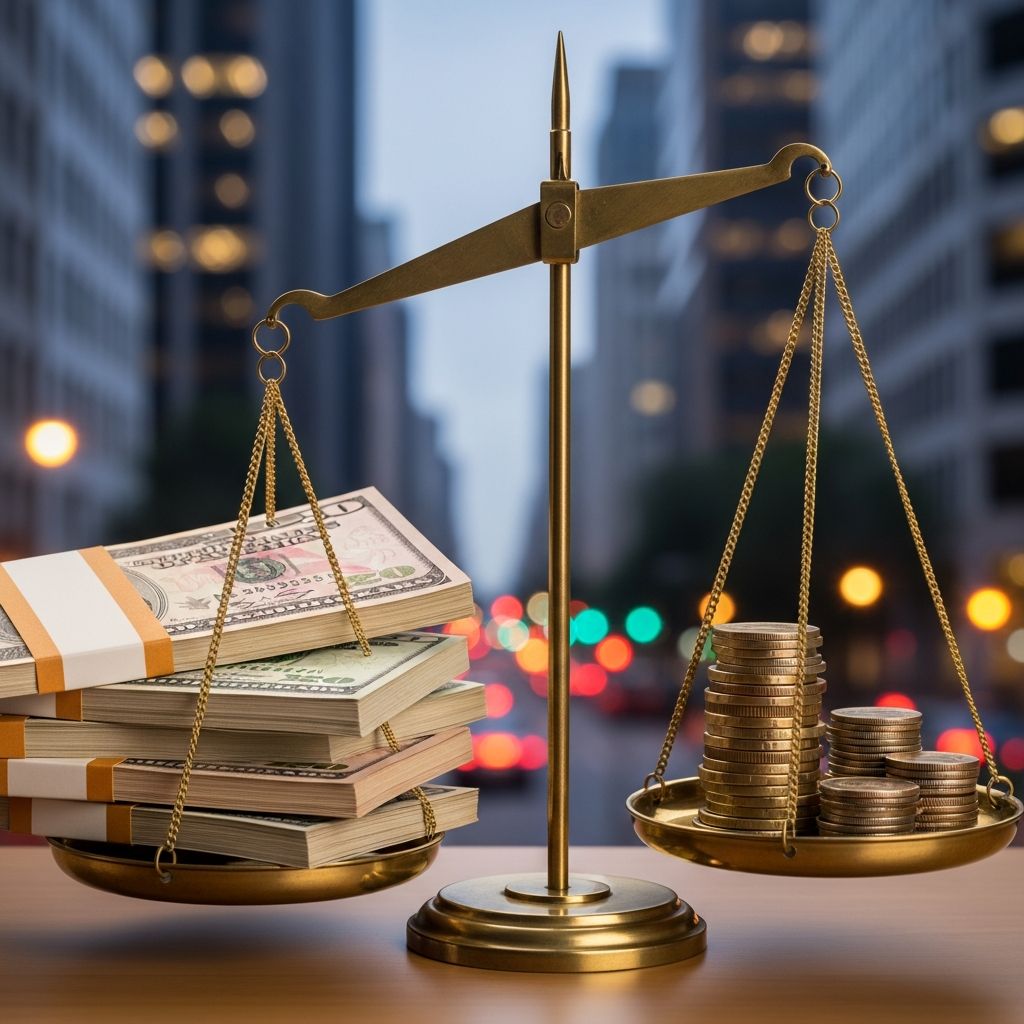
The minimum wage represents the lowest hourly rate that employers are legally required to pay their employees under federal, state, and local labor laws. The concept of a minimum wage emerged from efforts to protect workers from exploitation and ensure a basic standard of living. In the United States, minimum wage policy operates on multiple levels—federal, state, and local—creating a complex system where workers are entitled to whichever wage is highest in their jurisdiction. As of 2024, the federal minimum wage remains at $7.25 per hour, a level that has remained unchanged since 2009, while individual states and cities have increasingly set their own higher standards to reflect local economic conditions and cost of living.
The Federal Minimum Wage
The federal minimum wage of $7.25 per hour applies to most workers covered under the Fair Labor Standards Act (FLSA). This rate has been stagnant for over 15 years, creating ongoing debate about whether it adequately addresses the needs of low-wage workers. The federal minimum wage was last increased in 2009, and since then, inflation and rising living costs have significantly eroded its purchasing power. Workers earning the federal minimum wage today face substantially greater financial challenges than workers who earned that same wage in 2009, as the real value of their wages continues to decline each year.
Congress holds the authority to establish and modify the federal minimum wage, which applies nationally unless a state or local jurisdiction has established a higher rate. When employers have workers in multiple jurisdictions, they must comply with the highest applicable wage requirement in each location.
Why the Federal Minimum Wage Matters
The federal minimum wage serves as a baseline protection for workers nationwide. However, its inadequacy has become increasingly apparent. Researchers estimate that a minimum wage below $15 per hour costs U.S. taxpayers over $107.4 billion per year in public assistance expenditures, as many minimum wage workers qualify for supplementary government programs. This suggests that businesses earning profits from low-wage labor are, in effect, subsidized by taxpayer-funded safety nets.
State and Local Minimum Wage Variations
Recognizing that federal minimum wage does not account for regional economic differences, many states have implemented their own minimum wage laws. As of March 2025, the landscape of state minimum wages reflects significant variation across the country. Washington State has the highest state minimum wage at $16.28 per hour, reflecting the higher cost of living in the Pacific Northwest. Meanwhile, five states—Alabama, Louisiana, Mississippi, South Carolina, and Tennessee—do not have their own minimum wage laws and rely entirely on the federal minimum. Two additional states, Georgia and Wyoming, have set their minimum wages below the federal level, meaning the federal minimum applies to workers in those states.
Approximately 25 states and Washington D.C. have established minimum wages above the federal level, with many of these increases implemented to address inflation and rising living costs. The variation reflects important policy choices by state legislatures to account for local economic conditions.
City and Local Minimum Wages
Beyond state-level variations, some cities have implemented even higher local minimum wages than their states. Seattle and San Francisco are notable examples, having implemented local minimum wages that exceed their respective state minimums. This three-tiered system—federal, state, and local—means that a worker’s minimum wage eligibility depends on their specific location and employer size, creating complexity in the wage landscape.
The Evolution of Minimum Wage Policy
The minimum wage has undergone significant changes since its inception. The federal minimum wage was first established in 1938 at $0.25 per hour as part of the Fair Labor Standards Act during the Great Depression. Over the decades, it has been increased multiple times to reflect inflation and changing economic conditions. However, these increases have become less frequent and often lag significantly behind actual inflation, meaning the real purchasing power of minimum wage workers has declined considerably over time.
The Living Wage Debate
One of the central controversies surrounding minimum wage policy concerns whether it provides a living wage—compensation sufficient to meet basic needs without food or housing insecurity. Research indicates a substantial gap between current minimum wage rates and actual living wage requirements. According to economic analysis, a true living wage that supports a basic standard of living would need to fall between $20 and $26 per hour or more, depending on the specific state and local conditions.
Some economists argue that if the federal minimum wage had increased proportionally with U.S. productivity growth over the past decades, it would currently stand at approximately $25.52 per hour in 2024 dollars. This significant discrepancy highlights how minimum wage policy has failed to keep pace with broader economic growth and worker productivity.
Impact on Different Demographics
Minimum wage policy disproportionately affects certain groups within the workforce. A federal increase to $15.00 per hour would directly impact 32.2 million workers, with particularly significant effects on workers of color. This increase would raise the earnings of approximately 31.3% of Black workers, 26% of Hispanic or Latino workers, and 18.4% of white workers, indicating that racial and ethnic minorities are overrepresented among minimum wage earners.
Economic Arguments Regarding Minimum Wage
Arguments in Favor of Raising Minimum Wage
Proponents of higher minimum wages argue that increases would significantly alleviate poverty and improve family well-being. Supporters point out that raising wages to $15 per hour would immediately boost income for 10.5 million working families enrolled in public assistance programs, representing approximately 32 percent of program participants. Additionally, increasing the federal minimum wage to $15.00 could decrease SNAP (food assistance) enrollment by 3.1 to 3.6 million people, saving nearly $4.6 billion in annual program expenditures.
Advocates for wage increases emphasize that workers deserve compensation reflecting the value they create through their labor. They argue that higher minimum wages would reduce economic inequality, decrease reliance on social safety nets, and stimulate economic growth through increased consumer spending.
Economic Concerns About Minimum Wage Increases
Critics of minimum wage increases argue that setting wages above the market equilibrium rate can create unintended economic consequences. When minimum wage is set above what labor supply and demand naturally balance at, employers may reduce hiring, cut hours, or accelerate automation to offset higher labor costs. This concern is particularly acute for small businesses operating on thin profit margins, where labor represents a substantial portion of operating expenses.
Research examining recent minimum wage increases reveals mixed results. For example, analysis of Seattle’s minimum wage increases from $9.47 to $11 and then to $13 per hour found that while wages increased, hour reductions more than offset these gains, resulting in a net loss of earnings for some workers. This finding illustrates the complexity of minimum wage policy—even well-intentioned increases can have unintended consequences.
Critics also argue that minimum wage increases disproportionately affect young, inexperienced, and low-skilled workers who may lose job opportunities as employers reduce hiring. They suggest targeted policies like the Earned Income Tax Credit (EITC) are more effective at assisting low-income workers without distorting labor markets.
The Real Value of Wages Over Time
A critical issue in minimum wage policy is the erosion of real wages due to inflation. The federal minimum wage of $7.25, unchanged since 2009, has declined significantly in purchasing power. Workers earning today’s federal minimum wage can afford less food, housing, and other necessities than workers earning the same nominal wage in 2009. This erosion occurs without any action by workers or employers—simply through the normal process of inflation.
To maintain consistent purchasing power, minimum wages would need to be adjusted regularly for inflation. Some policy proposals suggest indexing minimum wage to inflation, allowing automatic annual adjustments that keep wages aligned with rising costs of living.
Recommendations for Policy Reform
Based on current economic analysis, several policy recommendations have emerged from researchers and policymakers:
- Raise the federal minimum wage substantially: Increasing the federal minimum wage to at least $15.00 would immediately benefit millions of workers, though some analysts suggest higher levels ($20-$26 per hour) may be necessary to provide genuine living wages.
- Establish state minimum wages reflecting cost of living: States should implement minimum wages that reflect their specific cost of living. For example, Hawaii might require $29.92, North Carolina $22.54, and Connecticut $25.28 to ensure workers can afford basic necessities in their regions.
- Index minimum wage to inflation: Implementing automatic inflation adjustments would prevent future wage erosion and reduce the need for political battles over periodic increases.
- Implement gradual increases: Rather than large, sudden jumps in minimum wage, smaller but more frequent increases allow employers to gradually adapt to higher labor costs.
- Protect affected workers and businesses: Policies and regulations should be considered to limit potential negative impacts on small businesses and vulnerable workers during wage transitions.
State-Specific Considerations
The effectiveness of minimum wage policy varies significantly based on state economic conditions. States with large gaps between their minimum wage and the median wage in their jurisdiction tend to experience smaller employment effects from increases. Conversely, states where the proposed minimum wage closely approaches the median wage may see more substantial labor market adjustments.
Notably, about 80% of the 25 states with wage differences over $12.00 still adhere to the federal minimum wage, indicating significant opportunity for state-level policy reform. States choosing to implement higher minimum wages have the flexibility to design policies that balance worker protection with business considerations.
Frequently Asked Questions
Q: What is the current federal minimum wage?
A: As of 2024, the federal minimum wage is $7.25 per hour, unchanged since 2009. This rate applies to most workers covered under the Fair Labor Standards Act, though states and localities can set higher minimums that supersede this federal floor.
Q: How does minimum wage vary by state?
A: States have the authority to set their own minimum wages above the federal level. As of March 2025, Washington has the highest state minimum wage at $16.28 per hour, while five states have no state minimum wage law. Approximately 25 states and D.C. have minimum wages above the federal level.
Q: What is a living wage, and how does it differ from minimum wage?
A: A living wage is compensation sufficient to afford basic necessities including food, housing, and healthcare without relying on government assistance. Research suggests living wages range from $20 to $26 or more per hour depending on location, substantially exceeding current minimum wage rates.
Q: Why hasn’t the federal minimum wage increased since 2009?
A: Federal minimum wage increases require Congressional action. Despite debate about the inadequacy of the current rate, political disagreement between lawmakers has prevented increases. This stagnation means the real purchasing power of minimum wage has declined significantly due to inflation.
Q: How does minimum wage affect employment?
A: The employment effects of minimum wage are complex and contested. While wage increases provide income benefits to employed workers, some research suggests they can reduce hiring, particularly for low-skilled workers. The magnitude of employment effects depends on how substantially wages increase above market rates and local economic conditions.
Q: Who benefits most from minimum wage increases?
A: Minimum wage increases disproportionately benefit workers of color and women, who are overrepresented in low-wage jobs. A $15 minimum wage would raise earnings for 31.3% of Black workers, 26% of Hispanic workers, and 18.4% of white workers.
Q: What are some alternatives to minimum wage policy?
A: Policy alternatives include the Earned Income Tax Credit (EITC), which supplements earnings for low-income workers without creating potential employment distortions, and targeted assistance programs that address specific needs of vulnerable populations.
References
- Minimum Wage is Not Enough — Drexel University Hunger-Free Center. 2024. https://drexel.edu/hunger-free-center/research/briefs-and-reports/minimum-wage-is-not-enough/
- The Economics of the Minimum Wage: Myths, Facts, and Consequences — American Institute for Economic Research (AIER). 2025. https://aier.org/article/the-economics-of-the-minimum-wage-myths-facts-and-consequences/
- Equity Implications of the Unchanged Federal Minimum Wage Since 2009 — Virginia Commonwealth University RISE. 2024. https://rise.vcu.edu/news/news-posts/equity-implications-of-the-unchanged-federal-minimum-wage-since-2009.html
- How Will Higher Minimum Wages Affect Family Life and Children’s Health — National Center for Biotechnology Information (NCBI/PubMed). 2018. https://pmc.ncbi.nlm.nih.gov/articles/PMC5966045/
- Minimum Wage — U.S. Department of Labor. 2024. https://www.dol.gov/general/topic/wages/minimumwage
Similar Articles








Read full bio of medha deb