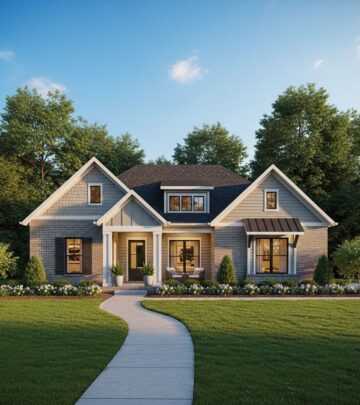
What Is a Manufactured Home? Complete Guide
Discover manufactured homes: affordable, factory-built housing solutions for modern homeowners.
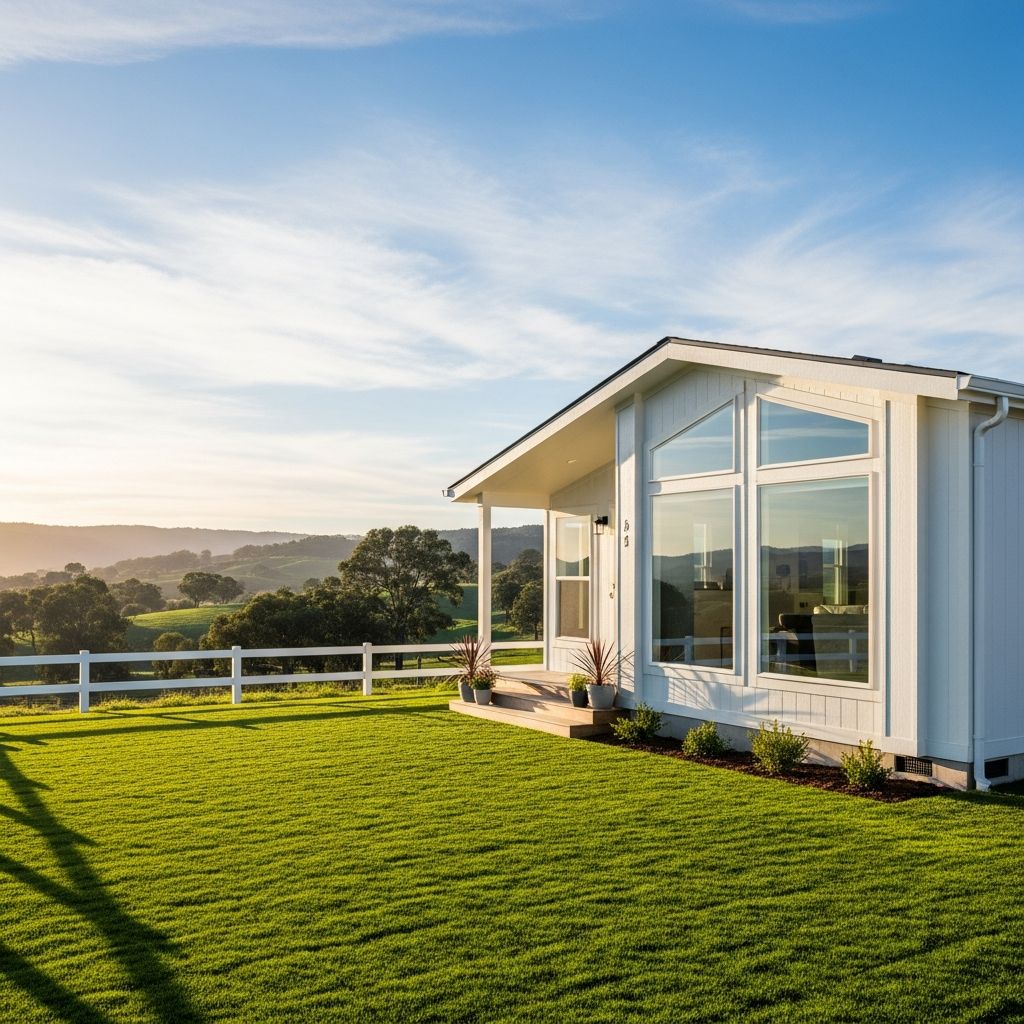
What Is a Manufactured Home?
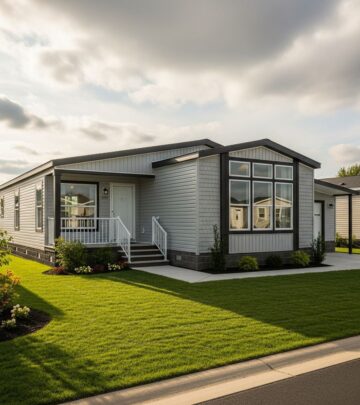
A manufactured home is a residence that is built in a factory setting and then transported to a piece of land where it is set up as a permanent residence. Unlike traditional site-built homes that are constructed on-site from the ground up, manufactured homes are constructed in controlled factory environments according to federal building standards and regulations. These homes are built on a permanent chassis and are designed to be affixed to land, making them a distinct housing option in today’s real estate market.
The manufacturing process involves building the entire home or major components in a factory, then delivering it via truck to the homeowner’s lot where it is assembled and installed. This approach to home construction has become increasingly popular as an affordable alternative to traditional home building, particularly in markets where housing affordability has become a significant challenge.
How Manufactured Homes Are Built
The construction of manufactured homes follows a fundamentally different process than traditional home building. Factory construction allows for greater efficiency, quality control, and cost savings. Manufactured homes are built indoors in climate-controlled environments, which protects the building process from weather delays and allows for more precise construction techniques.
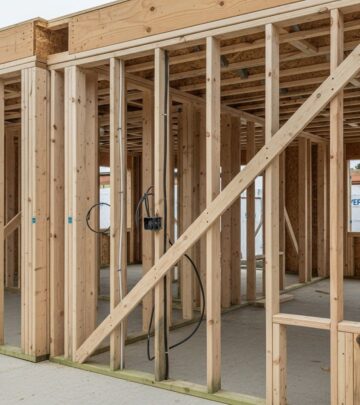
The manufacturing process includes several key stages. First, the home is designed and components are fabricated in the factory. The walls, roof, flooring, and other major structural elements are built according to HUD (Department of Housing and Urban Development) standards. Interior finishing, including plumbing, electrical wiring, cabinetry, and appliances, is completed in the factory before the home leaves the facility. This comprehensive factory completion means that when your manufactured home arrives at your lot, it is essentially move-in ready, requiring only final assembly and utility connections.
Once the lot is prepared with proper permits and utility connections, the manufacturer delivers the home by truck and completes the assembly process on-site, typically within hours. This efficiency is a major factor in the cost savings associated with manufactured homes compared to traditional construction.
Manufactured Homes vs. Site-Built Homes
While manufactured homes and site-built homes serve similar purposes, they differ in several important ways. Understanding these differences is essential for making an informed decision about which type of home is right for you.
Construction Location: The most fundamental difference is where construction occurs. Site-built homes are constructed entirely on-site by various subcontractors working over several months. Manufactured homes are constructed in factories and then transported to the homeowner’s property. This difference impacts both cost and construction timeline significantly.
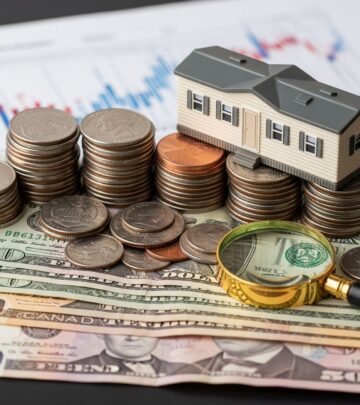
Cost: Manufactured homes are substantially cheaper than site-built homes. The average price per square foot for manufactured homes in 2021 was $57 per square foot, compared to $119 average for traditional homes (excluding land costs). The average manufactured double-wide home costs approximately $145,200, while the median price of traditional homes exceeds $416,900 in the U.S.
Building Standards: Modern manufactured homes built after June 15, 1976, must comply with federal HUD building codes and standards. Quality improvements in recent years have made manufactured homes comparable to site-built homes in terms of construction standards and durability.
Foundation: Manufactured homes can be set up on blocks, metal piers, or a permanent foundation. Site-built homes are typically built on concrete foundations. This flexibility in foundation options provides another cost advantage for manufactured homes.
Appreciation and Depreciation: Historically, manufactured homes have appreciated more slowly than site-built homes, and in some cases have depreciated over time. This slower appreciation affects financing options and equity building for owners.
Cost Savings and Affordability
One of the primary advantages of manufactured homes is their significant cost savings compared to traditional construction. Several factors contribute to these savings.
Factory Efficiency: Building homes in a factory environment is more efficient than traditional on-site construction. Assembly line processes, standardized materials, and controlled conditions reduce waste and labor costs. Factory workers can complete tasks more quickly when not subject to weather delays or site-specific challenges.
Reduced Labor Costs: Traditional site-built homes require coordination of multiple subcontractors over an extended period. Manufactured homes consolidate this labor into a factory setting where workers specialize in specific tasks, increasing productivity and reducing overall labor expenses.
Material Efficiency: Factory construction allows for better material planning and reduces waste. Manufacturers can order materials in bulk at lower costs and use precise manufacturing techniques that minimize material loss.
Speed of Construction: The entire assembly and installation process for a manufactured home typically takes only hours, compared to months for site-built homes. This speed reduces carrying costs and allows buyers to occupy their homes sooner.
The result is that manufactured homes offer substantial cost savings, making homeownership more accessible to buyers with limited budgets or those seeking more affordable housing options in high-cost markets.
Types of Manufactured Homes
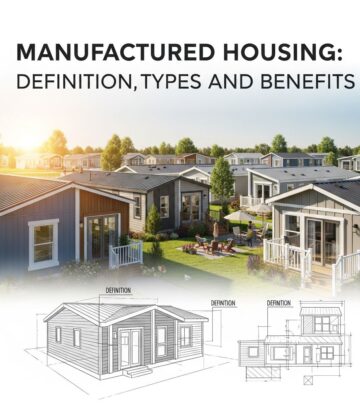
Manufactured homes come in various configurations to meet different needs and preferences. Understanding these types can help you determine which option best suits your requirements.
Single-Wide Homes: These homes are typically 8 to 12 feet wide and 40 to 80 feet long. They offer a more compact, affordable option and are often easier to place on smaller lots.
Double-Wide Homes: Double-wide manufactured homes are approximately 20 to 24 feet wide and offer significantly more square footage and living space than single-wide models. They provide more of a traditional home feel while still maintaining affordability advantages.
Triple-Wide Homes: The largest standard configuration, triple-wide homes offer even more space and can rival traditional site-built homes in terms of square footage and features.
It is important to distinguish manufactured homes from modular homes and mobile homes, as these terms are sometimes used interchangeably but have distinct differences. Mobile homes, built before modern HUD standards, may not use permanent foundations and can technically be moved. Modular homes are factory-built but are permanently affixed to foundations and are often subject to local building codes rather than federal HUD standards. Manufactured homes specifically refer to homes built after 1976 according to federal HUD standards and are designed to be permanently situated on land.
Financing Your Manufactured Home
Financing a manufactured home can be more complex than financing a traditional home, as fewer lenders offer loans for these properties. However, several financing options are available to qualified buyers.
| Loan Type | Credit Score Min | Down Payment Min | Interest Rate | Loan Terms |
|---|---|---|---|---|
| Conventional | 620 | 3-5% | Fixed or Adjustable | Up to 30 years |
| FHA | 580 | 3.5% | Fixed | Up to 25-30 years |
| VA | Generally 620 | 0% | Fixed or Adjustable | Up to 20-25 years |
| USDA | 640 | 0% | Fixed | Up to 30 years |
| Chattel Loans | As low as 575 | 0-35% | Fixed | Up to 30 years |
| Personal Loans | As low as 580 | None | Fixed | Up to 7 years |
Government-Backed Loans
FHA Loans: FHA Title I and Title II loans are specifically designed for manufactured homes. Title I loans can be used for purchasing a new or used manufactured home, refinancing, or making improvements. Title II loans cover both the home and the land, with requirements including a minimum floor area of 400 square feet and construction after June 15, 1976.
VA Loans: Veterans may be eligible for VA loans for manufactured homes if the property meets specific requirements, including that the home be built on a permanent chassis and the loan covers both the home and the underlying land.
USDA Loans: The USDA offers loans for manufactured homes in eligible rural areas, providing options for borrowers in those regions.
Chattel Loans
Chattel loans are secured by the home but not the land, making them a common financing option for manufactured home buyers who rent their land or do not own the property beneath their home. These loans typically have higher interest rates (ranging from 8 to 14 percent) and fewer consumer protections than mortgages. Around 42% of manufactured home purchase loans are chattel loans, reflecting their prevalence in this market.
Interest Rate Considerations
Buyers of manufactured homes often face higher interest rates than site-built home purchasers, even with good credit. Historically, manufactured home buyers have paid approximately a quarter point higher interest rate than site-built home buyers, regardless of credit history or income. This rate premium reflects the lender’s perception of higher risk due to slower home appreciation and depreciation concerns.
The Process of Buying a Manufactured Home
Understanding the steps involved in purchasing a manufactured home can help you navigate the process more smoothly.
Step 1: Determine Your Budget and Get Financing Pre-Approval
Begin by assessing your financial situation and determining how much you can afford to spend on a manufactured home. Once you have a budget in mind, seek pre-approval from lenders who offer manufactured home financing. This pre-approval will give you a clear understanding of your borrowing capacity and make you a more competitive buyer.
Step 2: Find the Right Home
Work with manufacturers or dealers to explore available models that fit your needs and budget. Many manufacturers offer customization options that allow you to upgrade features and finishes to suit your preferences, though upgrades will increase the base price.
Step 3: Secure Your Lot
Determine whether you will own the land or rent space in a manufactured home park. If owning land, ensure it is suitable for a manufactured home installation. The lot must meet local zoning requirements and be ready to accommodate utility connections.
Step 4: Prepare the Lot
The manufacturer will work with you to prepare the land for installation. This process includes applying for necessary permits, preparing utility connections, and ensuring the ground is properly prepared according to specifications.
Step 5: Schedule Delivery and Installation
Once financing is in place and the lot is ready, schedule delivery and installation of your home. The manufacturer will transport the home to your property and complete the assembly and installation process.
Advantages of Manufactured Homes
Affordability: The most significant advantage is cost savings, making homeownership accessible to more people.
Quality Standards: Modern manufactured homes meet strict federal HUD building standards, ensuring quality construction and durability.
Speed: The entire installation process takes only hours, allowing you to occupy your home quickly.
Customization: Many manufacturers offer options to customize your home to your preferences.
Energy Efficiency: Factory-built homes often include modern energy-efficient features and materials.
Challenges and Considerations
Financing Difficulty: Fewer lenders offer manufactured home financing, and approval rates are lower than for site-built homes, with less than 30% of manufactured home loan applications approved compared to over 70% for site-built homes.
Higher Interest Rates: Manufactured home buyers typically pay higher interest rates than traditional mortgage borrowers.
Slow Appreciation: Manufactured homes historically appreciate more slowly than site-built homes and may depreciate in some cases.
Land Ownership: Many manufactured home owners rent their land from parks, which can result in rent increases over time and limits equity building.
Refinancing Limitations: Very few manufactured home loans are refinanced even during periods of low interest rates, limiting opportunities to reduce payments through refinancing.
Frequently Asked Questions
Q: What is the difference between a manufactured home and a mobile home?
A: Manufactured homes are built after June 15, 1976, and meet federal HUD building standards. Mobile homes were built before these standards were established and may not be permanently affixed to land. Manufactured homes are designed as permanent residences, while mobile homes may technically be movable.
Q: Can I get a conventional mortgage for a manufactured home?
A: Yes, conventional mortgages are available for manufactured homes through some lenders, including Fannie Mae and Freddie Mac programs. However, you may face stricter requirements and higher interest rates than traditional home buyers. The home must meet specific standards, such as being built after 1976 and having a minimum floor area of 400 square feet.
Q: Do manufactured homes appreciate in value?
A: Manufactured homes historically appreciate more slowly than site-built homes. In some cases, they may even depreciate. However, appreciation depends on factors such as location, the quality of the home, maintenance, and overall market conditions. Homes in desirable locations or well-maintained properties may appreciate better than others.
Q: What are the main cost savings with manufactured homes?
A: Cost savings come from factory-based construction efficiency, reduced labor costs through standardized processes, better material planning that reduces waste, and faster overall construction timelines. These efficiencies result in manufactured homes costing approximately $57 per square foot compared to $119 for traditional homes.
Q: What financing options are available for manufactured homes?
A: Options include FHA Title I and II loans, VA loans (for veterans), USDA loans (for rural areas), conventional loans through Fannie Mae or Freddie Mac, chattel loans (secured by the home but not the land), and personal loans. Each option has different credit score requirements, down payment amounts, and interest rates.
Q: Do I need to own the land for a manufactured home?
A: No, many manufactured home owners rent land in manufactured home parks. However, land ownership provides greater stability and equity building potential. If you rent land, be aware that lot rents can increase over time and you have less control over your living situation.
Q: How long does it take to install a manufactured home?
A: Once your lot is prepared and financing is in place, a manufactured home can be delivered and installed in just a few hours, making the process much faster than traditional home construction which can take several months.
Q: Are manufactured homes as durable as site-built homes?
A: Modern manufactured homes built to current HUD standards are comparable in durability to site-built homes. Factory construction in controlled environments can actually result in better quality control. However, proper installation and maintenance are essential for long-term durability.
References
- Home, sweet (manufactured?) home — Minneapolis Federal Reserve. 2005. https://www.minneapolisfed.org/article/2005/home-sweet-manufactured-home
- Manufactured Homes Offer Relief As Affordability Squeeze Tightens — Bankrate. https://www.bankrate.com/real-estate/manufactured-homes-gain-momentum/
- How to Finance a Mobile or Manufactured Home — Bankrate. https://www.bankrate.com/loans/personal-loans/how-to-buy-a-mobile-home/
- Manufactured Housing Loan Borrowers Face Higher Interest Rates, Risks and Barriers to Credit — Consumer Financial Protection Bureau. https://www.consumerfinance.gov/about-us/newsroom/manufactured-housing-loan-borrowers-face-higher-interest-rates-risks-and-barriers-to-credit/
- Manufactured and Mobile Home Loans Guide — Bankrate. https://www.bankrate.com/mortgages/manufactured-mobile-home-loans/
- What Is A Manufactured Home? — Bankrate. https://www.bankrate.com/real-estate/what-is-a-manufactured-home/
- Modular vs manufactured homes: What’s the difference? — Bankrate. https://www.bankrate.com/real-estate/modular-vs-manufactured-homes/
Similar Articles








Read full bio of medha deb