What Is a Luxury Item: Definition, Types & Characteristics
Explore luxury items: their definition, characteristics, types, and what sets them apart from everyday goods.
What Is a Luxury Item?
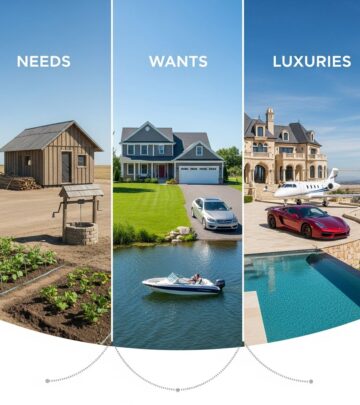
A luxury item is an expensive product that is considered elite and highly desirable within a community or culture. These are non-essential goods purchased primarily to enhance one’s lifestyle and demonstrate purchasing power. Unlike necessity items that fulfill basic human needs such as food and shelter, luxury items are acquisitions made to elevate social status and personal satisfaction. Individuals with higher incomes typically purchase luxury goods to display their wealth and gain social prestige within their circles.
The demand for luxury goods is characterized by high-income elasticity, meaning that as personal income increases, the demand for these products rises proportionally or even more dramatically. Conversely, when income decreases, consumers quickly reduce their spending on luxury items. This economic principle distinguishes luxury goods from essential commodities, which maintain consistent demand regardless of income fluctuations.
It’s important to note that the definition of luxury is not static and varies significantly based on changes in technology, time, geographic location, and individual income levels. What is considered a luxury item in one culture or time period may be viewed as a standard item in another. Additionally, in the United States, certain luxury goods are subject to specialized luxury taxes that increase their cost further.
Types of Luxury Items
The world of luxury goods encompasses a diverse range of products and services, each representing the pinnacle of quality and exclusivity in their respective categories. Understanding the different types helps illustrate the breadth of the luxury market.
- Haute couture apparel and designer fashion clothing
- High-end and luxury automobiles
- Private jets and aviation services
- Luxury yachts and water vessels
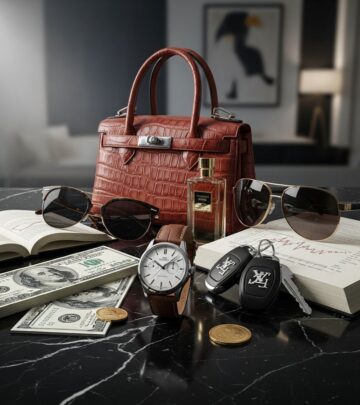
- Designer handbags and accessories
- Premium real estate and properties
- Luxury luggage and travel accessories
- Live-in staff services including maids, chefs, and chauffeurs
- Fine watches and timepieces
- Jewelry and precious accessories
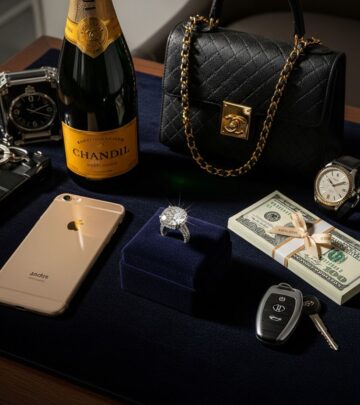
- Engagement rings and gemstones
- Premium wine and spirits
- Exclusive club memberships
Defining Characteristics of Luxury Items
Luxury items possess several distinctive characteristics that set them apart from ordinary consumer goods. These defining features work together to create products and experiences that justify their premium price points and appeal to affluent consumers.
Uniqueness and Distinctiveness
The hallmark of luxury is its extraordinariness. Consumers invest substantial sums in luxury products specifically because they offer something different and exceptional. The quality and craftsmanship involved in creating luxury goods ensure they stand out from mass-produced alternatives. These items present innovative features and superior construction that deliver tangible value and enhanced comfort to their owners. The distinctive nature of luxury goods means they command attention and admiration from others.
Rarity and Exclusivity
Luxury goods are inherently rare and exclusive. Scarcity—whether created through limited production runs, exceptional materials, or meticulous handcraftsmanship—significantly enhances their desirability and value. High-end brands deliberately limit availability to maintain exclusivity and prevent their products from becoming commonplace. This controlled rarity ensures that luxury item ownership remains a marker of privileged access and special status.
Excellence and Superior Quality
Luxury never compromises on quality. Premium materials, flawless craftsmanship, and unwavering quality standards are non-negotiable aspects of luxury production. Luxury brands maintain consistent excellence across all their offerings, with no shortcuts in materials, construction, or attention to detail. This commitment to excellence means luxury items often outlast and outperform their mass-market equivalents, providing lasting value and credibility that enhances the owner’s reputation.
Expensiveness and Premium Pricing
While not all expensive items are luxury goods, all luxury products command premium prices. The high cost reflects the superior materials, exceptional craftsmanship, and brand prestige involved in their creation. Expensiveness serves as both a marker of exclusivity and a signal of the product’s commitment to excellence. The substantial investment required to purchase luxury items ensures they remain accessible only to those with significant disposable income.
Timelessness and Enduring Design
True luxury transcends fleeting trends and maintains relevance across decades. Luxury designers create pieces with clean lines, thoughtful proportions, and intelligent design that resist obsolescence. Unlike fast fashion or seasonal novelties, luxury items are crafted to remain desirable and functional for extended periods. This timeless quality allows consumers to invest in fewer, higher-quality pieces that provide lasting value and can be rotated or repaired over many years rather than discarded after a single season.
Personalization and Bespoke Customization
Luxury feels inherently personalized, whether truly bespoke or not. High-end brands excel at understanding what their ideal customers desire, often anticipating needs before consumers fully articulate them. Luxury products are designed to feel specifically created for their owner, instilling a sense of uniqueness and belonging. Prestigious houses like Louis Vuitton, Prada, and Ede & Ravenscroft ensure each item receives a personal touch, creating products that feel tailored and one-of-a-kind rather than mass-produced.
Craftsmanship and Longevity
Luxury begins with superior craftsmanship. Expert artisans employ high-quality materials, premium textiles or leathers, durable stitching, and hardware designed to endure through time. These aren’t merely aesthetic features—they are tangible indicators of lasting value and investment quality. Brands like Métier, The Row, and Savette focus on meticulous detail and design integrity, creating products meant to be loved, repaired, and used across decades rather than discarded after minimal use.
Pleasurable and Emotional Experience
Luxury is pleasurable on both rational and emotional levels. The tactile satisfaction of superior materials combines with emotional rewards such as elicited envy, increased status, and feelings of power or accomplishment. The quest for personal satisfaction is intrinsic to luxury product purchases. Whether it’s the rational pleasure of handling exquisite materials or the emotional satisfaction of owning something prestigious, luxury items deliver satisfaction that extends beyond mere functionality.
Unforgettable Experience and Service
A luxury item is fundamentally an experience, not just an object. High-touch service, luxurious packaging, and sophisticated retail environments combine to create enriching experiences that remain memorable long after purchase. Components of the luxury experience include personalized service, attractive packaging that sets first impressions, thoughtfully designed store environments, and knowledgeable sales staff who embody the brand’s values. These experiential elements become etched in memory, enhancing the overall value of the purchase.
How Luxury Items Differ from Necessity Items
The fundamental distinction between luxury and necessity items lies in their purpose and role in consumer behavior. Necessity items fulfill basic human requirements—food, water, shelter, and clothing needed for survival and fundamental comfort. These products maintain consistent demand regardless of economic conditions or income levels.
Luxury items, conversely, are entirely discretionary purchases made to elevate lifestyle quality and signal social status. Demand for these products fluctuates dramatically with income changes and economic conditions. When income rises, luxury spending increases substantially; when income falls, consumers rapidly curtail luxury purchases. This inverse relationship between income and luxury goods demand is precisely what defines them as luxury items in economic terms.
The Role of Income in Luxury Consumption
Income is the primary determinant of luxury goods consumption. Investment in luxury items is directly proportional to personal income, creating a strong correlation between earnings and luxury spending patterns. A significant surge in income typically triggers increased demand for luxury goods, while economic downturns or income reductions lead to swift decreases in luxury purchases.
This income sensitivity explains why luxury markets are particularly vulnerable during economic recessions and why they thrive during periods of economic expansion. Affluent consumers adjust their spending on luxury items based on financial circumstances, often maintaining or even increasing purchases during strong economic periods while dramatically reducing them during downturns.
Examples of Common Luxury Items
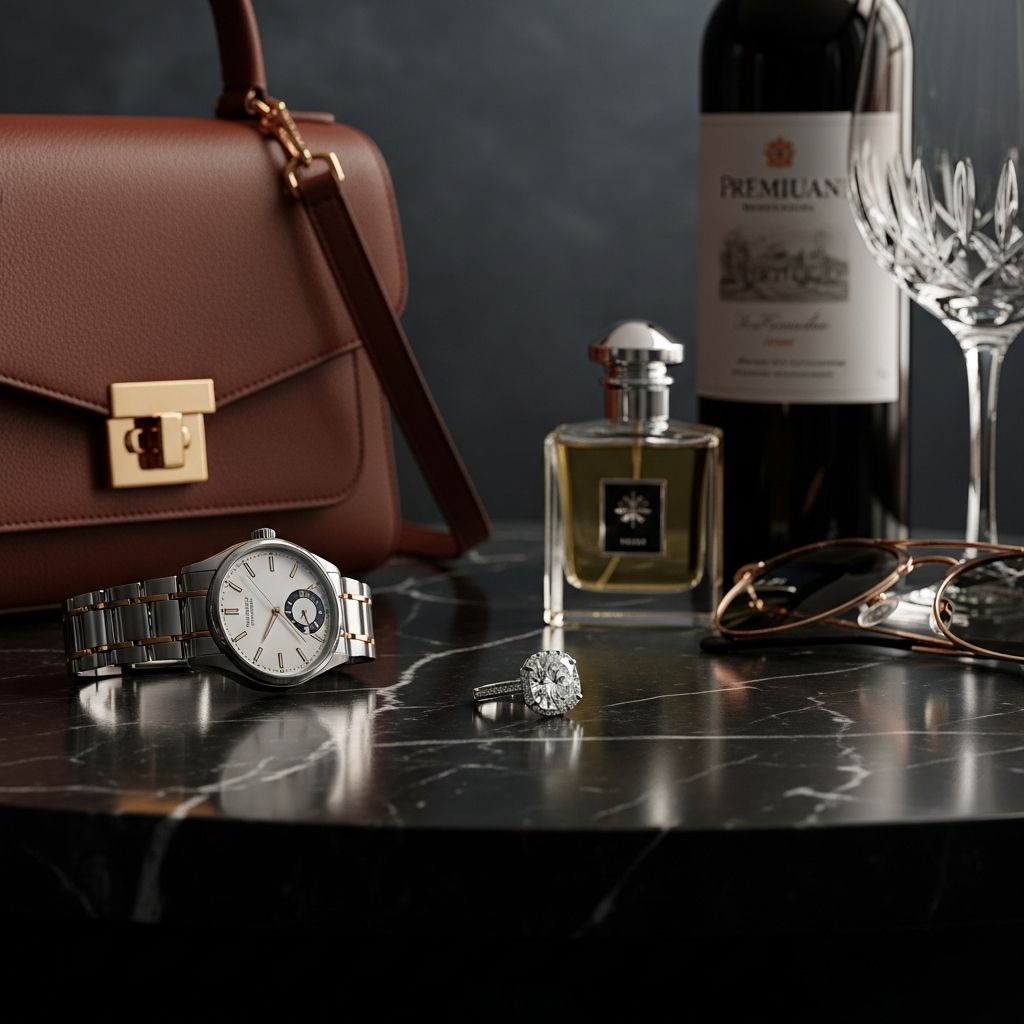
The universe of luxury goods spans numerous categories, each representing the finest offerings in their respective markets:
- High-end watches and timepieces from prestigious manufacturers
- Fine jewelry and precious gemstones
- Designer accessories and leather goods
- Premier automobiles and sports cars
- Expensive wines and vintage spirits
- Designer apparel and haute couture
- Luxury handbags and leather products
- Fur coats and premium outerwear
- Expensive residential properties and real estate
- Private aviation and jets
- Luxury yachts and boats
- Premium membership services and exclusive clubs
- Live-in domestic staff including chefs, housekeepers, and personal assistants
- Luxury resorts and exclusive vacations
Conspicuous Consumption and Status Symbols
Many luxury items function as status symbols, with their primary purpose being to display the purchasing power and wealth of their owners. This phenomenon, known as conspicuous consumption, drives purchases of items that may not necessarily offer superior performance or functionality compared to less expensive alternatives. Instead, consumers purchase these goods primarily to signal their financial capacity and social standing.
Luxury apartments, designer watches, expensive jewelry, designer clothing, private jets, yachts, and large residences all exemplify conspicuous consumption. While these items may possess superior quality, the primary motivation for their purchase is often the social signal they transmit to others rather than their inherent utility or performance advantages.
Luxury Services and Experiences
Luxury extends beyond tangible products to encompass exclusive services and experiences. High-end financial services, personal advisory roles, and specialized brokerage houses cater to affluent individuals and are considered luxury services by default, as lower-income consumers typically do not utilize them. Similarly, hiring full-time or live-in domestic staff—such as personal chefs, housekeepers, or chauffeurs—represents a luxury that reflects significant income disparities.
Golf club memberships, exclusive resort experiences, private concierge services, and personalized travel arrangements also constitute luxury services. These offerings provide convenience, exclusivity, and prestige that justify their premium pricing and appeal to high-net-worth individuals seeking distinction and superior service quality.
Frequently Asked Questions
Q: What are some common examples of luxury items?
A: Common luxury items include high-end watches, fine jewelry, accessories, designer automobiles, premium wines, designer clothing, luxury handbags, leather and fur products, expensive homes and real estate, private jets, and yacht vessels. Luxury also encompasses premium services such as live-in chefs, personal chauffeurs, and exclusive golf club memberships.
Q: How do luxury goods differ from regular products in terms of demand?
A: Luxury goods exhibit high-income elasticity of demand, meaning their demand increases or decreases more dramatically than changes in consumer income. If income rises by 10%, demand for luxury items might increase by 15-20%. In contrast, demand for necessity items remains relatively stable regardless of income fluctuations.
Q: Why are luxury items so expensive?
A: Luxury items command premium prices due to superior materials, exceptional craftsmanship, limited production, brand prestige, and the exclusive experiences they provide. The high cost reflects the significant investment in quality, the expertise of artisans involved, and the inherent scarcity that maintains exclusivity.
Q: Can an item be considered luxury in one place but not in another?
A: Yes, the definition of luxury is contextual and varies based on geographic location, time period, technological advancement, and local income levels. What constitutes a luxury item in one culture or era may be considered standard or even essential in another, depending on prevailing economic conditions and social standards.
Q: Are luxury goods always better in quality than mass-market alternatives?
A: While luxury goods are generally characterized by superior quality, materials, and craftsmanship, some luxury items derive their premium pricing from brand prestige and status symbolism rather than performance superiority. However, true luxury products consistently deliver exceptional quality, durability, and longevity that justify their higher prices.
Q: How does the luxury market respond to economic changes?
A: The luxury market is highly sensitive to economic conditions and income changes. During economic expansions and periods of rising incomes, luxury goods consumption increases significantly. Conversely, during recessions and economic downturns, luxury spending declines rapidly as consumers prioritize essential purchases and reduce discretionary spending.
References
- Luxury Item – Definition, Types, Characteristics, Examples — Wall Street Mojo. 2025. https://www.wallstreetmojo.com/luxury-item/
- The Eight Characteristics of Luxury Products — LBBOnline. https://lbbonline.com/news/the-eight-characteristics-of-luxury-products
- The Top 5 Characteristics of Luxury Goods — More Luxury. https://www.moreluxury.club/blogs/more-blog/this-weeks-obsession-the-top-5-characteristics-of-luxury-goods
- Luxury goods — Wikimedia Foundation, Inc. 2025. https://en.wikipedia.org/wiki/Luxury_goods
Similar Articles








Read full bio of medha deb