Loan: Definition, Types, and How They Work
Complete guide to loans: understanding types, terms, and borrowing essentials.
What Is a Loan?
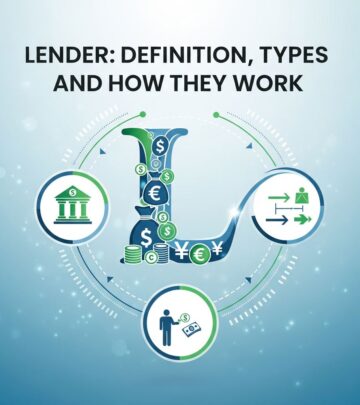
A loan is a financial arrangement where a lender provides money to a borrower with the expectation that the borrower will repay the amount with interest over a specified period. Loans are fundamental financial instruments that enable individuals and businesses to access capital for various purposes, from purchasing homes to funding business expansion. The lender, typically a bank, credit union, or other financial institution, extends credit based on the borrower’s creditworthiness and ability to repay.
When you borrow money through a loan, you enter into a legally binding agreement that outlines the terms and conditions of the borrowing arrangement. This agreement specifies the principal amount borrowed, the interest rate, the repayment schedule, and any fees or penalties associated with the loan. Understanding loans is essential for making informed financial decisions and managing debt effectively.
Key Components of a Loan
Every loan consists of several essential components that define the borrowing relationship:
- Principal: The original amount of money borrowed from the lender
- Interest Rate: The percentage charged by the lender for lending money, typically expressed as an annual percentage rate (APR)
- Term: The length of time over which the loan must be repaid, usually ranging from a few months to several years
- Collateral: Assets pledged by the borrower to secure the loan (in secured loans only)
- Fees: Additional charges such as origination fees, prepayment penalties, or late payment fees
- Repayment Schedule: The timeline and frequency of payments required to satisfy the loan obligation
Types of Loans
Loans can be categorized in various ways depending on their characteristics, purpose, and structure. Understanding different loan types helps borrowers select the most appropriate financing option for their needs.
Secured Loans
A secured loan is backed by collateral, which is an asset the borrower pledges as security. If the borrower defaults on the loan, the lender has the right to seize and sell the collateral to recover the loaned amount. Because secured loans carry less risk for lenders, they typically feature lower interest rates compared to unsecured loans.
Examples of secured loans include:
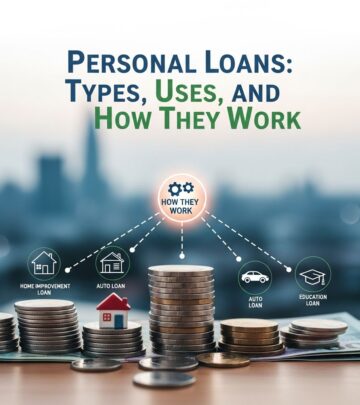
- Mortgages: Loans used to purchase real estate, with the property serving as collateral
- Auto Loans: Financing for vehicle purchases, with the vehicle as collateral
- Home Equity Loans: Loans borrowed against the equity in a home
- Secured Credit Cards: Credit cards requiring a cash deposit as collateral
Unsecured Loans
An unsecured loan does not require collateral. Instead, the lender approves the loan based on the borrower’s creditworthiness, income, and credit history. Because unsecured loans carry higher risk for lenders, they typically feature higher interest rates and stricter credit requirements.
Examples of unsecured loans include:
- Personal Loans: General-purpose loans that can be used for various expenses
- Student Loans: Financing for educational expenses
- Credit Cards: Revolving lines of credit
- Payday Loans: Short-term loans typically due on the borrower’s next payday
Revolving vs. Installment Loans
Revolving Loans: Allow borrowers to repeatedly borrow and repay funds up to a predetermined credit limit. Credit cards and lines of credit are examples of revolving loans. As the borrower repays the debt, the available credit is replenished.
Installment Loans: Require fixed payments at regular intervals until the full loan amount is repaid. Auto loans, mortgages, and personal loans are typically structured as installment loans.
How Loans Work
The loan process begins when a borrower applies for financing from a lender. The lender evaluates the application by assessing the borrower’s creditworthiness, income, employment history, and debt-to-income ratio. Based on this evaluation, the lender decides whether to approve, deny, or conditionally approve the loan application.
If approved, the borrower receives the funds, typically through a bank transfer or check. The borrower then begins repaying the loan according to the established payment schedule. Each payment consists of principal (the amount reducing the loan balance) and interest (the cost of borrowing). Over the life of the loan, the proportion of principal to interest in each payment changes, with earlier payments containing more interest and later payments containing more principal.
Understanding Interest Rates
Interest rates play a crucial role in determining the total cost of borrowing. Several factors influence the interest rate you receive on a loan:
- Credit Score: Borrowers with higher credit scores typically qualify for lower interest rates
- Loan Type: Secured loans usually have lower rates than unsecured loans
- Loan Term: Shorter-term loans may have different rates than longer-term loans
- Economic Conditions: Prevailing market interest rates affect loan pricing
- Lender Type: Banks, credit unions, and online lenders may offer different rates
- Down Payment: Larger down payments may result in better interest rates
Fixed vs. Variable Interest Rates
Fixed Interest Rates: Remain constant throughout the loan term, providing predictable monthly payments and protection against rising interest rates. Most mortgages and personal loans feature fixed rates.
Variable Interest Rates: Fluctuate based on market conditions and economic indicators. While initial rates may be lower than fixed rates, payments can increase if the index used to calculate the rate rises.
Loan Terms and Conditions
Loan agreements contain specific terms and conditions that both the lender and borrower must understand and follow:
| Term | Description |
|---|---|
| Origination Fee | An upfront fee charged by the lender for processing the loan application |
| Prepayment Penalty | A fee charged if the borrower pays off the loan before the maturity date |
| Late Payment Fee | A penalty charged when a payment is not made by the due date |
| Annual Percentage Rate (APR) | The total cost of borrowing expressed as a yearly percentage, including interest and fees |
| Amortization Schedule | A detailed breakdown of each payment showing principal and interest portions |
Advantages and Disadvantages of Loans
Advantages:
- Access to capital for major purchases or investments
- Ability to spread large expenses over time
- Opportunity to build credit history when payments are made on time
- Predictable payment schedules with installment loans
- Tax deductions available for certain types of loans, such as mortgage interest
Disadvantages:
- Interest costs increase the total amount repaid
- Risk of debt accumulation if multiple loans are taken out
- Potential default and credit damage if payments are missed
- Collateral seizure is possible with secured loans
- Fees and penalties can add to the cost of borrowing
Choosing the Right Loan
Selecting the appropriate loan requires careful consideration of your financial situation, needs, and goals. Before applying for a loan, evaluate the following factors:
- Determine Your Needs: Clarify the purpose and amount needed
- Check Your Credit Score: Know your creditworthiness to understand what rates you may qualify for
- Compare Lenders: Research multiple lenders to find competitive rates and terms
- Calculate Total Cost: Consider interest, fees, and the total amount you’ll repay
- Assess Repayment Ability: Ensure monthly payments fit within your budget
- Read the Fine Print: Understand all terms, conditions, and potential penalties
Loan Application Process
The typical loan application process involves several steps:
- Prequalification: Many lenders offer prequalification to estimate what you might qualify for without a hard credit inquiry
- Application: Complete a formal application providing personal and financial information
- Documentation: Submit supporting documents such as pay stubs, tax returns, and bank statements
- Credit Check: The lender performs a hard inquiry on your credit report
- Underwriting: The lender thoroughly reviews your application and documentation
- Approval: If approved, you receive a loan offer with specific terms
- Closing: Finalize the agreement and receive the funds
Frequently Asked Questions
Q: What is the difference between a loan and a line of credit?
A: A loan provides a lump sum of money that is repaid over a fixed term. A line of credit is a revolving account that allows you to borrow and repay repeatedly up to a credit limit, similar to a credit card.
Q: Can I get a loan with bad credit?
A: Yes, options exist for borrowers with bad credit, including secured loans, credit unions, and specialized lenders. However, you may face higher interest rates and stricter terms.
Q: What happens if I default on a loan?
A: Defaulting on a loan can result in severe consequences including damage to your credit score, collection agency involvement, wage garnishment, and asset seizure in the case of secured loans.
Q: Can I pay off a loan early?
A: Most loans allow early repayment, though some may charge a prepayment penalty. Paying off early can save you money on interest. Always check your loan agreement for any penalties.
Q: What is APR and why does it matter?
A: APR (Annual Percentage Rate) represents the total yearly cost of borrowing, including interest and fees. It matters because it provides a comprehensive view of what you’ll actually pay and allows for meaningful comparison between different loan offers.
Q: How is my credit score affected by loans?
A: Taking out a loan can positively or negatively impact your credit score. Timely payments build credit, while missed payments damage it. Multiple loan inquiries can temporarily lower your score, but a diverse credit mix may improve it.
References
- Consumer Finance Protection Bureau (CFPB) — Loan Types and Features — U.S. Consumer Finance Protection Bureau. 2024. https://www.consumerfinance.gov/askcfpb/
- Federal Reserve — Credit and Loans Information — Board of Governors of the Federal Reserve System. 2024. https://www.federalreserve.gov/creditloans/
- Fair Credit Reporting Act (FCRA) — Understanding Your Credit — Federal Trade Commission. 2024. https://www.ftc.gov/news-events/news/news-releases/2024/
- National Foundation for Credit Counseling (NFCC) — Loan Education Resources — NFCC. 2024. https://www.nfcc.org/
- Truth in Lending Act (TILA) — Consumer Disclosure Requirements — Federal Reserve Board. 2023. https://www.federalreserve.gov/boarddocs/supmanual/cch/till_about.pdf
Similar Articles








Read full bio of medha deb