Level 2 Background Check: Complete Guide For Employers
Comprehensive guide to Level 2 background checks: Everything employers need to know.
What Is a Level 2 Background Check?
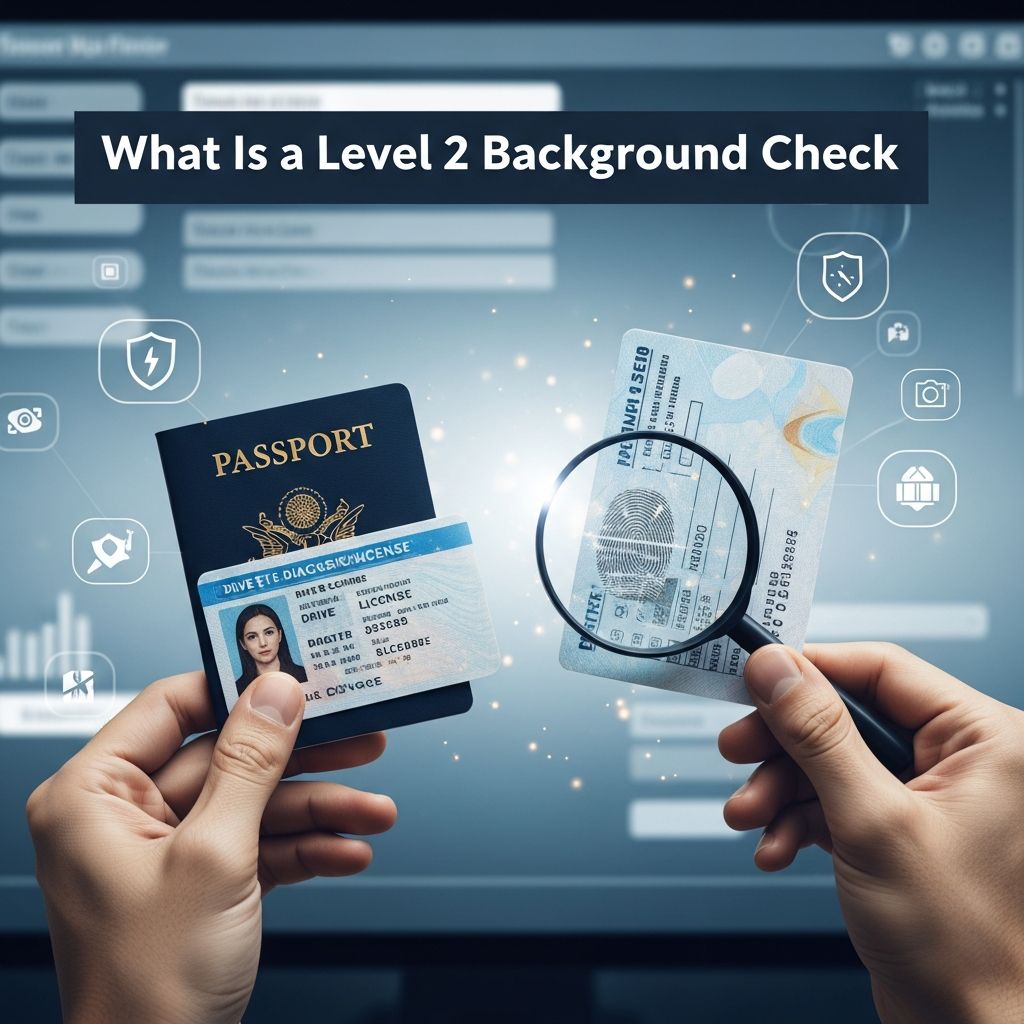
A Level 2 background check is a comprehensive fingerprint-based screening process used by employers, government agencies, and organizations to assess an individual’s suitability for positions requiring a high level of trust and responsibility. Unlike basic background checks, Level 2 screenings go significantly deeper into an applicant’s history, examining state-level and federal criminal records, sealed court documents, employment history, and educational credentials. This type of background check is particularly important for roles involving vulnerability, access to sensitive information, or positions of authority.
The Level 2 screening process is more detailed than standard background checks and may extend further back in an applicant’s history, often looking beyond the typical 7-10 year window. Organizations in sectors such as federal government, defense, financial services, healthcare, and education commonly require Level 2 background checks as part of their hiring protocols.
Purpose and Importance of Level 2 Background Checks
Level 2 background checks serve several critical purposes for employers and organizations. The primary objective is to enable informed hiring decisions based on comprehensive information about an applicant’s background and qualifications. By conducting thorough screenings, employers aim to mitigate risks associated with hiring individuals who may pose threats to workplace safety, integrity, or the protection of vulnerable populations.
Organizations that handle sensitive information, work with vulnerable populations such as children or elderly adults, or operate in high-security environments rely heavily on Level 2 checks to ensure they are hiring trustworthy and qualified individuals. This screening level is essential for federal law enforcement agencies, educational institutions, healthcare facilities, and financial services providers.
Key Components of Level 2 Background Checks
In-Depth Criminal History Review
One of the most fundamental components of a Level 2 background check is a comprehensive review of an individual’s criminal history. This process involves searching databases at the county, state, and federal levels to uncover any criminal records. Background check providers search for convictions, pending charges, and in some cases, arrests that have not resulted in convictions.
The Level 2 check includes access to the FBI’s Integrated Automated Fingerprint Identification System (IAFIS), which scours through national criminal records and even global terror watch lists. Additionally, these checks examine sealed court records pertaining to juvenile delinquency convictions and detention records. It is important to note that expunged records, which have been legally erased from a person’s record, are not available to potential employers and will not be disclosed in a Level 2 background check.
Fingerprint-Based Verification
Fingerprinting is a key component of Level 2 background checks that distinguishes them from basic screenings. This process involves submitting fingerprints to be checked against national databases, including FBI records and state criminal history repositories. The fingerprint-based approach ensures a thorough review of criminal history and helps identify potential issues that might not be visible through other verification methods.
The fingerprinting process is performed on a national scale rather than only within state boundaries, providing insight into federal offenses and uncovering any hidden or sealed records. This comprehensive approach significantly reduces the risk of missing critical information during the screening process.
Employment History Verification
Level 2 background screenings include detailed employment history checks that verify an applicant’s work experience. This component includes the names of previous employers, job titles, and exact dates of employment. Verification specialists contact past employers to confirm employment details and may inquire about job performance, reasons for leaving, and overall work conduct.
Employment history verification helps employers validate that candidates have the claimed experience and ensures there are no significant gaps or inconsistencies in their professional background. This verification process is crucial for positions requiring specific expertise or experience.
Initial Screening and Consent Process
The first step in conducting a Level 2 background check is obtaining the applicant’s informed consent. This initial screening ensures that the applicant is aware of and agrees to undergo the background check process. Consent forms typically outline the specific types of information that will be gathered, how it will be used, and the rights of the applicant under applicable laws such as the Fair Credit Reporting Act (FCRA) in the United States.
Level 2 Background Check Scope and Reach
Level 2 background checks have an extensive scope that sets them apart from basic Level 1 checks. While Level 1 checks are usually conducted at the state level and examine criminal background and employment history, Level 2 checks pull federal and nationwide data that is all-encompassing.
These comprehensive screenings cover offenses that typically include prison and criminal records, juvenile arrests, expunged records, and any other instances where an individual faced legal implications for their actions. The searches conducted through Level 2 checks can technically go back as far as records exist, though most employers choose to limit their search to the past ten years or adhere to state-specific regulations regarding lookback periods.
How Far Back Do Level 2 Background Checks Go?
The depth of a Level 2 background check can vary depending on state laws, the nature of crimes, and employer requirements. Generally, the criminal history check typically covers the past seven years. However, this timeframe can extend further depending on state regulations and the seriousness of offenses.
Serious offenses, such as felonies, might be reported beyond the seven-year standard limit imposed by some jurisdictions. For positions requiring security clearance or involving significant responsibility, employers may request checks that extend back ten years or longer. The relevance of a Level 2 background check usually remains valid as long as the job position requires it, though periodic rechecks may be necessary for ongoing employment in highly sensitive roles.
Timeline for Completion
The time frame for completing a Level 2 background check can vary considerably. Typically, the process takes between one to three weeks to complete. The duration is influenced by several factors including the complexity of the individual’s history, the efficiency of the screening company, and the responsiveness of past employers and educational institutions contacted during verification.
While some online services offer expedited background check options for those in a hurry, it is important to recognize that the thoroughness of the check cannot be compromised for speed. The comprehensive nature of Level 2 checks requires adequate time to properly search multiple databases and verify employment and educational information.
Level 2 Background Check vs. Level 1: Key Differences
| Feature | Level 1 Background Check | Level 2 Background Check |
|---|---|---|
| Scope | State-level searches only | Federal, state, and local searches |
| Fingerprinting | State fingerprinting only | National fingerprint-based (FBI IAFIS) |
| Criminal Records | State criminal databases | Federal, state, county, and national databases |
| Sealed Records | Not typically included | Includes sealed court records and juvenile records |
| Employment Verification | Basic verification | Detailed employment history |
| FBI Database Access | No | Yes, full access |
| Time Required | 3-5 business days | 1-3 weeks |
| Cost | Lower cost | Higher cost |
Industries and Positions Requiring Level 2 Background Checks
Level 2 background checks are required across various industries where trust, security, and responsibility are paramount. Federal government positions regularly require Level 2 screenings as a condition of employment. Defense contractors and military-related positions necessitate these comprehensive checks to ensure national security.
The healthcare industry requires Level 2 background checks for doctors, nurses, technicians, and administrative staff who may have access to patient information or interact directly with vulnerable populations. Educational institutions require Level 2 checks for teachers, administrators, and support staff who work with students. Financial institutions conduct these screenings for employees handling sensitive financial information or client funds.
Additionally, childcare providers, social workers, law enforcement officers, and other professionals working with vulnerable populations such as children or elderly adults typically undergo Level 2 background checks. Organizations providing in-home services, transportation services, and positions involving security clearances also require this level of screening.
FBI Check and National Database Access
A Level 2 background check usually includes an FBI check, which provides access to fingerprint-based searches of the national criminal history database that the FBI manages and oversees. The FBI check ensures a thorough review of the subject’s criminal history across all states and identifies serious offenses that might not appear in state-only checks.
This level of scrutiny through the FBI database is typically reserved for jobs requiring extra responsibility, providing access to financial information, or involving interaction with vulnerable people. The inclusion of FBI database access significantly enhances the comprehensiveness of the Level 2 screening process.
Additional Checks Included in Level 2 Screening
Beyond criminal history and fingerprinting, Level 2 background checks often include additional verification components. Sexual predator and sexual offender registry searches are conducted for any state in which the applicant resided during a specific period, often the preceding five years. These searches are particularly important for positions involving work with minors or vulnerable populations.
Local criminal records checks through local law enforcement agencies may also be conducted to ensure comprehensive coverage. Credit checks may be included for positions involving financial responsibility, depending on employer requirements and legal compliance considerations. Reference checks from previous employers and educational institutions provide additional insights into an applicant’s character and work history.
Legal and Compliance Considerations
Employers conducting Level 2 background checks must comply with the Fair Credit Reporting Act (FCRA) and other applicable state and federal regulations. The FCRA requires employers to obtain written consent before conducting background checks and to provide applicants with copies of any reports obtained. Applicants must also be informed of their rights to dispute inaccurate information.
State laws may impose additional requirements regarding lookback periods, types of offenses that can be considered, and how information can be used in hiring decisions. Some states prohibit the consideration of certain criminal records based on age or the nature of the offense. Employers must understand and comply with all applicable regulations to avoid legal liability and ensure fair hiring practices.
What Information Is Revealed in Level 2 Checks
Level 2 background checks reveal comprehensive information about an applicant’s background. Criminal records including felony and misdemeanor convictions are disclosed. Pending charges and arrests, even if not yet resolved, may be reported. The check includes information about any incarceration history and details about the nature of criminal offenses.
Employment history verification reveals job titles, employment dates, and employer contact information. The check can also identify address history and residency information used to conduct state-specific searches. Educational credentials can be verified to confirm claimed degrees or certifications. In some cases, financial information may be included if relevant to the position.
Frequently Asked Questions
Q: What is the difference between Level 1 and Level 2 background checks?
A: Level 1 checks search only state criminal databases and are typically completed within 3-5 business days. Level 2 checks are more comprehensive, including federal and state criminal records, fingerprint-based FBI searches, sealed court records, and detailed employment verification. They take 1-3 weeks to complete and provide a nationwide scope rather than just state-level information.
Q: How long does a Level 2 background check take?
A: Typically, a Level 2 background check takes between one to three weeks to complete. The duration depends on the complexity of the applicant’s history, the efficiency of the screening company, and how quickly previous employers and educational institutions respond to verification inquiries.
Q: Can a Level 2 background check reveal expunged records?
A: No, expunged records that have been legally erased are not available to employers and will not appear in a Level 2 background check. However, sealed court records, particularly those related to juvenile delinquency, may be included in Level 2 screenings depending on state law.
Q: Who requires Level 2 background checks?
A: Level 2 checks are required for positions in federal government, defense, financial services, healthcare, education, law enforcement, childcare, and other roles involving security clearance or work with vulnerable populations. Any position requiring a high level of trust typically requires a Level 2 check.
Q: Is an FBI check included in Level 2 background checks?
A: Yes, Level 2 background checks include FBI checks through the FBI’s Integrated Automated Fingerprint Identification System (IAFIS), which provides access to national criminal history databases and federal records.
Q: How far back does a Level 2 background check go?
A: Level 2 checks typically cover the past seven years of criminal history, though this can extend further for serious offenses like felonies. Some employers may request checks going back ten years or more, depending on state laws and position requirements.
Q: What information is verified in a Level 2 background check?
A: Level 2 checks verify criminal history (convictions, arrests, pending charges), employment history with previous employers, educational credentials, and may include checks of sexual predator registries and local criminal records. Reference checks from past employers are also typically included.
References
- Fair Credit Reporting Act — Federal Trade Commission. 2024. https://www.ftc.gov/business-guidance/privacy-security/fcra
- FBI’s Integrated Automated Fingerprint Identification System (IAFIS) — Federal Bureau of Investigation. 2024. https://www.fbi.gov/services/criminal-justice-information/fingerprints-and-other-biometrics
- Florida Department of Law Enforcement Background Screening Requirements — State of Florida Administrative Code Chapter 435. 2025. https://www.fdle.state.fl.us/
- Background Check Standards for Employment — Society for Human Resource Management (SHRM). 2024. https://www.shrm.org/
- Level 2 Background Screening Requirements — United States Department of Education. 2024. https://www.ed.gov/
Similar Articles








Read full bio of medha deb