What Is Inflation: How It Works And How To Beat It In 2025
Understand inflation's impact on your money, how it's measured, and strategies to protect your finances in 2025 and beyond.

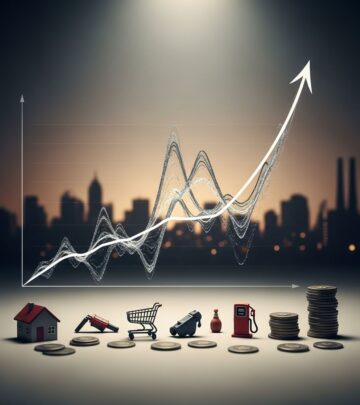
Inflation occurs when the prices of goods and services increase over a long period of time, causing your
purchasing power
to decrease.In simple terms, inflation means your money buys less than it used to. A dollar today doesn’t stretch as far as it did yesterday for everyday essentials like groceries, gas, rent, or utilities. While moderate inflation signals a healthy economy with spending activity, high or rapid inflation erodes savings, raises living costs, and challenges financial planning.
What Causes Inflation?
Several factors drive inflation.
Demand-pull inflation
happens when consumer demand outpaces supply, pushing prices up. For instance, during economic booms, people spend more, but if production can’t keep up, costs rise.**Cost-push inflation** stems from higher production expenses, such as increased raw material costs, labor wages, or supply chain disruptions. Recent global events like pandemics and geopolitical tensions have exemplified this, spiking energy and food prices.
Other contributors include monetary policy, where excessive money printing floods the economy, and built-in inflation from wage-price spirals where workers demand higher pay to match rising costs, prompting businesses to raise prices further.
How Is Inflation Measured?
The primary gauge in the U.S. is the
Consumer Price Index (CPI)
, calculated by the Bureau of Labor Statistics. CPI tracks price changes for a basket of goods and services representing typical urban consumer spending, including housing (about 33%), food, transportation, medical care, and recreation.Core CPI excludes volatile food and energy prices for a clearer trend view. Recently, core inflation rose just 0.2% monthly, showing disinflation, though shelter costs remain a key driver.
- CPI components: Housing (33%), Transportation (17%), Food (13%), Medical (8%), Recreation (6%), Education (6%), Others (17%).
- Producer Price Index (PPI) measures wholesale inflation, often a leading indicator for consumer prices.
- GDP Deflator offers a broader economic view.
Inflation targets around 2% annually are ideal, promoting growth without instability.
Effects of Inflation on Your Finances
Inflation impacts every aspect of personal finance.
Savings lose value
as interest rates lag behind price rises; $100 saved today might buy only $98 worth of goods next year at 2% inflation.**Wages may not keep pace**, reducing real income. Recent data shows essentials straining budgets despite cooling inflation.
Debt can benefit borrowers with fixed rates, as inflation effectively lowers the real repayment value. However, variable-rate debts like credit cards become costlier.
| Inflation Impact | Positive Effect | Negative Effect |
|---|---|---|
| Savings | Rare high-yield options | Erosion of purchasing power |
| Investments | Stocks, real estate hedge | Bonds lose value |
| Debt | Fixed loans easier | Higher borrowing costs |
| Wages | Potential raises | Real income decline |
How Does the Federal Reserve Respond to Inflation?
The
Federal Reserve (Fed)
uses monetary policy to manage inflation, primarily via the federal funds rate—the benchmark for overnight lending between banks.To combat high inflation, the Fed
raises rates
, increasing borrowing costs for auto loans, mortgages, and credit. This slows spending and investment, balancing supply and demand to curb prices. For example, recent hikes aimed to stabilize post-pandemic surges.When inflation cools, the Fed may
cut rates
to spur growth. In 2025, expect pauses as they assess tariffs, immigration, and fiscal policies’ impacts. Core inflation’s downward trend supports potential easing by September, but shelter and energy volatility persist.What Will Happen With Inflation in 2025?
Economists predict continued slowing through mid-2025, with CPI easing as prior pressures fade. Core CPI at 0.2% signals progress, though shelter rises and potential tariffs could reverse gains later.
Uncertainties include policy shifts, global trade, and small business health—employing nearly half of U.S. workers. If measured, growth balances inflation; aggressive changes risk spikes.
Consumers face high essentials costs, but stabilizing vehicle prices and insurance offer relief. Monitor Fed data for rate cut clarity amid 4.1% unemployment and falling gas prices.
How to Beat Inflation
Protect your finances proactively:
- Budget ruthlessly: Track expenses, prioritize needs, cut discretionary spending on dining out or subscriptions.
- Boost savings yields: Seek high-yield accounts or CDs exceeding inflation.
- Invest wisely: Diversify into stocks, real estate, or TIPS (Treasury Inflation-Protected Securities) that adjust for CPI.
- Pay down high-interest debt: Focus on credit cards to avoid compounding costs.
- Increase income: Negotiate raises, side hustles, or skills training for better-paying roles.
- Shop smart: Buy generics, bulk, seasonal produce; refinance fixed-rate loans.
Equifax advises building emergency funds covering 3-6 months’ expenses. Adjust retirement contributions to counter erosion.
Frequently Asked Questions
What is inflation in simple terms?
Inflation is the gradual rise in prices for goods and services, reducing what your money can buy over time.
Is inflation always bad?
No, mild inflation (around 2%) encourages spending and growth. Hyperinflation or deflation poses greater risks.
How does inflation affect my savings?
It erodes real value if returns don’t exceed the rate. Opt for inflation-beating investments.
Will inflation drop in 2025?
Forecasts indicate easing early 2025, but policy risks like tariffs may pressure prices later.
What should I do if inflation rises?
Create a budget, invest in assets, reduce debt, and seek higher yields.
Key Takeaways
- Inflation reduces purchasing power; monitor CPI for trends.
- Fed rate hikes slow it by curbing spending.
- 2025 outlook: Cooling but cautious due to uncertainties.
- Beat it via budgeting, investing, and income growth.
References
- Economic Outlook 2025: Inflation, Jobs, and Market Trends — Equifax. 2025-01. https://www.equifax.com/business/blog/-/insight/article/economic-outlook-2025-inflation-jobs-and-market-trends/
- Market Pulse Q&A: Economists On Inflation, Consumer Spending — Equifax. 2025. https://www.equifax.com/business/blog/-/insight/article/market-pulse-q-a-economists-on-inflation-consumer-spending-and-more/
- Interest Rates to Inflation: Key Economic Trends for 2025 — Equifax. 2025. https://www.equifax.com/business/blog/-/insight/article/interest-rates-to-inflation-key-economic-trends-for-2025/
- FAQ: What is Inflation? — Equifax. 2025. https://www.equifax.com/newsroom/all-news/-/story/faq-what-is-inflation-/
- What Is Inflation: How it Works & How to Beat it — Equifax. 2025. https://www.equifax.com/personal/education/personal-finance/articles/-/learn/what-is-inflation/
- FAQ: What is Inflation? — Equifax Business Insights. 2025. https://www.equifax.com/business/blog/-/insight/article/faq-what-is-inflation-/
- How to Help Protect Yourself Against Inflation — Equifax. 2025. https://www.equifax.com/personal/education/personal-finance/articles/-/learn/how-to-prepare-for-inflation/
Similar Articles








Read full bio of Sneha Tete