Human Resources Department: Key Functions And Strategic Role
Discover the essential functions and responsibilities of HR departments in modern organizations.

What Is the Human Resources Department?
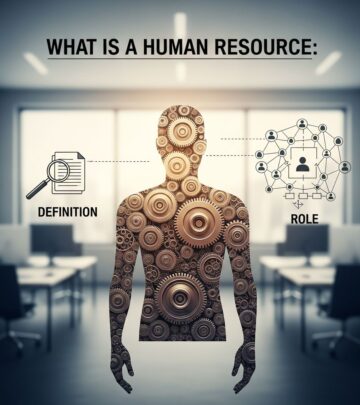
The human resources (HR) department serves as the backbone of modern organizations, managing one of the most valuable assets a company possesses: its people. At its core, an HR department is responsible for overseeing all aspects of the employee lifecycle, from recruitment and onboarding through professional development and eventual separation. By establishing comprehensive policies, managing employee relations, and ensuring legal compliance, human resources professionals create the framework within which employees can thrive and organizations can achieve their strategic objectives.
The significance of the HR department extends beyond simple administrative functions. These professionals shape workplace culture, influence employee satisfaction and retention, and directly impact organizational performance. When employees feel valued, supported, and fairly treated, they tend to be more engaged, productive, and committed to the company’s mission. This positive environment, fostered by effective HR practices, creates a competitive advantage that directly contributes to business success.
Why Human Resources Matters to Organizations
Human resources professionals perform critical functions aimed at strengthening the workforce and promoting a positive workplace environment. The importance of HR cannot be overstated, as these functions directly affect employee performance, morale, and participation at work. When employees enjoy coming to work and feel their contributions are valued, it boosts productivity and significantly reduces turnover rates, which can be costly for organizations.
Beyond employee relations, HR professionals provide essential structure to organizations by developing and implementing policies and procedures that protect employees while meeting organizational objectives. They serve as the strategic link between company leadership and the workforce, ensuring that business goals align with employee needs and capabilities. This balance is crucial for sustainable organizational growth and success.
Core Functions of the Human Resources Department
HR departments manage a comprehensive range of functions that work together to create a productive and compliant work environment. Understanding these core functions helps employees and managers recognize the value HR brings to the organization.
HR Planning and Strategy
Human resources professionals are responsible for setting strategic plans regarding the company’s future workforce needs. This foundational responsibility impacts many other HR functions, including recruiting, hiring, performance management, and succession planning. HR professionals must assess organizational goals and objectives, then determine workforce strategies that help accomplish them. For example, an HR team might increase hiring to meet production goals or recruit talent with specific skill sets to complete particular projects or initiatives. Effective HR planning ensures that the organization has the right people, with the right skills, in the right positions at the right time.
Talent Recruitment and Selection
One of the most visible HR functions is attracting and recruiting qualified talent. The HR department plays an essential role in this process by working closely with managers to develop recruitment goals and identify the types of applicants needed to fill open roles. HR professionals create and post job descriptions, identify and screen qualified candidates, and conduct initial interviews. By implementing effective recruitment strategies and employing rigorous selection processes, HR departments help ensure that organizations attract and hire employees who are not only qualified but also aligned with company values and culture.
Compensation and Benefits Administration
Managing compensation and benefits is a critical HR function that directly impacts employee satisfaction and retention. The HR department works with managers to set competitive salaries and negotiates compensation packages with prospective and current employees. Once hired, HR adds employees to the payroll system and ensures they receive accurate, timely payments according to established schedules. Additionally, HR departments monitor salary standards within their industry to ensure the organization remains competitive in the talent market. They also administer comprehensive benefits programs, including health insurance, retirement plans, paid time off, and other programs that contribute to employee well-being and financial security.
Training and Development
Supporting employee growth through training and development is essential for maintaining a skilled, engaged workforce. As part of the HR planning process, the HR department coordinates and manages employee training initiatives. New employees typically undergo comprehensive onboarding training to learn company policies, procedures, and the specific skills, tools, and resources needed to perform their jobs effectively. Beyond new employee training, HR works with managers to create and implement ongoing programs that help the existing workforce develop new skills, deepen their expertise, and stay current with industry trends and best practices.
Performance Management
The HR department oversees systems and processes designed to evaluate and enhance employee job performance. Performance management typically includes formal performance reviews conducted between employees and their managers at regular intervals. These activities help assess whether the workforce is meeting organizational goals and objectives. By analyzing performance data, HR professionals can identify skill gaps and create targeted training and development opportunities. Additionally, conducting exit interviews provides valuable insights into why employees leave, enabling the department to identify common concerns and implement improvements to enhance retention.
Employee and Labor Relations
HR professionals often serve as mediators in employee and workplace conflicts. When disagreements arise between employees or between employees and managers, HR steps in to investigate, mediate, and facilitate resolution. The department also manages the formal process for addressing employee complaints and grievances surrounding workplace issues. In organizations with unionized employees, HR is responsible for managing union contracts and communications, ensuring that company policies meet union requirements, and maintaining positive relationships with union leadership. Regular communication with unions helps organizations identify potential problems early and resolve them before they escalate into strikes, protests, or other serious issues.
Health and Safety Compliance
Protecting employee health and safety is both a moral imperative and a legal requirement. The HR department develops and implements comprehensive health and safety measures in the workplace. Under the Occupational Safety and Health Act of 1970 (OSHA), employers have a legal obligation to provide a safe working environment. HR professionals must be thoroughly familiar with OSHA regulations and related safety standards. They oversee safety training programs, manage injury logs and reports, ensure compliance with reporting requirements, and handle compensation needs that arise from workplace injuries. Safety measures implemented may include industry-specific requirements as well as general safety protocols such as harassment prevention policies and emergency preparedness plans.
Job Evaluation and Analysis
The HR department analyzes job roles within the organization to understand and document their specific responsibilities. HR professionals assess each position and identify its appropriate title, core tasks, required responsibilities, and the skills necessary to perform the job successfully. As organizational needs evolve and positions change over time, the department is responsible for updating job descriptions and maintaining current documentation. This analysis supports HR planning efforts and enhances the recruitment process by providing clear specifications for open positions. HR professionals also evaluate positions to determine their relative value within the organization, using various methods such as job ranking or classification into specific categories. This evaluation helps the organization establish fair compensation structures and determine appropriate reward levels for different roles.
Administrative Responsibilities
The HR department manages numerous day-to-day administrative tasks related to the workforce. These professionals maintain comprehensive personnel records and files, manage paperwork related to employee onboarding and offboarding, administer insurance policies, and maintain employee contracts. Employees often turn to HR specialists for clarification or assistance regarding workplace procedures and administrative policies. Depending on the organization’s structure, the department may also handle payroll processing, employee scheduling, travel arrangements, and business expense processing. These administrative functions, while sometimes overlooked, are crucial for ensuring compliance with labor laws and maintaining accurate employee records.
How HR Supports Employee Development and Well-being
Modern HR departments recognize that supporting employees extends far beyond compensation and compliance. Progressive HR functions include providing continuing education opportunities, professional development programs, and tuition reimbursement for courses and certifications. By giving employees opportunities to enhance their skill sets and industry knowledge, organizations boost morale and incentivize workers to remain committed to the company. Education assistance programs often serve as effective recruitment and retention tools.
Additionally, HR departments help create clear career pathways within the organization by offering defined avenues for advancement, promotions, and transfers to other departments or divisions. This structure encourages employees to see long-term opportunities within the company rather than seeking external opportunities when ready for new challenges. By investing in employee development and career progression, HR helps build a culture of growth and opportunity.
HR and Organizational Compliance
Ensuring compliance with employment laws and regulations is a critical HR responsibility. The department develops company policies designed to protect both the organization and its employees. This includes reviewing and regularly updating employee handbooks, investigating complaints of harassment or discrimination, managing employee discipline procedures, and handling termination processes in accordance with legal requirements. By maintaining meticulous records and ensuring adherence to labor laws, HR protects the organization from legal liability while safeguarding employee rights.
The Strategic Role of HR in Business Success
Beyond daily operational functions, HR plays a strategic role in driving business success. Modern HR departments align people strategy with business strategy, enabling organizations to attract, retain, and develop high-performing workforces. By understanding the organization’s long-term goals and translating them into workforce strategies, HR professionals ensure that human capital investments support overall business objectives. This strategic alignment is essential for competitive advantage in today’s dynamic business environment.
Frequently Asked Questions About Human Resources
Q: What are the main responsibilities of an HR department?
A: The primary responsibilities of HR departments include recruitment and selection, compensation and benefits administration, training and development, performance management, employee relations, health and safety compliance, payroll processing, and ensuring legal and regulatory compliance. Additionally, modern HR departments focus on building positive workplace culture, supporting employee well-being, and aligning people strategy with organizational goals.
Q: How does HR contribute to employee retention?
A: HR contributes to retention through several mechanisms, including offering competitive compensation and benefits packages, providing professional development and career advancement opportunities, creating a positive workplace culture, addressing employee concerns and conflicts promptly, and implementing recognition and engagement programs. By making employees feel valued and providing growth opportunities, HR helps reduce turnover and maintain organizational stability.
Q: What is the difference between HR and employee relations?
A: While employee relations is one specific function within the HR department, HR encompasses a broader range of responsibilities. Employee relations focuses specifically on managing relationships between employees and the organization, addressing conflicts, and handling grievances. HR, as a whole department, manages all aspects of human capital, including recruitment, compensation, compliance, training, and strategic workforce planning.
Q: Why is HR important in small businesses?
A: In small businesses, HR is equally critical as in larger organizations. Small business HR professionals often wear multiple hats, handling recruitment, payroll, compliance, and employee relations. Effective HR practices help small businesses attract talented employees, maintain legal compliance, reduce costly turnover, and create a productive work environment that supports business growth.
Q: How has HR evolved in recent years?
A: Modern HR has evolved from a primarily administrative function to a strategic business partner role. Today’s HR departments leverage technology such as human resources information systems (HRIS), focus on data-driven decision-making, emphasize employee experience and well-being, address diversity and inclusion initiatives, and support remote and hybrid work arrangements. HR has become increasingly focused on talent analytics and predictive workforce planning.
Q: What skills are essential for HR professionals?
A: Successful HR professionals need strong communication and interpersonal skills, knowledge of employment law and regulations, proficiency with HR information systems and technology, analytical and problem-solving abilities, strategic thinking capabilities, and a genuine commitment to supporting employee success. Additionally, HR professionals benefit from training in conflict resolution, coaching, and organizational development.
Conclusion
The human resources department serves as a vital business function responsible for managing an organization’s most important asset: its people. By effectively executing recruitment, training, compensation, compliance, and employee relations functions, HR departments create the conditions necessary for organizational success. As businesses continue to evolve and face new challenges in the competitive global marketplace, the strategic importance of human resources will only continue to grow. Organizations that invest in robust HR practices and recognize HR as a strategic partner in business planning will be best positioned to attract top talent, maintain employee engagement, and achieve sustainable success.
References
- 13 Key Functions of a Human Resources Department — Indeed.com. 2024. https://www.indeed.com/career-advice/career-development/human-resource-function
- What Is Human Resources (HR)? Areas, Responsibilities, and Roles — Coursera. 2024. https://www.coursera.org/articles/what-is-hr
- 12 Key Functions of Human Resources To Know in 2026 — AIHR (Academy to Innovate HR). 2024. https://www.aihr.com/blog/human-resources-functions/
- Human Resources Managers: Occupational Outlook Handbook — U.S. Bureau of Labor Statistics. 2024. https://www.bls.gov/ooh/management/human-resources-managers.htm
- The 5 Main Roles of HR — Paycor. 2024. https://www.paycor.com/resource-center/articles/the-5-main-roles-in-hr/
Similar Articles








Read full bio of Sneha Tete